Sourcing reversible baby blankets requires careful planning and reliable partnerships. These products must combine softness, durability, and safety while offering attractive reversible designs. Many buyers struggle with inconsistent suppliers, hidden costs, and delays that hurt seasonal sales.
To source reversible baby blankets successfully, buyers need to define requirements, choose reliable suppliers, verify certifications, and establish long-term logistics strategies.
As a manufacturer of baby textiles, I know how much detail matters when sourcing products for demanding markets. Let’s explore the essential steps to help you make the right decisions.
What are the key requirements for reversible baby blankets?
The first step in sourcing reversible baby blankets is to outline product requirements. These blankets must provide comfort for babies while meeting strict international safety standards.
Key requirements include fabric selection, size, reversible design quality, and customization options for branding.
Why does material choice matter?
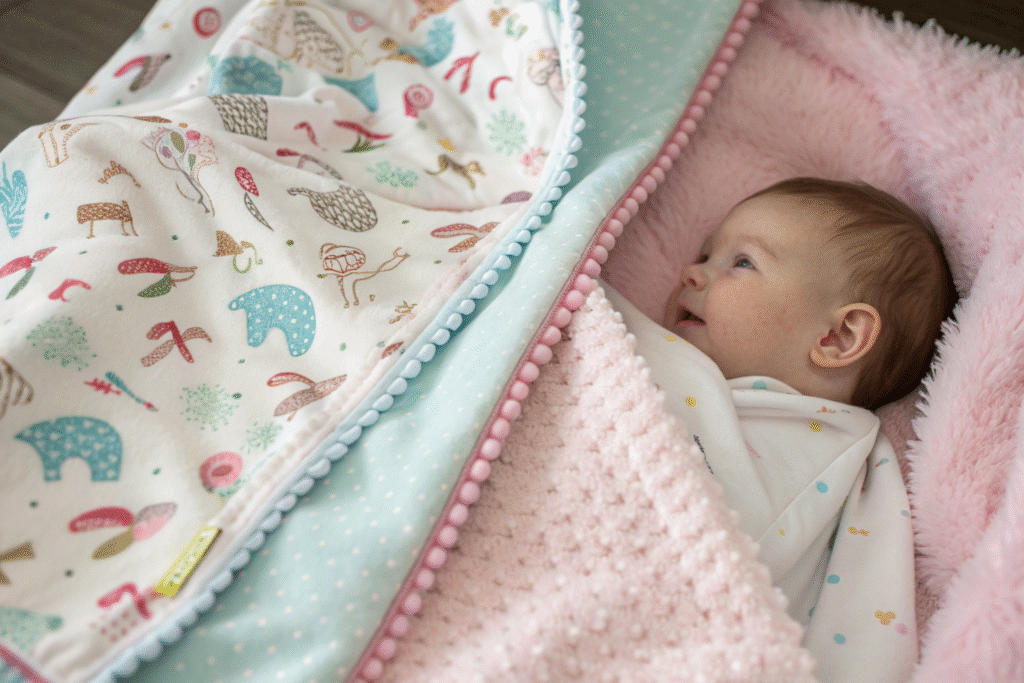
Parents demand breathable and hypoallergenic fabrics. Options include organic cotton, bamboo blends, and muslin. Standards such as OEKO-TEX ensure the materials are safe for infants. Brands targeting premium markets often prefer certified organic textiles like those approved by GOTS.
How important is design and stitching?
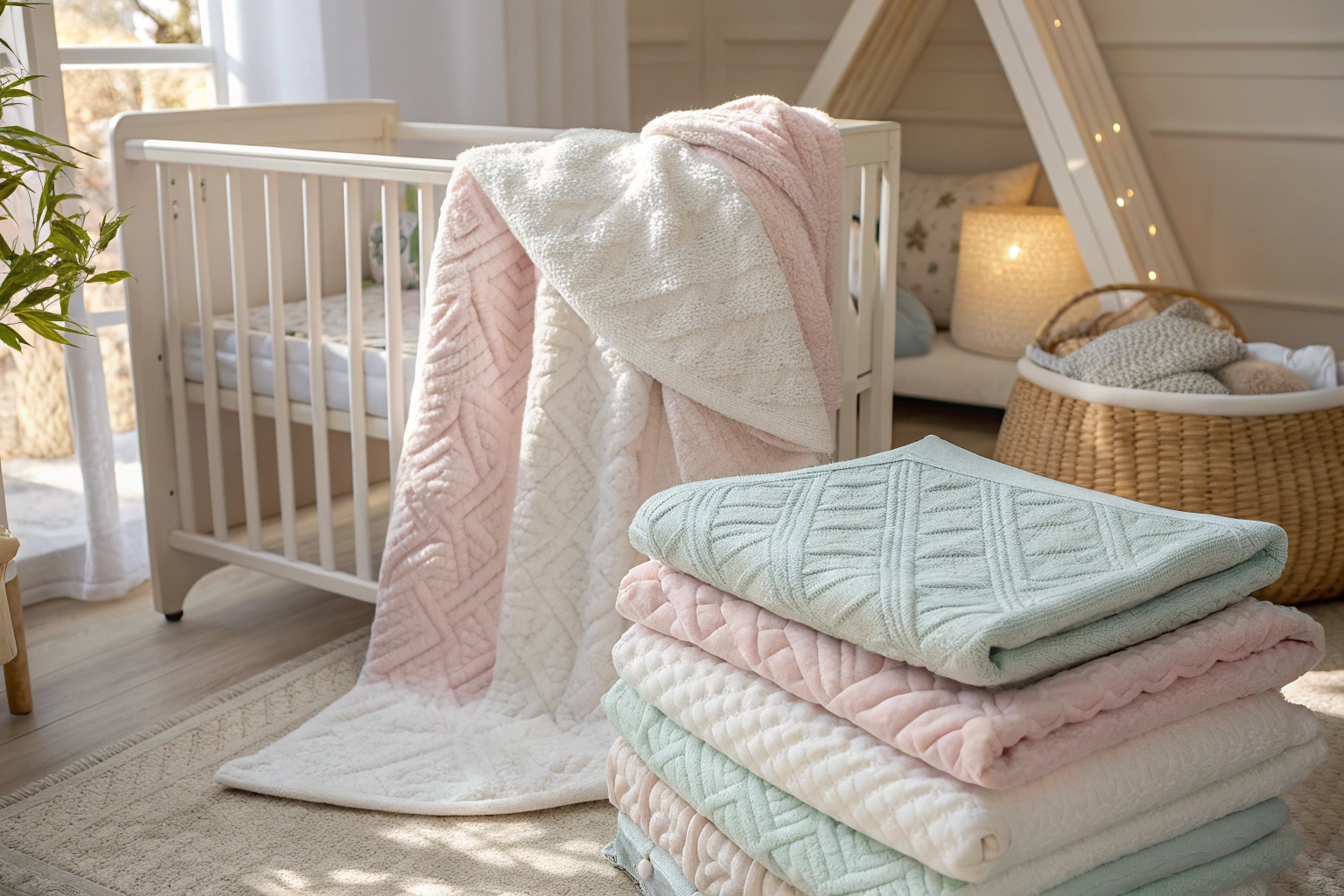
A reversible blanket must look appealing on both sides, often combining prints and solids. Stitching quality is critical; loose seams can cause safety issues. According to HealthyChildren.org, baby products must withstand frequent washing without fraying, making double-sided durability essential.
Where can you find reliable suppliers?
Finding reliable suppliers is the foundation of cost-effective sourcing. Today, buyers have multiple channels to connect with manufacturers.
Reliable suppliers can be found through online B2B platforms, trade shows, and direct factory partnerships.

What online platforms are useful?
Websites such as Alibaba and Made-in-China provide access to hundreds of baby textile factories. Filtering for verified suppliers with export certifications helps reduce risk. Buyers should also explore LinkedIn networks for direct connections.
Are trade shows effective for sourcing?
Yes. Events like the Canton Fair and Kind + Jugend in Germany showcase top baby product manufacturers. These fairs allow buyers to feel fabric samples and negotiate directly with suppliers. Reports on Kind + Jugend highlight it as one of the leading sourcing platforms for global baby brands.
How do you verify supplier quality and compliance?
Not every supplier can meet strict quality standards. Verification is critical to protect your brand reputation and ensure regulatory compliance.
Supplier verification includes certification checks, audits, and testing samples for durability and safety.

Which certifications should you request?
Key certifications include OEKO-TEX for safe textiles, GOTS for organic materials, and CPSIA compliance for US imports. Independent testing agencies like SGS can validate product safety and stitching durability.
Why are audits important?
Audit reports such as BSCI or SEDEX confirm ethical manufacturing and labor compliance. Retailers in Europe and North America often require these. Verified audits also show that the supplier is serious about long-term partnerships.
What are the cost and logistics considerations?
Cost-effectiveness in sourcing comes from balancing price with quality and delivery reliability. Buyers must also plan logistics to avoid seasonal delays.
Factors include pricing models, shipping terms, packaging, and inventory planning.
How should pricing be structured?
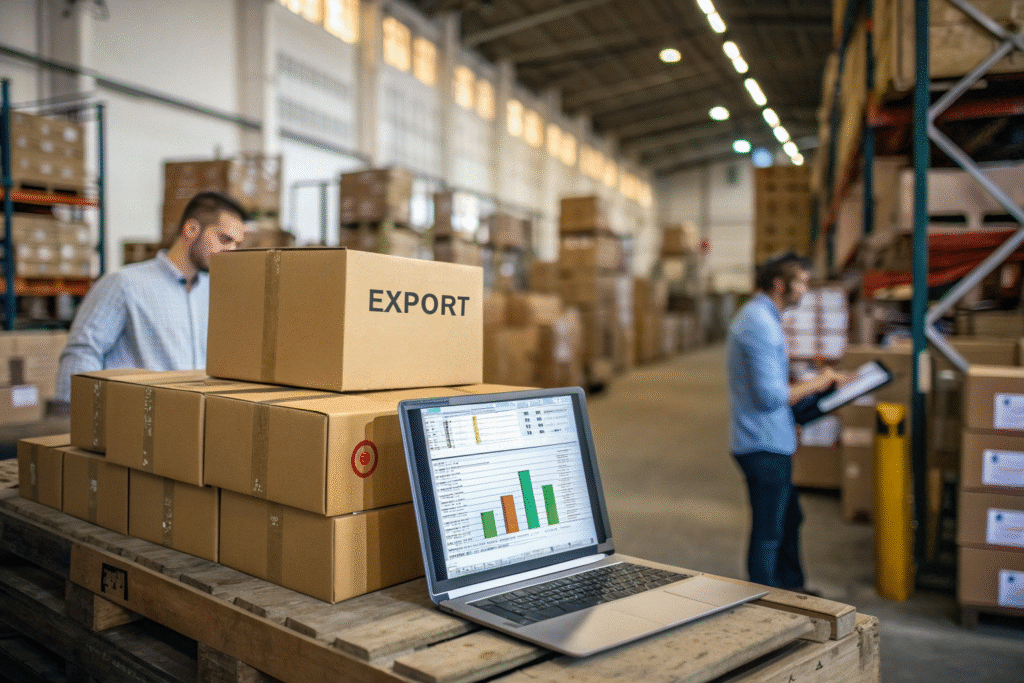
Most factories quote FOB (Free on Board) prices, where buyers handle shipping. Others offer DDP (Delivered Duty Paid), covering freight and customs clearance. For smaller brands, DDP provides convenience, while FOB is better for experienced importers. Guides from Freightos explain how to calculate both.
Why is logistics planning essential?
Baby blankets are seasonal bestsellers, often tied to gift-giving seasons. Sea freight takes 30–40 days, while air freight is faster but more expensive. Aligning production schedules with holidays is crucial. Sources like Flexport show how better planning reduces costs and prevents missed sales windows.
Conclusion
Sourcing reversible baby blankets successfully requires a structured approach. Defining requirements, finding reliable suppliers, verifying compliance, and planning logistics are all critical steps. Buyers who invest time in these areas reduce risks and improve profitability.
At Shanghai Fumao, we specialize in producing customizable baby textiles, including reversible blankets. We guarantee compliance with US and EU safety standards and offer full support from sampling to logistics. If you are looking to source reversible baby blankets with reliable quality and on-time delivery, please contact our Business Director Elaine at elaine@fumaoclothing.com. Together, we can build a trustworthy supply chain that supports your brand’s growth.