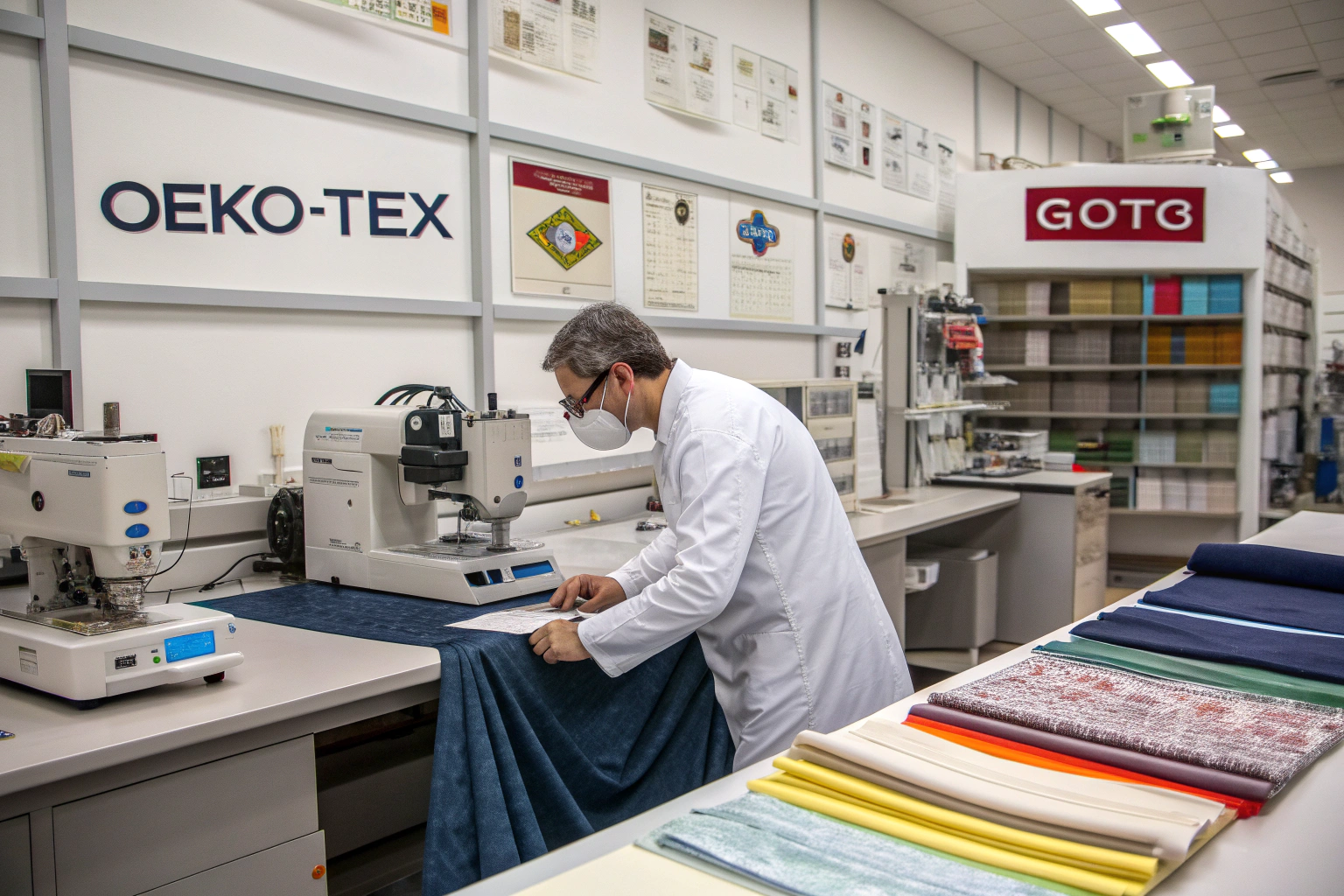
As a children's wear brand owner, you know your customers care deeply about what touches their children's skin. The growing demand for "pollution-sensitive" clothing isn't just a trend; it's a fundamental shift in consumer behavior. Parents are actively seeking garments that are safe from harmful chemicals and pollutants, and they trust your brand to deliver. But how can you be certain your supply chain meets these stringent expectations? Sourcing truly pollution-sensitive apparel requires a meticulous approach, from fabric selection to factory audits. This guide will walk you through the critical steps to ensure the children's wear you source is as safe and pure as it is stylish.
The key to sourcing pollution-sensitive children's wear lies in a rigorous, multi-layered verification process. It goes beyond basic compliance to include selecting OEKO-TEX® certified fabrics, partnering with manufacturers who uphold strict Global Organic Textile Standard (GOTS) protocols, and implementing thorough factory audits that specifically test for restricted substances. This proactive approach ensures every garment is safe for sensitive skin and meets the highest international safety standards.
Navigating the complexities of sustainable and safe manufacturing can be challenging. But by focusing on a few core areas—certifications, manufacturing partnerships, and transparent logistics—you can build a reliable supply chain for pollution-sensitive children's clothing that protects both children and your brand's reputation. Let's explore the actionable steps you can take.
What are the key certifications for safe children's clothing?
When sourcing for your brand, certifications are your first line of defense. They are independent verifications that the fabrics and manufacturing processes meet specific safety and environmental standards. For pollution-sensitive apparel, you cannot rely on supplier claims alone; you need proof. These certifications are a non-negotiable part of your sourcing checklist, providing a clear, recognizable benchmark for safety that your customers will trust.
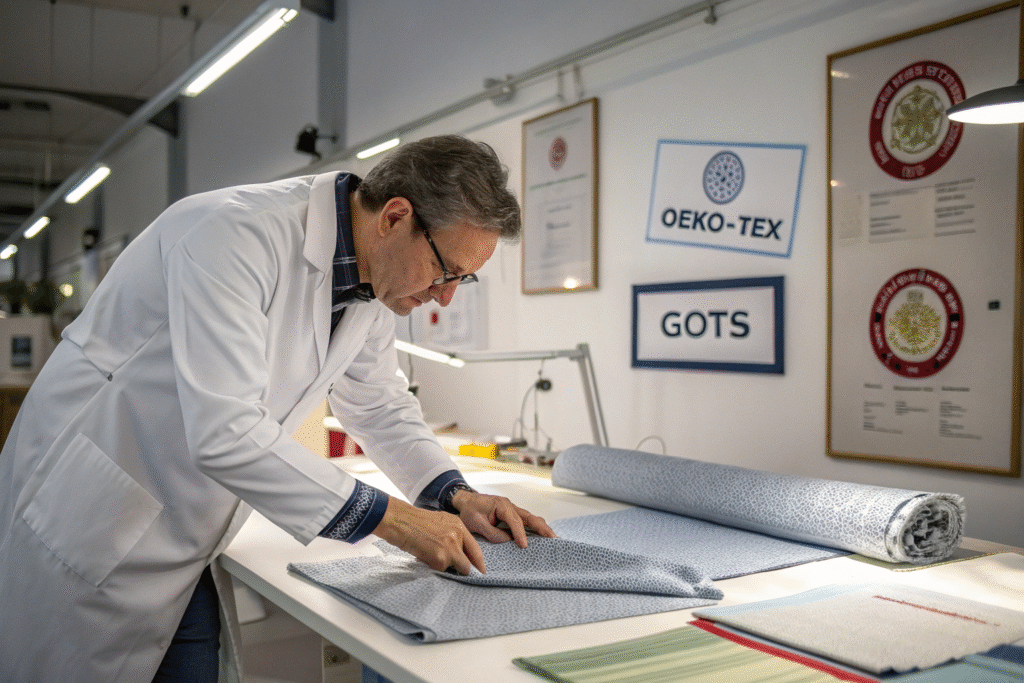
The most critical certifications for pollution-sensitive children's wear are OEKO-TEX® STANDARD 100 and the Global Organic Textile Standard (GOTS). An OEKO-TEX® certification means the fabric has been tested for a list of over 100 harmful substances, ensuring it is free from pollutants and safe for human ecology. Meanwhile, GOTS is a comprehensive standard that covers the entire production chain, from harvesting organic raw materials to environmentally and socially responsible manufacturing. It strictly limits the use of toxic bleaches, dyes, and other chemical inputs.
Why is OEKO-TEX® STANDARD 100 a baseline for sourcing?
OEKO-TEX® STANDARD 100 is arguably the most recognized benchmark for textile safety worldwide. For a children's wear brand, this certification is crucial because it specifically addresses substances that are harmful to human health. The standard includes strict limits for chemicals like formaldehyde, heavy metals, and pesticides, which are particularly important for children's sensitive skin. When you source fabrics with this label, you are assuring your customers that every component of the garment, from the thread to the prints, has been tested for safety. It is a powerful tool for risk management in your supply chain. You can verify a supplier's certification through the public OEKO-TEX® database, which adds a layer of transparency and trust. Furthermore, combining this with a robust quality control system from inspection companies like Intertek provides an even stronger assurance for your brand.
How does GOTS certification ensure organic integrity?
The Global Organic Textile Standard (GOTS) goes beyond just testing the final product. It ensures organic integrity from field to finished garment. This is vital for pollution-sensitive clothing because it regulates the entire processing chain, including spinning, knitting, dyeing, and finishing. GOTS permits only low-impact dyes and strictly prohibits toxic chemicals, such as aromatic solvents and heavy metals. For you, this means the organic cotton in your garments isn't contaminated during the manufacturing process. The certification also includes strong environmental and social criteria, which aligns with the values of modern consumers. When you partner with a GOTS-certified manufacturer, you are not just sourcing a product; you are investing in a fully transparent and ethical system. You can learn more about the specific criteria on the GOTS official website. This holistic approach is often complemented by adherence to the REACH regulation, which further controls chemical substances in products.
How to vet a manufacturer for chemical safety?
Certifications are a great start, but they must be backed by a transparent and trustworthy manufacturing partner. Vetting a factory for chemical safety requires a hands-on approach. You need to look beyond the certificates and understand their day-to-day practices. This involves conducting thorough audits, reviewing their chemical management system (CMS), and assessing their overall commitment to sustainable production. A manufacturer that is truly dedicated to safety will have nothing to hide and will welcome your scrutiny.
A comprehensive vetting process includes a detailed factory audit that focuses specifically on chemical management. This audit should examine how the factory stores, handles, and disposes of chemicals used in dyeing and printing. You should also request lab test reports for recent production runs, not just a generic certificate. Furthermore, assess their track record for on-time delivery and communication, as these are indicators of a well-managed operation that can handle complex, safety-focused orders.

What should a chemical management audit cover?
A chemical management audit is a deep dive into the factory's operational practices. It should verify that all dyes, auxiliaries, and other chemical inputs are stored in a safe, organized manner with clear labeling. The audit must check the Material Safety Data Sheets (MSDS) for all chemicals to ensure they comply with your restricted substances list (RSL). It should also inspect the wastewater treatment processes to confirm that hazardous waste is not being improperly discharged. Crucially, the audit needs to interview staff to ensure they are properly trained in handling these materials. This level of detail helps you avoid partners who might falsify certificates by providing a clear picture of their actual practices. Partnering with a manufacturer that uses DDP (Delivered Duty Paid) logistics can also indicate a higher level of control and responsibility over the entire supply chain.
Why is transparent communication non-negotiable?
Inefficient communication is a major red flag when sourcing pollution-sensitive items. You need a partner who provides transparent, proactive updates and is readily available to answer your questions. This includes clear communication about production schedules, potential delays, and any issues that arise during manufacturing. A manufacturer that is difficult to reach or evasive in their answers may be hiding problems, such as production hiccups or failures in quality control. Establishing a direct line of communication with a dedicated account manager, rather than a generic sales rep, is essential. This ensures that your specific requirements for chemical safety are perfectly understood and implemented. This transparency is as critical as the logistics framework that gets your goods to you on time, preventing the missed selling seasons that hurt your business.
What fabrics are best for pollution-sensitive wear?
The foundation of any pollution-sensitive garment is the fabric itself. Choosing the right material is a critical decision that impacts safety, comfort, and performance. The best fabrics for this category are naturally grown, organically certified, or technologically advanced fibers known for their purity and low environmental impact. Your choice will depend on the garment's style, season, and the specific safety assurances your brand wants to provide.
For baby and toddler apparel, organic cotton is the undisputed leader due to its softness, breathability, and natural growing process without toxic pesticides. Bamboo viscose is another excellent option, known for its incredible softness and moisture-wicking properties, though it's vital to ensure it's processed using closed-loop systems to minimize chemical use. For performance-oriented wear, recycled polyester that is certified to the Recycled Claim Standard (RCS) can be a good choice, provided it is also OEKO-TEX® certified to ensure no harmful substances are present.

Is organic cotton the safest choice for kids?
Yes, GOTS-certified organic cotton is one of the safest choices for children's wear. Its cultivation prohibits the use of synthetic pesticides and genetically modified seeds, which means the raw fiber is free from these pollutants from the very start. This results in a fabric that is less likely to cause skin irritations or allergic reactions. Furthermore, the GOTS certification ensures that the subsequent processes of spinning, knitting, dyeing, and finishing also adhere to strict environmental and toxicological criteria. This end-to-end control makes certified organic cotton a low-risk, high-reward option for brands targeting the pollution-sensitive market. The reliability of its supply chain helps mitigate risks that can lead to delayed shipments, as the raw material sourcing is well-established.
What are the benefits of bamboo viscose?
Bamboo viscose offers exceptional softness, often compared to silk or cashmere, making it ideal for a child's sensitive skin. It is highly breathable and has natural thermo-regulating and moisture-wicking properties. However, the key to its safety lies in its processing. Conventional viscose production can use harsh chemicals, so it is imperative to source bamboo fabric from manufacturers that employ environmentally responsible closed-loop systems. In these systems, water and solvents are recycled and reused, significantly reducing pollution and ensuring the final fabric is clean and safe. Always insist on bamboo viscose that carries an OEKO-TEX® or GOTS certification to guarantee its eco-friendly credentials. This due diligence is as important as verifying payment methods to ensure a secure and trustworthy partnership.
How to ensure quality control from overseas?
Maintaining consistent quality control when sourcing from overseas is a common pain point, but it can be effectively managed with a structured system. You cannot be on the factory floor every day, so you need to establish clear protocols and leverage local expertise. The goal is to catch any issues, whether in workmanship or material quality, before the goods are shipped. This prevents costly recalls and protects your brand's reputation for selling safe, high-quality products.
A robust quality control framework includes pre-production, during-production, and pre-shipment inspections. Each stage serves a specific purpose. It is also wise to hire a third-party inspection company to conduct random audits and pre-shipment inspections, providing an unbiased report on the product's quality and safety compliance. This independent verification is your best defense against substandard production.
What are the stages of effective garment inspection?
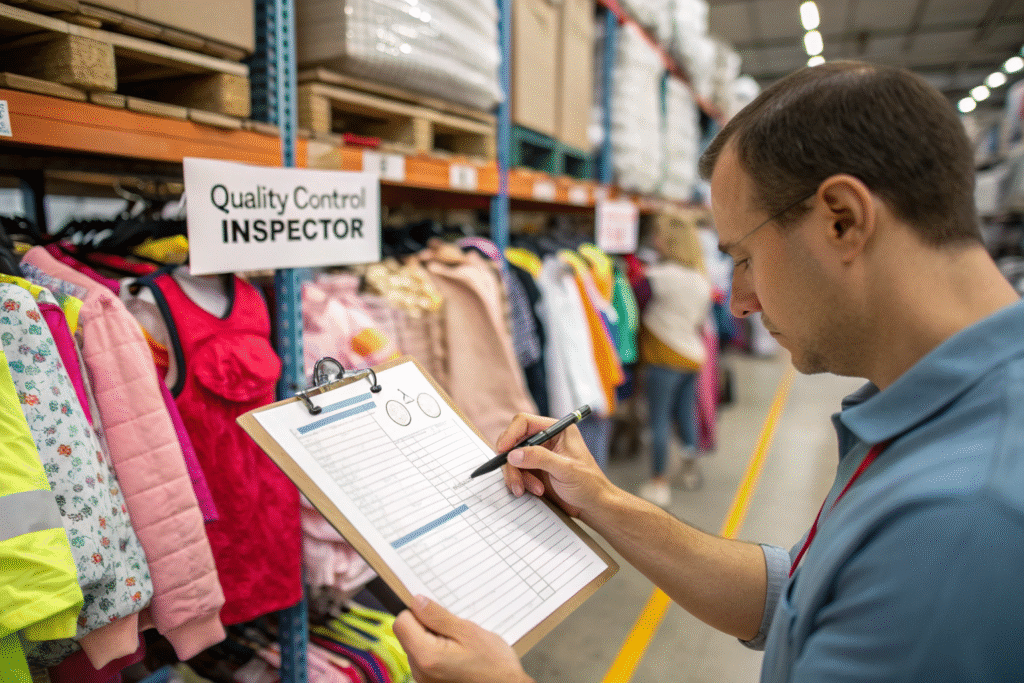
Effective quality control is not a single event but a continuous process. The first stage is the Initial Production Check (IPC), where raw materials and initial production samples are verified against your specifications. The second stage is the During Production Check (DPC), conducted when 10-20% of the order is complete. This allows you to identify and correct issues early. The final and most critical stage is the Pre-Shipment Inspection (PSI), which occurs when 100% of the order is packed and ready for shipment. Inspectors randomly select cartons to check for quantity, workmanship, dimensions, and function, ensuring the final product meets your standards. This systematic approach is a core part of a reliable supply chain solution, ensuring that what you ordered is what you receive.
Why is third-party inspection critical?
Third-party inspection is critical because it provides an objective assessment of your order. Factory self-reporting can sometimes miss or overlook issues. An independent inspector works for you and has no vested interest in the shipment leaving the factory. They follow a standardized checklist based on your requirements, including checks for construction, color fastness, and the presence of any sharp objects or unsafe components. They can also spot subtle defects that an untrained eye might miss. This layer of oversight is essential for verifying that the manufacturer's claims about safety and quality are accurate, giving you peace of mind and solid evidence of due diligence. This is a key service often utilized by successful wholesale businesses to maintain product standards.
Conclusion
Sourcing pollution-sensitive children's wear is a detailed process that demands a focus on verifiable certifications, a thoroughly vetted manufacturing partner, smart fabric choices, and an uncompromising quality control system. By integrating these elements into your sourcing strategy, you can confidently build a collection that is safe, stylish, and trusted by parents. It's about creating a transparent supply chain where safety is never left to chance.
We at Fumao Clothing have built our business on this very foundation. With decades of experience specializing in mid-to-high end children's fashion for the American and European markets, we understand the critical importance of product safety and reliable delivery. Our production lines are equipped to handle complex, safety-focused orders with a commitment to quality that you can count on. If you are looking for a dependable partner to bring your pollution-sensitive children's wear designs to life, let's talk.
Contact our Business Director, Elaine, today at elaine@fumaoclothing.com to discuss how we can partner on your next clothing order.