Finding the right supply chain for plus-size infant clothing can be challenging. This category is still underserved, yet demand continues to grow as parents look for inclusive, comfortable, and safe clothing for their babies. Many retailers and brand buyers are now exploring ways to source extended sizes without sacrificing quality or compliance.
Yes, sourcing plus-size infant clothing is possible and profitable if you choose specialized manufacturers, verify size standards, and work with suppliers who can customize production. By focusing on comfort, certifications, and strong partnerships, you can establish a reliable supply chain that meets customer expectations.
In this article, I will outline the most important steps to source plus-size infant clothing, from selecting the right manufacturers to ensuring compliance.
Why Choosing the Right Manufacturer Matters?
Sourcing begins with selecting the right manufacturer. Not every supplier has experience in producing extended infant sizes, so it is important to filter carefully.
The most reliable manufacturers are those who specialize in infant apparel, offer customized sizing, and already supply Western brands familiar with inclusive needs.
Which Manufacturers Specialize in Plus-Size Infant Wear?
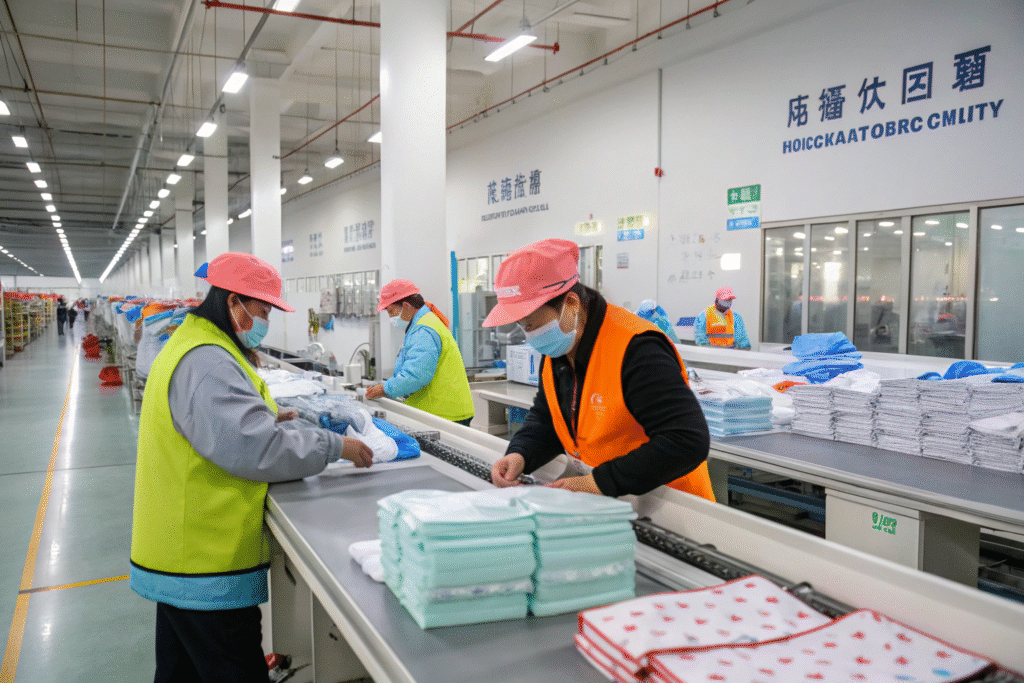
Factories in China, Vietnam, and India are major hubs for babywear production. Many already work with U.S. and European buyers. Platforms like Made-in-China and Alibaba feature suppliers who can provide extended sizes, private labeling, and flexible MOQ.
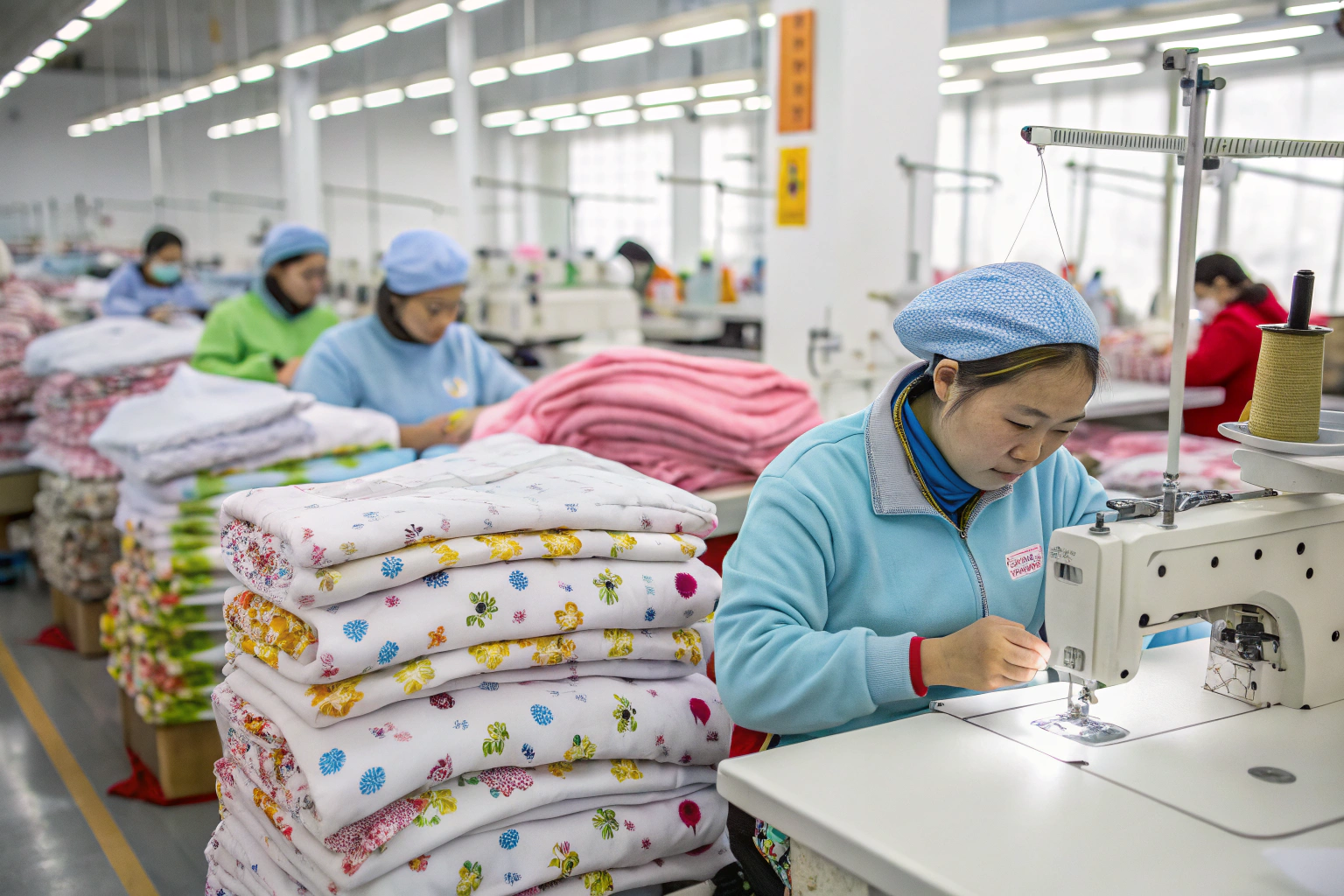
Companies such as Fumao Clothing in China focus on North American and European markets. With expertise in children’s apparel, we adjust patterns and fabrics to meet the needs of plus-size infants.
How Can You Verify a Reliable Factory?
Request a full size chart from the supplier and compare it with your target market. Always ask for product samples before confirming orders. To further reduce risk, check reviews, request audit reports, or verify certifications like OEKO-TEX.
How to Ensure Correct Sizing Standards?
Sizing is one of the most critical issues when sourcing plus-size infant clothing. Parents often complain about inconsistent fits, so accuracy is key.
Clear communication about size standards prevents misfits and ensures that extended sizes are produced correctly.

Why Do Size Charts Differ Across Regions?
In the U.S., plus-size infant clothing may be labeled as “husky” or “generous fit”, meaning wider measurements for the same age group. In Europe, extended sizing follows different terms but still focuses on roomier designs.
According to BabyCenter, size variations between brands frustrate many parents, which makes supplier consistency essential.
What Steps Can You Take to Avoid Misfits?
- Request detailed specifications for each size.
- Compare them with American or European babywear standards.
- Test samples with real infants to confirm fit and comfort.
This process reduces return rates and builds long-term trust with customers.
What Fabrics and Features Work Best?
Comfort defines babywear, and it is even more important for plus-size infants. Tight or poorly stitched clothes can irritate sensitive skin.
The best fabrics for plus-size infant wear are breathable cotton, organic cotton blends, and stretchable fabrics such as cotton-elastane. Design features like tagless labels and flat seams further improve comfort.

Which Fabrics Should You Choose?
Natural fibers remain the safest and most comfortable. For example, GOTS-certified organic cotton ensures chemical-free, skin-friendly clothing. Adding elastane provides stretch and flexibility for active babies.
What Design Features Enhance Comfort?
- Elastic waistbands that allow room to grow.
- Snap closures for easy dressing.
- Tagless labels to avoid irritation.
These features turn clothing into both a practical and comfortable choice for parents.
Where Can You Find the Best Suppliers?
After choosing fabrics and defining sizes, the next step is finding trustworthy suppliers.
The most effective sourcing channels are trade shows, online B2B platforms, and direct partnerships with factories.

What Trade Shows Are Useful?
Events such as Children’s Club in the U.S. and international fairs in Shanghai or Hong Kong showcase babywear manufacturers. Meeting suppliers face-to-face helps confirm quality and negotiate terms.
Which Online Platforms Work Best?
Platforms like Alibaba, Global Sources, and TradeIndia allow buyers to filter for extended-size babywear suppliers. Direct factory contact often provides better pricing and flexibility than agents.
Why Certifications and Compliance Are Essential?
Infant clothing requires strict safety compliance. For plus-size babywear, the same regulations apply, making certifications a must.
The most important certifications include CPSIA (U.S.), OEKO-TEX Standard 100, and GOTS for organic fabrics.

Why Are Certifications Important?
Certifications reassure parents that clothes are safe, durable, and free from harmful chemicals. For instance, CPSC regulations in the U.S. require lead-free materials and safe closures.
How to Confirm Supplier Compliance?
Request certificates directly from suppliers and verify them with issuing bodies. For additional assurance, consider third-party lab testing for fabric safety before production.
Conclusion
Sourcing plus-size infant clothing requires the right manufacturer, accurate sizing, safe fabrics, and verified compliance. By carefully selecting suppliers, requesting samples, and checking certifications, you can confidently enter this niche and meet rising consumer demand.
If you are a distributor, brand buyer, or apparel company owner exploring plus-size infant wear, we at Shanghai Fumao Clothing can provide high-quality, customizable solutions tailored to your market.
For direct cooperation, please contact our Business Director Elaine at: elaine@fumaoclothing.com.