Finding the right manufacturer for noise-reducing toddler travel wear can be a challenge. You need a partner who understands safety, comfort, and the specific needs of busy parents. This guide will walk you through the entire process, ensuring you find a reliable supplier for this niche product.
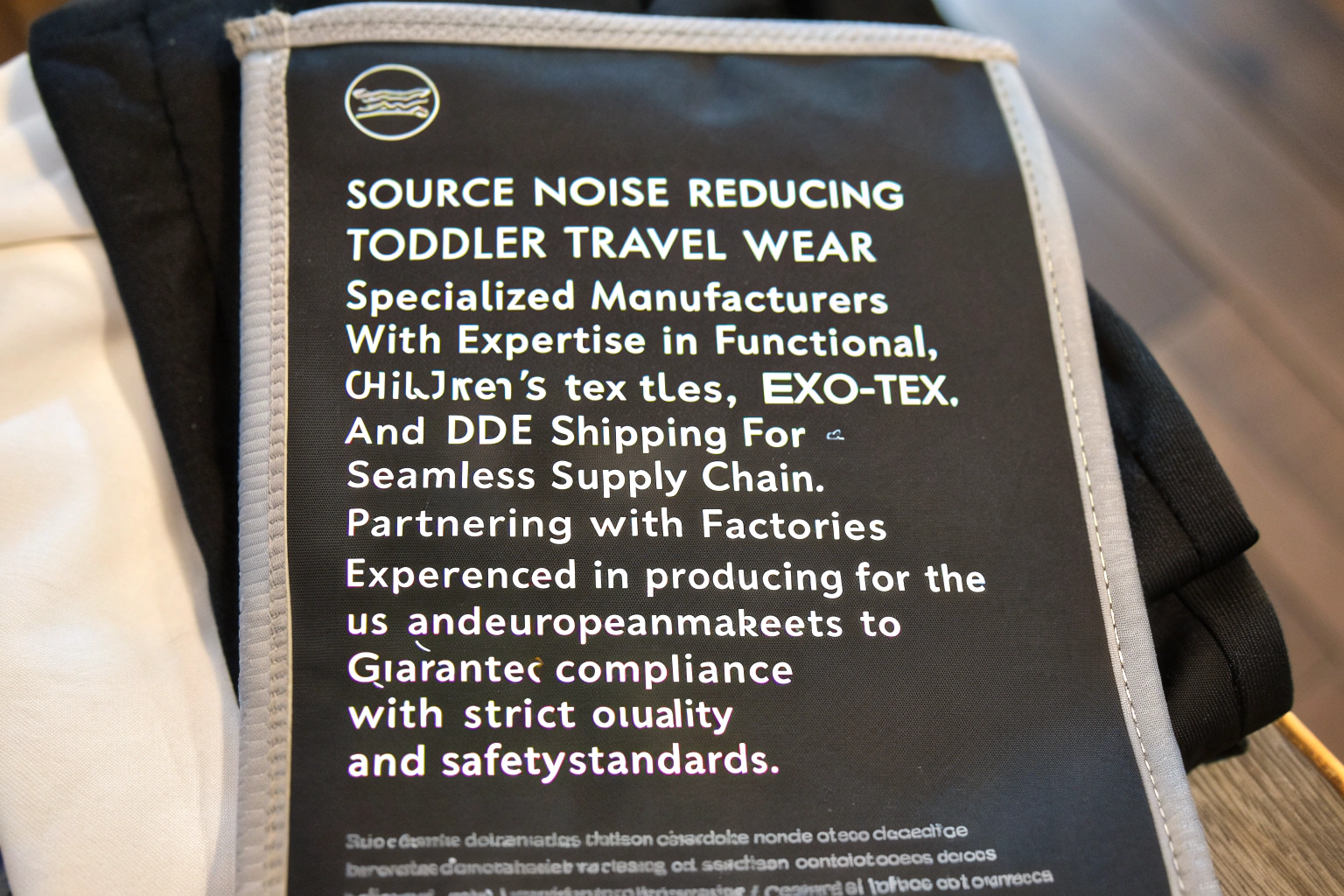
To source noise-reducing toddler travel wear, you must identify specialized manufacturers with expertise in functional children's textiles, verify relevant safety certifications like OEKO-TEX, and ensure they offer DDP shipping for a seamless supply chain. Partnering with a factory experienced in producing for the US and European markets guarantees compliance with strict quality and safety standards, turning a complex sourcing task into a smooth, profitable venture.
Navigating the world of children's wear manufacturing requires a clear roadmap. Let's break down the key steps to ensure your sourcing journey for these specialized garments is efficient and successful.
What are the key features of quality noise-reducing toddler wear?
When sourcing, knowing what defines a high-quality product is your first step. This ensures you can communicate your standards clearly to potential suppliers.
The core of noise-reducing wear is the fabric and construction. It's not just about using thick materials; it's about smart design that minimizes rustling and friction sounds while maintaining breathability and comfort for the child.

What fabric technologies are best for noise reduction?
Fabrics like brushed micro-modal, certain tightly woven cottons, and polyester blends with a soft finish are excellent for reducing noise. These materials minimize the friction sound that typical waterproof or stiff fabrics make. The key is a high fabric GSM that provides substance without weight. Furthermore, look for suppliers who understand OEKO-TEX Standard 100 certification, which guarantees the textiles are free from harmful substances, a top priority for parents.
How does garment construction impact sound and comfort?
The construction is as crucial as the fabric. Flatlock seams are a must-have feature. They prevent internal stitching from rubbing against a child's sensitive skin, which enhances comfort and significantly reduces noise caused by friction. Also, consider designs with minimal hardware or plastic zippers with smooth, quiet pulls. A well-constructed garment from a seasoned children's apparel manufacturer will have reinforced stitching in high-stress areas, ensuring durability without compromising on the quiet, comfortable experience.
How to verify a toddler wear manufacturer's reliability?
Finding a supplier is one thing; verifying they can deliver on their promises is another. This step protects your brand and ensures long-term success.
A reliable manufacturer is transparent and communicative. They should readily provide evidence of their capabilities and have a proven track record with clients similar to you.

What certifications should a trustworthy manufacturer have?
Always ask for proof of certifications. For toddler wear, the gold standards are OEKO-TEX Standard 100 and CPSIA compliance. These show the factory adheres to strict safety regulations regarding harmful substances and materials. A manufacturer investing in these certifications is likely committed to quality and safety. Additionally, check if they have an ISO 9001 certified quality management system, which indicates a structured and consistent approach to production.
What questions should you ask during a supplier audit?
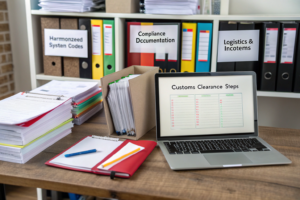
Prepare a list of critical questions. Ask about their experience with DDP (Delivered Duty Paid) shipments to your country, as this clarifies logistics responsibility. Inquire about their typical production lead times and their protocol for handling delays. Request references from other North American or European clients. A confident and reliable partner will have no issue providing this information. Understanding their quality control process is also essential—ask how many checkpoints they have throughout production.
| Audit Question Focus Area | Why It's Important |
|---|---|
| Production Lead Time | Sets clear expectations and helps you plan your selling season. |
| DDP Shipping Process | Clarifies cost and responsibility for international logistics. |
| Quality Control Checkpoints | Ensures consistent product quality and reduces defect risk. |
| Communication Protocol | Prevents misunderstandings and ensures efficient problem-solving. |
What is the MOQ and production timeline?
Understanding the practicalities of minimum order quantities and timelines is essential for your business planning and cash flow.
MOQs and timelines can vary significantly. A factory that is transparent about these figures from the outset is often more organized and reliable.

How can you negotiate a feasible MOQ?
Many manufacturers have high MOQs, but don't be discouraged. You can often negotiate a lower minimum order quantity by offering to pay a slightly higher unit cost, consolidating several product variations into one order, or demonstrating potential for future, larger orders. Factories that specialize in B2B wholesale are typically more open to these discussions, especially if you present a solid business plan.
What are the key stages in the production process?
A clear production process usually follows these steps: 1) Fabric and trim sourcing. 2) Sample creation and approval. 3) Bulk fabric cutting. 4) Garment sewing and assembly. 5) Quality control and inspection. 6) Packaging and final logistics preparation. Each stage requires time, and a professional manufacturer will keep you updated on progress. Understanding this flow helps you see where potential delays might occur and allows for better planning.
Why choose a DDP shipping partner for toddler apparel?
The shipping method you choose can make or break your profit margins and customer satisfaction. DDP offers a streamlined solution.
DDP, or Delivered Duty Paid, means your supplier handles all the logistics, risks, and costs until the goods are delivered to your warehouse door. This simplifies the entire import process for you.

How does DDP reduce logistical risks for importers?
With DDP shipping, the manufacturer is responsible for everything: export formalities, ocean freight, insurance, and most importantly, import duties and taxes. This eliminates surprise costs for you and reduces the administrative burden. You get a single, all-inclusive price upfront, making budgeting and cost-effective solutions much easier to calculate. It transforms a complex international shipment into a simple door-to-door delivery.
What are the cost benefits of DDP for long-term partnerships?
While the initial per-unit cost from a DDP supplier might seem higher, it often leads to significant savings. You avoid the hidden costs of dealing with customs brokers, freight forwarders, and potential port storage fees. This predictability allows for more accurate financial planning. For a US-based children's wear brand, this streamlined process means you can get your products to market faster and with far fewer headaches, protecting your profit margins season after season.
Conclusion
Sourcing noise-reducing toddler travel wear successfully hinges on a strategic approach: identifying the right product features, thoroughly vetting your manufacturer, understanding production practicalities, and leveraging a simplified shipping model like DDP. By focusing on these core areas, you can build a reliable supply chain that delivers the quality, safety, and profitability your brand deserves.
We hope this guide empowers you to make informed sourcing decisions. If you are looking for a dependable partner to produce your own line of high-quality, noise-reducing toddler travel wear, we invite you to contact our Business Director, Elaine. She can discuss your specific needs and how we can help. Reach her at elaine@fumaoclothing.com.