

Finding the right manufacturer for children's clothing involves balancing style, cost, and delivery timelines. However, compliance with U.S. safety regulations often becomes the most challenging aspect, particularly when working with international suppliers. Understanding and meeting these standards is crucial for protecting both children and your business reputation.
Successful sourcing requires partnering with manufacturers who embed safety compliance into their entire production process—from material selection and manufacturing to final testing and certification. This integrated approach ensures consistent adherence to regulations rather than treating compliance as a final checkpoint.
Let's examine the practical steps needed to ensure your children's clothing shipments meet all necessary safety requirements for the American market.
What Are The Essential CPSC Requirements For Children's Clothing?
Understanding regulatory requirements forms the foundation of compliant sourcing. The U.S. Consumer Product Safety Commission establishes specific standards addressing potential hazards in children's apparel.
Key areas include flammability requirements, drawstring regulations, and small parts safety. Children's sleepwear must meet strict flame resistance standards, while drawstrings in upper outerwear face severe restrictions due to strangulation risks. Additionally, decorative elements must be securely attached to prevent choking hazards.

Why Does Sleepwear Require Special Flammability Testing?
Flammability testing represents a critical safety requirement for children's sleepwear. Federal regulations mandate that sleepwear fabrics and garments must self-extinguish once ignition sources are removed. Manufacturers should utilize certified testing laboratories to verify compliance. Selecting inherently flame-resistant fabrics provides the most reliable compliance strategy.
How Do You Ensure Small Parts Don't Become Safety Hazards?
Small components present significant choking risks for young children. Manufacturers should implement rigorous physical testing protocols, including pull tests that exceed normal use conditions. Secure attachment methods like reinforced stitching and ultrasonic welding help prevent detachment. Manufacturers familiar with ASTM F963 toy safety standards typically demonstrate better understanding of component safety requirements.
How To Identify Manufacturers With Genuine Compliance Capabilities?
Verifying manufacturer compliance capabilities requires moving beyond basic certifications to examine actual processes and track records.
Reputable manufacturers maintain transparent compliance documentation, including detailed General Certificates of Conformity (GCC). They integrate quality assurance throughout production rather than treating it as final inspection. Suppliers with established North American export experience typically demonstrate stronger understanding of regulatory requirements.

What Due Diligence Questions Should You Ask Suppliers?
Supplier evaluation should include specific inquiries about quality control processes. Request detailed quality manuals, in-house testing protocols, and client references. Manufacturers confident in their compliance systems will readily provide this information. Many established suppliers offer facility audits to demonstrate their production capabilities and quality control stations.
Why Are Independent Laboratory Reports Crucial?
Third-party laboratory testing provides objective verification of compliance. Reputable manufacturers should provide test reports from ISO/IEC 17025 accredited laboratories. These reports typically cover lead content, phthalate limits, fabric flammability, and physical safety hazards. Comprehensive testing documentation supports your own compliance reporting requirements.
What Constitutes Effective Quality Control In Manufacturing?
Robust quality control systems prevent issues rather than detecting them after production completion. Effective systems monitor each production stage from raw materials to finished products.
Comprehensive quality control begins with fabric inspection and review of mill test reports. During production, supervisors monitor workmanship and safety specification adherence. Final pre-shipment inspections utilize statistical sampling to verify overall quality before shipment.

How Does In-Process Inspection Prevent Major Issues?
In-process inspection occurs during manufacturing, enabling immediate correction of emerging issues. This proactive approach contrasts with final inspection, which identifies problems after completion. Effective in-process systems empower production staff to address quality concerns immediately, reducing rework requirements and delivery delays.
What Should A Comprehensive Quality Checklist Include?
Detailed quality checklists translate safety standards into specific inspection criteria. Effective checklists should address multiple compliance and quality aspects:
| Inspection Category | Key Verification Points |
|---|---|
| Safety Compliance | Drawstring compliance, small parts security, safety labeling, chemical restrictions |
| Material Quality | Fabric specifications, color consistency, defect identification |
| Construction Standards | Seam integrity, stitching quality, dimensional accuracy |
| Labeling Requirements | Care instruction accuracy, RN numbers, country of origin, warning labels |
Systematic checklist implementation ensures consistent adherence to all safety and quality requirements.
How To Maintain Reliable Supply Chain Execution?
Product quality and compliance become irrelevant if shipments miss critical delivery timelines. Manufacturers should demonstrate logistics expertise alongside production capabilities.
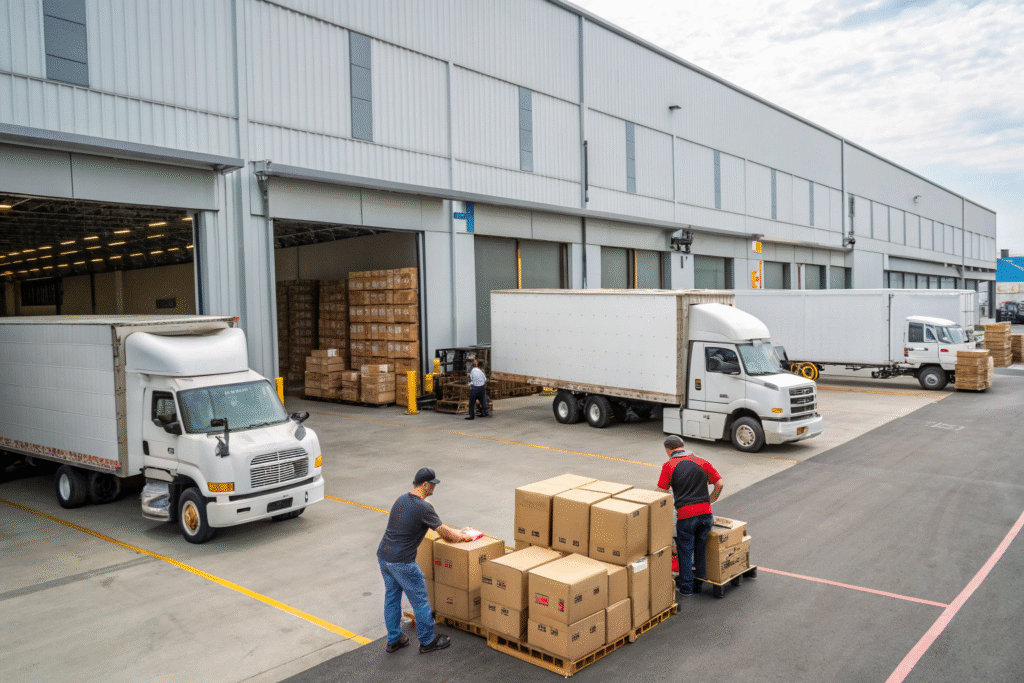
Delivery delays often stem from inadequate planning or logistics inexperience. Manufacturers offering comprehensive shipping solutions, including DDP (Delivered Duty Paid) terms, typically provide more reliable delivery performance through greater supply chain control.
What Advantages Does DDP Shipping Provide?
DDP terms simplify import processes by transferring shipping responsibility to manufacturers. This includes transportation management, customs clearance, and duty payment. For buyers, this means predictable costing and reduced administrative burden. Manufacturers invested in delivery success typically demonstrate stronger commitment to timeline adherence.
How Important Is Communication During Shipment Execution?
Proactive communication prevents misunderstandings and enables issue resolution before problems escalate. Manufacturers should provide regular shipment updates and immediate notification of potential delays. Established communication protocols and utilization of order management platforms enhance supply chain visibility and partner confidence.
Conclusion
Consistently sourcing children's clothing that meets CPSC standards requires strategic manufacturer partnerships based on verified compliance capabilities, integrated quality systems, and reliable supply chain execution. Focusing on these core elements enables brand owners to maintain regulatory compliance while achieving business objectives.
Protecting your brand reputation requires manufacturing partners who share your commitment to safety and quality. For detailed discussions regarding your specific production requirements, please contact our Business Director, Elaine, at elaine@fumaoclothing.com. Our team brings demonstrated expertise in compliant children's wear manufacturing for the North American market.