Navigating the world of ethical sourcing can feel like a maze. You want high-quality baby clothes, but you also need to meet the growing consumer demand for ethically produced products. The pressure is on to find a supplier who not only talks the talk but walks the walk when it comes to fair-trade practices. How can you be sure your partner is truly committed? This guide will cut through the complexity and show you a clear path to sourcing genuine fair-trade certified baby garments.
Sourcing fair-trade certified baby garments requires a strategic approach that goes beyond just checking a certificate. It involves finding a manufacturing partner with transparent supply chains, verifiable certifications like Fair Trade USA or GOTS, and a proven commitment to ethical labor practices and sustainable materials. A reliable partner will openly share their audit reports and provide clear insights into their production process, ensuring your brand values are perfectly aligned from the first stitch.
For brand owners like you, making the right sourcing decision protects your reputation and builds customer trust. Let's explore the key steps to ensure your next order of baby garments meets the highest ethical standards.
What are the key benefits of choosing fair-trade certified baby clothing?
Choosing fair-trade certification is more than a label; it's a powerful business strategy. In today's market, consumers are increasingly making purchasing decisions based on a brand's values. By offering fair-trade baby garments, you directly appeal to this conscious consumer base, enhancing your brand's image and fostering long-term loyalty.
The benefits extend to your supply chain's stability. Factories that adhere to fair-trade standards typically experience higher worker satisfaction and lower turnover. This leads to more consistent production quality and fewer disruptions. When workers are treated fairly, they take greater pride in their craft, resulting in superior finished products for your brand.
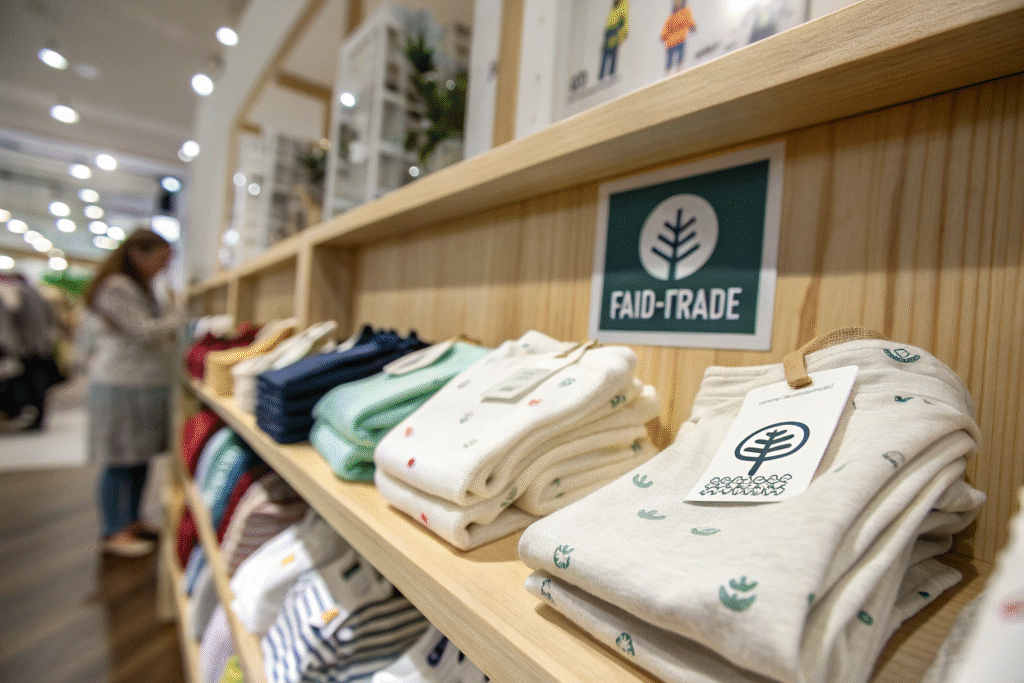
How does fair-trade certification enhance brand reputation?
A fair-trade certification acts as a third-party validation of your ethical commitments. It tells your customers that you care about the people behind the products. This transparency builds immense trust. In a competitive market, this trust can be your key differentiator, allowing you to command a premium price and build a dedicated customer community. Organizations like Fair Trade USA provide rigorous standards that, when met, give your brand a credible story to tell. This story resonates deeply with modern parents who want the best for their children and the world they will grow up in.
What is the impact on product quality and supply chain reliability?
Ethical production is synonymous with high quality. Fair-trade standards often go hand-in-hand with better working conditions, which reduces errors and improves attention to detail. Workers who are paid fairly and work in safe environments are more motivated to produce high-quality garments. Furthermore, a focus on sustainable practices frequently means using higher-quality, softer, and more durable materials like organic cotton, which is a major selling point for baby clothing. This commitment to quality and ethical supply chain management ensures that your orders are completed on time with consistent excellence, season after season.
How to verify authentic fair-trade certifications with suppliers?
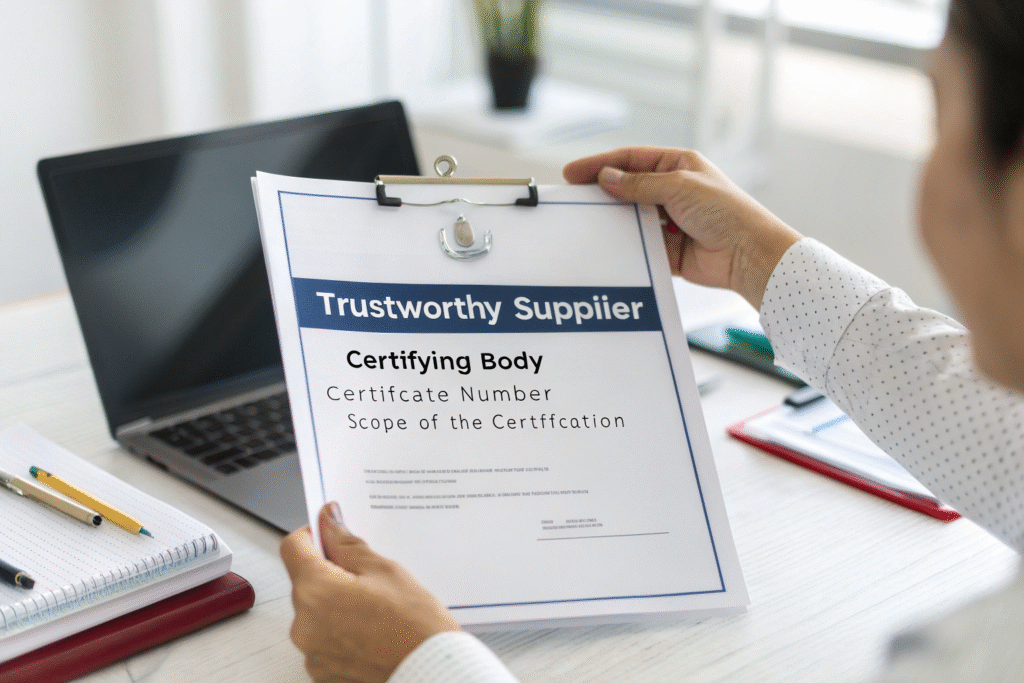
Verification is the most critical step in the sourcing process. Simply seeing a logo on a website is not enough. Authentic certifications are backed by detailed audit reports and license codes that can be verified directly with the issuing organization. Always ask your potential supplier for their official certification documents.
A trustworthy supplier will be transparent and eager to share this information. They should provide you with the name of the certifying body, their certificate number, and the scope of what the certification covers (e.g., specific production lines or facilities). Be wary of vague claims like "we follow fair-trade principles" without a verifiable certificate from a recognized authority.
Which fair-trade certifications are most recognized in the US and EU?
The most recognized certifications vary by region but share global credibility. In the US, Fair Trade USA is a leading standard. In Europe, the World Fair Trade Organization (WFTO) guarantee is highly respected. For textiles, the Global Organic Textile Standard (GOTS) is paramount because it includes strict social criteria based on International Labour Organization (ILO) conventions alongside environmental requirements. When a supplier holds GOTS certification, you can be confident in both the organic nature of the materials and the ethical conditions under which the garments were produced.
What questions should you ask a supplier about their ethical practices?
Go beyond the certificate with direct questions. Ask about their auditing cycle and when the last audit was conducted. Inquire about worker committees and how grievances are handled. Question their policies on wages, working hours, and child labor. A reliable partner, like our factory, will have clear answers and may even offer virtual tours of their facility. This level of openness is a strong indicator of a genuinely ethical operation. Understanding their approach to social compliance will give you a complete picture of their commitment.
What are the common challenges in sourcing ethical baby clothes?
Sourcing ethically can present hurdles, but they are manageable with the right partner. A common challenge is the higher initial cost. Fair-trade certification and ethical labor practices do involve investments, which can impact the unit price. However, this cost is an investment in quality, reliability, and your brand's value proposition, which customers are increasingly willing to support.
Another significant challenge is ensuring transparency throughout the entire supply chain. It's not enough for the final assembly factory to be certified; you need visibility into the sources of the fabric, dyes, and even thread. Complex supply chains can make this difficult, leading to risks of greenwashing or unintended ethical lapses.

How to avoid delays in the ethical sourcing process?
Delays often occur during the certification verification or fabric sourcing stages. To avoid this, work with a supplier that has a proven track record and controls its production timeline tightly. At our factory, we mitigate this by sourcing GOTS-certified organic cotton from a vetted network of suppliers and maintaining clear production schedules. We also recommend planning your orders well in advance of your selling season to accommodate the thorough processes that ethical manufacturing requires. Effective logistics planning is integrated into our service to ensure on-time delivery.
What are the red flags for fake ethical claims?
Be cautious of suppliers who are hesitant to provide documentation. Vague language, inability to provide a certificate number, or pressure to avoid verification are major red flags. If a price seems too good to be true, it probably is. Ethical manufacturing has real costs. Also, watch for inconsistencies; a supplier claiming to be ethical but unable to explain their worker benefits or environmental policies is likely not being fully transparent.
How to build a long-term partnership with a fair-trade manufacturer?
A long-term partnership is the ultimate goal, transforming a transactional relationship into a strategic advantage. This partnership is built on consistent communication, shared values, and mutual success. It allows for better planning, continuous quality improvement, and collaborative innovation on new designs and materials.
View your manufacturer as an extension of your team. The more they understand your brand and goals, the better they can serve you. A long-term partner will proactively suggest improvements, help you navigate market changes, and ensure a stable supply of high-quality ethical garments for years to come.

Why is consistent communication vital for ethical sourcing?
Open and regular communication prevents misunderstandings and builds trust. It allows you to stay updated on production progress and address any concerns immediately. For ethical sourcing, this means having direct access to the people who manage compliance and production, not just a generic sales email. This direct line ensures that your ethical standards are consistently met and that any issues can be resolved collaboratively and swiftly. Using secure and clear payment methods that protect both parties also strengthens the partnership.
What terms should be included in a sourcing agreement?
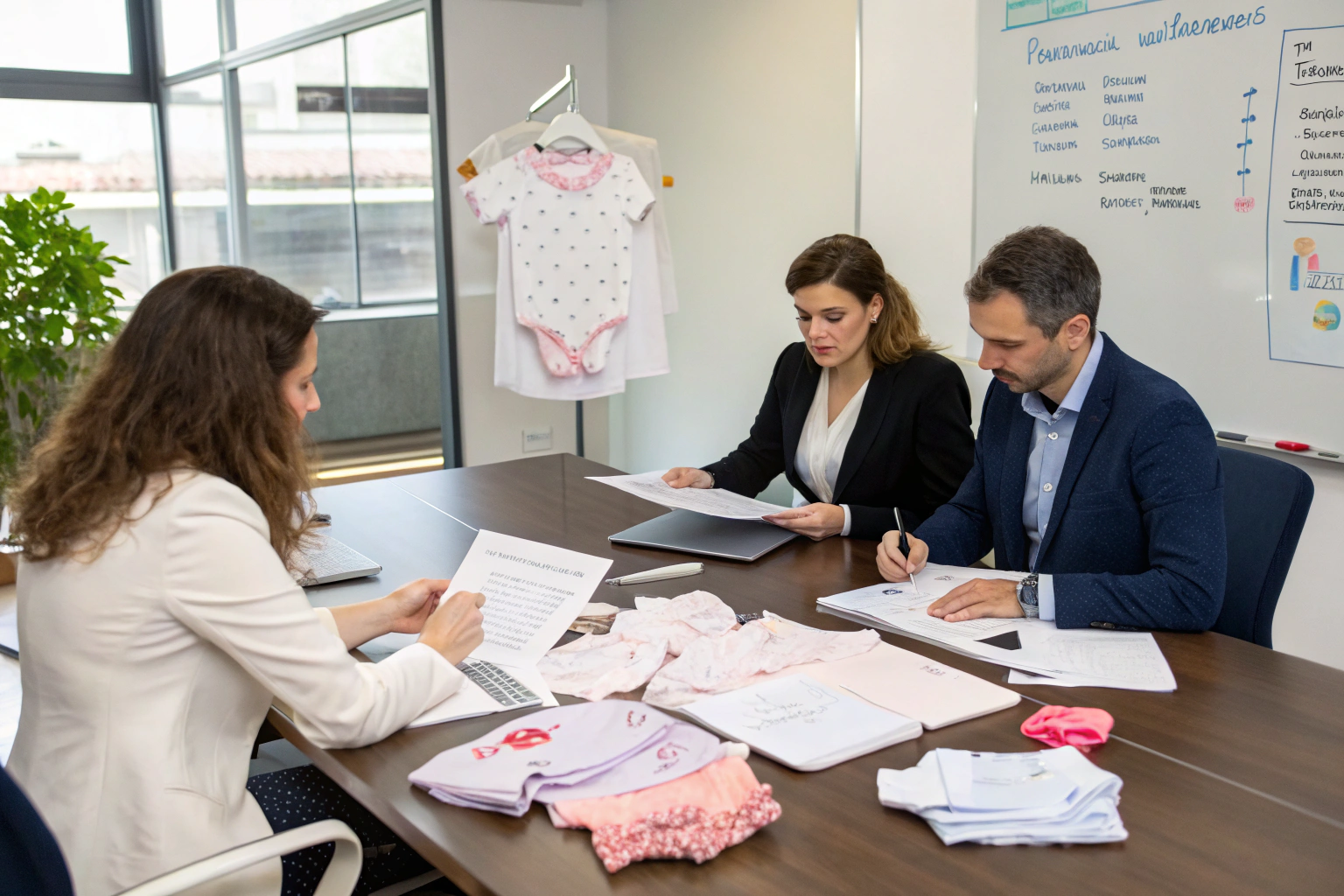
A solid sourcing agreement should explicitly state the required certifications (e.g., GOTS, Fair Trade), quality standards, delivery schedules, and protocols for quality control inspections. It should also outline the process for handling delays or quality issues. Including terms about regular social compliance updates or audit sharing can further cement the ethical foundation of your partnership. This clarity protects both your business and the workers in the supply chain.
Conclusion
Sourcing fair-trade certified baby garments is a meticulous but highly rewarding process. It strengthens your brand, ensures product quality, and builds a resilient supply chain. The key is to move beyond superficial claims and partner with a manufacturer that offers verifiable certifications, complete transparency, and a genuine commitment to ethical practices.
By asking the right questions and prioritizing long-term collaboration, you can turn ethical sourcing from a challenge into your brand's greatest strength. This approach not only meets market demand but also contributes to a more sustainable and equitable industry.
If you are ready to partner with a manufacturer who prioritizes ethical production as much as you do, we are here to help. Let's discuss how we can bring your vision for high-quality, fair-trade baby garments to life. Please contact our Business Director, Elaine, at elaine@fumaoclothing.com to start the conversation.