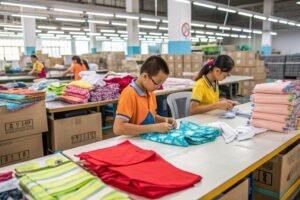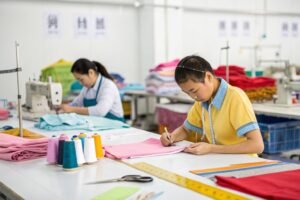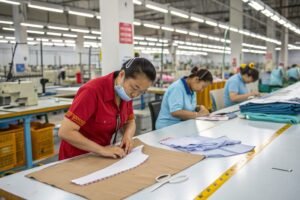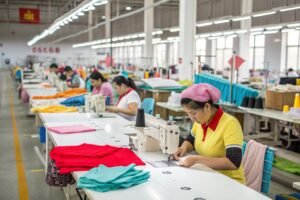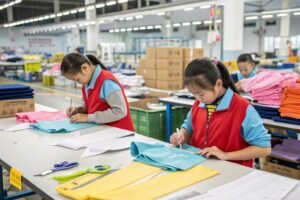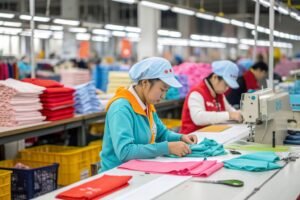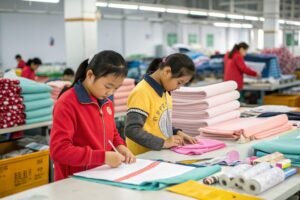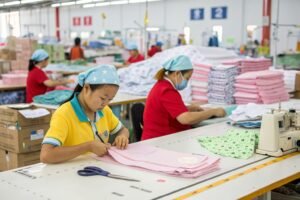
Navigating the world of custom kids wear manufacturing can be daunting. You want high quality, unique designs, and reliable delivery, but the process of finding the right partner, especially overseas, is filled with challenges. How do you ensure your vision is perfectly translated into a product that meets safety standards and resonates with your customers? This guide will walk you through the entire process, turning a complex undertaking into a streamlined and successful partnership.
Sourcing custom kids wear from a Chinese manufacturer involves a clear, step-by-step process: identifying a reliable partner, finalizing your design and quality expectations, navigating the production and logistics cycle, and building a strong, communicative relationship. It’s a strategic partnership that, when done correctly, provides you with competitive pricing, superior quality, and access to extensive manufacturing expertise, ultimately allowing your brand to thrive. Many brands hesitate due to fears about communication barriers and logistical complexities. However, by understanding the key stages involved, you can confidently leverage the immense capabilities of Chinese manufacturing to create a standout children’s apparel collection that boosts your profitability.
The journey to sourcing custom kids wear is a strategic one. It’s more than just finding a factory; it’s about building a relationship with a partner who understands your brand’s soul. We have been in this industry for decades, and we’ve seen how the right manufacturing partnership can transform a brand. Let’s break down this process into manageable steps, so you can move forward with clarity and confidence.
How to find a reliable kids clothing manufacturer in China?
Finding the right manufacturer is the most critical first step. Your choice will impact everything from product quality to on-time delivery. You need a partner who is not just a supplier but an extension of your team. The goal is to find a factory that aligns with your brand’s values, quality standards, and business goals.

What are the best platforms to find manufacturers?
Start your search on established B2B platforms. Alibaba is a giant in this space, hosting thousands of verified suppliers. You can filter for manufacturers (not just traders) who have passed specific assessments. Look for "Gold Suppliers" or those with "Trade Assurance." Another effective method is through industry-specific tradeshows, either virtually or in person. These events allow you to meet suppliers face-to-face and assess their product quality firsthand. Additionally, a targeted Google search using precise terms like "custom kids wear manufacturer China" can lead you to specialized factories with their own professional websites, which often indicates a higher level of operation and direct export experience.
How to verify a manufacturer’s credibility?
Once you have a shortlist, due diligence is key. First, always ask for a business license and relevant quality certifications. For children’s wear, this includes Oeko-Tex Standard 100 or CPSIA compliance. Second, request a factory audit report or conduct a virtual factory tour to see their production lines and working conditions. Third, ask for references from their current clients in North America or Europe. Finally, start with a small trial order. This low-risk step allows you to evaluate their product quality, communication efficiency, and adherence to deadlines before committing to a large volume. A trustworthy manufacturer will be transparent and willing to provide all this information.
What should you know about quality control and certifications?
Quality is non-negotiable in children’s wear. It’s about safety, durability, and brand reputation. Understanding the benchmarks for quality and the required certifications will protect your business and give your customers peace of mind. This knowledge empowers you to set clear expectations with your manufacturer from the outset.

Which certifications are essential for US and EU markets?
For the US market, compliance with the Consumer Product Safety Improvement Act (CPSIA) is mandatory. This regulates lead content and phthalates, and requires tracking labels. For the EU, the CE mark and compliance with the REACH regulation concerning chemicals are crucial. Beyond these legal requirements, voluntary certifications like Oeko-Tex Standard 100 are highly respected. This certification tests for harmful substances at every stage of production, ensuring the fabric is safe for human ecology. Insisting on these certifications is your first line of defense against substandard products and potential legal issues.
How to set up a foolproof quality control process?
A proactive quality control (QC) process involves three key stages. First, define your standards in a detailed tech pack, including fabric specifications, color tolerances, and stitching details. Second, conduct pre-production checks on raw materials and during-production checks (DUPRO) on initial production batches. This allows for corrections before mass production begins. Finally, perform a final random inspection (AQL) before shipment. The Acceptable Quality Limit (AQL) is a statistical sampling method that determines the number of units to inspect. For children’s wear, a strict AQL level is recommended. You can hire a third-party inspection company or rely on your manufacturer’s in-house QC team, but always review their detailed inspection reports.
How to manage logistics and ensure on-time delivery?
Logistical delays can cause you to miss crucial selling seasons, directly impacting your profitability. A clear understanding of shipping options, incoterms, and the overall supply chain timeline is essential for planning and setting realistic expectations for your retail operations.

What are the best shipping methods for your order?
The best method depends on your order size, budget, and timeline. For samples and very small orders, express couriers like DHL or FedEx are fastest. For larger volumes, sea freight is the most cost-effective option, though it takes longer. Air freight is a middle ground—faster than sea but more expensive. We often recommend DDP (Delivered Duty Paid) services to our clients. Under DDP, we handle all the logistics, including shipping, insurance, and most importantly, the payment of import duties and taxes. This provides you with a hassle-free experience and a clear final cost, with no surprise fees upon arrival in your country.
How can you prevent shipping delays?
Prevention is a joint effort between you and your manufacturer. On our end, we maintain a buffer in our production schedule and have long-standing relationships with reliable freight forwarders. On your end, providing clear and timely approvals for prototypes, lab dips, and pre-production samples is critical. Any delay in feedback can ripple through the entire timeline. Furthermore, book your shipping space as early as possible, especially during peak seasons. Consistent and clear communication throughout the process allows both parties to anticipate and mitigate potential bottlenecks, ensuring your goods arrive in time for your selling season.
Why is effective communication with your supplier vital?
Inefficient communication is a major pain point that leads to mistakes, delays, and frustration. A supplier whose sales team is responsive, technically knowledgeable, and fluent in your language is invaluable. They act as the bridge between your vision and the final product, ensuring nothing is lost in translation.

How to streamline communication for better efficiency?
Establish a single point of contact, like a dedicated account manager, from the beginning. This prevents messages from getting lost among different departments. Utilize collaborative tools like email for formal communication and WeChat or WhatsApp for quick, informal updates and photo sharing. Most importantly, insist on regular update schedules. We provide our clients with weekly production status reports, which include photos and videos from the production floor. This transparency builds trust and keeps you informed without you having to constantly chase for information. Setting clear agendas for meetings and summarizing action points afterward also ensures everyone is aligned.
What technical details should you always provide?
To get an accurate quote and prevent costly revisions, your tech pack is your most important tool. It should include: detailed garment sketches, a bill of materials (BOM), size specifications with clear measurements for each size, fabric composition and weight, color Pantone codes, label and packaging artwork, and instructions for placement printing. The more detailed your tech pack, the fewer questions we will have, and the higher the likelihood that the first sample will meet your expectations. Don’t assume the factory knows standard practices; spell out every detail, from stitch type to the specific placement of your logo.
Conclusion
Sourcing custom kids wear from a Chinese manufacturer is a detailed but highly rewarding process. It unlocks access to exceptional quality, competitive pricing, and vast production expertise. The key lies in choosing a reliable partner, being clear about your quality and certification requirements, understanding the logistics landscape, and fostering open, efficient communication. By mastering these steps, you transform a complex supply chain into a strategic asset for your brand.
We at Fumao Clothing have been the trusted partner for numerous American and European children’s wear brands, helping them navigate this exact journey successfully. We offer end-to-end services from design to delivery, ensuring a seamless and stress-free experience. If you are ready to produce your own high-quality, custom kids wear line, we would be delighted to discuss your project. Please contact our Business Director, Elaine, at elaine@fumaoclothing.com to start the conversation.