
As a children's clothing manufacturer, I often hear from brand owners like Ron who are frustrated. They struggle to find suppliers who can deliver high-tech kidswear on time. Sourcing innovative garments, especially activity-reporting ones, presents unique challenges. It goes beyond simple fabric and thread. You need a partner who understands smart textiles, data integration, and stringent safety standards for children.
Sourcing activity-reporting kidswear requires a supplier with expertise in integrating smart technology into children's apparel, a robust supply chain for reliable production, and a deep commitment to international safety certifications. The key is finding a factory that can merge fashion with function, ensuring the clothing is not only interactive but also comfortable, safe, and durable for everyday wear. This process can seem complex, but with the right manufacturing partner, it becomes a streamlined and profitable venture.
Let's break down the critical steps to successfully source this innovative children's product line.
What is activity-reporting kidswear and its benefits?
The children's wear market is evolving rapidly. Parents and brands are now looking for more than just cute designs. They want value, functionality, and insights. Activity-reporting kidswear meets this demand by combining traditional clothing with technology. This fusion creates a new category of smart apparel for the younger generation.
Activity-reporting kidswear is clothing embedded with small, washable sensors and electronics. These garments track a child's physical movements, playtime intensity, and sometimes even sleep patterns. The data is then sent to a paired smartphone app. This gives parents and caregivers valuable insights into their child's daily activities and well-being. It's a significant leap from basic clothing to interactive wellness tools.

What technologies are used in smart children's clothing?
The core technology involves miniature accelerometers and gyroscopes sewn into the fabric. These sensors are the same types used in smartphones and fitness trackers. They measure motion and orientation. The data from these sensors is processed by a tiny microchip within the clothing. For connectivity, most kids' activity trackers use low-energy Bluetooth to sync with an app. The power comes from small, flexible, and safe batteries designed to withstand rough play. A critical aspect is the textile technology that protects these components. Conductive threads and specialized encapsulation protect the electronics from moisture and physical impact, making the garments machine-washable.
How can brands profit from this growing trend?
This niche market offers substantial profit margins. Brands can position themselves at the forefront of innovation. By offering smart clothing, you tap into the growing parental concern for children's health and wellness. You are not just selling a garment; you are selling peace of mind and valuable data. This allows for a higher price point compared to standard clothing. Furthermore, partnering with a manufacturer experienced in DDP shipping terms simplifies the process for you. It ensures all logistics, duties, and taxes are handled, providing a hassle-free experience from our factory to your warehouse, maximizing your profitability.
How to verify quality and safety in smart kidswear?
For buyers like Ron, quality control is a major pain point. This is especially true for tech-infused clothing. You cannot afford to compromise on safety or durability. A faulty product can lead to returns, damaged reputation, and even safety hazards. Ensuring quality requires a systematic approach from your supplier, focusing on both the physical garment and its electronic components.
Verifying quality starts with demanding transparency. A reliable manufacturer will have a multi-stage inspection process. This process checks fabric integrity, seam strength, and the resilience of the integrated electronics. The goal is to ensure the clothing can survive a child's active lifestyle. Safety is non-negotiable. Every component, from the fabric to the battery, must comply with international children's product safety standards.

What certifications should you look for?
Always ask for proof of certification. For the US market, the Consumer Product Safety Commission (CPSC) guidelines are mandatory. Look for suppliers whose products are certified by third-party labs for CPSC compliance. For electronics, FCC certification is crucial. For the European market, the CE mark is essential. Specifically, for children's products, your supplier should adhere to the OEKO-TEX Standard 100. This certification guarantees that the textiles are free from harmful substances. At our factory, we provide all these certificates openly to our clients, ensuring complete peace of mind.
What does a robust quality control process involve?
A robust QC process is proactive, not reactive. It begins with pre-production checks on all raw materials. During production, inline inspections check stitching and component placement. The final random inspection is the most critical. Here is a simplified version of our inspection checklist:
| Production Stage | Key Checkpoints |
|---|---|
| Pre-Production | Fabric testing, electronic component function, safety certification verification |
| In-Line QC | Seam strength, sensor placement accuracy, assembly quality |
| Final Random Inspection | Overall garment function, data sync test, washability test, packaging |
This structured process, combined with clear communication, directly addresses the pain point of inefficient supplier reps and ensures you receive a consistently high-quality product.
How to manage production and avoid shipping delays?
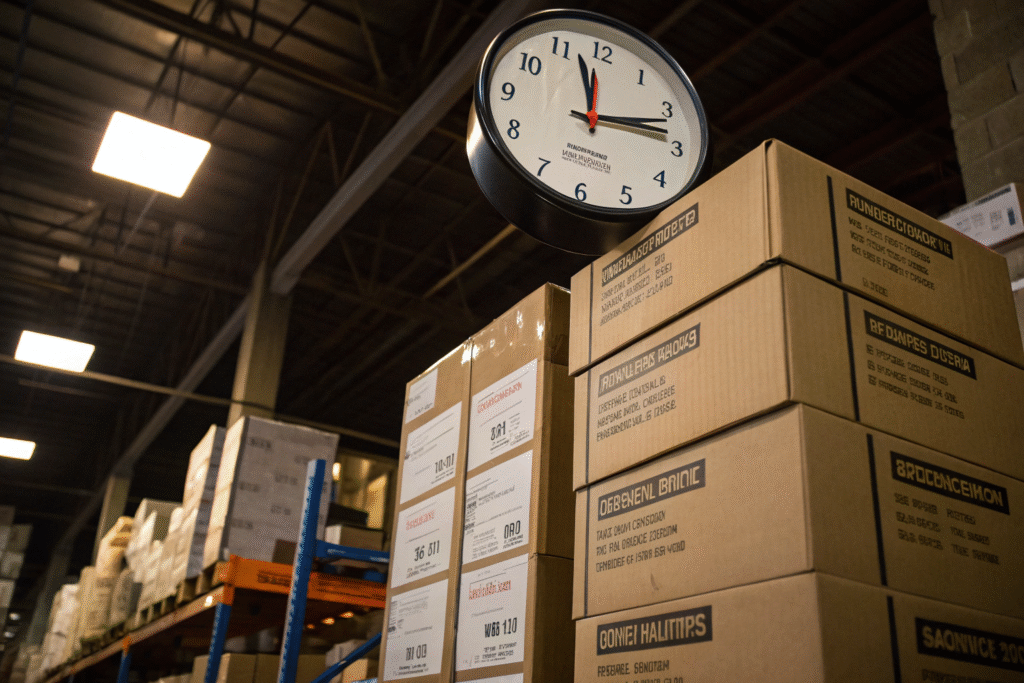
Delayed shipments are a nightmare for any brand owner. Missing a selling season can cripple your profitability. In the complex world of producing smart kidswear, managing the production timeline and logistics is as important as the product itself. A delayed shipment often points to a deeper issue within the supplier's project management and supply chain.
Avoiding delays requires a supplier with a transparent and optimized production system. This means they have control over their own production lines and a reliable network of sub-suppliers for components like sensors and chips. The key is visibility. You should have a clear view of each production stage, from fabric cutting to final packaging. This level of transparency allows for proactive problem-solving.
What questions should you ask about the production timeline?
You must ask specific questions. How many production lines are dedicated to smart wear? What is the average lead time from order confirmation to shipment? A factory with multiple lines, like our setup with five dedicated lines, offers better capacity and flexibility. Inquire about their policy on raw material stocking. This helps prevent delays caused by shortages. Crucially, ask how they manage quality control without bottlenecking the production flow. The answer will reveal their operational efficiency.
How can DDP shipping terms simplify your logistics?
Choosing a supplier who offers Delivered Duty Paid (DDP) is a game-changer. Under DDP, the supplier (us) handles all the logistics, including shipping, insurance, and most importantly, import duties and taxes. This means you know the total landed cost upfront, with no surprise fees. It simplifies your accounting and reduces your administrative burden. We manage the entire journey, ensuring your goods move smoothly from our factory to your designated port. This end-to-end control is one of the most effective ways to prevent the delays and hassles that come with complex international shipping.
How to choose the right manufacturer for smart kidswear?
The final and most critical step is selecting your manufacturing partner. This decision will impact your product quality, brand reputation, and bottom line. The wrong partner can lead to all the pain points Ron experiences: poor communication, delayed shipments, and quality issues. The right partner becomes an extension of your team, driving your success.
Choosing the right manufacturer is not just about finding the lowest price. It's about finding a partner with proven experience in your specific niche—activity-reporting children's wear. You need a factory that understands the technical requirements, possesses the necessary certifications, and has a track record of on-time delivery for Western brands. Their business model should align with yours, offering the customization and B2B wholesale services you need.

Why is a factory visit or virtual tour important?
Nothing builds trust like seeing the operation firsthand. A factory visit allows you to verify their capabilities, inspect their quality control processes, and gauge their professionalism. If a physical visit isn't possible, insist on a detailed virtual tour. This allows you to see their production lines, working conditions, and quality assurance labs. During this tour, you can ask to see how they handle the integration of smart technology into the garments. This step helps mitigate the risk of suppliers who might overstate their capabilities.
What should a reliable partnership communication look like?
Efficient communication is the antidote to frustration. A reliable partner will assign a dedicated point of contact, like a Business Director, not just a generic sales rep who may lack decision-making power. This person should understand your business needs and provide timely, clear updates. They should be proactive in communicating potential issues and solutions. At our company, for instance, clients work directly with experts like our Business Director, Elaine. This ensures that communication is swift, decisions are made quickly, and your project moves forward without the typical delays caused by inefficient communication channels.
Conclusion
Sourcing activity-reporting kidswear successfully hinges on a strategic partnership with a capable and reliable manufacturer. It requires a clear understanding of the technology, an unwavering commitment to quality and safety, meticulous management of production and logistics, and, most importantly, choosing a supplier who acts as a true partner in your success. By focusing on these key areas, you can navigate the complexities of this innovative product category and build a strong, profitable brand.
If you are looking for a dependable partner to bring your high-quality, activity-reporting children's wear line to life, we are here to help. With decades of experience, rigorous quality control, and a commitment to on-time delivery, we empower brands to thrive. For a direct conversation about your manufacturing needs, please contact our Business Director, Elaine, at elaine@fumaoclothing.com. Let's build something great together.