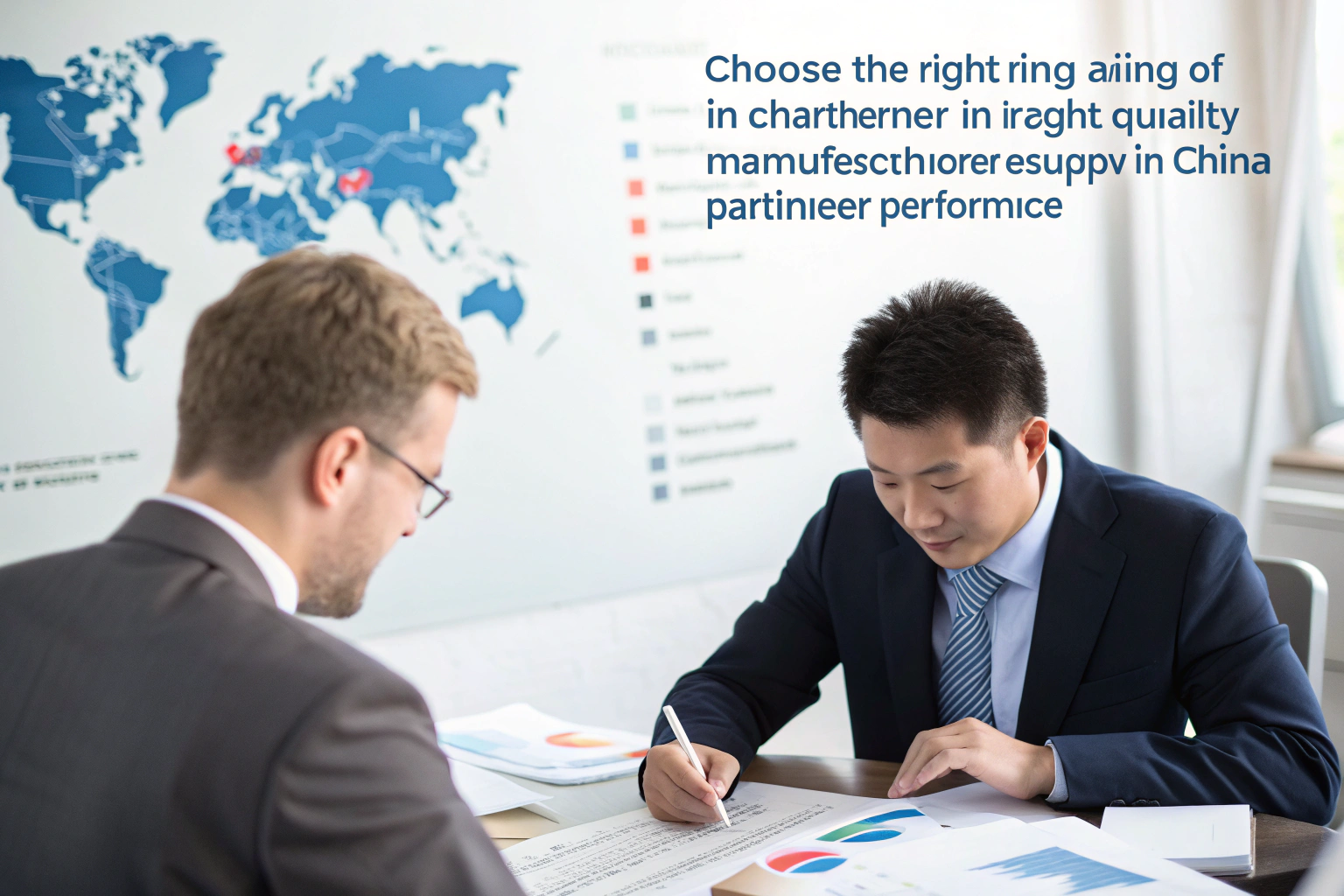
Finding a reliable children's garment factory in China can feel overwhelming. You need a partner who delivers on quality, time, and value. Your brand's reputation depends on this critical choice. This guide will walk you through the key steps to make a confident decision.
Choosing the right manufacturing partner in China is a strategic decision that impacts your brand's quality, supply chain reliability, and bottom line. A thorough vetting process is your best defense against delays, quality issues, and communication breakdowns.
The process requires due diligence. You must look beyond the initial price quote. A true partner understands your market's standards and shares your commitment to excellence. Let's explore the essential factors that separate the best factories from the rest.
How to verify factory quality and certifications?
You want to be sure your products are safe and durable. Checking a factory's quality controls and certifications is the first step to ensure this. This process protects your brand from costly recalls and reputational damage.
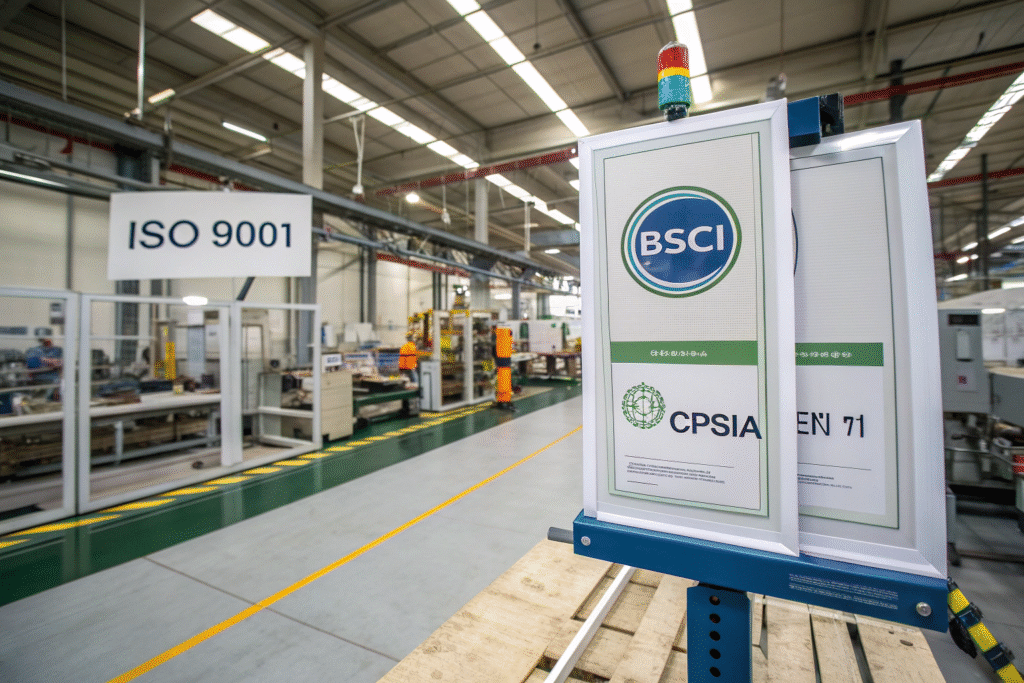
A factory's commitment to quality is proven by its international certifications. Look for valid certificates like ISO 9001 for quality management systems and BSCI for social compliance. For children's wear, specific safety standards are non-negotiable. These include CPSIA for the US market and EN 71 for Europe. These standards ensure the products are free from harmful substances and have safe physical construction. Always ask for recent test reports from third-party labs.
What certifications are essential for US and EU markets?
For the US market, the Consumer Product Safety Improvement Act (CPSIA) is fundamental. It sets strict limits on lead and phthalates content. You should also look for a factory that follows the ASTM F963 standard for toy safety, which often applies to clothing with decorative elements. For the European Union, the EN 71 standard is key. Furthermore, the OEKO-TEX Standard 100 certification is a major plus. It certifies that every component of the textile, from fabric to thread, has been tested for harmful substances. A factory holding these certifications demonstrates a proactive approach to global safety standards.
How can you assess a factory's quality control process?
Asking the right questions is crucial. Inquire about their In-Line and Final Random Inspection procedures. A professional factory will have a dedicated quality control team that operates separately from production. They should provide detailed Quality Inspection Reports. You can also request a virtual factory tour to see their processes in real-time. Another effective method is to check their history with organizations like the International Association of Textile Manufacturers. This can provide independent verification of their manufacturing integrity and commitment to consistent quality.
What are the key factors in communication and logistics?
Clear communication and dependable logistics are the backbones of a successful supply chain. Inefficient communication leads to errors, while poor logistics causes missed deadlines. You need a partner who excels in both.
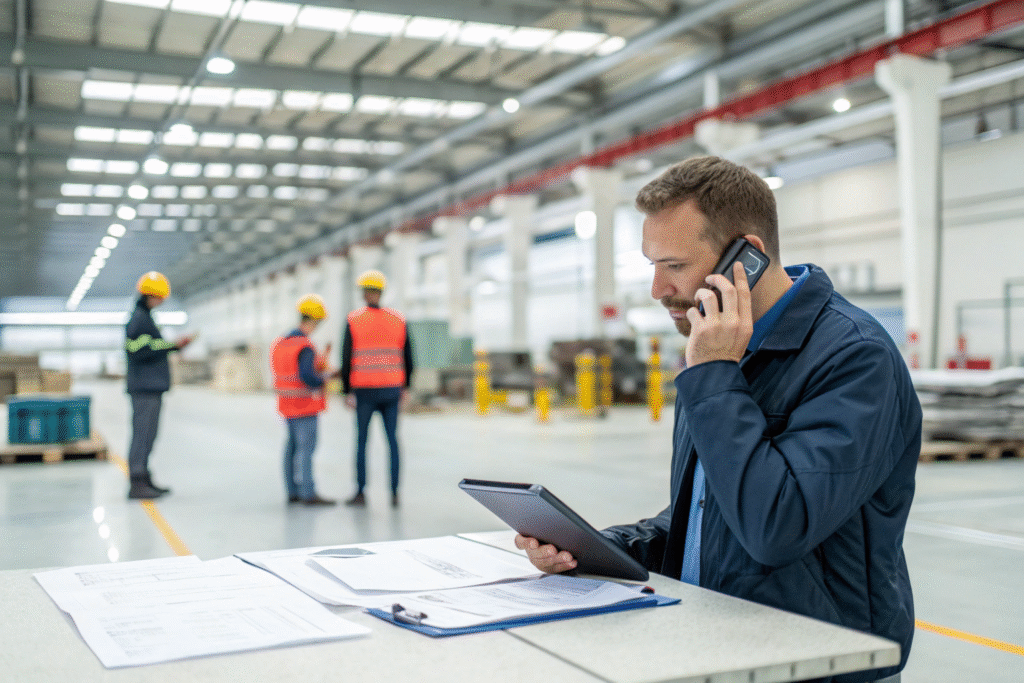
Effective communication means you can easily reach your point of contact. The best factories assign a dedicated project manager who speaks fluent English and understands your business culture. This person coordinates between your team and the factory floor, providing regular updates. They should use clear project management tools and be responsive across different time zones. This transparency builds trust and ensures everyone is aligned from design to delivery.
Why is a dedicated project manager important?
A dedicated project manager acts as your single point of contact. This eliminates the confusion of dealing with multiple sales reps. They have a deep understanding of your order specifics and can provide immediate answers. This role is crucial for navigating the complexities of international trade. They manage timelines, clarify technical details, and solve problems before they escalate. This streamlined communication is vital for maintaining production efficiency and ensuring your vision is accurately translated into the final product.
What logistics options ensure on-time delivery?
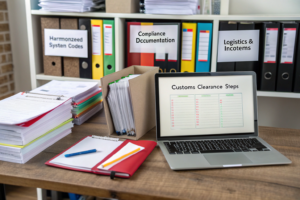
A reliable factory offers flexible and secure logistics solutions. You should look for a partner experienced in Incoterms like DDP (Delivered Duty Paid). With DDP, the factory handles all logistics, including shipping, insurance, and import duties, delivering the goods directly to your warehouse. This simplifies the process for you and reduces risk. Furthermore, factories with strong relationships with global freight forwarders can secure better rates and ensure timely shipment, even during peak seasons. This integrated approach to supply chain management is a hallmark of a professional manufacturer.
How to evaluate manufacturing experience and capacity?
A factory's experience and capacity directly impact its ability to deliver your order. You need to know if they have the right expertise in children's wear and the physical capability to handle your volume.
Reviewing a factory's portfolio is a great starting point. Look for long-term clients in your target market, especially in North America and Europe. This shows they understand the quality and safety standards required. Don't just look at pictures; ask for case studies or client references. A factory with a proven track record of serving established brands is a safer bet. They are more likely to have robust systems in place for quality control and on-time delivery.

Why is specialized kids wear expertise critical?
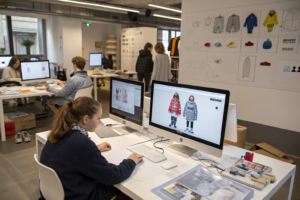
Children's clothing has unique requirements. It demands softer fabrics, safer construction, and stricter compliance. A factory specializing in kids' wear, like ours with five dedicated production lines, understands these nuances. They know how to source the right materials and implement construction techniques that enhance comfort and durability. Their expertise in knitted garments and baby apparel means they are familiar with the specific machinery and skilled labor needed to produce high-quality items that meet international standards.
What production capacity do you need for your order?
You must match your order volume with the factory's capacity. A factory that is too small may struggle with large orders, leading to delays. A factory that is too large might deprioritize your order. Ask about their number of production lines and average output per month. For instance, our factory operates five production lines, allowing us to handle substantial volumes without compromising on quality or timing. Discussing their current order book can also give you insight into their ability to meet your deadlines.
| Feature | Small Factory | Large Factory (e.g., Fumao with 5 lines) |
|---|---|---|
| Order Flexibility | High for small runs | High for medium to large runs |
| Specialization | Often niche | Broad, with dedicated kids' wear lines |
| Scalability | Limited | High, can handle growing order volumes |
| Communication | Direct, often with owner | Structured, with a dedicated manager |
| Supply Chain Stability | Can be volatile | Robust, with established material sources |
What should you know about pricing and payment terms?
Understanding the full cost structure and payment terms is vital for your budgeting and risk management. The lowest price is not always the best value if it compromises quality or reliability.
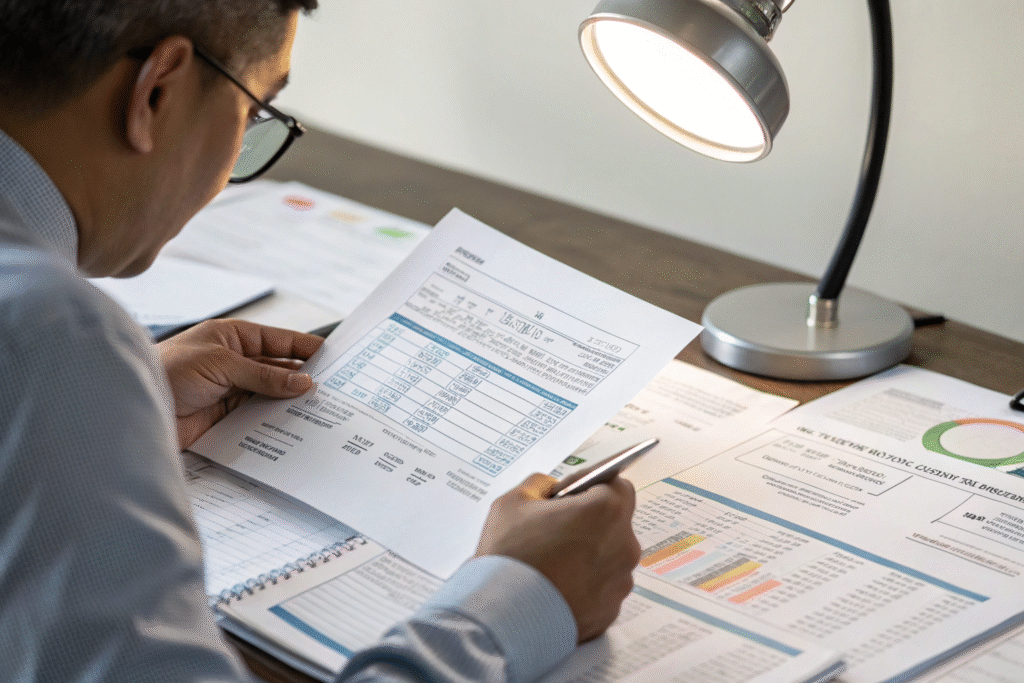
A transparent factory provides a detailed cost breakdown. This should include material costs, labor, overhead, and any additional fees for certifications or logistics. Be wary of quotes that seem too good to be true. They often cut corners on material quality or worker treatment, which can lead to problems later. Competitive pricing comes from efficiency and scale, not from compromising on essential inputs. Discussing payment terms like a 30% deposit with the balance paid before shipment is standard and helps protect both parties.
How to understand a factory's cost breakdown?
Ask for an itemized quotation. This document should list all components: fabric type, accessories, trims, labor for cutting and sewing, and costs for quality testing. A professional factory will be open about these details. This transparency allows you to see exactly what you are paying for and make informed decisions. For example, opting for a higher-quality, certified cotton will cost more but results in a superior product that justifies a higher retail price for your brand.
What are secure and flexible payment methods?
Secure payment methods protect your capital. Common practices include a bank transfer (T/T) with a 30% deposit to initiate production and 70% balance against the copy of the Bill of Lading. For new partnerships, using a letter of credit (L/C) or escrow services through platforms like Alibaba Trade Assurance can provide an additional layer of security. These methods ensure that payment is only released once you have proof that your order has been shipped as agreed.
Conclusion
Selecting a reliable children's garment factory in China is a multi-faceted process. It requires verifying certifications, assessing communication and logistics, evaluating experience and capacity, and understanding pricing. By taking these steps, you can build a strong, profitable partnership. A trustworthy manufacturer becomes an extension of your brand, ensuring quality and reliability from the production line to your customers.
We hope this guide empowers you to find the perfect manufacturing partner. If you are looking for a factory that combines decades of experience in children's fashion with a steadfast commitment to quality and on-time delivery, we invite you to contact us. Let's discuss how we can help bring your next collection to life. For a personalized discussion on your production needs, please reach out to our Business Director, Elaine, at elaine@fumaoclothing.com.