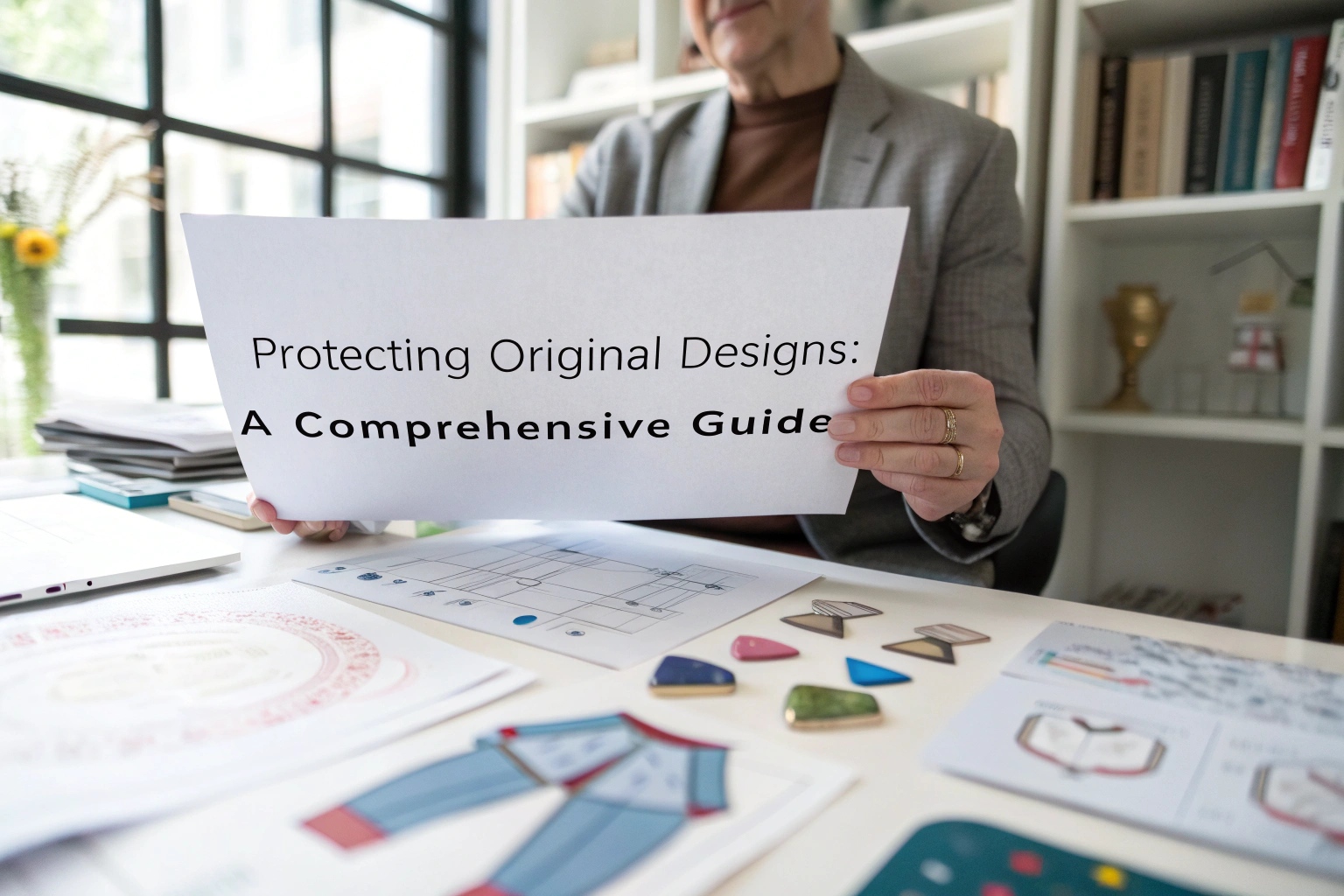
As a children's clothing manufacturer, I regularly witness brands confronting design infringement challenges. These violations directly impact revenue streams and dilute brand distinctiveness. In today's competitive landscape, safeguarding original designs has become a critical business imperative. This comprehensive guide outlines actionable strategies to secure your creative assets.
Optimal design protection requires a multifaceted approach combining intellectual property mechanisms with strategic manufacturing partnerships that emphasize confidentiality and supply chain control. This layered defense system creates significant barriers for potential infringers. Many brands mistakenly rely on singular solutions, whereas comprehensive protection demands integrated strategies. Let's examine how to construct a robust defense framework for your designs.
What Legal Frameworks Protect Fashion Designs?
Establishing a solid legal foundation is paramount for design protection. Intellectual property laws provide your primary defensive mechanism against infringement, granting enforceable rights when violations occur.

How Does Copyright Law Apply to Apparel Designs?
Copyright protection automatically vests upon fixation of original creative works in tangible mediums. For children's apparel, this encompasses unique graphic elements, textile patterns, and surface decorations. Distinctive illustrations or prints qualify for copyright protection without formal registration. However, registering with the U.S. Copyright Office substantially enhances protection. Registration establishes prima facie evidence of ownership and is prerequisite for infringement litigation. This represents a cost-efficient initial step for preserving artistic design components.
What Trademark Protection Mechanisms Are Available?
While copyright safeguards specific designs, trademark law protects brand identifiers. This includes brand nomenclature, logos, and potentially distinctive trade dress. Federal registration through the United States Patent and Trademark Office (USPTO) prevents confusingly similar marks in commerce. Unique branding elements on labels or tags can acquire trademark protection, fostering brand equity and consumer loyalty. This legal framework provides substantial recourse against counterfeit operations and brand impersonators.
How Does Manufacturing Partner Selection Impact IP Security?
Your manufacturing partnership decision critically influences design security. The appropriate production facility serves as a custodian for your intellectual property, implementing systematic protections throughout the production lifecycle.
Why Are Contractual Safeguards Essential?
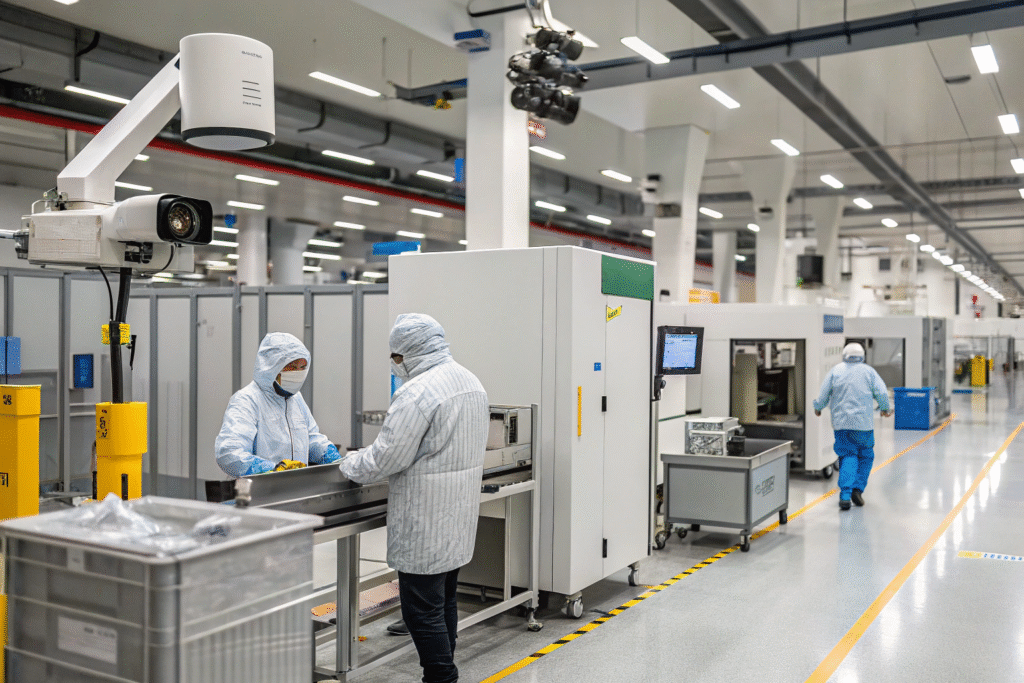
Comprehensive manufacturing agreements containing robust Non-Disclosure Agreements (NDAs) and confidentiality provisions are non-negotiable. These legally binding instruments explicitly prohibit design replication, dissemination, or unauthorized utilization. At Fumao Clothing, we implement such contractual protections with all partners. These agreements establish clear parameters and delineate remedies for breaches. Absent formal contracts, recourse against design misappropriation becomes substantially limited. Always execute these agreements prior to design disclosure.
What Constitutes Effective Factory Due Diligence?
Manufacturer selection based solely on pricing considerations creates vulnerability. Comprehensive operational vetting is essential. Prioritize facilities demonstrating structured client project management systems and secure design file protocols. Directly interrogate their intellectual property protection procedures. Reputable manufacturers maintain segregated production lines and implement data security measures. Third-party verification through platforms like Alibaba or independent audit services provides additional assurance. Operational transparency typically indicates higher reliability.
| Due Diligence Factor | Protection Significance | Verification Protocol |
|---|---|---|
| NDA Compliance | Creates legal confidentiality obligations | "Do you execute client-specific NDAs?" |
| Physical Access Controls | Prevents unauthorized sample exposure | "What access restrictions govern production areas?" |
| Digital Asset Management | Secures technical specifications and designs | "How are tech packs and digital files protected?" |
How Does Supply Chain Control Mitigate Infringement Risks?
Enhanced supply chain control directly correlates with reduced design exposure. Vulnerability points exist across the production spectrum, from raw material procurement to final distribution. Vertically integrated manufacturing consolidates these touchpoints.
What Advantages Does Vertical Integration Provide?
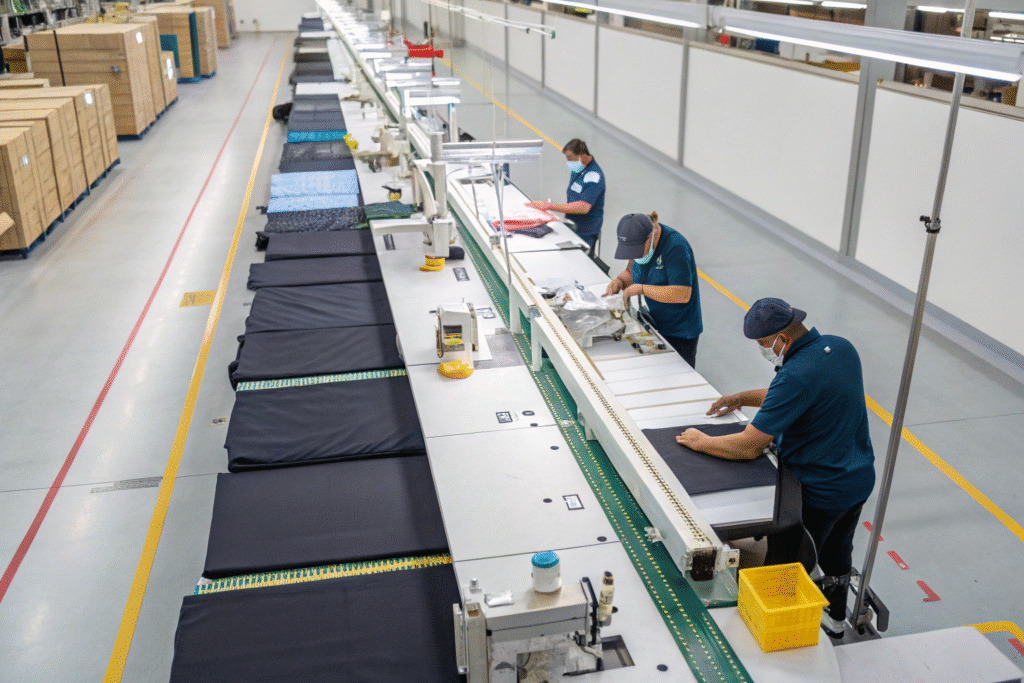
Vertically integrated manufacturers control multiple production stages within unified operations. This consolidation significantly reduces external party exposure to proprietary designs. Our manufacturing ecosystem manages fabric sourcing, textile production, printing applications, and garment assembly internally. This integrated approach minimizes exposure points and establishes accountable, transparent production cycles. Reduced external collaboration directly correlates with diminished design appropriation risks.
How Do DDP Terms Enhance Security?
Implementing Delivered Duty Paid (DDP) Incoterms extends manufacturer accountability throughout the logistics continuum. Under DDP arrangements, the manufacturer assumes responsibility for comprehensive logistics management, including international shipping and customs compliance. This eliminates dependency on potentially unreliable third-party logistics providers who might mishandle shipments. Season-sensitive delivery failures represent critical business risks that DDP arrangements effectively mitigate. Our controlled logistics ensure secure design transit from production facility to destination.
What Design Strategies Deter Imitation?
Incorporating inherent replication barriers into product development creates powerful defensive positioning. Strategic complexity and distinctiveness establish natural impediments that discourage potential imitators.
Why Invest in Proprietary Textile Development?
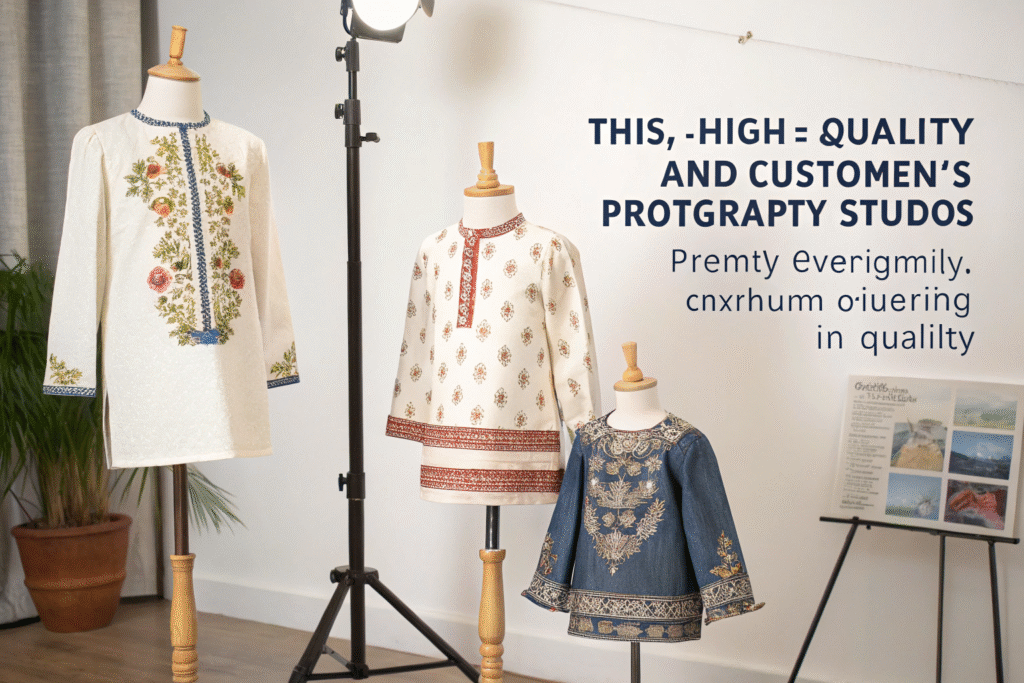
Exclusive fabric development creates substantial replication barriers. While commodity garments face easy imitation, products incorporating proprietary knit constructions or custom-developed textiles present significant duplication challenges. Exclusive textile development requires substantial technical investment and specialized expertise that typically exceeds imitator capabilities. We collaborate with clients to engineer distinctive textiles that become signature brand elements. This approach simultaneously enhances product differentiation and creates technical duplication hurdles.
How Does Brand Equity Function as Protection?
Comprehensive brand development transcends logo creation to encompass complete consumer experience delivery. Established brand loyalty diminishes consumer susceptibility to imitation products, regardless of price advantages. Cultivate brand identity around distinctive fit specifications, unique construction details, or coherent design philosophies. Strategic marketing should emphasize proprietary brand attributes. While imitators can replicate physical products, they cannot appropriate established consumer trust and brand relationships. This emotional connection constitutes the ultimate long-term defensive strategy.
Conclusion
Effective design protection necessitates sophisticated, multi-layered strategic implementation. Successful frameworks integrate intellectual property instruments with meticulous manufacturing partner selection, supply chain control, and distinctive brand development. Singular solutions prove insufficient, whereas comprehensive approaches significantly reduce vulnerability while building sustainable business infrastructure.
Your designs represent valuable business assets warranting maximum protection. We comprehend the operational challenges, from supply chain disruptions to communication inefficiencies. At Fumao Clothing, we integrate security and reliability into partnership fundamentals. Our offerings include confidential manufacturing with enforceable contracts, vertical integration, and comprehensive DDP logistics management. For brands seeking dependable production partnerships to securely commercialize distinctive designs, we invite consultation with our Business Director, Elaine, regarding your production requirements. Contact elaine@fumaoclothing.com.