
As a parent or a children's wear brand buyer, nothing is more frustrating than seeing a beautiful, new knit baby garment snag after just a few wears. It feels like a waste of money and can be a significant quality concern for your customers. At Fumao Clothing, with our decades of experience manufacturing premium knitwear for leading American and European brands, we understand this pain point intimately. This article will delve into the root causes of snagging and provide actionable, expert-backed strategies to prevent it, ensuring the baby clothes you source or sell remain pristine and durable.
The key to preventing snags lies in a holistic approach that combines intelligent fiber selection, advanced knitting techniques, stringent quality control during production, and clear care instructions for the end-consumer. It's not just about one magic solution but about building quality into every step of the process, from the drawing board to the baby's wardrobe. By understanding the science and craftsmanship behind durable knitwear, you can make informed decisions that protect your brand's reputation and deliver superior value to your customers.
Let's explore the specific measures you can take to ensure the knit baby clothes you are involved with are built to last, maintaining their beauty and integrity through countless washes and wears.
What causes snagging in knit baby clothes?
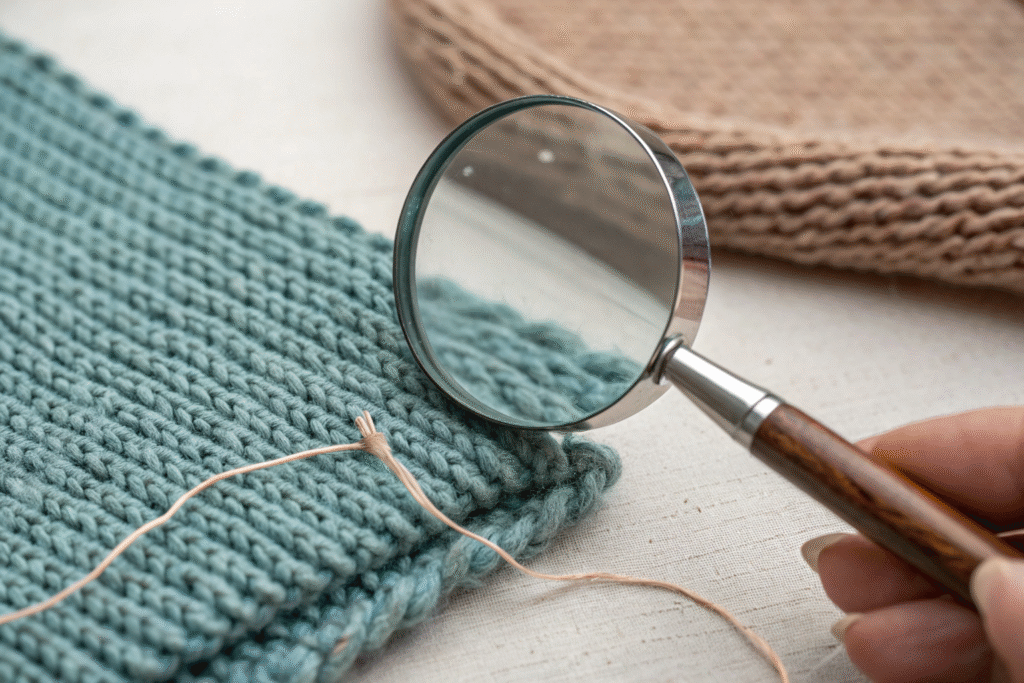
You've likely seen it: a tiny loop of thread pulled away from the smooth surface of a knit fabric. This snag is often the first step towards a hole or a run. Understanding the enemy is the first step to defeating it. Snagging occurs when a loose thread on the surface of the fabric catches on a sharp or rough object. However, the fabric's susceptibility to snagging is determined long before it reaches the child.
The primary culprits are the type of yarn used, the fabric's construction, and the presence of weak spots in the knitting process. Fabrics made from smooth, filament yarns or those with a very loose knit structure are inherently more prone to snags. Furthermore, if the tension during knitting isn't consistent, it creates weak loops that can easily be pulled. As a manufacturer, our goal is to engineer these vulnerabilities out of the garment from the very beginning.
How does yarn choice impact snag resistance?
The choice of yarn is the foundation of a snag-resistant garment. Not all fibers are created equal. At Fumao, we prioritize fibers with a natural resilience and texture. Yarns made from staple fibers, like high-quality combed cotton or soft cotton blends, are composed of many short fibers twisted together. This structure creates a fuzzy surface where the ends of the fibers help to anchor each other, making it harder for a snag to pull a continuous thread. In contrast, filament fibers, like silk or some synthetics, are long, continuous, and smooth, making them much more prone to snags. We often recommend and use premium pima cotton or organic cotton for their superior strength and natural resistance to pulling. Sometimes, the solution is a blend. Adding a small percentage of a strong, synthetic fiber like nylon or polyester to a natural fiber like cotton can significantly increase the tensile strength of the yarn without compromising softness. This reinforced yarn is much less likely to snap when pulled, preventing a small snag from becoming a large tear.
What manufacturing techniques reduce snagging?
Even the best yarn can be compromised by poor manufacturing. Our production lines in China are equipped with state-of-the-art knitting machines and operated by skilled technicians who understand how to build durability into the fabric. The gauge of a knit refers to the number of stitches per inch. A higher, tighter gauge means the loops of yarn are smaller and packed more closely together. This creates a denser, stronger fabric where there is less room for loops to be caught and pulled. While a looser gauge might feel softer initially, it sacrifices long-term durability. We carefully calibrate our machines for an optimal gauge that balances softness with resilience. Inconsistent tension during knitting is a silent killer of quality. It creates weak spots in the fabric where loops are larger or under more stress. These weak loops are the first to snag. Our quality control team uses specialized lighting and inspection tables to check for tension variations throughout the fabric roll, ensuring a uniform and robust material. This commitment to quality control is non-negotiable for preventing defects before they happen.
How to choose snag-resistant knitwear for your brand?
For brand owners like Ron, selecting the right manufacturer is as important as selecting the right design. You need a partner who understands your quality requirements and can translate them into a tangible product. When evaluating knit baby clothes for your brand, look beyond the initial softness and focus on the construction details that promise longevity.
Start with a physical inspection. Gently stretch the fabric in your hands. Does it recover its shape well? Examine the seams; they should be flat and strong, like using serged seams, to prevent irritation and add durability. Ask your supplier specific questions about the yarn composition, knit gauge, and their in-house quality control processes. A reputable factory like Fumao will have clear answers and certifications, such as the Oeko-Tex Standard 100, which verifies the absence of harmful substances and can also imply a higher standard of production overall.

What should you look for on a technical spec sheet?
The technical specification sheet is your blueprint for quality. Don't just file it away; scrutinize it. Key metrics to focus on include fabric weight and yarn count. Often measured in GSM (grams per square meter), this indicates the density of the fabric. A higher GSM generally means a thicker, more durable knit that is less prone to snagging. For everyday baby wear, a GSM between 140-180 is a good benchmark for durability. The yarn count describes the thickness of the yarn. A balanced yarn count relative to the fabric weight indicates a well-engineered product. Your supplier should be able to explain why they chosen a specific count for the intended use of the garment.
| Garment Type | Recommended GSM Range | Key Snag-Resistance Feature |
|---|---|---|
| Lightweight Bodysuits | 120-150 | Tight knit gauge, reinforced seams |
| Everyday Rompers & Sets | 150-180 | Balanced cotton-polyester blend, compact knit |
| Cardigans & Outerwear | 200-250 | Heavier weight, brushed interior for softness |
Why are fabric tests and certifications crucial?
Trust, but verify. Insist on seeing test reports from independent, third-party laboratories. These reports provide objective data on the fabric's performance. Critical tests for snag resistance include the Martindale Abrasion Test and the Tensile Strength Test. The Martindale test measures a fabric's ability to withstand rubbing and wear. A high Martindale score indicates better durability and, by extension, better resistance to surface snagging. The Tensile Strength Test measures the force required to break the fabric. A higher breaking strength means the yarn is less likely to snap if snagged, containing the damage. Providing these reports to your buyers, like Ron, builds trust and demonstrates your commitment to product quality and transparency.
What are the best washing practices to avoid snags?
The battle against snags doesn't end at the factory gate. Proper care is essential, and as a brand, providing clear care instructions is part of your service to the end customer. Even the most well-made knit garment can be damaged by improper washing. Educating consumers helps protect their purchase and reinforces your brand's image for quality.
The golden rules are simple: turn the garment inside out before washing, use a gentle cycle with cold water, and avoid washing with items that have zippers, hooks, or rough textures like towels. Most importantly, air drying is always preferable to machine drying, as the tumbling action of a dryer can cause friction and pulling that leads to snags.
How does machine washing contribute to snagging?
Modern washing machines, while convenient, can be harsh on delicate knits. The agitation during the wash cycle causes clothes to rub against each other. Zippers from other garments, bra hooks, or even the rough surface of denim can act like tiny hooks, catching and pulling the threads of baby knitwear. This is why segregating laundry by fabric type and fastening all closures is a critical step. Using a mesh laundry bag for baby clothes provides an extra layer of protection, creating a physical barrier that minimizes direct contact and friction. This simple practice is a cornerstone of effective clothing care.
Why is heat from dryers a problem?
Heat is the enemy of elasticity and can weaken fibers. When you combine heat with mechanical tumbling, you create a high-risk environment for snags. The high temperature in the dryer can cause synthetic fibers to soften and become more pliable, making them easier to stretch and pull. For natural fibers like cotton, the heat can cause shrinkage, which puts stress on the knit structure and can create weak points. Always recommend air drying flat on a clean towel to maintain the garment's shape and integrity. This simple step significantly extends the life of the clothing and reduces returns and complaints for your brand. Promoting proper laundry techniques is a value-added service you can offer your customers.
Can snagged baby clothes be repaired?
Despite everyone's best efforts, snags can sometimes happen. The good news is that small snags don't have to mean the end of a favorite piece of clothing. For brand owners, understanding simple repair techniques can also inform your design choices, such as avoiding overly complex stitches that are difficult to fix.
For a simple pulled thread, the best tool is often a blunt tapestry needle. Gently working the thread back to the inside of the garment, bit by bit, can make the snag virtually disappear. It's crucial to never cut the snagged thread, as this will create a hole that weakens the surrounding fabric and will inevitably enlarge over time.

What is the best method for repairing a small snag?
A quick and effective repair can save a garment from being discarded. Here is a reliable method: First, turn the garment inside out. This gives you access to the back of the snag. Second, use a blunt needle. A tapestry needle is perfect because it won't puncture the yarn fibers. Third, gently pull the snag. Ease the loop of thread through to the inside of the garment. Finally, distribute the excess. Once on the inside, gently manipulate the fabric around the snag to redistribute the extra thread. A small dot of clear-drying fabric glue on the inside can secure the thread if needed. This process demonstrates the advantage of knitted fabrics; their looped structure allows for some manipulation and repair that is not possible with woven materials. Knowing these clothing repair basics adds value.
When is a garment beyond repair?
There are limits. If the snagged thread has broken, or if the snag has created a hole or a "run" (a line of dropped stitches), repairing it to an "as-new" condition becomes very difficult. In these cases, a decorative patch might be an option, but for baby clothes, where comfort is paramount, patches can be irritating. This reality underscores why prevention through superior manufacturing is the most cost-effective and customer-satisfying strategy in the long run. Partnering with a manufacturer who prioritizes durable clothing production is an investment in customer loyalty and brand integrity. It minimizes the need for damage control after the sale.
Conclusion
Preventing snagging in knit baby clothes is a shared responsibility between the manufacturer and the brand. It requires a proactive approach rooted in intelligent material selection, precision engineering during production, and clear consumer education on care. By focusing on high-quality staple fibers, tight and consistent knit gauges, and rigorous testing, manufacturers like Fumao Clothing can deliver products that stand the test of time. Brands, in turn, can build trust and value by choosing the right manufacturing partner and providing end-consumers with the knowledge to care for their purchases.
Ultimately, snag-resistant clothing leads to happier customers, fewer returns, and a stronger brand reputation. It’s about delivering on the promise of quality that parents and retailers expect.
If you are a brand owner or buyer looking for a reliable partner to produce high-quality, durable knit baby clothes with a focus on minimizing defects like snagging, we invite you to experience the Fumao difference. Our dedicated team understands the needs of the American and European markets. For a consultation on your next order, please contact our Business Director, Elaine, at elaine@fumaoclothing.com. Let's create beautiful, long-lasting children's fashion together.