As a parent, you want the best for your child, and that includes clothing that is truly safe and sustainable. But as a children's wear brand owner, you face a different challenge: how to source genuinely eco-friendly products without falling prey to greenwashing. At Fumao Clothing, with decades of manufacturing for the US market, we've seen the confusion and damage that vague sustainability claims can cause. This guide will provide clear, actionable steps to ensure your brand's eco-kidswear claims are transparent, verifiable, and trustworthy.
For brands navigating the eco-kidswear market, preventing greenwashing hinges on demanding verifiable proof from your manufacturing partner. This includes detailed material traceability, legitimate third-party certifications, and transparent communication about the entire production process, from raw materials to final product.
The term "greenwashing" – making misleading claims about environmental benefits – is a significant risk in the children's fashion industry. Consumers are increasingly savvy, and regulatory bodies are tightening rules. A misstep can severely damage your brand's reputation. However, by building your supply chain on a foundation of transparency and evidence, you can confidently market your products as truly eco-conscious. Let's explore the practical strategies that separate genuine sustainability from empty marketing.
What are the key certifications for authentic eco-kidswear?
When a supplier claims their fabrics are "organic" or "eco-friendly," your first question should be, "Can you show me the certification?" Relying on certificates is your most powerful tool against greenwashing. It moves the conversation from subjective claims to objective, third-party verification.
Certifications provide an independent check on a supplier's sustainability assertions. They verify that specific, rigorous standards have been met throughout the production chain. For brands sourcing from countries like China, these certifications are your guarantee that the materials and processes align with international expectations.

Why should you prioritize GOTS and Oeko-Tex certifications?
For kidswear, two certifications are non-negotiable: the Global Organic Textile Standard (GOTS) and Oeko-Tex Standard 100. GOTS is the leading standard for organic fibers. It doesn't just check the final fabric; it tracks the entire production process, from harvesting to labeling, ensuring strict environmental and social criteria are met. Oeko-Tex Standard 100 tests the final product for harmful substances, guaranteeing that the textile is safe for human skin – a critical factor for children's sensitive skin. Insisting on these certifications from your manufacturer is the first step in building a credible eco-collection.
How can you verify the authenticity of a supplier's certifications?
Simply having a certificate is not enough; it must be valid and applicable to the products you are ordering. Always ask your supplier for the certificate's unique license number and the name of the certified entity. You can then verify this information directly on the certifying body's website, such as the GOTS Public Database or the Oeko-Tex Certification Check. Be wary of suppliers who show you generic certificates that don't match their company name. A reputable manufacturer like Fumao Clothing will proudly provide transparent and verifiable documentation for every claim.
How to assess the true sustainability of your supply chain?
Certifications are a vital starting point, but true sustainability looks at the bigger picture. Preventing greenwashing requires a deep dive into your manufacturer's entire supply chain. This means understanding the origin of raw materials, the environmental impact of production, and the working conditions for employees.
Transparency is the antidote to greenwashing. A supplier that is genuinely committed to sustainability will be open about their processes and partners. They should be able to trace their materials back to the source and provide evidence of their ethical and environmental practices.
What questions should you ask about material traceability?
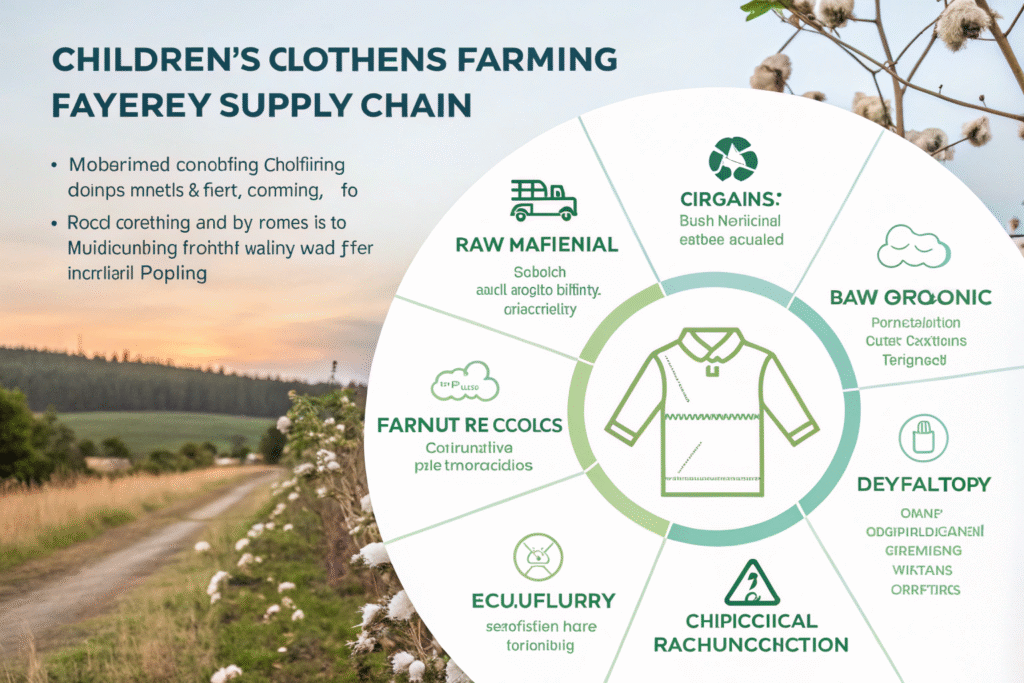
You must go beyond the label "organic cotton." Ask your supplier specific questions: Which farm or cooperative does the cotton come from? What measures are in place to ensure no genetically modified seeds or harmful pesticides are used? A trustworthy manufacturer will have a clear traceability system and documentation, such as Transaction Certificates (TCs) for GOTS materials, which track the organic content from source to final product. This level of detail ensures that your "organic" claim is backed by a verifiable paper trail.
How does manufacturing efficiency contribute to sustainability?
Sustainability isn't just about materials; it's also about resource management. An efficient factory minimizes waste, which is both an economic and environmental benefit. Inquire about your supplier's practices regarding water consumption, energy use, and fabric waste reduction. For example, at our factory, we employ techniques like laser cutting to improve material yield and invest in water treatment systems to recycle dyeing water. These operational details are concrete proof of a commitment to reducing the environmental footprint of production, far surpassing a simple "we are green" claim.
What are the red flags of greenwashing in supplier communication?
Greenwashing often reveals itself not in documents, but in conversation. Suppliers engaged in greenwashing tend to use vague, unsubstantiated language and become defensive when asked for proof. Learning to identify these communication red flags can save your brand from a costly partnership.
Your role as a buyer is to be a critical listener. Push beyond marketing buzzwords and demand specific, evidence-based answers. A supplier's willingness and ability to provide clear information is a strong indicator of their overall reliability.

Why are vague terms like "eco-friendly" or "natural" warning signs?
Be highly skeptical of broad, unregulated terms like "eco-friendly," "green," or "natural." These are classic greenwashing flags because they have no legal definition. A responsible supplier will use precise language. Instead of saying "we use eco-friendly dyes," they will specify "we use GOTS-approved low-impact dyes" and provide the relevant safety data sheets. If a supplier cannot move beyond buzzwords to provide concrete details about their sustainable practices, it is a major warning that their claims may be hollow.
What happens when you ask for specific evidence?
The true test is to ask for evidence. A red flag is a supplier who responds with delays, excuses, or anger. For instance, if you ask for a specific Oeko-Tex certificate for a batch of fabric and the supplier cannot produce it, or provides a document that looks altered, you should reconsider the partnership. A transparent partner, like our team at Fumao, understands that these requests are standard practice for serious brands. We have all documentation, from quality control reports to certification copies, readily available for client review.
How to build a transparent partnership with your manufacturer?
Ultimately, preventing greenwashing is not about a one-time audit; it's about fostering a long-term, transparent relationship with your manufacturing partner. This partnership allows for ongoing verification, collaborative improvement, and shared commitment to genuine sustainability.
Choose a manufacturer that views you as a partner, not just a customer. This means they should be proactive in their communication, open about challenges, and willing to work with you to achieve your brand's specific sustainability goals.

Why are factory audits and visits crucial for transparency?
There is no substitute for seeing operations firsthand. Whenever possible, conduct a factory audit or visit. This allows you to verify working conditions, check the machinery, see the quality control processes, and physically inspect the raw materials. During a visit, you can ask spontaneous questions and get a genuine feel for the company's culture. If an in-person visit isn't feasible, insist on a detailed virtual tour. A manufacturer with nothing to hide will welcome this level of scrutiny as an opportunity to demonstrate their commitment to ethical and sustainable apparel manufacturing.
How can a manufacturer's communication style prevent misunderstandings?
Inefficient communication is a major pain point that can lead to assumptions and, ultimately, greenwashing accusations. A reliable partner ensures clear, consistent, and professional communication. This means having a dedicated point of contact, like a Business Director, who understands your needs and can provide timely updates. At Fumao, we prioritize clear communication to ensure there are no misunderstandings about materials, processes, or timelines. This proactive approach builds trust and ensures that your brand's story is built on a foundation of truth.
Conclusion
Preventing greenwashing in eco-kidswear is an active process that requires diligence, skepticism, and a commitment to transparency. It begins with demanding verifiable certifications like GOTS and Oeko-Tex, extends to a deep assessment of the entire supply chain, and relies on identifying red flags in supplier communication. Ultimately, building a trustworthy, long-term partnership with your manufacturer is the most effective strategy to ensure your sustainability claims are authentic and credible.
Your brand's reputation depends on the integrity of your supply chain. By partnering with a manufacturer who shares your commitment to genuine sustainability, you can confidently bring high-quality, eco-friendly children's wear to the market. If you are ready to source kidswear with verifiable quality and transparent processes, we invite you to contact our Business Director, Elaine, at elaine@fumaoclothing.com. Let's discuss how Shanghai Fumao can become your reliable partner in creating authentic eco-conscious collections.