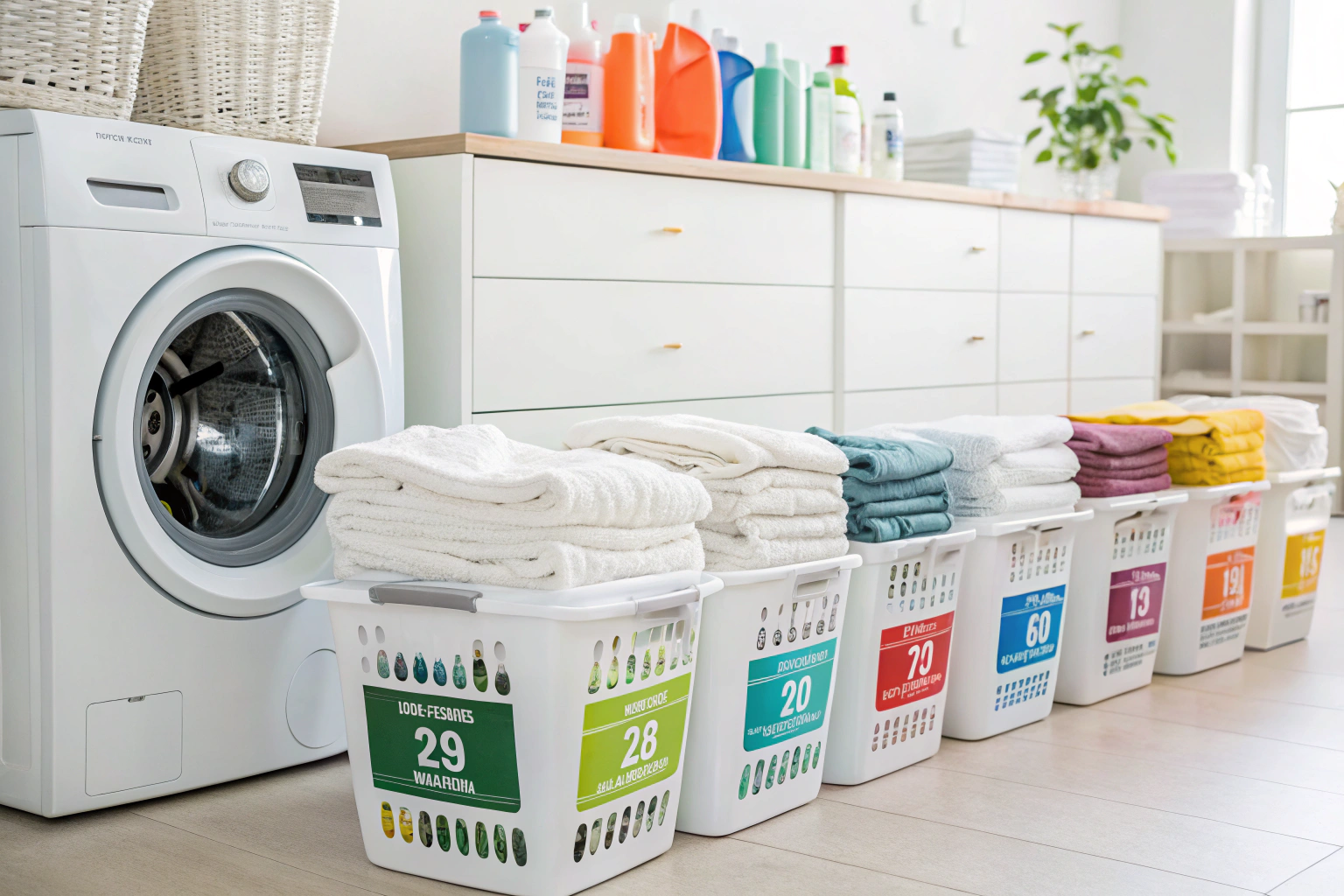
Color transfer during washing occurs when dyes from one garment move onto another, creating stains and shortening fabric life. This is a frequent issue in children’s apparel, as playful prints and vibrant colors are widely used. Improper laundry methods not only damage garments but also increase replacement costs for families.
Minimizing color transfer requires a combination of practices: sorting clothes by shade, selecting suitable detergents, using cold-water cycles, and applying protective aids such as color-catcher sheets. With these steps, both households and apparel suppliers can extend garment longevity while protecting consumer satisfaction.
What causes dyes to migrate during washing?
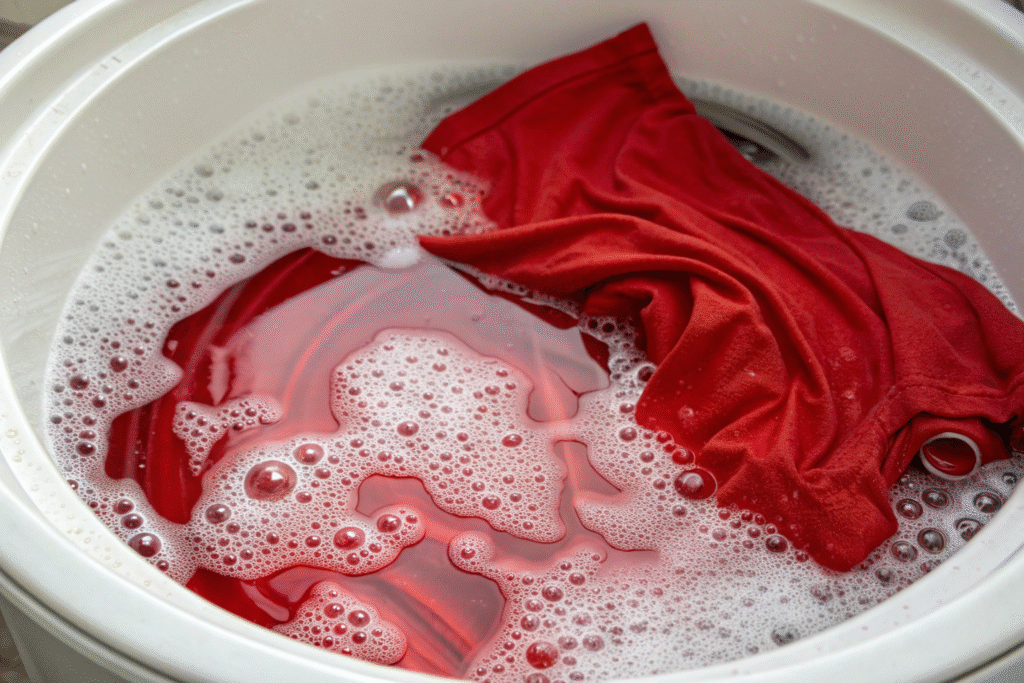
Dye bleeding arises when unstable pigments dissolve and spread into wash water.
Which factors are responsible?
- Poor dye fixation: Fabrics not properly treated during finishing often release color.
- High washing temperature: Warm water accelerates pigment loss.
- Overstuffed drums: Excessive friction among clothes encourages bleeding.
- Mixing new with old garments: Freshly dyed clothing, especially in strong shades, tends to leak during the first washes.
Why is this issue notable in children’s clothing?
Kid’s garments typically feature bold prints and saturated tones. A single wash can cause a dark toddler T-shirt to stain lighter items, resulting in complaints or product returns.
How do sorting and pre-wash routines lower the risk?
Proper separation is one of the easiest and most effective strategies.
What sorting methods work best?
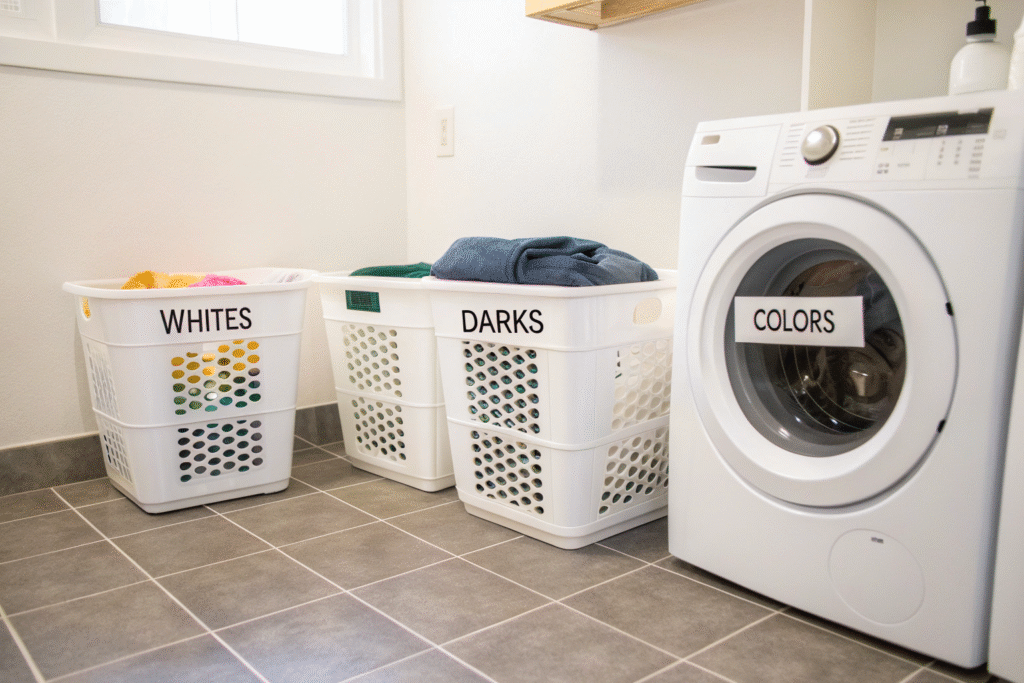
- Group by shade: Keep whites, darks, and brights separate.
- Wash new garments alone: Especially jeans, navy fabrics, or red tops.
- Follow care tags: Manufacturer guidance helps preserve fabric integrity.
Why does pre-washing matter?
Soaking freshly dyed items in cold water mixed with salt or vinegar helps stabilize pigments. As noted by The Spruce, vinegar’s mild acidity can lock in dyes, lowering the chance of bleeding during initial washes.
What influence does detergent have on color safety?
Detergent type is crucial for maintaining garment brightness.
Which detergents are most suitable?
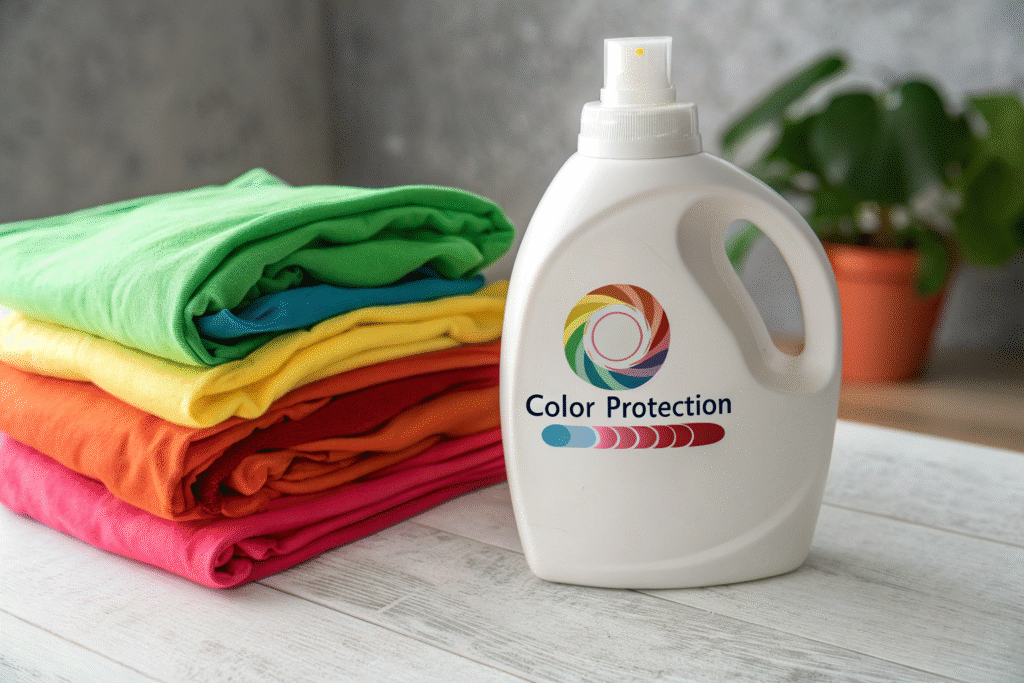
- Color-protective formulas: Use polymers that bind free dyes.
- Liquid products: Dissolve quickly, reducing friction between items.
- Gentle detergents: Better for baby garments, avoiding harsh chemical effects.
How does pH level play a role?
Detergents that are neutral or slightly acidic tend to stabilize dyes. Findings in ScienceDirect highlight that alkaline solutions weaken color bonds, making transfer more likely.
Can additives help keep colors from bleeding?
Additional products provide an extra safeguard against staining.

Which options are available?
- Color-catcher sheets: Absorb stray dyes during cycles.
- Commercial stabilizers: Designed to neutralize loose pigments.
- Simple household aids: Baking soda or vinegar may balance pH, supporting color retention.
How effective are they over time?
These products work best when paired with cold-water washes and proper sorting. Relying on additives alone cannot fully prevent fading or staining.
Why do water temperature and cycle choice matter?
Washing conditions directly affect fabric dye stability.
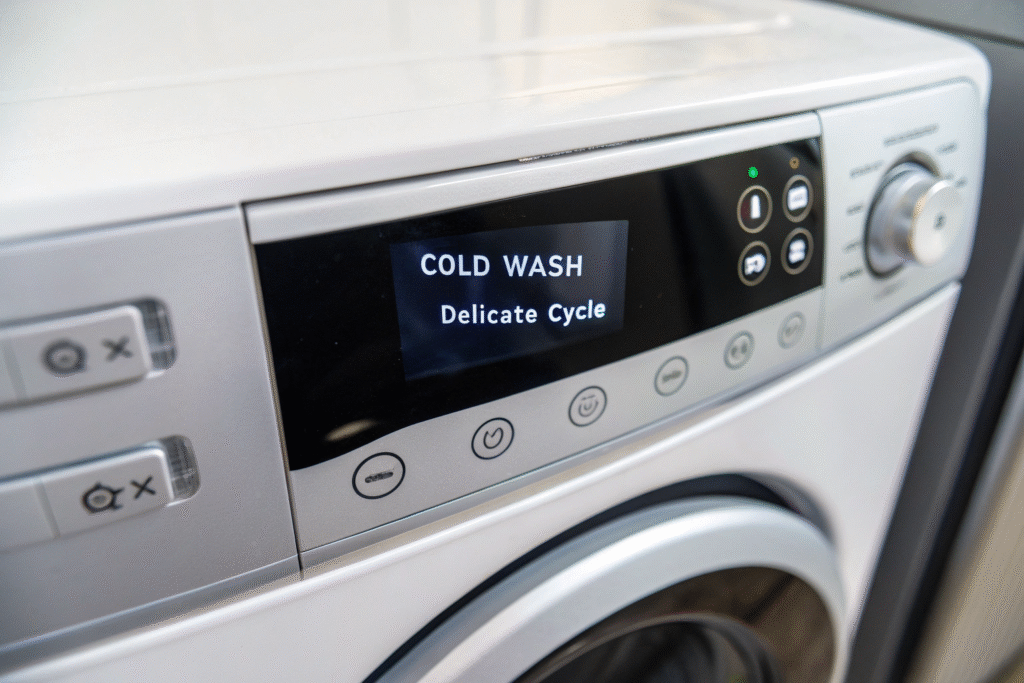
What are the recommended settings?
- Cold cycles: Slow down pigment release.
- Delicate programs: Reduce mechanical stress.
- Shorter runs: Limit dye exposure to wash water.
Why is this especially important for babywear?
Infant clothing often combines delicate fabrics and reactive dyes. Cold, gentle cycles help preserve softness and reduce fading, extending garment use through frequent washes.
Conclusion
Although color transfer is a widespread laundry issue, it can be minimized by adopting practical steps. Separating garments by shade, pre-washing new items, using detergents with color protection, adding dye-absorbing products, and choosing cold delicate cycles all work together to protect fabrics.
At Shanghai Fumao, we apply advanced dyeing techniques and strict testing protocols to ensure that our children’s clothing resists color bleeding. Our aim is to deliver apparel that is safe, durable, and trusted by parents. For cooperation inquiries, please contact our Business Director Elaine at elaine@fumaoclothing.com.