
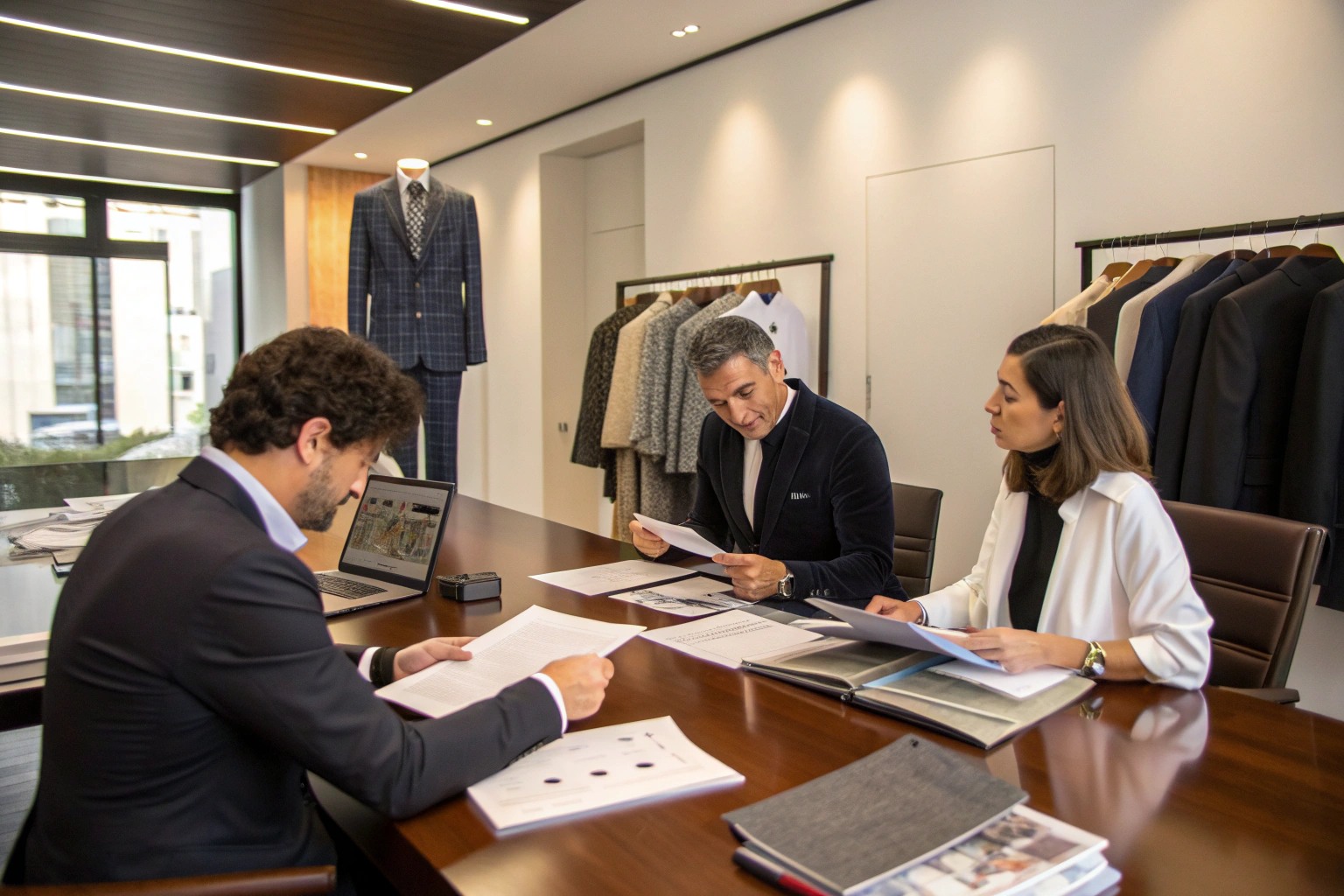
Getting the best price from a clothing manufacturer requires more than just asking for discounts—it demands strategic preparation, understanding of manufacturing economics, and building a partnership mindset. Many brands leave significant money on the table by approaching negotiations as a zero-sum game rather than a collaborative process focused on mutual benefit and long-term value creation.
To negotiate the best price with a clothing manufacturer, you need to understand their cost structure, demonstrate your value as a long-term partner, optimize your order specifications for manufacturing efficiency, and build leverage through competitive alternatives and relationship capital. Successful negotiation creates win-win outcomes that strengthen rather than strain the manufacturing relationship.
The most effective negotiators approach manufacturers as partners in profit rather than adversaries. They understand that sustainable pricing comes from creating efficiencies and building relationships that make their business valuable to the manufacturer. Let's explore the specific strategies that yield better pricing while maintaining quality and service standards.
How can understanding cost structure improve negotiation position?
Manufacturers respect buyers who understand what drives their costs and can have intelligent conversations about where efficiencies can be created. This knowledge transforms price discussions from arbitrary discount requests to informed conversations about value optimization.
Understanding the manufacturer's cost structure improves your negotiation position by allowing you to identify realistic cost-saving opportunities, demonstrate knowledge that commands respect, and collaborate on solutions that reduce their expenses while maintaining your quality standards. This approach positions you as an informed partner rather than a naive buyer.

What are the main components of manufacturing costs?
The primary cost components include fabric and materials (typically 40-60% of total cost), labor (15-30%), overhead including factory operations and management (10-20%), and profit margin (10-20%). Understanding these percentages helps you identify where negotiations might be most productive. For example, if fabric represents 50% of the cost, focusing on more efficient pattern cutting or alternative fabric sources might yield bigger savings than negotiating labor rates. This knowledge prevents you from fighting over small percentages while missing larger opportunities.
How can specification adjustments reduce costs without compromising quality?
Intelligent specification adjustments can significantly reduce manufacturing costs. This might include standardizing thread colors across multiple styles to minimize changeover time, simplifying label requirements, or adjusting seam allowances to optimize fabric usage. When we worked with a manufacturer to reduce our SKU count of button types from eight to three, we achieved a 12% cost reduction on affected styles through their bulk purchasing power and reduced inventory complexity. These collaborative adjustments demonstrate your willingness to work with their operational realities.
How does relationship building impact pricing flexibility?
Manufacturers offer their best pricing to clients they trust, value, and want to retain long-term. Relationship capital often translates directly into pricing flexibility, priority production scheduling, and willingness to accommodate special requests.
Relationship building impacts pricing flexibility by creating trust that reduces the manufacturer's risk perception, establishing communication efficiency that lowers their administrative costs, and developing mutual investment in long-term success that encourages preferential treatment. Strong relationships often yield better results than aggressive negotiation tactics.

What behaviors build manufacturer trust and cooperation?
Consistent communication, realistic expectations, prompt payments, and professional conduct all build the trust capital that manufacturers reward with better pricing. Manufacturers factor risk into their pricing—clients with histories of last-minute changes, payment delays, or unreasonable demands typically pay premium prices to offset this risk. By establishing yourself as a reliable, professional partner, you naturally qualify for better terms. Our track record of on-time payments and realistic production timelines has consistently earned us pricing 5-8% below what newer or less reliable clients receive.
How can long-term commitment secure better pricing?
Demonstrating long-term commitment through multi-season contracts, growth projections, and consistent order patterns gives manufacturers confidence to invest in your success. This might include volume commitments that allow better production planning, early season commitments that optimize their workflow, or partnership in efficiency improvements that benefit both parties. When we committed to a three-season production schedule with our main manufacturer, they invested in specialized equipment for our unique requirements and passed along the efficiency savings through improved pricing.
What order optimization strategies improve pricing?
The way you structure your orders significantly impacts manufacturing efficiency and cost. Manufacturers naturally offer better pricing on orders that are easy and efficient to produce, with consistent sizing distributions, logical color allocations, and production-friendly timing.
Order optimization strategies improve pricing by reducing the manufacturer's operational complexity, minimizing changeover time between styles, optimizing material utilization, and fitting smoothly into their production calendar. Efficient orders cost less to produce, and smart manufacturers share these savings with clients who make their jobs easier.

How does size distribution affect production costs?
Balanced size distributions following standard size curve ratios significantly reduce cutting room waste and labor inefficiencies. Orders heavy in extreme sizes (very small or very large) typically cost more to produce because they disrupt efficient fabric utilization and require more pattern adjustments. By working with your manufacturer to understand their optimal size ratios and planning your orders accordingly, you can achieve 3-7% cost reductions while helping them maintain smoother production flow.
What production timing creates cost advantages?
Strategic production timing that aligns with the manufacturer's natural production cycles can yield significant pricing advantages. Off-peak production, longer lead times that allow better production planning, and consistent year-round ordering rather than seasonal spikes all reduce the manufacturer's costs. We achieved 8% better pricing by moving our production schedule to avoid the crowded spring delivery period, positioning our orders in what was previously a slower production month for our manufacturer.
How can competitive leverage be established ethically?
While building strong relationships is crucial, maintaining competitive alternatives provides important leverage and ensures you're receiving market-competitive pricing. The key is approaching this ethically and professionally.
Competitive leverage can be established ethically by maintaining relationships with multiple qualified manufacturers, conducting periodic market checks, being transparent about your evaluation process, and using competitive information to validate rather than threaten. Professional manufacturers respect buyers who understand market realities.

When should you introduce competitive quotes?
Introduce competitive quotes after establishing a strong relationship and understanding of value rather than as an opening negotiation tactic. The most effective approach is to use competitive information to validate market pricing and identify areas for improvement rather than issuing ultimatums. For example, "We've received quotes that are 10% lower for similar work, but we value our relationship with you. Can you help us understand the value difference or identify areas where we might achieve better alignment?" This approach maintains respect while addressing pricing concerns.
How can you maintain relationships while seeking better pricing?
The key is separating price discussions from relationship value. Frame negotiations around continuous improvement and mutual success rather than confrontation. "As our business grows, we need to improve our cost structure to remain competitive. How can we work together to achieve X% cost reduction while maintaining our quality standards?" This collaborative approach yields better long-term results than aggressive tactics that may secure one-time concessions but damage the relationship. Our manufacturers often surprise us with creative solutions when we approach challenges as shared problems rather than demands.
Conclusion
Negotiating the best price with a clothing manufacturer requires a balanced approach that combines financial understanding, relationship building, operational efficiency, and ethical leverage. By focusing on creating mutual value rather than simply demanding lower prices, you can build manufacturing partnerships that deliver sustainable competitive advantages through better pricing, priority service, and collaborative innovation.
Ready to optimize your manufacturing costs while maintaining quality and building strong partner relationships? Our extensive manufacturing experience helps brands negotiate effectively and build productive manufacturing partnerships. Contact our Business Director, Elaine, at elaine@fumaoclothing.com to discuss strategies for improving your manufacturing economics.