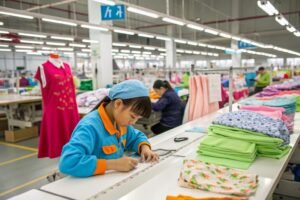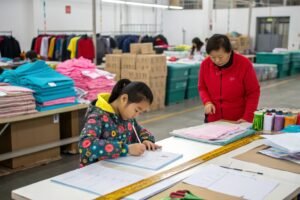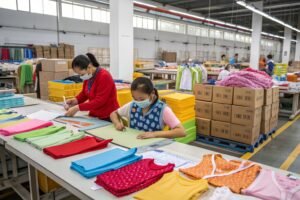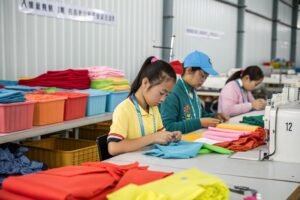

Negotiating favorable terms with clothing manufacturers represents one of the most impactful skills for fashion brands seeking to improve margins, reduce risk, and build sustainable supplier relationships. Successful negotiation extends beyond price haggling to encompass payment terms, production flexibility, quality standards, and strategic partnership benefits.
To negotiate better terms with your clothing manufacturer, you must thoroughly prepare with market intelligence, build strong relationship capital, demonstrate your value as a customer, and create win-win scenarios that align both parties’ interests. Effective negotiation transforms transactional supplier relationships into strategic partnerships that benefit both businesses.
The most successful negotiations approach manufacturers as long-term partners rather than adversaries, focusing on creating mutual value while protecting your business interests. This requires understanding the manufacturer’s constraints and motivations while clearly communicating your needs and value proposition. Let’s explore the specific strategies that lead to improved manufacturing terms across multiple dimensions.
How does preparation create negotiation leverage?
Thorough preparation represents the foundation of successful manufacturer negotiations, providing the data, alternatives, and understanding needed to negotiate from a position of strength rather than desperation.
Preparation creates negotiation leverage by developing alternative manufacturer options, understanding true production costs, anticipating manufacturer concerns and constraints, and establishing clear negotiation priorities and walk-away points. This groundwork transforms negotiations from speculative discussions to evidence-based conversations.

What market intelligence strengthens your position?
Before entering negotiations, research current market rates for similar production in alternative regions, understand raw material cost trends, and know standard payment terms in your industry segment. This intelligence prevents manufacturers from claiming standard practices that don’t actually exist. Additionally, understanding your manufacturer’s current capacity utilization provides insight into their flexibility—factories with excess capacity may be more willing to negotiate favorable terms to fill production slots. The most prepared negotiators can reference specific cost components rather than negotiating solely on total price.
How can you establish credible alternatives?
Developing verified alternative manufacturing options represents one of the most powerful negotiation preparations. When manufacturers know you have other qualified factories ready to produce your collection, their willingness to improve terms increases significantly. This doesn’t require threatening to leave your current manufacturer, but rather demonstrating that you’ve done due diligence on the competitive landscape. The most effective approaches involve actually sampling with alternative manufacturers so you can reference specific comparable quotes during negotiations, creating undeniable leverage.
How does relationship building impact negotiation outcomes?
The quality of your manufacturer relationship significantly influences negotiation dynamics, with strong partnerships creating flexibility that transactional relationships cannot match.
Relationship building impacts negotiation outcomes by establishing trust that reduces perceived risk, creating mutual investment in success, improving communication efficiency, and developing goodwill that enables problem-solving during challenges. These relational factors often outweigh minor price differences.

What behaviors build manufacturer trust and cooperation?
Consistent communication, realistic expectations, prompt payments, and professional conduct all build the relationship capital that manufacturers reward with better terms. Manufacturers factor risk into their pricing—clients with histories of last-minute changes, payment delays, or unreasonable demands typically pay premium prices to offset this risk. By establishing yourself as a reliable, professional partner, you naturally qualify for better terms. Our experience shows that manufacturers typically offer their most trusted clients pricing 5-15% better than less reliable customers, with significantly more flexibility on payment terms and minimums.
How can you demonstrate long-term partnership value?
Manufacturers offer their best terms to clients they view as long-term strategic partners rather than transactional customers. Demonstrating your growth trajectory, multi-season planning, and commitment to the relationship encourages manufacturers to invest in your success through better terms. This might include sharing your business roadmap (within reason), involving manufacturers early in development cycles, or making investments that streamline their work with your brand. Manufacturers who view your business as valuable and long-term are more likely to offer favorable terms that support your growth.
What negotiation strategies improve financial terms?
Specific negotiation approaches and techniques can significantly improve pricing, payment terms, and cost structures when applied strategically and professionally.
Effective negotiation strategies for improving financial terms include value-based rather than cost-based pricing discussions, multi-dimensional trade-offs, future business incentives, and transparent cost breakdown analysis. These approaches create flexibility beyond simple price haggling.

How can you negotiate beyond unit price?
Sophisticated negotiators expand discussions beyond simple unit price to include payment terms (extending from 30% deposit to 20% or moving from balance before shipment to after shipment), minimum order quantities (reducing style/color minimums or implementing aggregate minimums across collections), and cost-sharing arrangements for samples, molds, or specialized equipment. These multi-dimensional negotiations create value that simple price reduction cannot match. For example, extending payment terms from 30 to 60 days may provide more financial benefit than a 3% price reduction through improved cash flow.
What value can you offer in exchange for better terms?
Identifying what you can offer manufacturers in exchange for improved terms creates win-win scenarios rather than zero-sum bargaining. This might include longer production commitments that allow better capacity planning, off-season production that fills otherwise idle capacity, or promotional considerations like featuring the manufacturer on your website or in press materials. Even simple gestures like providing exceptionally clear tech packs that reduce factory questions or consolidating communications through a single point of contact can reduce the manufacturer’s costs, creating justification for better pricing.
How can you negotiate for quality and flexibility?
Beyond financial terms, negotiations should address quality standards, production flexibility, and operational terms that impact your business success and risk management.
Negotiating for quality and flexibility involves establishing clear quality benchmarks with associated consequences, building in production timing buffers, creating change order processes, and implementing performance-based incentives. These operational terms often prove more valuable than minor price concessions.

How can you contract for quality assurance?
Rather than relying on verbal quality assurances, negotiate specific quality standards into your manufacturing agreement. This includes defining acceptable quality level (AQL) standards for inspections, establishing procedures for addressing quality failures, and implementing financial consequences for consistent non-compliance. The most effective approaches include third-party inspection protocols paid for by the manufacturer when quality issues exceed agreed thresholds. Additionally, negotiating the right to conduct unannounced factory audits ensures ongoing compliance with your standards without requiring renegotiation each season.
What flexibility terms provide the most business value?
Production flexibility represents one of the most valuable yet frequently overlooked negotiation points. Key flexibility terms include reasonable change order processes that allow material or design modifications without excessive penalties, staggered production that enables phasing of collections based on early sell-through, and size curve adjustments after initial cutting based on pre-orders. Additionally, negotiating realistic lead times with built-in buffers protects against unforeseen delays while providing manufacturers achievable targets. These flexibility terms often provide more business value than small price reductions by reducing risk and improving inventory management.
Conclusion
Negotiating better terms with clothing manufacturers requires a strategic approach that balances preparation, relationship building, financial negotiation, and operational considerations. The most successful outcomes result from viewing manufacturers as partners in profitability rather than adversaries in a zero-sum game.
By thoroughly understanding both your needs and the manufacturer’s constraints, you can create agreements that deliver mutual benefits while protecting your business interests. The most valuable negotiations extend beyond price to encompass payment terms, quality standards, flexibility, and relationship elements that support long-term success.
Remember that negotiation is an ongoing process rather than a single event. The terms established initially should be reviewed and refined as your business evolves and the relationship develops. Manufacturers who see your business growing and becoming more valuable over time will often provide increasingly favorable terms to maintain the partnership.
Ultimately, the goal of manufacturer negotiations should be establishing a foundation for a productive, long-term relationship that supports your brand’s growth while providing the manufacturer with fair compensation for their work and expertise.
Ready to improve your manufacturing terms through strategic negotiation? Our expertise includes preparing for manufacturer discussions, developing negotiation strategies, and building partnerships that deliver better business outcomes. Contact our Business Director, Elaine, at elaine@fumaoclothing.com to discuss how we can help you negotiate more favorable manufacturing terms.