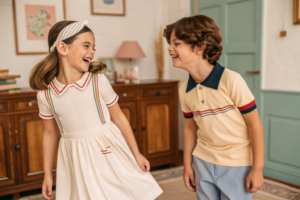

As a children's clothing manufacturer who has watched countless brands succeed and fail in reaching millennial parents, I can tell you this demographic requires a fundamentally different approach than previous generations. Millennial parents aren't just buying clothing—they're buying into values, stories, and communities. They can spot inauthentic marketing from a mile away and have little patience for traditional advertising.
Marketing to millennial parents requires authenticity, value alignment, and community building rather than traditional advertising. Successful strategies include leveraging user-generated content, demonstrating authentic brand values around sustainability and ethics, creating educational content that helps parents, and building genuine relationships through social media platforms where millennials spend their time.
The brands that win with this demographic understand that they're not just selling products but offering solutions to parenting challenges while aligning with deeply held values about safety, sustainability, and social responsibility.
Why do millennial parents require a different marketing approach?
Millennial parents have distinct characteristics that make traditional marketing approaches less effective. Understanding these fundamental differences is essential for crafting strategies that genuinely resonate with this influential consumer segment.
This generation brings different expectations, behaviors, and values to their purchasing decisions. They've grown up with digital technology, lived through economic instability, and developed keen skepticism toward traditional advertising. Their approach to parenting reflects these experiences, making them more research-driven, community-oriented, and values-focused than previous generations.

What values drive millennial purchasing decisions?
Millennial parents prioritize specific values that significantly influence their purchasing decisions. Authenticity and transparency rank highest—they want to know a brand's true story, manufacturing practices, and business ethics. Sustainability and environmental responsibility strongly influence choices, with many willing to pay premiums for eco-friendly products. Social consciousness matters, including fair labor practices and community engagement. Practicality and functionality are essential—products must solve real problems in their busy lives. Inclusivity and diversity in marketing and product offerings resonate strongly. Additionally, educational value appeals to their desire to support their children's development. Brands that genuinely embody these values rather than just referencing them in marketing create deeper connections with millennial parents.
How do millennial parents discover new brands?
Millennial parents discover brands through channels that prioritize authenticity and peer validation over corporate messaging. Social media platforms, particularly Instagram and TikTok, serve as primary discovery engines where they follow parenting influencers and real families. Personal recommendations from trusted friends in real life or parenting groups carry more weight than celebrity endorsements. Parenting blogs and review sites like What to Expect offer detailed product information and user experiences. Strategic content marketing that addresses specific parenting challenges draws them in organically. Retail experiences that feel authentic and community-oriented create discovery opportunities. Additionally, user-generated content showcasing real customers using products provides social proof that traditional advertising cannot match.
What content strategies resonate with millennial parents?
Content represents your most powerful tool for building relationships with millennial parents. The most effective content provides genuine value beyond simply showcasing products, establishing your brand as a trusted resource rather than just a retailer.
Millennial parents actively avoid traditional advertising but enthusiastically consume content that helps them parent more effectively. They appreciate brands that understand their daily challenges and provide solutions, entertainment, or education through thoughtfully created content.

How can educational content build brand authority?
Educational content positions your brand as an expert resource while providing genuine value to millennial parents. Develop guides on relevant topics like dressing children for different developmental stages, choosing fabrics for sensitive skin, or creating capsule wardrobes that grow with children. Share research on topics like OEKO-TEX certification and what various safety standards actually mean for children's health. Create content that helps parents navigate challenges like potty training clothing transitions or managing clothing budgets. Offer styling tips that help parents create versatile mix-and-match outfits from minimal pieces. Develop seasonal guides addressing specific needs like sun protection clothing or layering for variable weather. This educational approach builds trust and credibility, making parents more receptive to your products when they're ready to purchase.
Why does behind-the-scenes content build trust?
Behind-the-scenes content satisfies millennial parents' desire for transparency while humanizing your brand. Share your manufacturing process, showing real people making clothing in safe, ethical environments. Introduce your team members and their roles, particularly those involved in quality control and safety testing. Document your design process from inspiration to finished product. Be open about your supply chain, including fabric sourcing and partnership standards. Share your brand's journey, including challenges and how you've addressed them. Provide visibility into how you implement your stated values in daily operations. This transparency demonstrates accountability and builds the authentic connection millennial parents seek, transforming them from casual customers into brand advocates who trust your business practices as much as your products.
How can social media be leveraged effectively?
Social media platforms serve as the primary community-building and communication channels for reaching millennial parents. The most effective approaches prioritize engagement over broadcasting and community building over simple promotion.
Millennial parents use social media differently than previous generations—as sources of information, connection with peers, and entertainment. Understanding these nuanced uses helps craft social strategies that feel native to each platform rather than interruptive.
| Social Platform | Millennial Parent Usage | Effective Content Approaches |
|---|---|---|
| Visual inspiration, brand discovery | Reels showing clothing in action, UGC features, Stories with parenting tips | |
| TikTok | Entertainment, authentic reviews | Unboxing videos, styling challenges, day-in-the-life content with kids |
| Parenting groups, community connection | Value-added groups, live Q&As, detailed educational content | |
| Planning, idea collection | Outfit inspiration boards, seasonal style guides, organization tips |

What role do micro-influencers play in marketing?
Micro-influencers (typically 1,000-50,000 followers) offer unparalleled authenticity and engagement for reaching millennial parents. These creators maintain closer relationships with their audiences, generating higher trust and conversion rates than celebrity influencers. They often specialize in specific parenting niches like sustainable living, special needs, or specific age groups, allowing precise targeting. Their content typically feels more authentic and less produced, aligning with millennial preferences for genuine recommendations over polished advertisements. Additionally, micro-influencers typically charge less or may collaborate for product exchange, making them accessible for growing brands. The most effective partnerships involve long-term relationships where influencers genuinely integrate products into their regular content rather than single promotional posts, providing ongoing exposure to highly engaged audiences.
How can user-generated content be encouraged?
User-generated content (UGC) provides authentic social proof that millennial parents trust far more than brand-created content. Create specific, branded hashtags that make UGC easy to find and track. Run regular photo contests with attractive prizes that encourage participation. Feature customer photos prominently on your website and social channels, always with proper credit. Send follow-up emails after purchases inviting customers to share photos of their children wearing your clothing. Create "photo challenge" campaigns with weekly themes that encourage ongoing participation. Develop a formal brand ambassador program for your most engaged customers. Make sharing easy by providing styling inspiration and photo tips. UGC not only provides authentic marketing material but also deepens customer engagement by making parents feel valued and part of your brand community.
Why must sustainability and ethics be authentic?
Sustainability and ethical manufacturing claims must be genuine and verifiable when marketing to millennial parents, who actively research brand claims and quickly identify "greenwashing" or empty virtue signaling.
This generation has unprecedented access to information and shares findings within their networks. Empty sustainability claims can permanently damage brand reputation, while authentic commitments build lasting loyalty and advocacy.

What specific sustainability claims resonate?
Specific, verifiable sustainability claims resonate far more than vague environmental statements. Third-party certifications like GOTS (Global Organic Textile Standard) for organic materials provide independent verification of claims. Transparent supply chain information, including factory names and locations, demonstrates accountability. Specific environmental impact metrics, such as water savings or carbon reduction numbers, make abstract concepts tangible. Information about circular economy initiatives like recycling programs or repair services shows commitment beyond initial sale. Details about sustainable packaging choices, including materials and reduction strategies, demonstrate comprehensive thinking. Information about charitable partnerships and their actual impact provides social context. Each claim should be specific, measurable, and backed by evidence that millennial parents can verify through independent sources if desired.
How can ethical manufacturing be communicated effectively?
Ethical manufacturing communication should focus on transparency and verifiable practices rather than vague statements about "caring." Share your factory audit processes and results, including any certifications like SMETA or BSCI. Provide information about worker welfare programs, fair wage practices, and safe working conditions. Be specific about how you select and monitor manufacturing partners. Discuss your approach to minimizing environmental impact throughout production, including water treatment, energy use, and chemical management. Share your progress toward goals rather than presenting your practices as perfectly sustainable from day one. Consider using video tours of your facilities to provide visual evidence of your working conditions. This transparency addresses millennial parents' desire to make ethically informed purchases while building trust through honesty about both achievements and ongoing challenges.
Conclusion
Marketing successfully to millennial parents requires a fundamental shift from transactional advertising to relational engagement. This demographic responds to authenticity, values alignment, educational content, and community building rather than traditional sales approaches. The most effective strategies leverage social media as a relationship-building tool, provide genuine value beyond products, maintain complete transparency about business practices, and consistently demonstrate alignment with millennial values around sustainability, ethics, and inclusivity.
At Fumao Clothing, we've helped numerous brands develop authentic marketing approaches that resonate with millennial parents by ensuring their products and business practices align with their messaging. From GOTS-certified organic materials to transparent manufacturing processes, we provide the foundation brands need to market authentically to this discerning demographic. If you're building a children's wear brand that needs to connect with millennial parents, contact our Business Director, Elaine, at elaine@fumaoclothing.com to discuss how our manufacturing approach can support your marketing authenticity and help you build lasting relationships with today's parents.