
For over a decade at Fumao Clothing, I’ve had countless calls with brand owners like you. The excitement of finalizing a new collection is often shadowed by one nagging worry: “How can I ensure the quality is perfect when my factory is 7,000 miles away?” You’re not alone. Managing QC for overseas production, especially for sensitive categories like children's wear, feels like a high-stakes gamble. A single oversight can lead to rejected shipments, lost sales, and damaged brand reputation. But it doesn’t have to be this way.
Effective quality control for overseas kids' clothing production is not a single inspection; it's a proactive, multi-stage system embedded into the entire production process, from pre-production sourcing to final shipment, backed by clear communication, trusted certifications, and a factory partner that acts as your on-the-ground quality advocate.
The key is shifting from a policing mindset to a partnership mindset. You cannot inspect quality into a product at the end; it must be built into every step. Success hinges on selecting the right factory partner with inherent robust systems and then layering your oversight seamlessly onto their process. This approach transforms QC from a cost center into a value driver, ensuring safety, consistency, and customer satisfaction. Let’s break down the actionable system you can implement.
1. What Are the 4 Critical Stages of a Proactive QC Protocol?
Many brands make the mistake of relying solely on a Final Random Inspection (FRI) before shipment. This is too late. By then, all the goods are made, and major issues are catastrophic. A proactive protocol intervenes at multiple points to catch and correct issues early, when they are still manageable and cost-effective to fix.
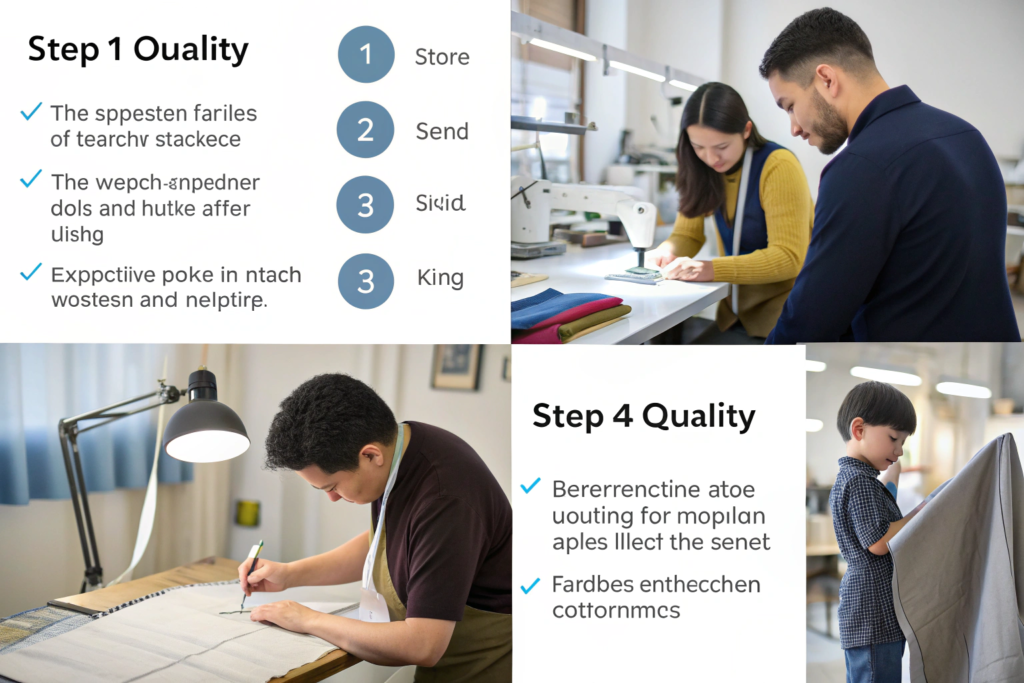
A truly robust QC system has four non-negotiable checkpoints: Pre-Production, During Production, Pre-Shipment, and ongoing Post-Shipment feedback integration. Think of it as a quality funnel, starting broad with material approval and narrowing to the final audit. At Fumao, this isn’t just a service we offer; it’s our standard operating procedure. We don’t view these checks as hurdles for you, but as essential steps that protect both our reputation and yours. This systematic approach is what separates reliable manufacturers from risky suppliers.
Why is the Pre-Production Inspection (PPI) Your First Defense?
The PPI is your most powerful tool to prevent disasters. It happens before bulk fabric cutting and involves verifying that all raw materials and components meet your approved standards. This includes testing fabric for composition, colorfastness, weight, and compliance with safety standards like OEKO-TEX® or CPSIA for harmful substances. It also checks trims, buttons, zippers, and prints. We provide detailed lab reports, often from third parties like SGS, for transparency. Approving a flawed fabric here would doom the entire order. A stringent PPI aligns expectations and sets a clear quality baseline, preventing the classic excuse, "But the fabric mill gave us this."
How Does During Production Inspection (DPI) Save Time and Money?
DPI, or in-line inspection, occurs when 10-20% of units are completed on the sewing line. Its goal is to catch process-related errors early. Our QC team checks for consistent workmanship, stitching quality, seam strength, and assembly against the golden sample. They measure critical dimensions and check for any deviations. If a sewing operator misunderstands a cuff detail, we catch it on 50 pieces, not 5,000. We then provide immediate feedback and photos to you, and correct the process on the spot. This real-time intervention is invaluable for maintaining consistency and avoiding costly, time-consuming rework of finished goods.
2. How to Effectively Communicate Quality Standards to Your Factory?
The #1 root cause of quality failure is miscommunication. A tech pack is a start, but it’s often not enough. Vague terms like "good stitching" or "bright color" are interpreted differently in Shanghai and Seattle. Your goal is to create a shared, unambiguous understanding of every single requirement.
Communication must be multi-modal, specific, and reference-based. Move beyond email attachments. Schedule a live video call to walk through the tech pack page by page. Use physical approved samples (golden samples) as the ultimate arbiter. Point to specific seams, stitches, and finishes on the sample. For colors, provide lab-dipped swatches or Pantone codes, not just photos. Create a simple, visual checklist of critical checkpoints. At Fumao, we assign a dedicated project manager who becomes an expert on your brand’s standards. This person is your single point of contact, eliminating the "telephone game" and ensuring your voice is heard clearly on the factory floor.

What Should a Foolproof Tech Pack Include for Kids' Wear?
A comprehensive tech pack is your instruction manual. For kids' wear, it must be exceptionally detailed:
- Detailed Spec Sheet: Point-by-point measurements (with tolerance), not just a sketch.
- Construction Details: Close-up photos/diagrams of special seams, elastic applications, and safety features (e.g., no exposed elastic at the waist for babies).
- Material Specs: Fabric composition, weight, GSM, and required test reports (ASTM F963 for toy-like components, EN 14682 for drawstrings).
- Labeling & Packaging: Exact placement of care labels, size tags, hangtags, and polybag specifications.
- Safety Compliance Checklist: Explicit list of standards the garment must meet.
We often help our clients strengthen their tech packs, adding the manufacturing details we know are critical for clear execution.
How Can Digital Tools Bridge the Communication Gap?
Leverage technology to create a shared digital workspace. Instead of scattered emails, use platforms where you can upload files, comment directly on photos, and track approval statuses. We share real-time photos and short videos from the production floor directly to our clients. For defect logging, we use standardized forms with photo evidence, making issues unambiguous. Some brands use quality management software (QMS) that integrates with the factory’s system. The goal is transparency. You should feel like you have a window into the workshop, reducing anxiety and building trust through visibility.
3. Why Are Third-Party Inspections and Certifications Non-Negotiable?
Even with a great factory partner, an independent, objective eye is crucial. It validates the factory’s own QC and provides you with an unbiased report. For children’s wear, certifications are not marketing fluff; they are legal and moral obligations that provide verified proof of safety and ethical production.
Third-party inspections and trusted certifications de-risk your business. They are your insurance policy. A reputable inspection company like Intertek, Bureau Veritas, or TÜV SÜD will follow internationally recognized sampling procedures (like AQL - Acceptance Quality Limit) to assess the order. Their report is an impartial document you can use to make the final shipping decision. Similarly, certifications like GOTS for organic textiles or GRS for recycled content are verified by external auditors, ensuring the claims are genuine. They protect your brand from liability and falsified documents, a very real pain point in our industry.

How to Select and Brief a Third-Party Inspection Company?
Don’t let the factory choose the inspector. You, the buyer, should hire and brief the company directly. Provide them with your full tech pack, approved sample, and a specific checklist of your concerns. Highlight critical safety points for children’s wear: secure attachments of buttons/snaps, absence of sharp points, proper neck opening sizes for infants, and correct flammability labeling. Specify the AQL level you require (Level II is common for apparel, with tighter limits for major vs. minor defects). A good briefing ensures they inspect for your standards, not just generic ones.
What Are the Must-Have Certifications for US & EU Markets?
Know the mandatory requirements for your target market to avoid customs holds or recalls.
- For the USA: CPSIA (Consumer Product Safety Improvement Act) compliance is law. It requires testing for lead, phthalates, and flammability (children's sleepwear). Adherence to ASTM F963 (Toy Safety Standard) is critical for apparel with decorative elements.
- For the European Union: REACH regulation restricts hazardous chemicals. EN 14682 is the specific safety standard for cords and drawstrings in children's clothing.
- Voluntary but Powerful: OEKO-TEX® Standard 100 certifies textiles are free from harmful substances. BSCI or SMETA audits verify social compliance.
Always verify certificates online via the issuing body’s database. A trustworthy factory will encourage this.
4. How to Build a Long-Term QC Partnership with Your Manufacturer?
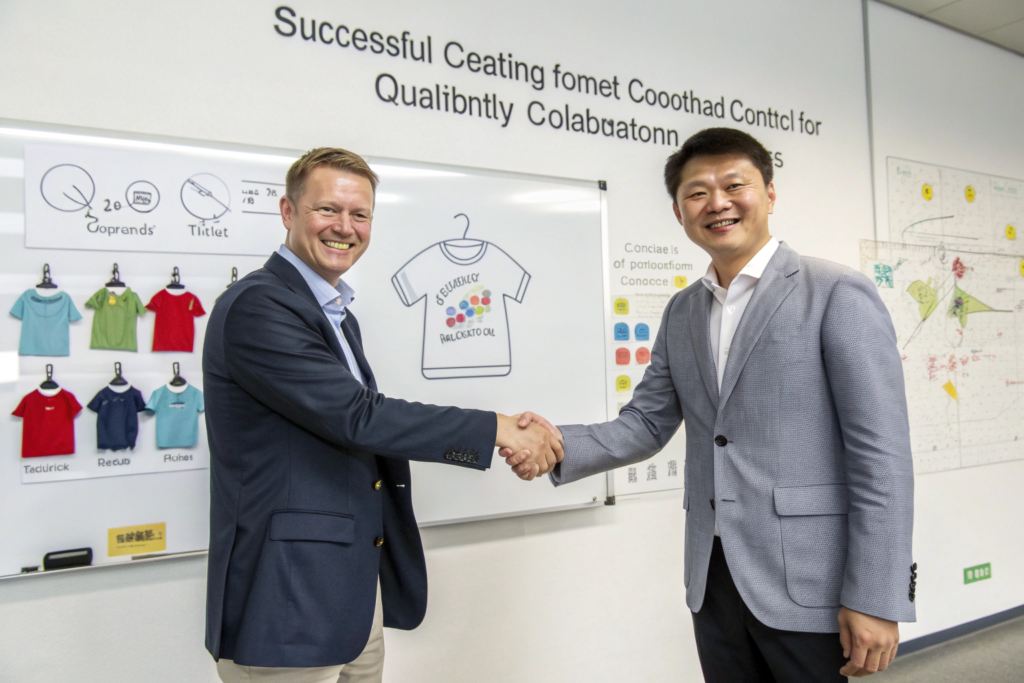
The ultimate goal is to move from a transactional inspection relationship to a strategic quality partnership. When your factory internalizes your quality standards as their own, you spend less time policing and more time innovating. This is built on transparency, consistent collaboration, and shared goals.
A true partnership means the factory’s QC team becomes an extension of your own. They anticipate your concerns. This is achieved through regular performance reviews, shared feedback from your customers (both positive and negative), and joint problem-solving. Visit the factory if possible, or conduct virtual tours. Celebrate quality successes together. At Fumao, we view our clients’ end-customer satisfaction as our report card. We analyze any returns or complaints to understand root causes and improve our processes. This continuous feedback loop turns quality from a checkpoint into a culture.
What Does a Factory's Internal QC Structure Reveal?
Probe beyond promises. Ask potential partners: "What is your internal QC structure?" A serious factory will have a dedicated QC department, not just line supervisors. They will have documented procedures for incoming material checks, in-line inspections, and final auditing. They should be able to explain their staff training process for quality standards. Ask for their typical defect rate and how they handle non-conforming products. Their answers will tell you if quality is a dedicated function or an afterthought.
How to Use Data and Feedback for Continuous Improvement?
Quality management is a cycle, not a line. After each order, review the inspection reports and your own sales/return data. Identify recurring issues. Was there a particular seam that failed? Did colors fade after washing? Schedule a call with your factory to discuss these findings not as blame, but as a collaborative "lessons learned" session. Work together to update the tech pack or production method for the next order. This proactive, data-driven approach systematically eliminates repeat errors, leading to consistently better products and a stronger, more efficient supply chain over time.
Conclusion
Managing quality control for overseas kids' clothing production is undoubtedly complex, but it is entirely manageable with the right system and partner. By implementing a proactive, multi-stage QC protocol, communicating with crystal clarity, insisting on verified third-party validation, and fostering a true partnership with your manufacturer, you transform quality from a persistent worry into a reliable competitive advantage.
The goal is to reach a point where you have complete confidence in every shipment, knowing that your brand’s reputation for safety and excellence is being meticulously guarded, even from across the globe. This peace of mind allows you to focus on what you do best: building your brand and connecting with your customers.
If you are looking for a manufacturing partner who understands that quality is the foundation of everything we do, let's talk. Contact our Business Director, Elaine, at elaine@fumaoclothing.com to discuss how Shanghai Fumao can become your trusted quality advocate for your next children's wear production order.