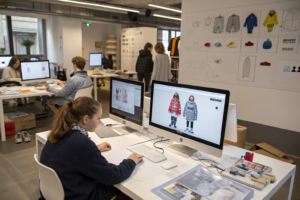

Managing production for multiple children's clothing lines simultaneously represents one of the most complex challenges in fashion manufacturing, requiring sophisticated coordination across different design aesthetics, target ages, price points, and seasonal calendars. As a manufacturer operating five production lines dedicated to various children's wear categories for American and European markets, I've developed systems that maintain quality and efficiency across diverse collections while meeting distinct brand requirements.
Effective management of multiple kids clothing lines requires centralized coordination with decentralized execution, integrated yet flexible planning systems, category-specific expertise, and robust quality control protocols that maintain consistency across variations. The most successful approaches balance standardization where beneficial with customization where necessary, creating manufacturing efficiency without compromising individual line identity.
Production management must accommodate the unique characteristics of different children's wear categories—from newborn delicate pieces to durable school uniforms and fashionable tween collections—while maintaining overall operational coherence and resource optimization.
What Planning Systems Support Multiple Line Production?
Comprehensive planning systems form the foundation of successful multi-line production, ensuring resources are allocated efficiently while meeting each line's unique requirements and timelines.
Advanced planning balances predictable manufacturing rhythms with necessary flexibility to accommodate variations between lines and respond to unexpected challenges or opportunities.
How Does Integrated Calendar Management Work?
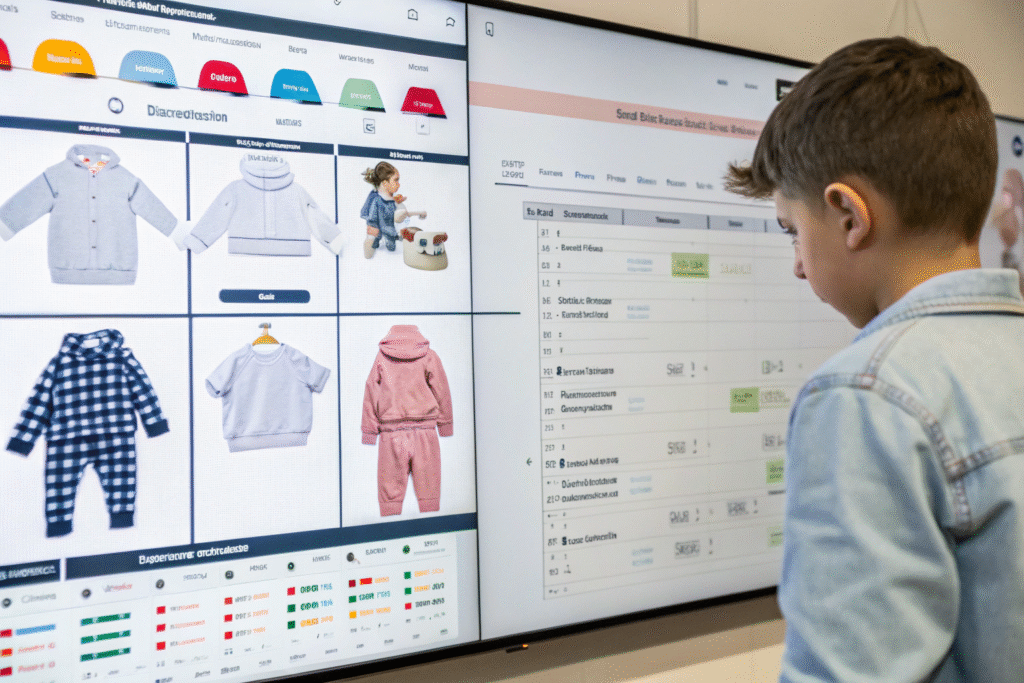
Master production calendars that visualize all lines simultaneously prevent resource conflicts while ensuring each collection progresses according to its specific timeline. These systems account for different lead times—babywear might require additional safety testing, while fashion collections need rapid turnaround for trend responsiveness. At Fumao, we've implemented visual planning systems that allow us to see potential conflicts weeks in advance and make adjustments before they impact production.
What Role Does Capacity Allocation Play?
Strategic capacity allocation reserves appropriate production resources for each line based on complexity, volume, and special requirements. This might mean dedicating specific lines to particular categories or allocating days per week to different collections based on their production needs. The most effective approaches maintain some flexible capacity to accommodate rush orders, unexpected best-sellers, or production issues without derailing other lines' schedules.
How Can Category Specialization Enhance Efficiency?
Organizing production around category expertise rather than treating all children's wear as uniform allows for specialized processes, equipment, and quality standards that improve both efficiency and quality.
Different children's wear categories have distinct requirements that benefit from focused manufacturing approaches rather than generalized production systems.
Why Does Babywear Require Specialized Production?
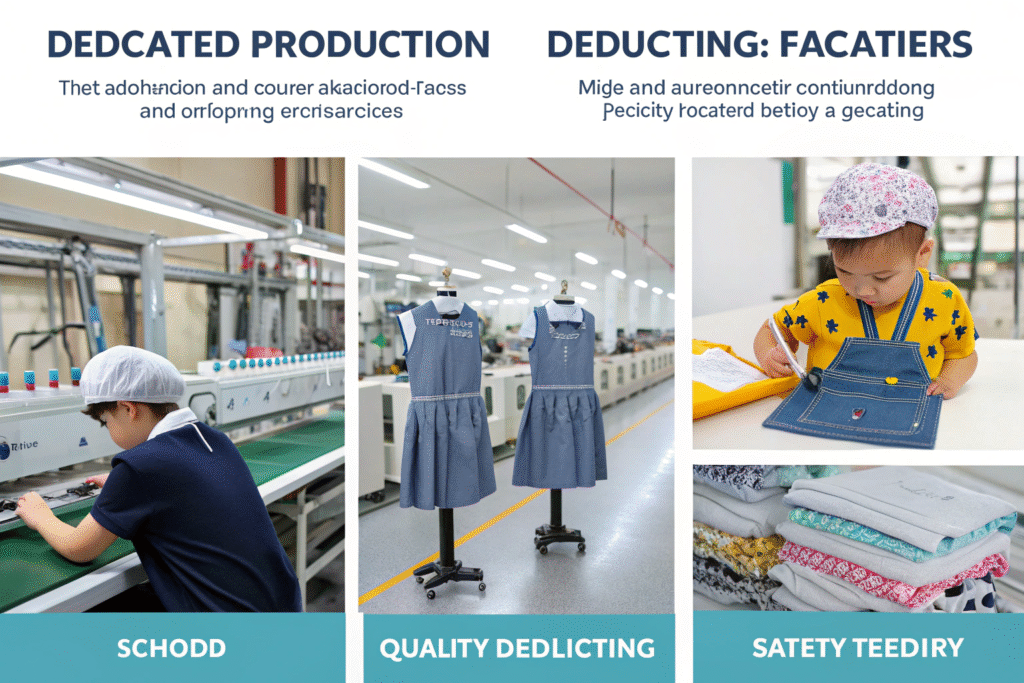
Baby clothing manufacturing demands specific equipment adjustments, additional safety protocols, and specialized operator training for handling delicate fabrics and small-scale construction. Dedicated babywear production lines can maintain the heightened safety standards and gentle handling required without slowing other lines with different priorities. Our babywear line operates with enhanced safety protocols and specialized machinery that wouldn't be necessary or efficient for older children's clothing.
How Do School Uniforms Benefit from Focused Production?
School uniform production prioritizes consistency, durability, and efficient high-volume manufacturing rather than the fashion-forward details of other lines. Dedicating specific production time to uniforms allows for optimized processes for repetitive styles, bulk fabric cutting, and standardized quality checks that would interrupt the flow of more varied fashion collections. This specialization significantly improves efficiency for both uniform and fashion production.
What Quality Control Systems Maintain Consistency?
Robust quality management must accommodate different standards across lines while maintaining overall manufacturing excellence and brand-specific requirements.
Quality systems need both universal baseline standards and category-specific protocols that address the unique needs of different children's wear segments.

How Are Universal Quality Standards Implemented?
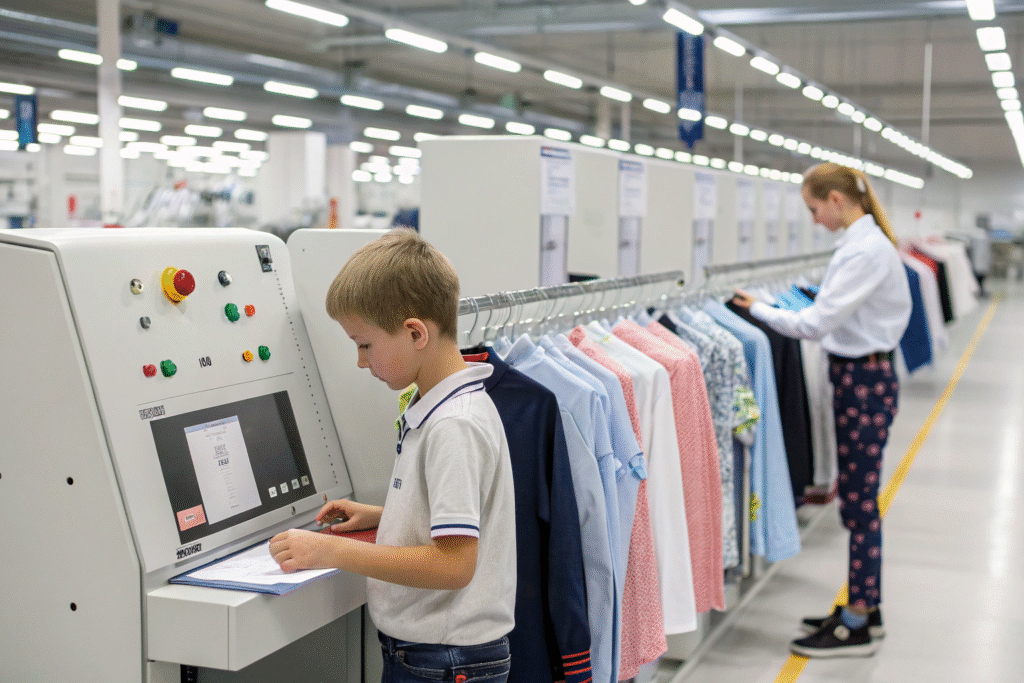
Baseline quality standards apply across all lines, covering fundamental construction integrity, basic safety requirements, and manufacturing consistency. These universal protocols ensure that regardless of the line's target market or price point, all products meet minimum quality expectations that protect brand reputation and customer satisfaction. According to Quality Management Research, implementing consistent baseline standards reduces defects by up to 40% compared to completely separate quality systems for each line.
What Line-Specific Quality Protocols Are Necessary?
Different lines require specialized quality checks—babywear needs more rigorous safety testing, fashion collections require precise aesthetic alignment, and school uniforms demand exceptional durability verification. These category-specific protocols address the particular quality priorities for each segment without imposing unnecessary checks on lines where they don't apply. Our quality system includes modular checklists that combine universal standards with category-specific requirements for efficient yet comprehensive quality management.
How Does Material Management Support Multiple Lines?
Effective material sourcing, storage, and allocation systems prevent cross-line conflicts while ensuring each collection has appropriate fabrics and components delivered according to production schedules.
Material management must accommodate vastly different fabric requirements—from delicate babywear knits to durable uniform twills—while maintaining organization and accessibility.
What Inventory Systems Prevent Material Conflicts?
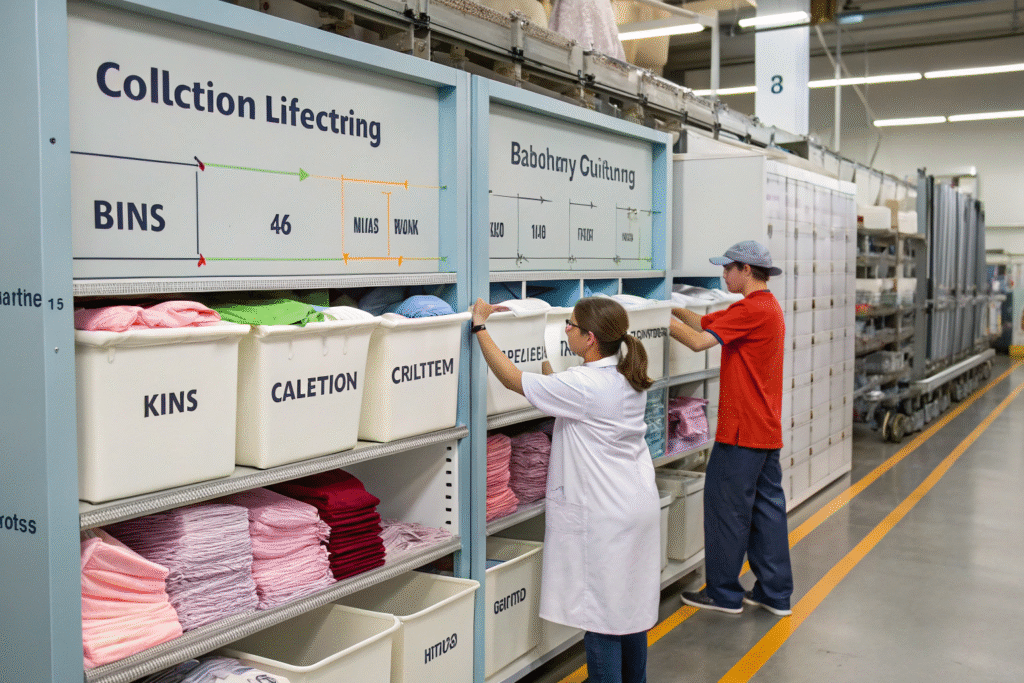
Digital inventory management with line-specific allocation reserves materials for designated collections while providing visibility into overall fabric availability. These systems prevent the frustration of planned production being delayed because materials were used for another line, while also identifying opportunities to leverage fabric purchases across multiple lines when appropriate. Advanced systems can optimize material utilization across lines, reducing waste and improving cost efficiency.
How Are Specialty Materials Handled Efficiently?
Low-volume specialty materials for limited editions or high-fashion lines require different management approaches than bulk fabrics for core collections. Separate storage, careful inventory tracking, and scheduled production windows for these materials prevent waste and ensure availability when needed. This specialized handling acknowledges that not all lines benefit from the same material management approaches.
Conclusion
Managing production for multiple kids clothing lines successfully requires balancing centralized coordination with category specialization, implementing both universal and line-specific quality systems, and developing flexible material management that serves diverse needs. The most effective approaches create manufacturing ecosystems that maintain individual line identity and quality standards while leveraging shared resources and knowledge for overall efficiency.
At Shanghai Fumao Clothing, we've refined our multi-line production management through decades of experience manufacturing diverse children's wear categories for American and European markets. Our systems maintain the unique character and quality standards of each line while ensuring operational efficiency across our five production lines. If you're managing multiple children's wear collections and seeking manufacturing partnership, contact our Business Director Elaine at elaine@fumaoclothing.com to discuss how our multi-line expertise can support your production needs.