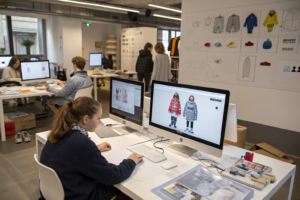

Running a seasonal kids clothing business feels like trying to hit a moving target. One minute you're drowning in winter coats, the next you're scrambling for summer swimwear. I've seen countless brands struggle with this exact challenge. The inventory that was flying off shelves last month becomes dead weight today. This inventory rollercoaster can make or break your profitability.
Effective seasonal inventory management requires forecasting demand accurately, implementing a flexible manufacturing schedule, maintaining a strategic core basics collection, and planning markdowns strategically to clear leftover stock. It's about balancing having enough to meet demand without being stuck with excess. The goal is to turn your inventory more often, not just have more inventory.
The businesses that succeed are those that treat inventory as a dynamic asset, not a static one. They understand that kids' clothing has an expiration date—both in terms of season and size. Let me break down the practical strategies that actually work, drawn from decades of supplying successful seasonal brands.
How can you accurately forecast demand for seasonal kids wear?
Getting your forecast wrong means either lost sales from stockouts or crushed profits from deep discounting. So, how do you get it right? You need data, but also a dose of reality. Don't just look at what you hope to sell; look at what you have sold and what the market is telling you.
Start with your historical sales data. This is your most valuable asset. Analyze which items, colors, and sizes sold best in the same season last year. But don't stop there. Factor in current trends. Is a certain cartoon character exploding in popularity? Are specific colors trending for the upcoming season? Use tools like Google Trends to validate your hunches. Finally, talk to your customers and retail partners. Their feedback is qualitative data that can fine-tune your quantitative numbers.

What data points are crucial for a reliable forecast?
You can't manage what you don't measure. Relying on gut feeling alone is a recipe for disaster. You need a system to track key metrics.
- Sell-Through Rate by SKU: This tells you the percentage of inventory you actually sold at full price. A high sell-through rate for a specific style indicates strong demand, suggesting you should increase your order for the next season. A low rate is a clear warning sign.
- Historical Sales Velocity: Look beyond total sales. How quickly did items sell? Did your spring jackets fly off the shelves in the first two weeks, or did they trickle out over two months? This velocity helps you time your inventory peaks perfectly. Also, monitor industry benchmarks to see how you compare to competitors.
How should you adjust forecasts for growth and trends?
Last year's data is a baseline, not the final answer. Your business is evolving.
- Factor in Marketing Plans: Are you launching a major digital ad campaign? Attending a new trade show? Your marketing efforts will directly impact demand. Your forecast must account for this planned growth.
- The "Test and React" Model: This is a powerful way to de-risk your forecasting. Instead of placing one massive order for a new style, order a smaller initial quantity. Use this as a test. If it sells out quickly, you have data to justify a larger, rapid reorder. We often help our clients with this by keeping safety stock of fabric to enable faster turnaround on these reactive re-orders.
What is the best inventory model for seasonal products?
For seasonal kids' wear, the traditional "buy it and hold it" model is broken. You need an agile approach that aligns with the short, intense selling windows. The goal is to have the right product at the right time, not all the time.
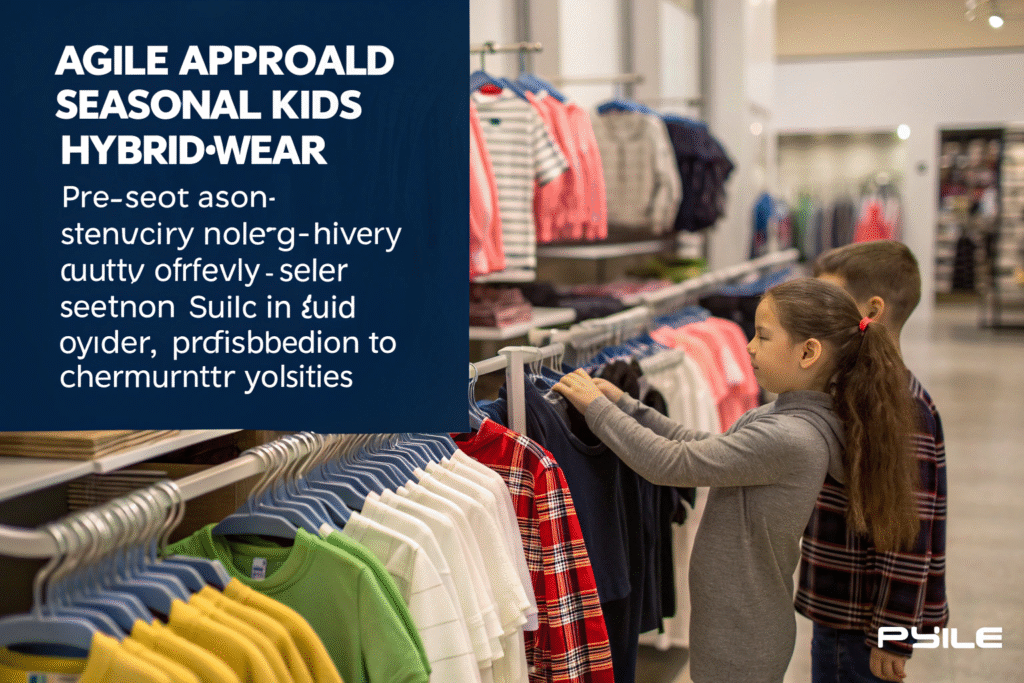
The most effective model is a hybrid approach. Combine a pre-season bulk order with the capability for in-season replenishment. This means you place a core order based on your forecast to cover the initial surge of demand. Then, you work with a manufacturer who can produce and ship additional units quickly during the season to refill your stock on best-sellers. This model reduces the risk of overordering on every single item.
How does a pre-season and in-season split work?
Splitting your inventory commitment is like having an insurance policy against forecast errors.
Here’s a simple way to visualize the order split:
| Order Type | Timing | Purpose | Risk Level |
|---|---|---|---|
| Pre-Season Core Order | 3-4 months before season | Covers initial launch and predicted baseline demand. | Moderate |
| In-Season Replenishment | During the season | Responds to actual sales data for top-performing items. | Low |
This model requires a nimble supply chain. You need a manufacturer that can turn around re-orders in weeks, not months. For our partners, we often reserve production capacity specifically for these replenishment orders. It's a game-changer for their inventory health.
Why is a core basics collection essential?
Not everything in your collection is highly seasonal. Some items are year-round winners.
- The Profit Stabilizers: Basic leggings, t-shirts, and underwear sell consistently. They have longer lifecycles and are less prone to the wild swings of fashion-driven items. Maintaining a steady stock of these core basics ensures you always have cash-flow positive items available.
- Reduced Forecasting Complexity: Because demand for basics is more stable, they are easier to forecast and manage. This simplifies a significant part of your inventory planning and provides a reliable foundation for your business.
How to plan production and delivery timelines?
Missed timelines are the death knell for a seasonal business. If your summer collection arrives in July, you've already lost half the selling season. The calendar is your most important planning tool. You need to work backward from the first day of the selling season.
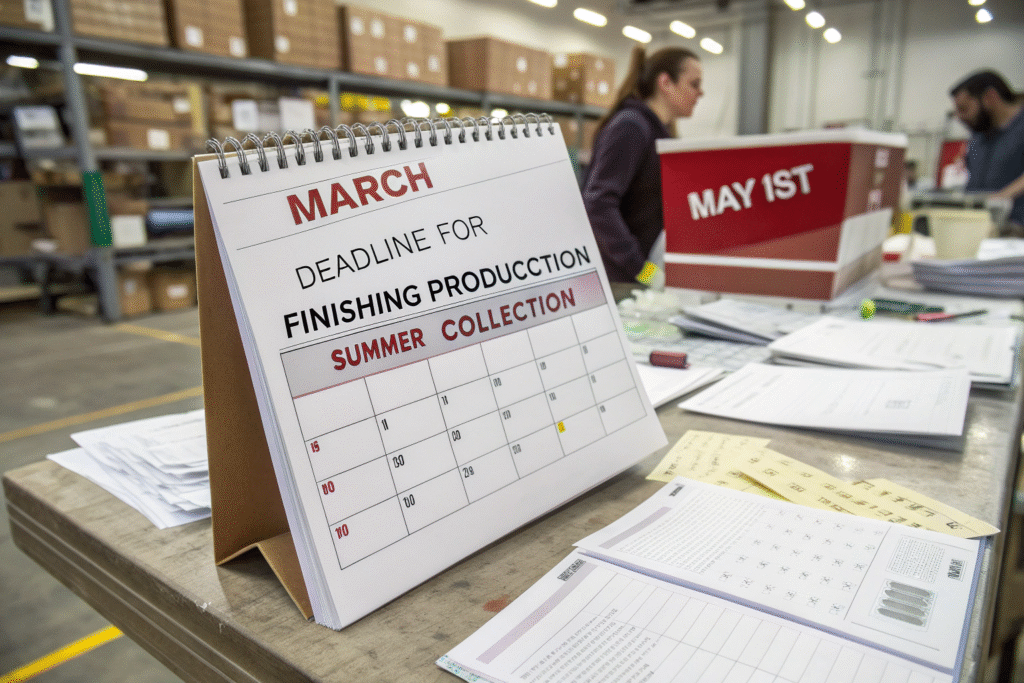
A good rule of thumb is to have your inventory landed in your warehouse at least one month before the season officially begins. This gives you time for quality checks, pricing, and distribution to stores or fulfillment centers. So, if the summer season starts in June, your goods should be in the US by May 1st. That means production needs to be finished in March to account for ocean shipping. This backward planning is non-negotiable.
What is a realistic timeline from design to delivery?
Let's break down a typical timeline for a summer collection. This keeps everyone accountable.
- Design & Development (Months 7-5): This is when designs are created, tech packs are made, and prototypes are sampled. This phase ends with your final bulk order commitment.
- Production & Shipping (Months 4-1): This is the manufacturing window. For a June season, bulk production runs in February/March, with goods shipping in April to arrive in May. Always build in a buffer for unexpected delays. Using a DDP service simplifies this and ensures a single point of responsibility for on-time delivery.
How can you build a buffer for unexpected delays?
Assume something will go wrong. A fabric might be delayed. A port might be congested.
- The "Buffer Week" Strategy: Build one or two "buffer weeks" into your timeline between production completion and the shipping date. If everything goes perfectly, you ship early. If there's a problem, you have a cushion that doesn't compromise your in-store date.
- Diversify Your Shipping: For your most critical, time-sensitive replenishment orders, consider air freight. It's more expensive, but the cost of missing the entire selling season is far greater. This is a tactical decision for protecting revenue.
How to effectively clear leftover seasonal inventory?
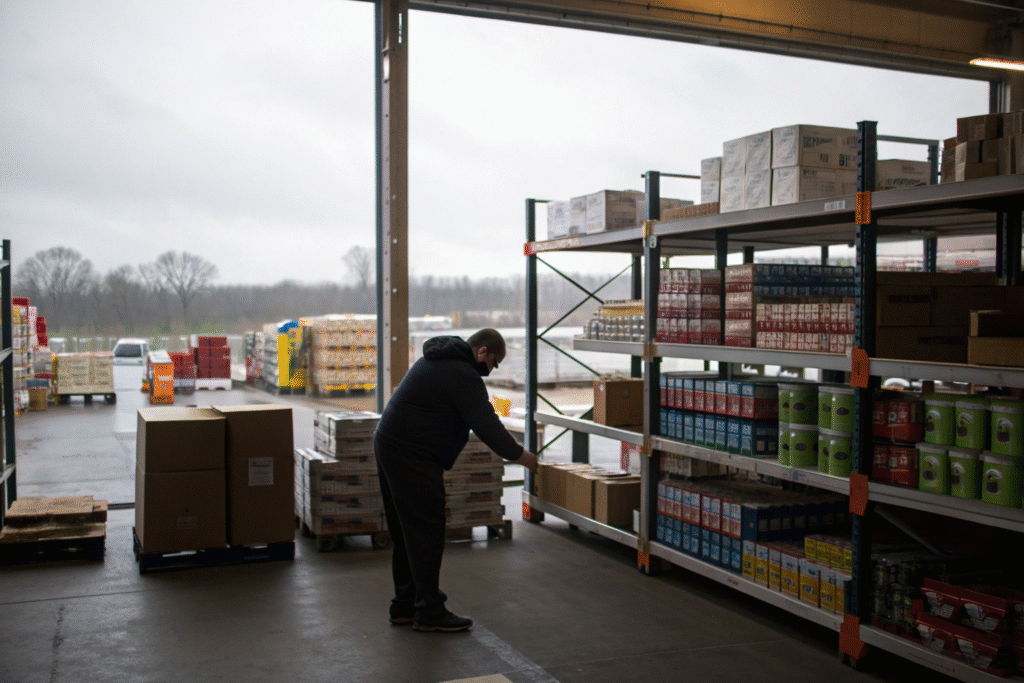
No matter how good your forecast is, you'll likely have some leftover stock. The key is to have a plan for it before you even place your production order. Letting it sit in a warehouse is a loss; turning it into cash is a win.
Plan your markdowns strategically. Don't wait until the season is completely over. Start with a small, targeted promotion mid-season on slower-moving items. Then, implement a more aggressive discount as the season ends. The goal is to clear the inventory quickly and free up capital and warehouse space for the next season's goods.
What are creative markdown strategies beyond simple discounts?
A straight percentage-off sale is effective, but it's not your only tool.
- Bundle Deals: Bundle a leftover winter sweater with a core basic t-shirt. This clears slow stock while also moving a full-price item. Customers feel they're getting a great deal, and you protect your margin better than with a store-wide sale.
- Loyalty Program Rewards: Offer exclusive access to sale items or special discounts to your most loyal email subscribers before a public sale. This rewards them and can clear a significant portion of inventory before you even need to announce a broad discount.
How can you repurpose or donate excess stock?
Sometimes, selling isn't the only answer. There are other ways to extract value.
- Use for Marketing: Use the excess inventory as gifts for influencers or in social media giveaways. The cost of the garment is your marketing expense, and it can generate valuable buzz for your brand.
- Strategic Donation: Donating to a recognized charity can provide a tax write-off. More importantly, it's a powerful way to build brand goodwill and demonstrate corporate social responsibility. This positive story can itself be a form of marketing.
Conclusion
Managing inventory for a seasonal kids' clothing business is a complex dance of data, timing, and strategy. It demands moving away from a single, large bet on inventory to a more fluid, responsive model. By mastering demand forecasting, adopting a hybrid inventory model, meticulously planning timelines, and having a clear exit strategy for leftover stock, you can transform inventory from a source of stress into a competitive advantage.
This level of control requires a manufacturing partner who understands the seasonal clock and can move with the speed and flexibility your business needs. At Fumao Clothing, we build these principles into our service, offering production planning and rapid replenishment options designed specifically for seasonal brands. If you're ready to take the inventory anxiety out of your business, let's create a plan together. Contact our Business Director, Elaine, at elaine@fumaoclothing.com to discuss how we can support your growth.