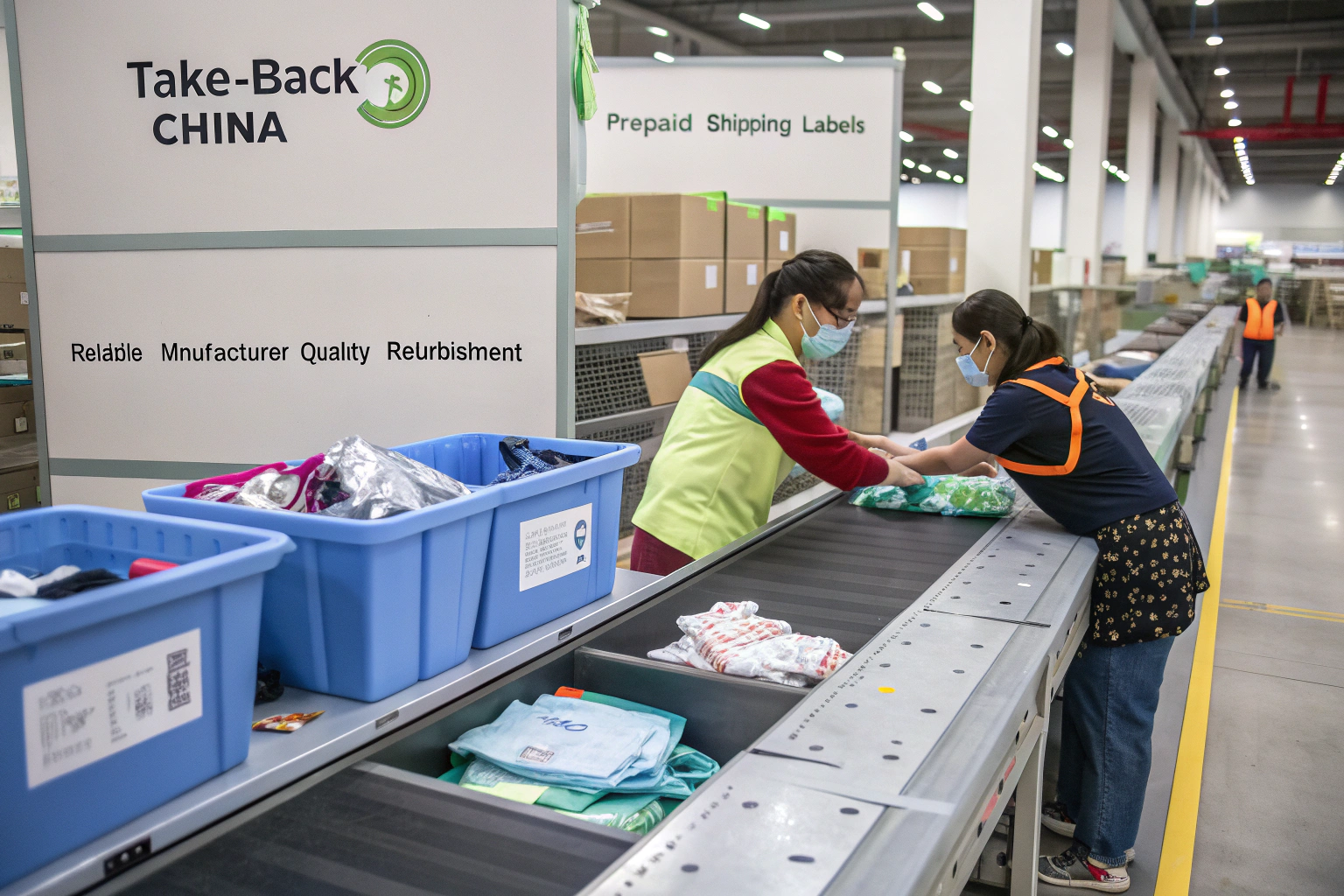
As a children's clothing manufacturer, I see the piles of outgrown kids' clothes every day. Parents struggle with what to do with them. Brands face pressure to be more sustainable. The question isn't if we should address this, but how. Take-back programs offer a powerful solution, turning waste into value and building brand loyalty in a crowded market.
Implementing a kidswear take-back program requires a clear system for collection, sorting, and recycling or reselling items. Successful programs partner with a reliable manufacturer for quality refurbishment, use simple logistics like prepaid shipping labels, and communicate transparently with customers about the environmental impact. This creates a circular economy model that benefits both the brand and the planet.
The journey from a linear "take-make-waste" model to a circular one might seem complex. But by breaking it down into manageable steps, any children's wear brand can build a successful take-back initiative. Let's explore the practical steps to launch a program that resonates with your customers and strengthens your supply chain.
Why are take-back programs crucial for kids' clothing brands?
A well-structured take-back program can significantly enhance your brand's reputation. Today's consumers, especially in North America and Europe, actively seek out brands that demonstrate genuine commitment to the circular economy. By offering a solution to the problem of textile waste, you position your brand as a leader in sustainability. This builds deep trust and loyalty, which translates into repeat purchases and positive word-of-mouth. It's a powerful way to differentiate yourself in a competitive market.

What consumer trends drive the need for take-back schemes?
The demand is clear. Modern parents are more environmentally conscious than ever. They are actively looking for ways to reduce their household's environmental footprint, and the rapid turnover of children's clothing is a primary concern. They prefer to support brands that align with their values. A take-back program directly meets this demand, providing a convenient and responsible disposal method. This aligns perfectly with the FTC Green Guides for legitimate environmental marketing, ensuring your claims are truthful and non-deceptive.
How can a take-back program directly boost your brand's value?
Beyond goodwill, a take-back program creates tangible economic value. Returned garments can be sorted and redirected. High-quality items can be cleaned, refurbished, and resold in a secondary market, creating a new revenue stream. Other items can be recycled into new preferred fibers and materials, reducing raw material costs for future production lines. This closed-loop system insulates your business from volatile raw material prices and builds a more resilient and cost-effective supply chain.
What are the first steps to launching a kidswear take-back program?
Starting a take-back program requires careful planning, not just goodwill. The first phase involves internal strategy and logistics setup. For a business owner like Ron, who values efficiency, a clear and simple process is key to avoiding the pain point of delayed or complicated operations. The goal is to create a system that is easy for both the customer and your internal team to manage.
Begin by defining the scope and goals of your program. Are you focusing on recycling only, or will you include resale? Decide which items you will accept—only your own brand or any children's clothing? Setting clear objectives will guide every other decision. Next, establish the logistics. The easiest method for customers is a prepaid shipping label. They can print it at home, pack the unwanted clothes, and drop the box at a postal service. This simplifies the process for the consumer and encourages participation, directly addressing the common industry issue of low return rates.

How do you set up simple and efficient collection logistics?
The cornerstone of a successful program is a frictionless return process for the customer. Partner with a reliable logistics provider that offers DDP (Delivered Duty Paid) services to ensure a smooth international shipping experience if you are manufacturing in China and serving the US market, like we do at Fumao. Provide a dedicated, branded shipping kit or a simple digital label. Clearly communicate the process on your website and packaging. A seamless logistics experience reflects the same quality assurance and on-time delivery you promise in your core business.
What should you consider when designing the program's policy?
Your program's policy must be transparent and easy to understand. Clearly state what happens to the returned clothes. Will they be recycled, resold, or donated? Consider offering a small incentive to encourage participation, such as a 15% discount on the next purchase. This not only boosts return rates but also drives customer retention and repeat sales. Ensure your policy is easily accessible and communicated across all your promotion channels like Alibaba, your website, and social media.
How do you handle and process the returned clothing items?
Once the clothes start coming back, an efficient sorting and processing system is critical. This is where a strong partnership with your manufacturer becomes invaluable. As a factory with five production lines, we have the expertise to handle this stage, ensuring that the returned items are assessed properly and directed to the most valuable end-of-life solution.
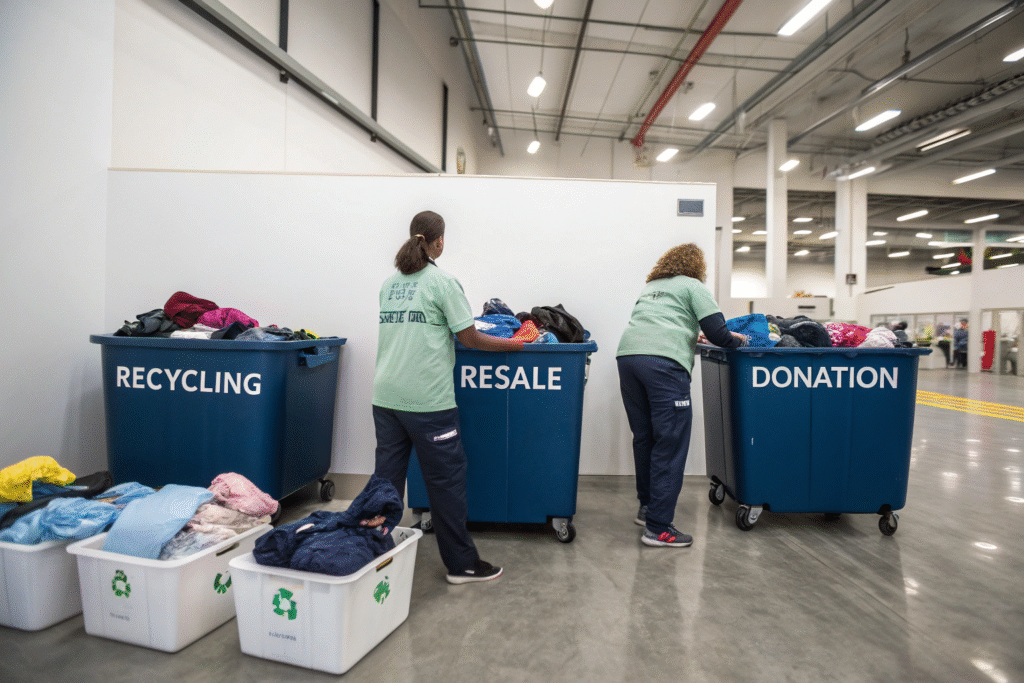
The first step is inspection and sorting. Each returned garment should be checked for quality and type. This process can be broken down as follows:
| Condition | Destination | Potential Outcome |
|---|---|---|
| Like-new or gently worn | Resale Channel | Sold as second-hand, generating revenue |
| Worn or slightly damaged | Recycling | Downcycled into industrial rags or insulation |
| Stained or heavily damaged | Fiber Recycling | Broken down into raw material for new yarns |
Partnering with a manufacturer that understands quality and safety standards like OEKO-TEX is crucial here. They can ensure that items destined for resale are properly refurbished and meet all safety requirements, a key concern for buyers like Ron who are sensitive to quality control and certification.
What are the best options for reselling returned kidswear?
For items in good condition, the resale market is booming. You can launch a dedicated "renewed" section on your e-commerce site or partner with established second-hand platforms. This approach caters to budget-conscious consumers and extends the life of your products. It's a powerful marketing story that showcases your brand's commitment to sustainability without compromising on the value and quality your customers expect.
How can you effectively recycle unsalvageable items?
Garments that are too worn for resale should not go to landfill. They can be recycled. The process involves shredding the fabric and spinning it into new yarn. This is where a manufacturer with expertise in recycled fabrics is essential. They can integrate this recycled material back into your new production cycles, effectively closing the loop and reducing your reliance on virgin materials, which aligns with global environmental standards.
How to communicate your take-back program to maximize participation?
A brilliant program is useless if no one uses it. Strategic communication is key to driving customer engagement. Your messaging should highlight the convenience, the environmental benefit, and the value you are offering back to the customer. This builds a community around your brand and turns a logistics operation into a marketing asset.
Use all your available channels to promote the program. Create dedicated landing pages on your website that explain the "how" and "why." Promote it actively on your social media channels like LinkedIn, Facebook, and Instagram. Include information about the program in your product packaging. For B2B clients and distributors, your sales team should be trained to present the take-back program as a value-added service that helps them meet their own sustainability goals. Clear communication prevents the pain point of inefficient communication that Ron often experiences with suppliers.
What marketing message resonates most with parents?
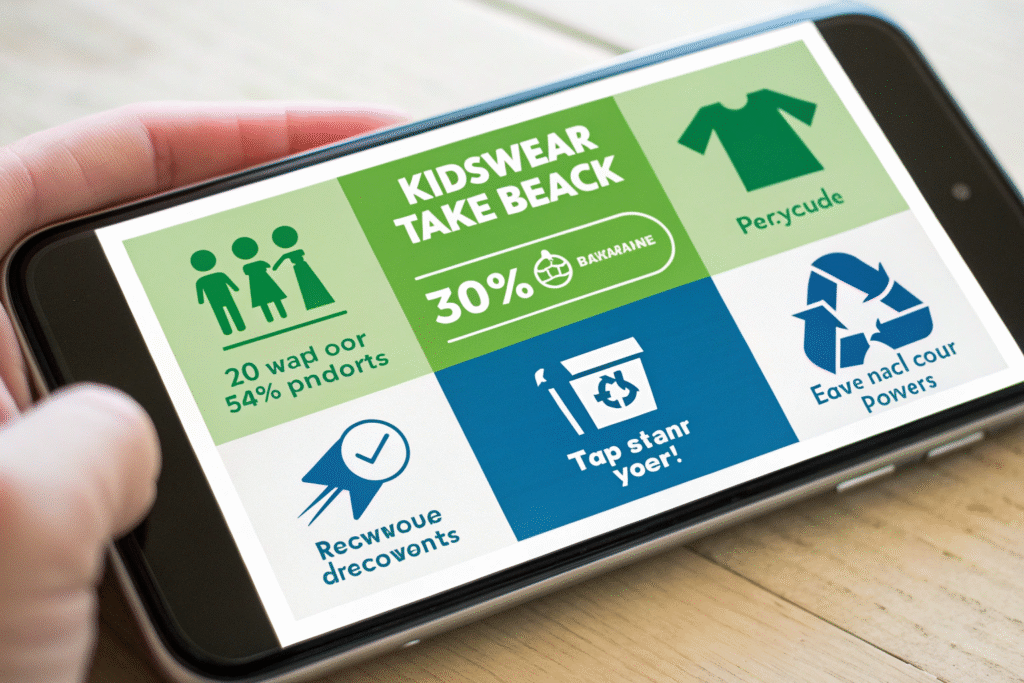
Focus on empowerment and simplicity. Your message should not be about guilt, but about providing an easy solution. Use clear language like, "Give your child's outgrown clothes a new purpose." Emphasize the convenience of the process and the tangible positive impact. Showcasing the specific outcomes—like "every returned bundle saves X liters of water"—makes the benefit real and measurable, building trust and encouraging participation.
How can you use incentives to boost program engagement?
A small incentive can significantly increase return rates. Offer a discount code, loyalty points, or a small gift with their next purchase. This transforms the act of returning old clothes into a rewarding experience. It also directly drives repeat business, turning your sustainability program into a powerful customer retention tool. This strategy demonstrates a deep understanding of sales psychology and addresses the buyer's constant search for competitive prices and added value.
Conclusion
Implementing a take-back program for kidswear is no longer a niche idea but a strategic imperative for forward-thinking brands. It addresses critical environmental concerns, meets evolving consumer demands, and builds a more resilient, circular business model. From setting up simple logistics to communicating the value effectively, each step strengthens your brand and creates a competitive edge.
Ready to build a sustainable future for your children's clothing line? Partner with a manufacturer that understands the entire cycle, from production to recycling. Contact our Business Director, Elaine, today at elaine@fumaoclothing.com to discuss how Shanghai Fumao can help you implement a successful and profitable take-back program for your brand.