Navigating the complex world of international logistics can be a daunting task for children's wear brands. Delays, unexpected costs, and compliance issues can quickly turn a promising order into a logistical nightmare, jeopardizing your ability to meet crucial selling seasons and satisfy your customers. We understand these challenges intimately, which is why we've dedicated years to refining a supply chain that is both resilient and efficient.
A successful kids wear export logistics strategy hinges on a holistic approach that integrates meticulous planning, robust partnership selection, and proactive risk management. It's about creating a seamless flow from the factory floor to the customer's door, ensuring that high-quality, compliant garments arrive on time and within budget, every single time. By mastering the key components of international shipping, brands can transform their supply chain from a source of stress into a competitive advantage, enabling them to scale confidently in the dynamic North American and European markets.
Let's delve into the critical steps you can take to build a logistics framework that supports your brand's growth and protects your reputation.
What Are The Key Factors In Kids Wear Logistics Planning?
Getting your kids wear logistics right from the start is non-negotiable. A single oversight in planning can lead to cascading delays, skyrocketing costs, and missed market opportunities. We've seen how proper planning separates thriving brands from those constantly fighting fires.
A solid logistics plan acts as your roadmap. It aligns your production schedule with your shipping method and your market launch date. This coordination prevents costly warehouse pile-ups and ensures your new collections hit stores exactly when consumers are ready to buy. For children's clothing, this timing is often tied to specific seasons or holidays.
Why Is Lead Time Management Crucial For Seasonal Collections?
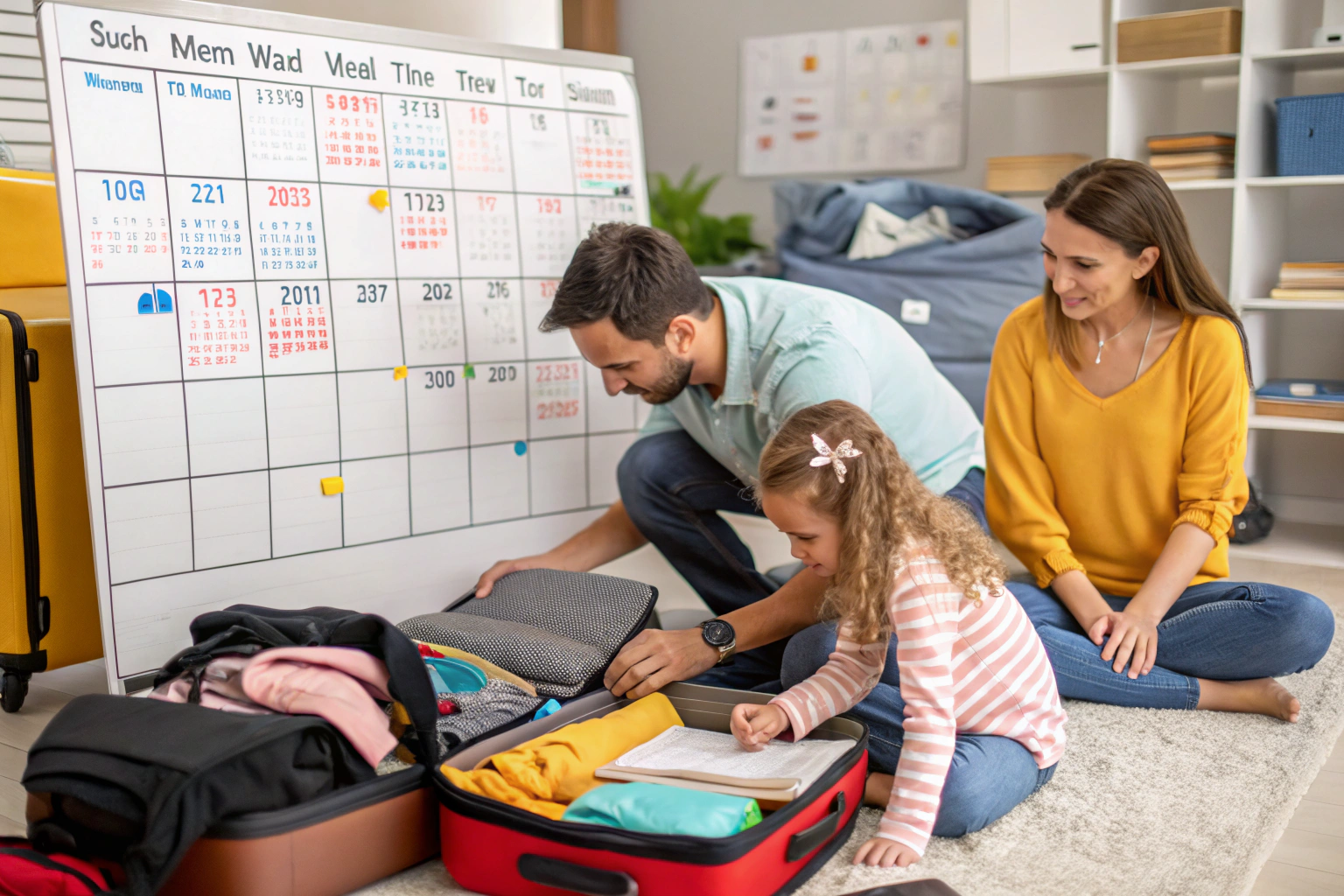
Lead time is the total time from placing an order to receiving the goods. For kids wear, especially seasonal items like winter coats or summer swimwear, managing this timeline is critical. A delay of just a few weeks can mean missing the entire selling season, resulting in heavy discounting and profit loss.
We break down lead time into clear phases: production time, inland transit, and international shipping. By understanding each phase, we create buffer periods for unexpected events. This detailed scheduling allows us to promise and deliver on time, so your Halloween costumes or Christmas pajamas are on shelves with plenty of selling time left. Partnering with a manufacturer that has a proven track record of on-time delivery is your best defense against seasonal misses.
How Can You Navigate International Trade Compliance?
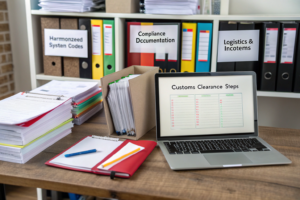
Trade compliance is a complex but vital part of logistics. It involves adhering to the import laws and regulations of the destination country. For children's apparel, this goes beyond simple tariffs; it includes strict safety standards and labeling requirements.
Non-compliance can lead to goods being rejected at the border, destroyed, or returned at your expense. We ensure compliance by staying updated on regulations like CPSIA in the USA and EN 71 in Europe. Our team handles the necessary documentation and ensures all products, from infant bodysuits to toddler dresses, meet the required certification standards. This proactive approach provides you with peace of mind and a smooth customs clearance process.
How To Choose The Right Shipping Partner For Garment Export?
Your choice of shipping partner can make or break your supply chain. The right partner brings reliability, transparency, and expertise. The wrong one can lead to a constant stream of problems, from lost shipments to murky tracking information.
We view our logistics partners as an extension of our own team. We don't just select the cheapest option; we select the most reliable one for your specific needs. This involves evaluating their experience with garment exports, their network in your target market, and their ability to handle the entire process, including the final mile delivery.

What Is The Difference Between FCL, LCL, And Air Freight?
Selecting the right shipping method is a balance of cost, speed, and volume.
- FCL (Full Container Load): You rent an entire shipping container. This is cost-effective for large orders and offers more security as your goods are isolated.
- LCL (Less than Container Load): Your shipment shares container space with other companies. Ideal for smaller orders, but transit times can be longer due to consolidation.
- Air Freight: The fastest option, best for high-value, time-sensitive items or to quickly restock best-selling products. It is the most expensive per kilo.
The following table compares these core methods:
| Method | Best For | Cost | Speed | Key Consideration |
|---|---|---|---|---|
| Air Freight | Small, urgent, high-value orders | Highest | Fastest (Days) | Ideal for avoiding stockouts |
| LCL Shipping | Medium-sized orders, test runs | Medium | Slow (Weeks) | Consolidation can cause delays |
| FCL Shipping | Large, seasonal volume orders | Lowest per unit | Slow (Weeks) | Requires enough volume to fill a container |
Why Is DDP A Preferred Incoterm For US Importers?
Incoterms define the responsibilities of buyers and sellers in international shipping. We often recommend DDP (Delivered Duty Paid) for our US-based clients. Under DDP, we, the seller, handle all the risks and costs. This includes shipping, insurance, and most importantly, paying the import duties and taxes.
This model provides you with a huge advantage. You know the total landed cost of your goods upfront, with no surprise fees upon arrival. It simplifies your accounting and logistics, allowing you to focus on sales and marketing. For brands that want a hands-off, predictable, and streamlined import process, DDP service is the most straightforward and secure choice.
How To Ensure Quality Control During Garment Shipping?
Your products leave our factory in perfect condition, and they must arrive with your customer in that same state. Quality control doesn't end at production; it extends throughout the entire shipping journey. Damage during transit can ruin a perfect order, leading to returns and brand damage.
We implement a multi-layered approach to protect your kids wear during transit. This involves both the physical packaging and the handling processes. Our goal is to ensure that every garment, from delicate baby knitwear to sturdy kids' jeans, arrives ready for retail, without the need for expensive pressing or repairs.
What Packaging Solutions Prevent Damage In Transit?
The right packaging is your first line of defense. We go beyond standard cardboard boxes. Our packaging is tailored to the product type.
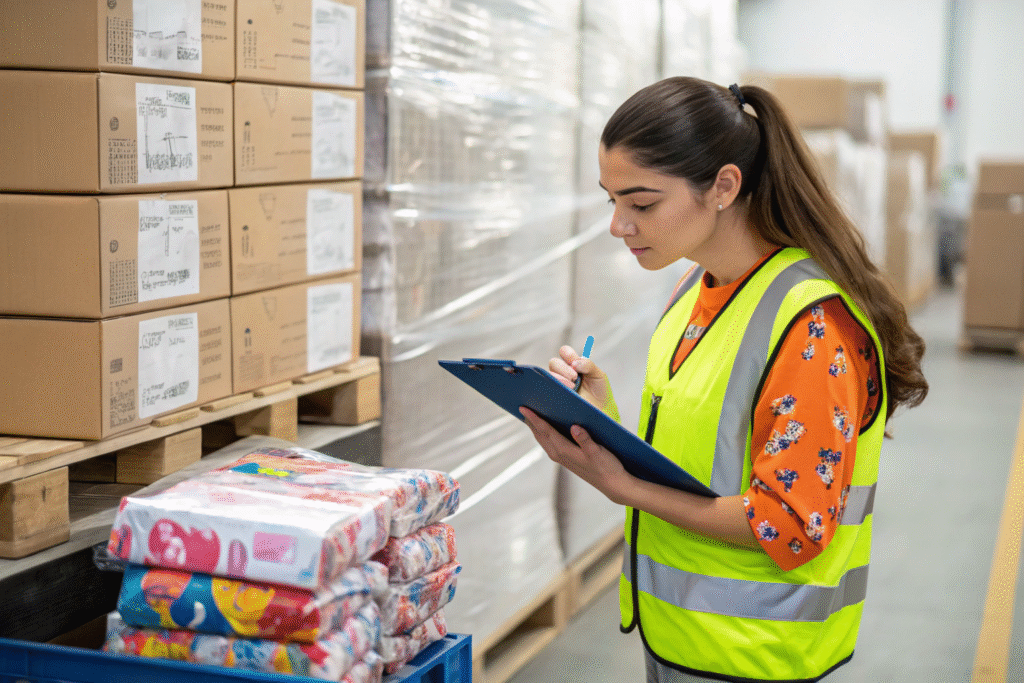
- Knitted Garments: These are prone to stretching and snagging. We use tissue paper folding and poly bags to prevent friction. For premium items, we use hanger packs or garment boxes to avoid creasing.
- Woven Garments: These can be tightly folded and packed. We use sturdy, size-appropriate cartons to prevent crushing.
- Overall Strategy: We use moisture-resistant barriers and secure palletization to protect against humidity and rough handling. This attention to detail preserves the premium quality of your products from our door to yours.
How Does Pre-Shipment Inspection Mitigate Risks?
A final pre-shipment inspection is a critical checkpoint. This inspection happens after all items are packed and ready to leave our warehouse. It's our last chance to catch any issues before the goods enter the logistics chain.
Our quality team checks a random sample from the entire order against a strict checklist. We verify the quantity, style, size assortment, packaging, labeling, and overall workmanship. This process ensures that what is documented on the shipping manifest is exactly what is inside the cartons. This final verification gives you the confidence that your order is 100% correct, minimizing the risk of claim disputes and ensuring a smooth receipt of goods.
How To Leverage Technology For Logistics Transparency?
In today's world, guessing where your shipment is located is unacceptable. A lack of visibility creates anxiety and prevents you from planning your inventory and marketing activities effectively. Modern logistics is driven by technology that provides real-time data and clear communication.
We integrate technology at every stage to give you full transparency. From the moment your order is placed to the second it arrives at your warehouse, you have access to tracking information. This empowers you to make informed business decisions and manage your expectations accurately.
What Is The Role Of A Digital Tracking System?
A digital tracking system is the backbone of logistics transparency. We provide you with a unique tracking number for your shipment. You can use this number on our platform or our partner's website to see the real-time status of your order.
This system shows you the shipment's location, its departure and estimated arrival dates, and any updates or exceptions. This level of visibility is crucial for planning your workforce for unloading and for communicating with your own retail partners. It eliminates the "black hole" of international shipping and replaces it with predictable, data-driven management.
Why Are Integrated Communication Platforms Vital?
Technology also improves communication. We use integrated platforms that keep all communication—emails, documents, and updates—in one centralized place. This is our solution to the common client pain point of inefficient communication.
Instead of long email chains that can lose information, you have a single source of truth for your order. This allows for faster response times and clearer instructions. For you, this means less time spent managing the logistics process and more time focused on growing your brand. This commitment to clear and efficient communication is a core part of our service, ensuring we are always aligned and responsive to your needs.
Conclusion
Implementing an effective logistics strategy for kids wear export is not a single action but a continuous, integrated process. It requires careful planning in lead times and compliance, a strategic choice of shipping partners and terms, vigilant quality control throughout the transit journey, and the leverage of modern technology for full transparency. By mastering these elements, you can build a resilient and reliable supply chain that drives your brand's growth and protects its reputation in the competitive children's fashion market.
A seamless logistics operation is the foundation of a successful partnership. We invite you to experience the difference that a dedicated and expert manufacturing partner can make. Let us help you streamline your supply chain from concept to delivery. For a direct conversation about how we can support your specific needs and produce your next children's wear collection, please contact our Business Director, Elaine, at elaine@fumaoclothing.com. We are ready to become your trusted team in China.