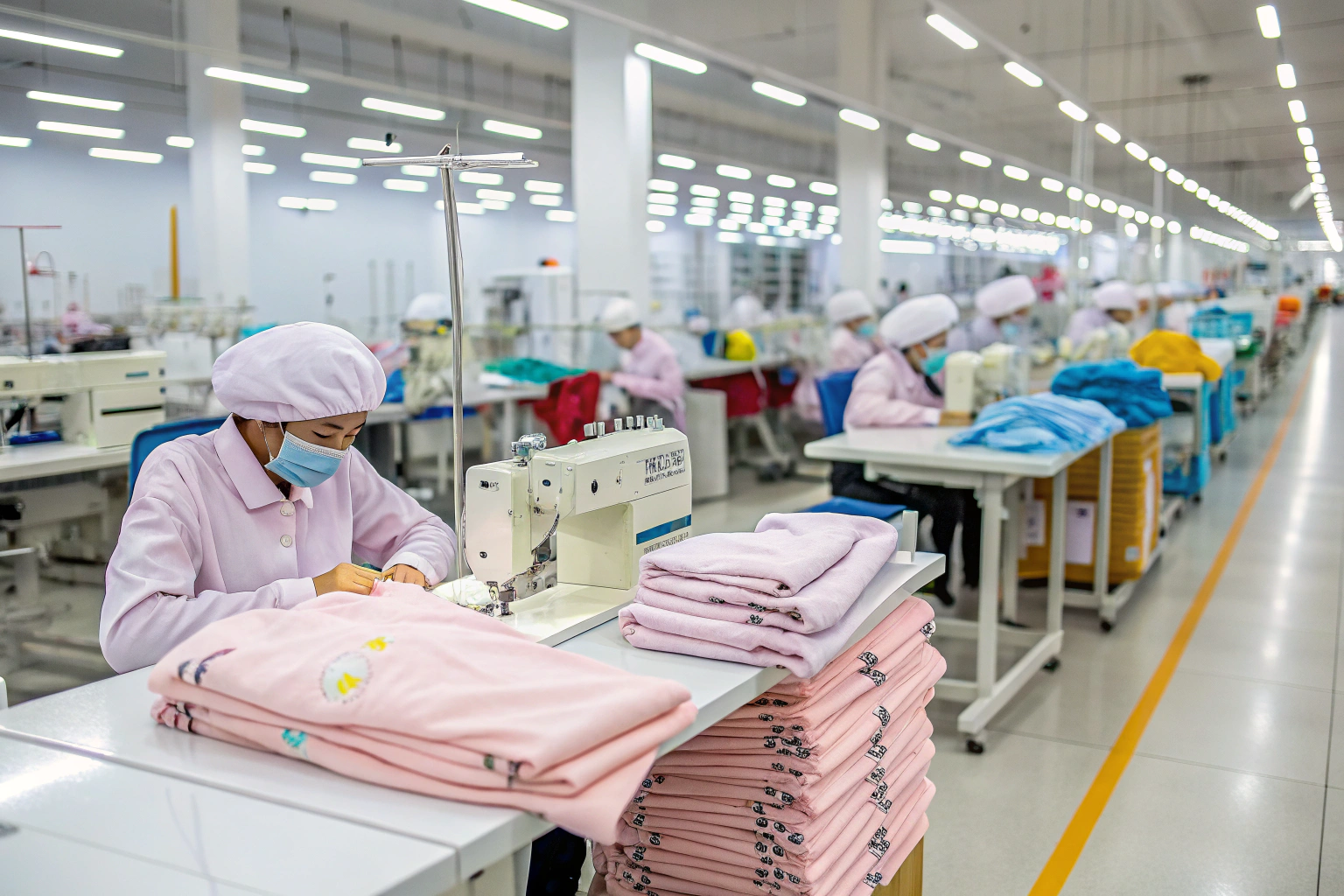
Parents across the globe are paying closer attention to the origins of the clothes they buy for their children. Issues such as fair pay, safe working spaces, and eco-conscious materials are no longer secondary concerns—they directly influence purchasing behavior. A 2024 Nielsen study revealed that more than 70% of North American parents were willing to pay a higher price for pajamas produced in factories that follow ethical and sustainable practices.
Locating an ethical manufacturer for kids’ sleepwear involves multiple layers of evaluation: confirming certifications, assessing labor conditions, testing product safety, and verifying transparency within the supply chain. Brands that succeed in these areas earn parental trust and secure a stronger market position.
Which certifications highlight ethical compliance?
Certification is often the very first checkpoint that sourcing teams use to determine whether a factory can be trusted.

What are the most relevant certifications?
- OEKO-TEX® Standard 100: Ensures that fabrics are tested against harmful substances, essential for sensitive skin.
- GOTS (Global Organic Textile Standard): Applies not only to organic fibers but also to processing, dyeing, and labor rules.
- BSCI (Business Social Compliance Initiative): Confirms factories respect labor rights, wages, and safe working hours.
- Fair Trade Certified™: Promotes equitable pay and investment in workers’ communities.
Why are they important for pajamas?
Children’s sleepwear remains in contact with skin for extended hours. For this reason, chemical-free fabrics and ethical production become indispensable. Parents often scan tags for OEKO-TEX® or GOTS before making a purchase, and retailers treat these labels as guarantees of compliance.
Through which channels can ethical suppliers be found?
Ethical factories can be identified through trade events, verified databases, and professional networks.

What are practical ways to connect with suppliers?
- Global fairs: Exhibitions such as Première Vision in Paris and Intertextile Shanghai often feature suppliers specializing in sustainable children’s wear.
- Online platforms: Databases like Fibre2Fashion and Alibaba Verified Suppliers allow filtering by certification.
- Industry groups: The Ethical Trading Initiative links buyers with approved partners.
Are small brands excluded?
Not at all. Today many ethical manufacturers accommodate low minimum order quantities (MOQs), enabling startups to enter the market. Some pajama producers in India and China even accept initial orders of 500–800 units, helping young labels test the market before scaling.
How can workplace conditions be verified?
Documentation alone cannot guarantee compliance; direct verification is essential.

What should buyers examine?
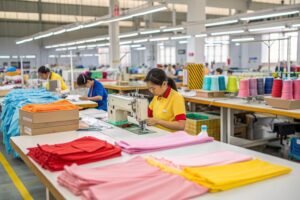
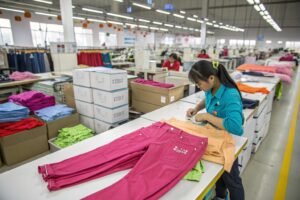
- Safety arrangements: Emergency exits, proper ventilation, and access to first aid.
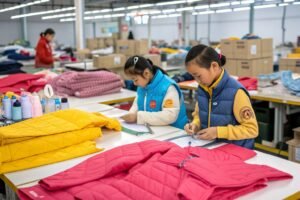
- Labor rights: Clear wage policies, humane schedules, and zero tolerance for child labor.
- Audit records: Reports from independent audits such as SA8000 or SMETA provide strong evidence.
Why are inspections valuable?
Site visits—whether virtual or in person—confirm whether daily operations align with documented promises. In 2023, several brands faced criticism after sourcing from certified factories that failed to uphold real working standards. Verification helps prevent such reputational risks.
How is product safety guaranteed?
Children’s pajamas are subject to some of the toughest safety rules worldwide.

What standards must be met?
- Flammability (CFR 1615/1616, U.S.): Requires garments to resist ignition under strict testing.
- Chemical safety: Prohibits hazardous elements such as lead, phthalates, and formaldehyde.
- Durability checks: Sleepwear must maintain shape, safety features, and fabric integrity after repeated washing.
How does compliance support reputation?
When families see terms like “Flame-Resistant” or “OEKO-TEX® Certified,” they gain reassurance that the product is both safe and responsibly made. For retailers, compliance helps prevent recalls and strengthens credibility.
Conclusion
Finding ethical manufacturers of children’s pajamas is a structured process. It requires brands to assess certifications, sourcing methods, labor practices, and safety compliance before entering partnerships. Though it demands careful work, the result is trust from parents and long-term reputation for the brand.
At Shanghai Fumao, we produce sleepwear under OEKO-TEX®, GOTS, and BSCI standards. Our facilities prioritize safe working conditions, sustainable sourcing, and strict quality testing. By combining ethical practices with verified safety, we deliver garments that parents can trust. For inquiries or collaborations, please reach out to our Business Director Elaine at elaine@fumaoclothing.com.