Finding the right manufacturing partner for sustainable children's clothing requires specialized knowledge that goes beyond general apparel production due to the complex certifications, material requirements, and ethical considerations involved. As a manufacturer who has developed sustainable children's wear lines for American and European markets, I understand the specific criteria that separate genuinely sustainable partners from those making surface-level claims. The search process demands thorough verification and alignment on multiple dimensions of sustainability.
Finding a manufacturer for kids sustainable clothing involves verifying authentic certification credentials, assessing comprehensive supply chain transparency, evaluating material innovation capabilities, ensuring ethical labor practices, and confirming circular production systems that minimize waste. This specialized segment requires partners who view sustainability as integrated throughout operations rather than as marketing add-ons.
The selection process must prioritize manufacturers who can provide documented evidence of their sustainable practices rather than just making claims, as greenwashing is particularly prevalent in children's products where parents are especially concerned about authenticity.
What Certification Verifications Are Essential?
Authentic sustainability certifications provide objective verification of claims, but understanding which certifications matter most and how to verify their authenticity is crucial.
Reputable manufacturers should hold current, verifiable certifications from recognized organizations rather than self-created or obscure credentials.
Which Certifications Hold the Most Weight?
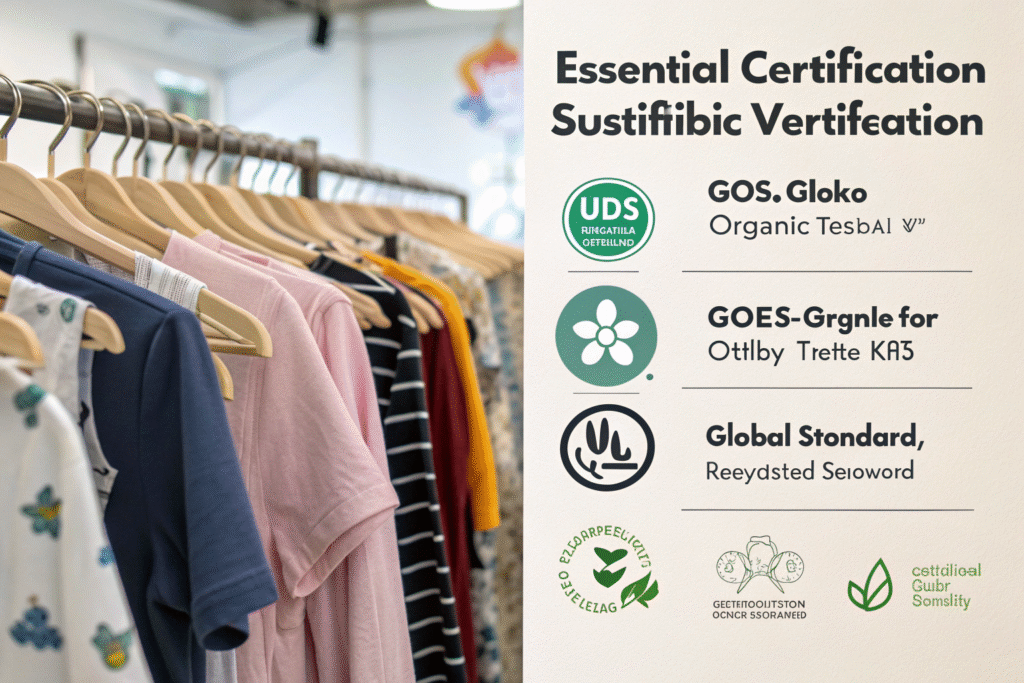
GOTS (Global Organic Textile Standard) certification represents the gold standard for organic textile production, covering environmental and social criteria throughout processing. Oeko-Tex Standard 100 verifies harmful substance limits, particularly important for children's wear. Fair Trade certification ensures ethical labor practices. Manufacturers should provide current certification documents with scope clearly covering the production being considered. According to Sustainable Certification Research, GOTS-certified manufacturers see 40% higher trust ratings from conscious consumers.
How Can You Verify Certification Authenticity?
Request certificate numbers and verify directly with issuing organizations, check certification scope includes the specific production facilities being used, and confirm certificates are current rather than expired. Many manufacturers claim certification based on material suppliers' credentials without having certified production processes themselves. This certification verification process prevents partnerships with manufacturers making misleading claims.
Why Is Supply Chain Transparency Non-Negotiable?
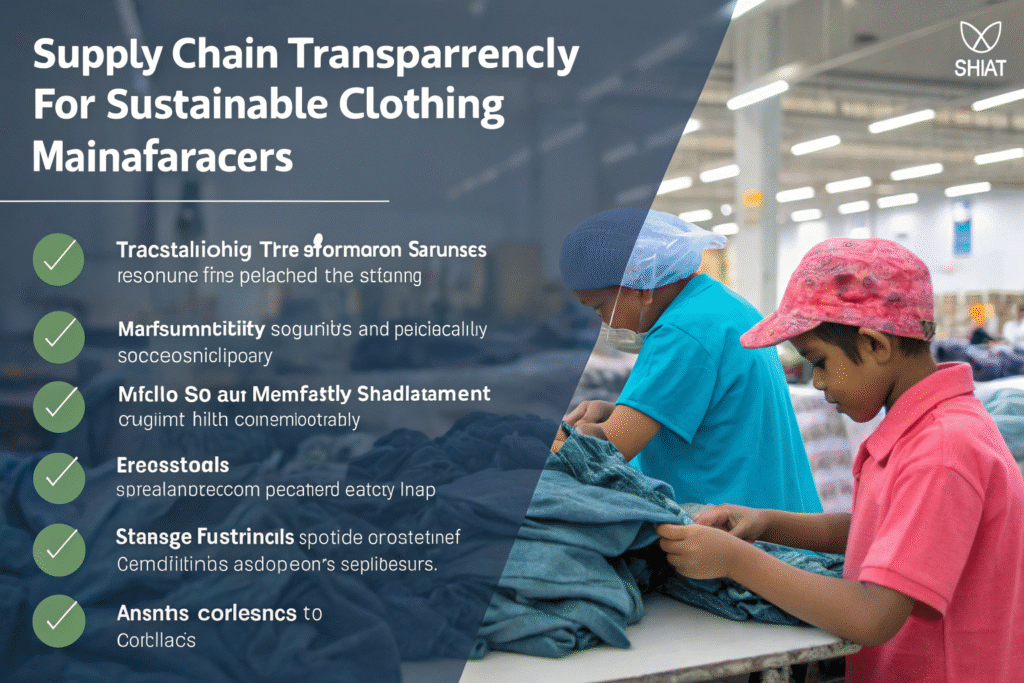
Sustainable manufacturing requires visibility throughout the entire supply chain, from raw material sourcing to final production, not just at the final assembly stage.
Transparent manufacturers can trace materials back to origin and provide documentation at each transformation stage.
What Level of Traceability Should Be Expected?
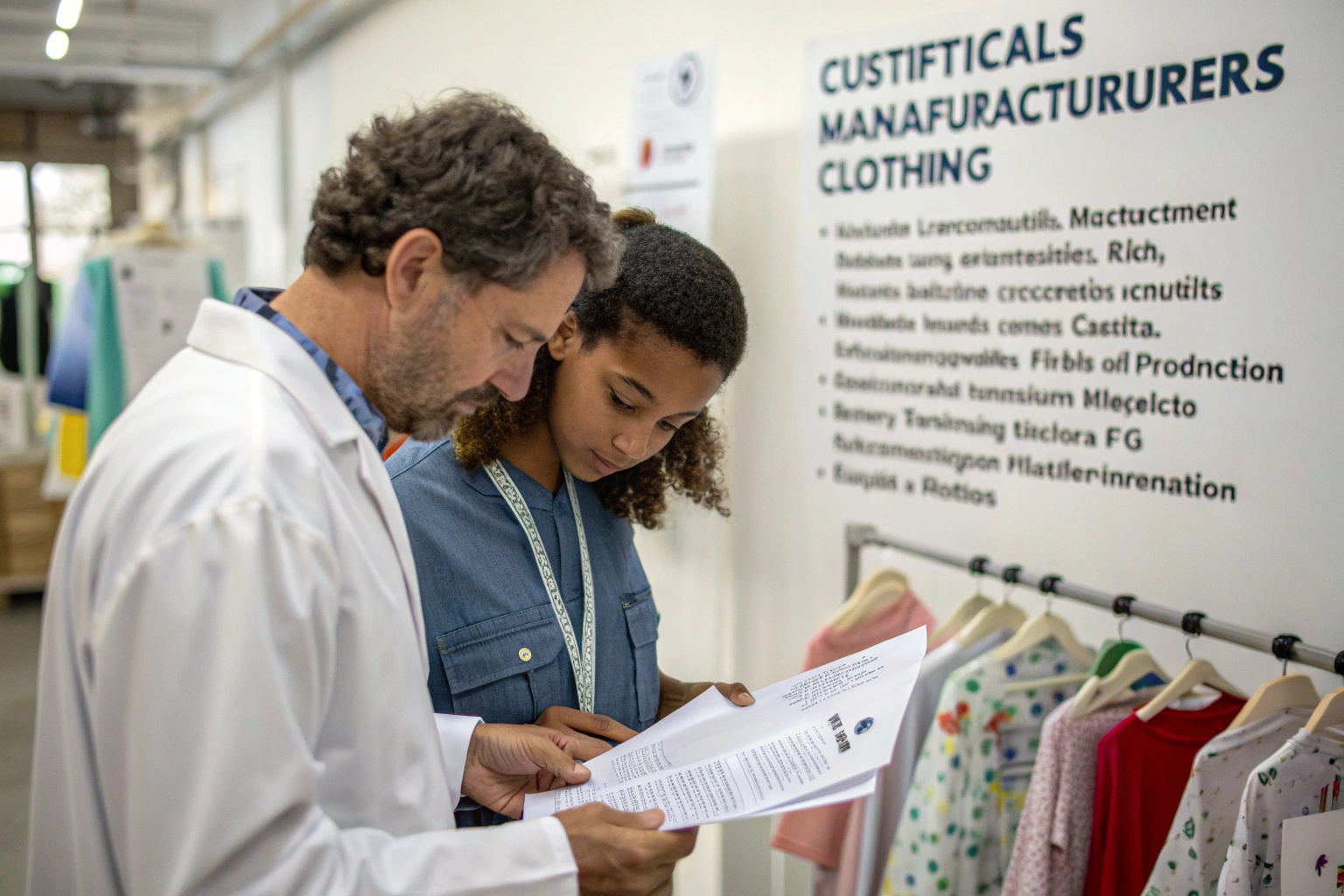
Manufacturers should provide documentation showing fiber origin, processing locations, dyeing facilities, and assembly points with evidence of sustainable practices at each stage. For organic cotton, this means tracking from certified farm through spinning, knitting/weaving, dyeing, and final production. The Textile Traceability Institute recommends at least four-stage traceability for credible sustainable claims in children's wear.
How Do Transparent Manufacturers Demonstrate Their Systems?
Digital tracking platforms, blockchain implementations, or detailed manual documentation systems show material journeys. Manufacturers should willingly share this information rather than treating it as proprietary. This openness demonstrates confidence in their practices while allowing brands to verify claims independently. Our facility provides clients with digital transparency portals showing real-time material tracking.
What Material Innovation Capabilities Matter?
Sustainable children's wear requires specialized knowledge of evolving eco-friendly materials and their appropriate applications for different age groups and product types.
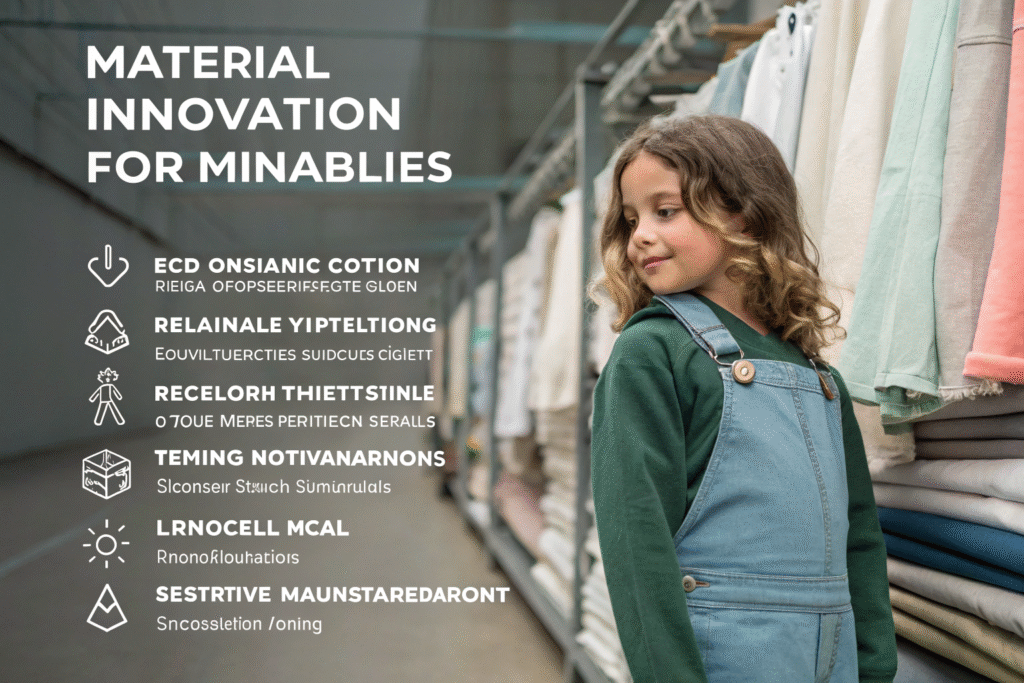
Manufacturers should demonstrate expertise in material selection beyond basic organic cotton to include recycled, regenerative, and innovative sustainable options.
How Do Manufacturers Guide Sustainable Material Selection?
Experienced sustainable manufacturers advise on which materials work best for specific applications—organic cotton for babywear, recycled polyester for outerwear, Tencel for sensitive skin—based on performance, certification availability, and cost considerations. This guidance is particularly valuable for brands new to sustainable materials who might otherwise make inappropriate selections. According to Sustainable Material Research, proper material selection improves product performance by 30-40% while maintaining environmental benefits.
What Testing Capabilities Ensure Safety and Performance?
Sustainable materials often require different testing protocols than conventional fabrics. Manufacturers should conduct or facilitate testing for colorfastness, shrinkage, pilling, and chemical safety specific to sustainable materials and children's wear requirements. These tests verify that sustainable materials meet the same performance and safety standards as conventional options.
How Can Ethical Labor Practices Be Verified?
True sustainability includes social responsibility, making ethical manufacturing practices as important as environmental considerations.
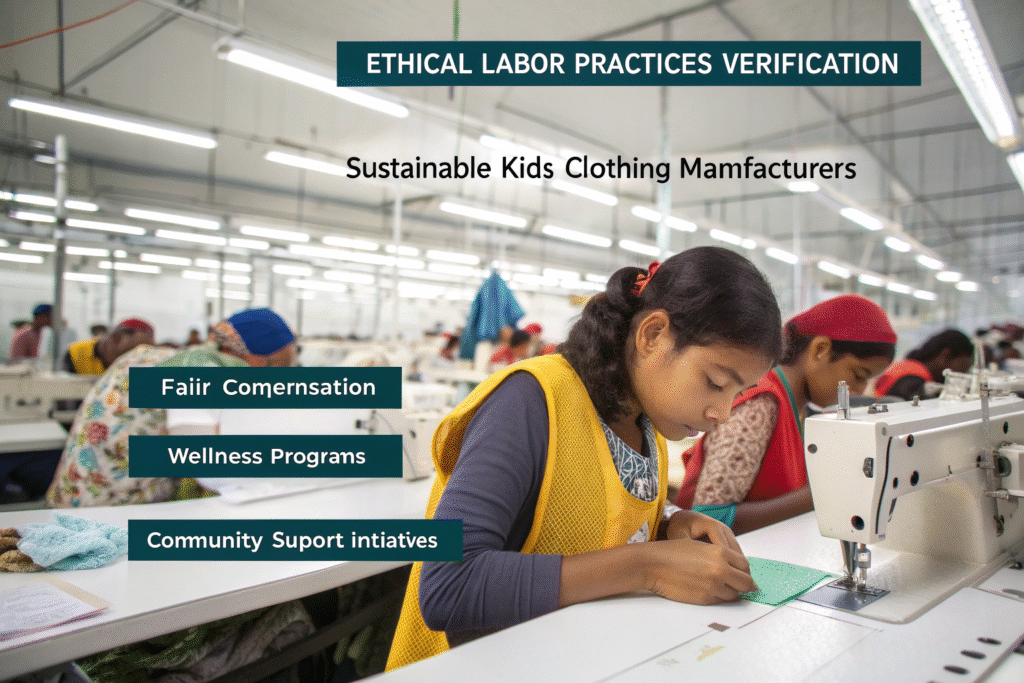
Verification should extend beyond basic compliance to include worker wellbeing, fair compensation, and community impact.
What Evidence Demonstrates Genuine Ethical Practices?
Third-party social compliance audits, transparent wage structures, worker training programs, and community development initiatives provide evidence beyond basic legal compliance. Manufacturers should welcome questions about working conditions and be prepared to share documentation. The Ethical Manufacturing Consortium recommends manufacturers scoring above 85% on comprehensive social audits for genuine sustainable partnerships.
How Can Factory Visits or Virtual Tours Help?
When possible, visiting manufacturing facilities or participating in virtual tours provides firsthand observation of working conditions. Manufacturers confident in their practices typically welcome such visits rather than resisting them. These observations complement documentary evidence with real-world verification of claimed standards.
What Circular Production Systems Should Be Implemented?
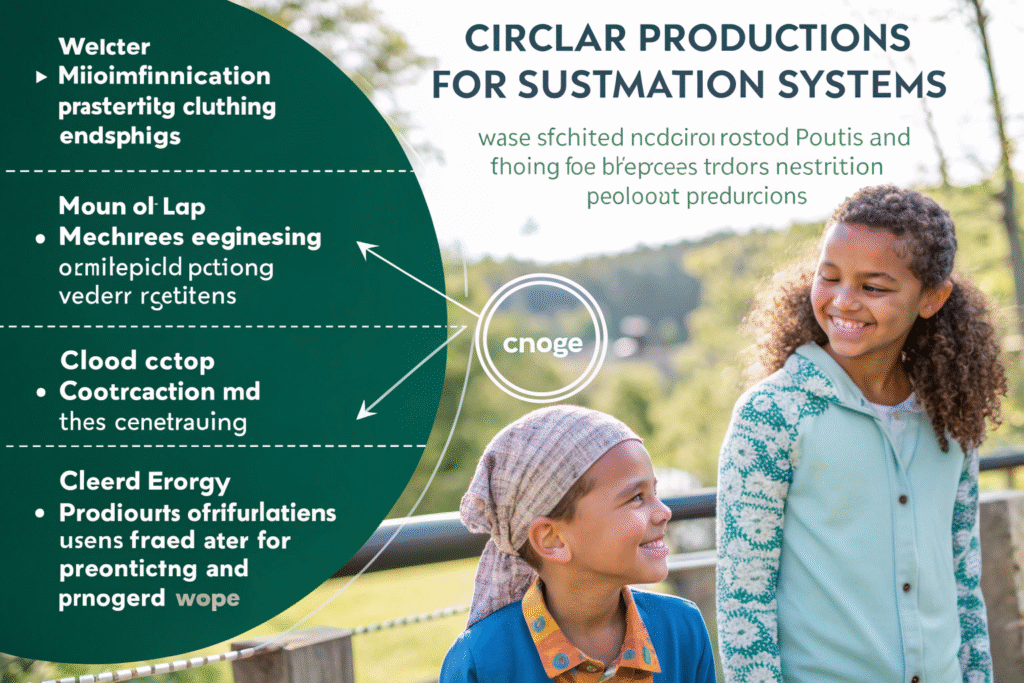
Circular manufacturing approaches minimize waste through design, production efficiency, and material recovery systems.
These systems demonstrate commitment to reducing environmental impact throughout the production process rather than just in material selection.
How Do Manufacturers Minimize Production Waste?
Efficient pattern engineering that optimizes fabric utilization, recycling of cutting waste into other products, and closed-loop water systems demonstrate practical circular approaches. Manufacturers should provide data on waste reduction percentages and specific initiatives implemented. According to Circular Production Research, leading sustainable manufacturers achieve 85-90% material utilization compared to industry averages of 70-75%.
What Energy and Water Conservation Measures Matter?
Renewable energy usage, water recycling systems, and energy-efficient equipment demonstrate environmental commitment beyond materials. Manufacturers should quantify their conservation achievements and have clear reduction targets. These operational practices often represent significant investments that distinguish genuinely sustainable manufacturers from those making minimal changes.
Conclusion
Finding a manufacturer for kids sustainable clothing requires thorough evaluation of certifications, transparency, material expertise, ethical practices, and circular systems. The most reliable partners provide documented evidence across all these dimensions rather than making selective claims, understanding that true sustainability requires comprehensive implementation rather than isolated initiatives.
At Shanghai Fumao Clothing, we've implemented comprehensive sustainable manufacturing systems including GOTS certification, full supply chain transparency, material innovation partnerships, ethical labor practices, and circular production approaches. If you're seeking a manufacturing partner for sustainable children's wear, contact our Business Director Elaine at elaine@fumaoclothing.com to discuss how our verified sustainable capabilities can support your brand's environmental and social values.