Finding the right manufacturer for kids' dancewear is a specialized pursuit that demands precision, technical understanding, and a deep respect for the unique demands of young, growing bodies in motion. Dancewear—encompassing leotards, tights, ballet skirts, tap shoes, and more—is not simply activewear; it is engineered apparel that must provide unrestricted movement, durability under extreme stress, and a flawless, second-skin aesthetic. As a manufacturer who has navigated this niche, I can confirm that the partner you choose will directly impact the safety, performance, and perceived quality of your brand.
To find the right manufacturer for kids dancewear, you must identify factories with expertise in high-stretch, performance knit fabrics (like nylon/Lycra® blends), mastery of complex garment construction for flexibility and durability, experience with specialized components (elastics, hooks, drawstrings), and a proven track record in producing to the precise, often demanding, fit standards required by dance studios and competitions.
The search requires a filter that goes beyond general apparel or even standard sportswear capabilities. Let's outline the targeted steps to secure a manufacturing partner that can execute the technical artistry of children's dance apparel.
What Technical Expertise in Fabrics and Construction is Non-Negotiable?
Dancewear fabrics are a science. They must withstand incredible stretching, repetitive abrasion (from floors and barres), and frequent, often harsh, laundering without losing shape, color, or integrity. The construction techniques must ensure seams lie flat, do not chafe, and move as one with the fabric.
Non-negotiable expertise includes deep knowledge of performance stretch knits (primarily nylon/spandex and polyester/spandex blends), skill in four-way stretch pattern making to ensure perfect ergonomic fit, and mastery of flatlock and coverstitch sewing to create durable, flexible seams. The factory must also understand fabric opacity (critical for leotards and tights) and moisture-wicking properties for active genres like jazz or hip-hop.
How to Assess a Factory's Mastery of High-Stretch Materials?
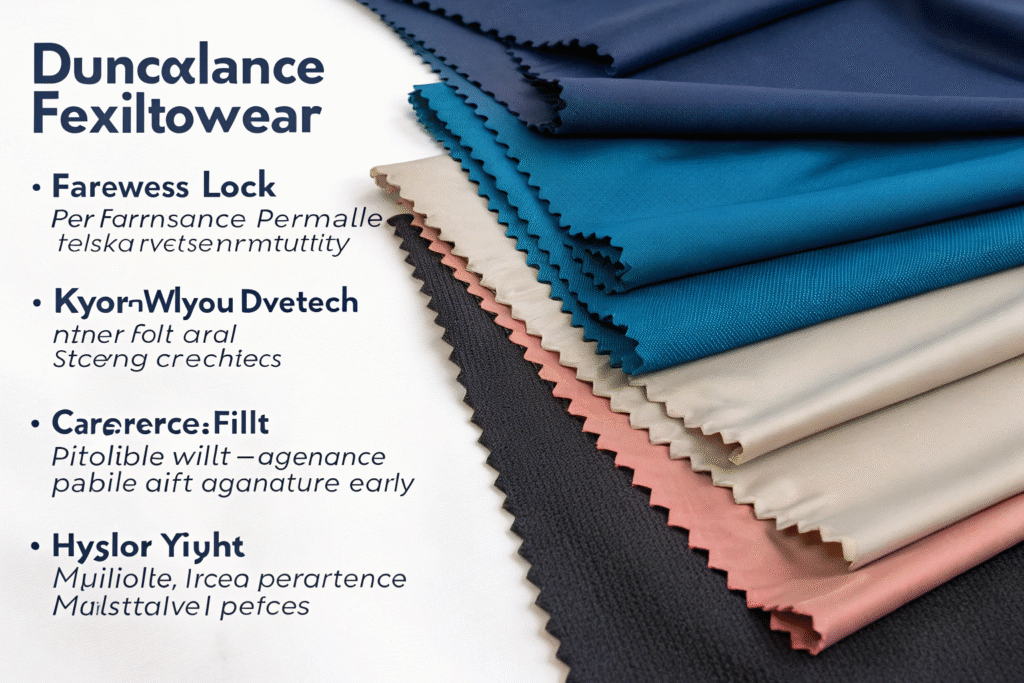
Don't just ask if they use "stretch fabric." Drill into specifics. Request swatches of their standard dance fabrics. Ask about:
- Fabric Composition and Weight: Do they work with standard 82% Nylon / 18% Lycra® blends? Can they source mesh, velvet, or suede fabrics for specific styles?
- Performance Testing: Do they test for abrasion resistance (Martindale), colorfastness to perspiration and chlorinated water (for dance studios with floors cleaned with bleach), and pilling resistance?
- Stretch and Recovery: Can they provide data on horizontal and vertical stretch percentages and, critically, recovery rate? A fabric that bags out after one class is useless.
A manufacturer with true expertise will have established relationships with mills like Supplex® or Meryl® and will be able to advise you on the best fabric for a toddler's ballet class versus a competitive teen's lyrical routine.
Why is Seam Construction and Elastic Application So Critical?
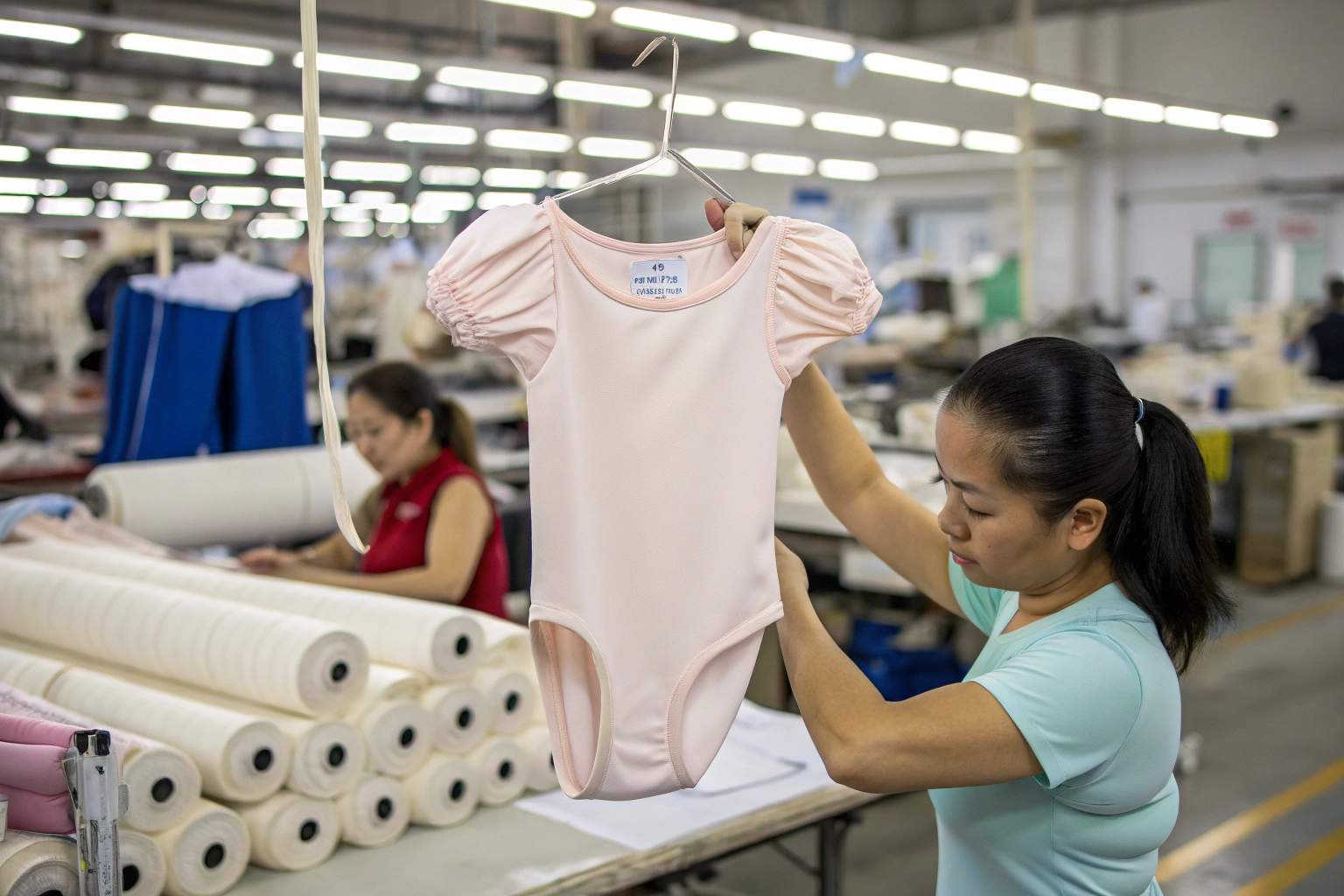
In dancewear, seams are high-failure points. Flatlock seams are essential as they lie flat against the skin and stretch without binding. Coverstitch hems allow for professional, stretchy finishes. The application of elastics at leg openings, waistbands, and sleeves is an art. It must be even, secure, and use the correct tension and width of elastic to provide gentle grip without digging in or rolling. Poor elastic application is the number one cause of customer complaints in dancewear. Ask to see samples and physically test the elasticity and smoothness of their finishes.
How to Verify Compliance with Safety and Performance Standards?
While dancewear may not have the same flammability regulations as sleepwear, it has its own stringent safety and performance requirements. These relate to fit security, durability, and chemical safety, especially given the close skin contact and high physical exertion.
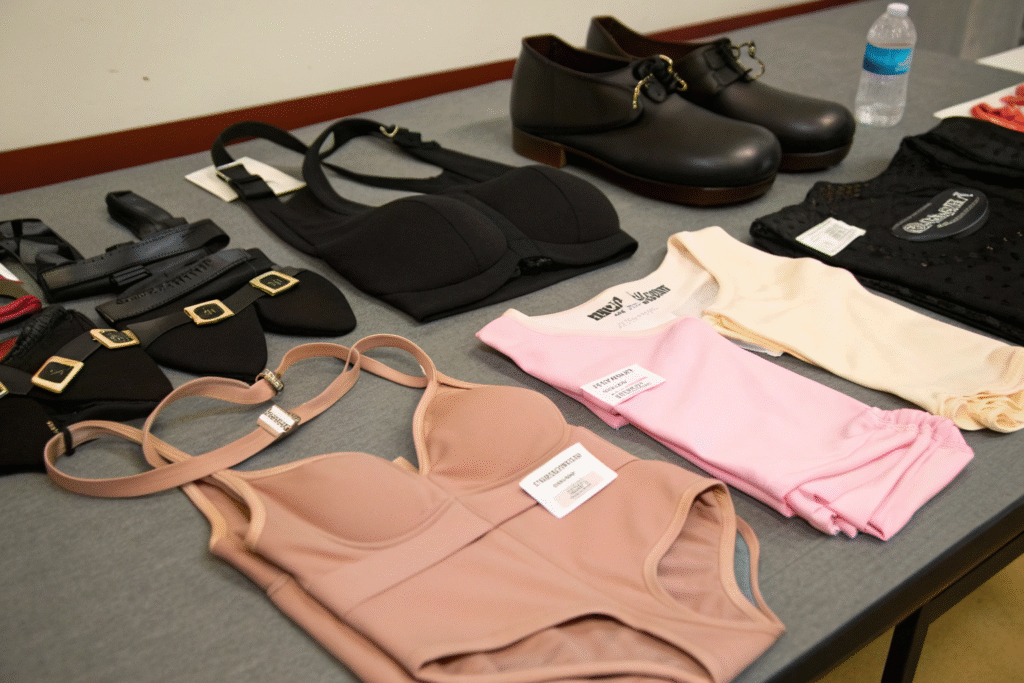
Verification requires ensuring the manufacturer understands the need for secure fastenings (e.g., sturdy hooks on tap shoes, reliable clasps on bras), the elimination of itchy tags (through printed labels or tagless construction), and compliance with general children's product safety standards (like CPSIA in the US for lead/phthalates). For tights and leotards, opacity testing under stretch is a key quality checkpoint.
What Are the Key Fit and Safety Concerns Specific to Children's Dancewear?
Children's bodies are growing and constantly in motion. Safety in design is paramount:
- Secure Fit: Garments must stay in place during jumps, spins, and bends to prevent embarrassing malfunctions and allow focus on movement.
- No Choking Hazards: Ensure all decorations (rhinestones, sequins) are permanently and securely attached.
- Appropriate Coverage: Designs must be age-appropriate, providing modesty and support suitable for a child's body.
- Breathability: Fabrics must allow for heat and moisture dissipation to prevent overheating during intense rehearsals.
The manufacturer should have a design sensibility that balances style with these fundamental safety and practical needs.
How to Validate a Factory's Quality Control for Performance?
A factory's Quality Control (QC) protocol for dancewear must be rigorous. Ask about their inspection points:
- Pre-production: Fabric inspection for defects.
- In-line: Checking seam strength, elastic application, and stitch consistency on the production line.
- Final Audit: A full inspection of finished garments, including a fit check on a form or live model, opacity check, and function test for any fastenings.
They should employ an AQL (Acceptable Quality Level) system tailored to the high standards of dancewear, where even minor flaws are unacceptable. Request to see a sample QC report.
How to Evaluate a Manufacturer's Experience with Different Dance Genres?
The needs of a ballet dancer differ vastly from those of a hip-hop or acro dancer. A manufacturer with a broad portfolio demonstrates the adaptability to handle varied technical requirements.
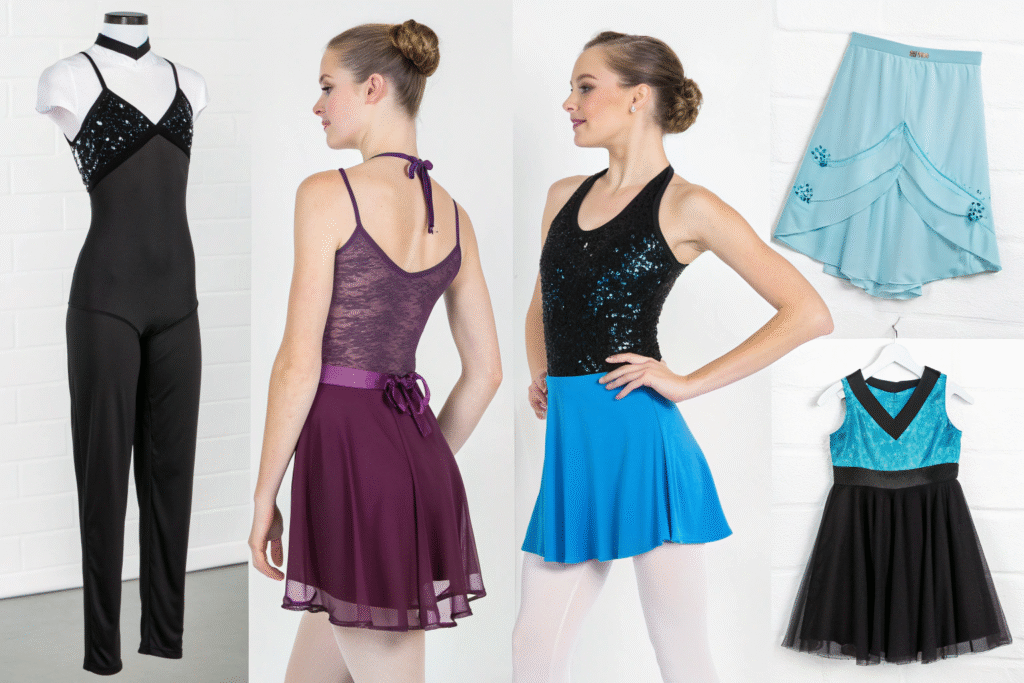
Assess their experience by reviewing samples across categories: classical ballet (leotards, skirts, tights), jazz/tap (jazz pants, tops, costumes with flair), contemporary/lyrical (flowy skirts, unitards), and street styles (baggy pants, graphic tops). Their understanding of costuming—adding detachable skirts, sleeves, or embellishments—is also a valuable asset.
What Should You Look for in a Ballet-Focused Manufacturer?
For ballet, precision is everything. Look for:
- Expertise in Sheer Fabrics: The ability to work with and match colors in powder pink and salmon transition tights.
- Knowledge of Traditional Styles: Understanding the differences between a camisole, tank, and cap-sleeve leotard, and how to properly attach elastic for convertible tights.
- Attention to "Line": The cut of the garment should enhance the dancer's line, not disrupt it. This requires sophisticated pattern making.
A manufacturer experienced in ballet will often have connections to dance schools or companies, which can be a strong validation of their reputation.
How is Manufacturing for "Acro" or "Gymnastics" Wear Unique?
Acro wear demands the ultimate in durability and flexibility. It often involves:
- High-Cut Leg Lines: For maximum range of motion in splits and kicks.
- Reinforced Seams: Especially in the crotch and underarm areas.
- Gripper Technology: Some styles include silicone gripper elastic at the legs to prevent riding up during holds and poses.
- Two-Piece Sets: For modesty and fit security during inversions.
A factory's ability to handle these specialized requirements signals a deep technical capability.
What Are the Realistic Cost and Timeline Considerations?
Dancewear manufacturing involves specialized materials and labor-intensive construction, which impacts cost and lead times. Understanding this structure from the outset prevents budget overruns and ensures you can meet key retail dates (like recital season).
Costs are driven by premium stretch fabrics, complex construction labor, and often smaller production runs. Timelines must account for extended fit sampling (critical for dancewear), fabric sourcing for specialized materials, and thorough performance testing.
How Do Technical Fabrics and Construction Impact Unit Cost?
Expect a higher cost per unit than basic children's apparel. Key drivers:
- Fabric: Performance nylon/spandex is more expensive than cotton jersey.
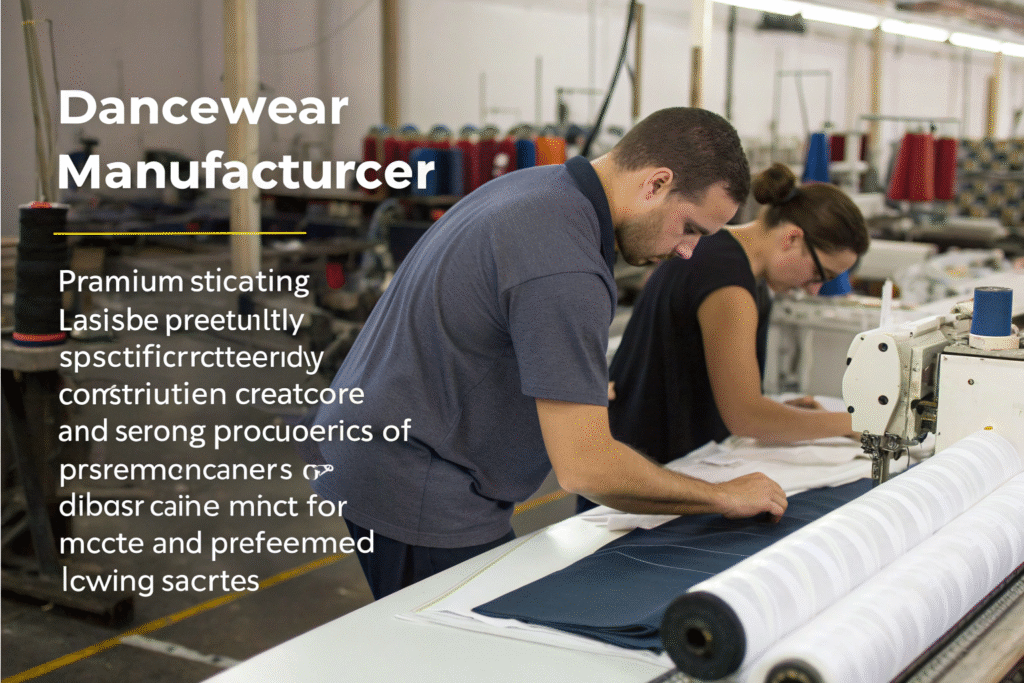
- Labor: Flatlock sewing is slower than overlook sewing. Attaching elastics and applying decorative details (like mesh inserts or rhinestones) is time-consuming.
- Trims: Quality elastic, specialty threads, and secure fasteners add cost.
A transparent manufacturer will provide a detailed costing sheet, not just a single unit price. Be wary of quotes that seem too good to be true—they often indicate inferior materials or construction.
What is a Typical Development Timeline for a New Dancewear Style?
Rushing dancewear development leads to fit disasters. A responsible timeline includes:
- Fabric Sourcing & Development: 4-6 weeks for standard materials, longer for custom fabrics or prints.
- Pattern Making & Fit Samples: 3-4 weeks, often requiring 2-3 rounds of samples on a fit model to perfect stretch and movement.
- Performance Testing: 2-3 weeks for opacity, stretch recovery, and colorfastness.
- Bulk Production: 4-6 weeks for cutting, sewing, and finishing.
- QC & Shipping: 1-2 weeks.
Total: ~14-20 weeks from concept to shipment. This underscores the need to plan well ahead of key seasons (e.g., starting fall recital wear in early spring).
Conclusion
Finding the right manufacturer for kids' dancewear is a process of finding a technical partner, not just a production facility. It requires vetting for specialized fabric knowledge, engineering-level construction skills, an understanding of genre-specific needs, and a commitment to the rigorous safety and fit standards demanded by young dancers. The goal is to align with a factory that understands that dancewear is a tool for performance, where every seam, stitch, and centimeter of elastic plays a role in a child's confidence and ability.
At Fumao Clothing, we have developed expertise in the precise realm of performance knits and technical garment construction, making us an ideal partner for brands entering the demanding and rewarding kids' dancewear market. If you are building a brand that needs to move, stretch, and perform flawlessly, let's connect. Contact our Business Director, Elaine, at elaine@fumaoclothing.com to discuss how we can bring your dancewear vision to life with precision and quality.