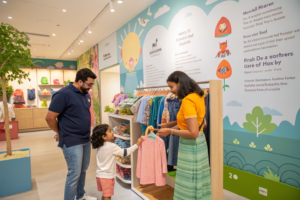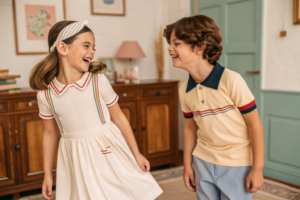
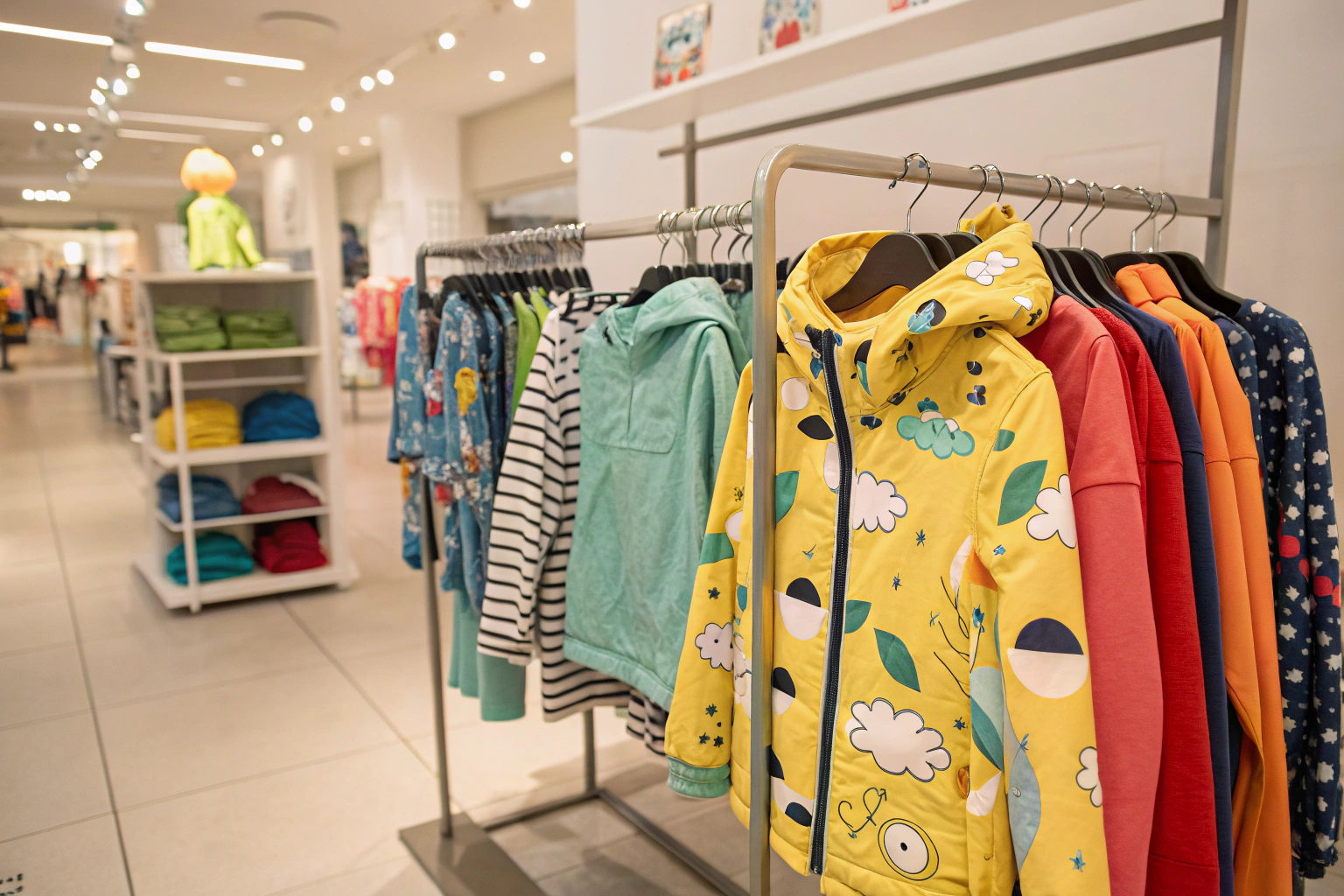
Walking through a children's department store last season, I noticed something troubling - rack after rack of nearly identical clothing. As the owner of Fumao Clothing, I've worked with hundreds of brands, and the ones that succeed aren't necessarily those with the biggest budgets, but those who understand how to create something truly distinctive. The children's wear market is crowded, but opportunities for differentiation are everywhere if you know where to look.
To develop a kids clothing line that stands out, focus on solving specific parenting problems through innovative design, develop a strong brand story with authentic values, leverage emerging trends before competitors, and create multi-functional garments that grow with children. The most successful brands identify unmet needs in the market and build their entire collection around addressing those needs.
The differentiation challenge isn't just about aesthetics - it's about creating a cohesive brand ecosystem that resonates with both parents and children. While many brands focus on surface-level design elements, the truly successful ones build their identity around deeper values, innovative functionality, and memorable experiences that create loyal customers rather than one-time purchasers.
How Can You Identify Underserved Market Opportunities?
The foundation of a distinctive clothing line begins with recognizing gaps in the current market that others have overlooked. This requires moving beyond traditional market research to observe real parenting challenges and children's needs that haven't been adequately addressed by existing products.
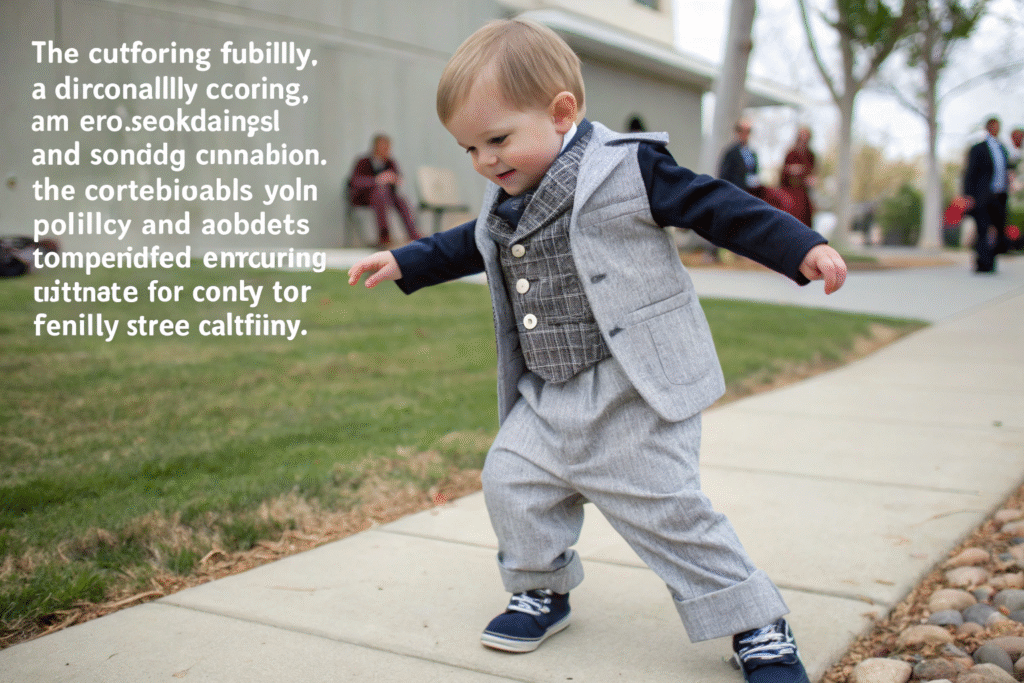
Start by analyzing what parents complain about in online forums, social media groups, and product reviews. Common pain points include clothing that doesn't withstand multiple washes, designs that limit children's movement, and sizing inconsistencies between brands. We recently developed a successful line extension after noticing numerous parents discussing the difficulty of finding comfortable, non-restrictive formal wear for toddlers that could survive active play at weddings and family events.
What research methods reveal genuine customer needs?
Ethnographic research provides insights surveys often miss. Visit parks, schools, and family homes to observe how children actually interact with their clothing. Notice where garments fail - knees wearing through first, shirts riding up during play, difficult fastenings causing frustration. Combine these observations with data from Google Trends to identify growing search terms like "sensory-friendly kids clothes" or "adaptive clothing for toddlers." This mixed-method approach revealed to us the growing demand for gender-neutral designs that don't sacrifice style, leading to our popular "Colors of Childhood" collection.
How can you analyze competitor weaknesses effectively?
Create a detailed competitor analysis matrix that goes beyond product features. Evaluate competitors across dimensions like price positioning, material quality, brand storytelling, sustainability practices, and customer service responsiveness. Look for patterns in negative reviews - if multiple competitors receive complaints about shrinking cotton or fading prints, you've identified an opportunity. We discovered that none of our clients' competitors offered comprehensive size inclusivity beyond standard sizing, prompting us to develop extended sizing protocols that became a key differentiator for several partner brands.
What Makes A Compelling Brand Story and Identity?
In a market where product features can be quickly copied, a authentic brand story and cohesive identity become your most sustainable competitive advantages. Parents increasingly seek brands whose values align with their own parenting philosophy, creating emotional connections that transcend transactional relationships.
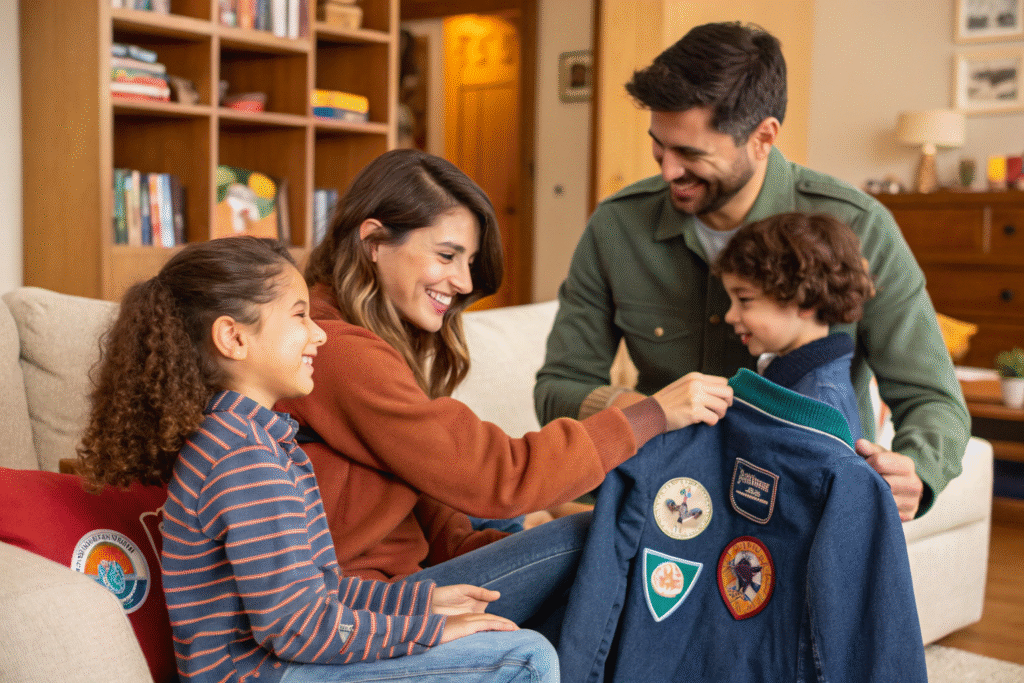
Your brand story should articulate why you exist beyond making clothing. Are you solving a specific problem? Continuing a family tradition? Advocating for a cause? One of our most successful partner brands built their identity around "clothing for messy creativity," with each garment including a detachable art patch that children could paint or decorate. This simple concept generated enormous social media engagement and justified their premium pricing through unique experiential value.
How can values integration create differentiation?
Identify 2-3 core values that genuinely reflect your brand's mission and integrate them throughout your business operations. If sustainability is a value, document your supply chain transparency with specific details about fabric sources and factory conditions. If inclusivity is a value, ensure it's reflected in your sizing, marketing imagery, and design considerations for children with different abilities. We help our partners implement these values practically - like using Global Organic Textile Standard certified fabrics and providing detailed documentation about our manufacturing processes to support their brand storytelling.
What visual identity elements create memorability?
Develop a distinctive color palette that goes beyond predictable pastels. One emerging brand we work with uses sophisticated earth tones rarely seen in children's wear, immediately setting them apart on crowded retail shelves. Create signature design elements that become recognizable trademarks - whether it's a unique collar shape, custom-developed prints, or specialized stitching details. Our design team helps brands develop these signature elements while ensuring they don't compromise functionality or comfort, creating that perfect balance of form and function that parents appreciate.
How Can Functional Innovation Create Competitive Advantage?
Functional innovations that solve real problems create barriers to competition that purely aesthetic differences cannot match. Parents are practical purchasers who appreciate clever solutions to everyday challenges, making functional improvements powerful drivers of brand preference and loyalty.
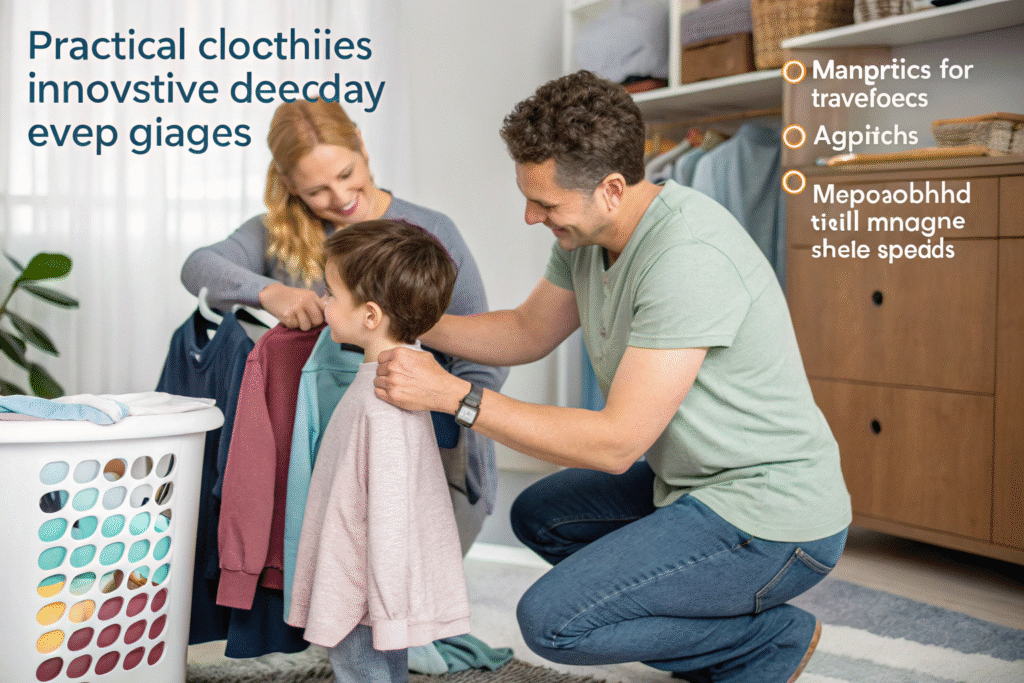
Consider the entire lifecycle of a garment from dressing through washing to storage. Where can you remove friction? We've helped brands integrate magnetic closures instead of difficult snaps for quicker diaper changes, create reversible designs that effectively double a wardrobe, and incorporate growth tucks that can be let out as children grow. These practical innovations often generate more word-of-mouth referrals than the most beautiful decorative elements.
What performance features do modern parents value?
Today's parents prioritize easy care, durability, and adaptability. Develop fabrics with built-in stain resistance that doesn't wash out, reinforced knees that withstand crawling, and stretch technologies that allow freedom of movement. One of our most successful innovations was creating a temperature-regulating lining for outerwear that adjusts to indoor and outdoor environments, eliminating the need for multiple layer changes. These performance features justify premium pricing while solving genuine parenting challenges.
How can you design for growth and longevity?
Children grow approximately 7 sizes in their first two years, making longevity a significant concern for cost-conscious parents. Design with adjustable features - expandable waistbands, roll-up sleeves and pants, and strategic seam allowances that allow for letting down. Create convertible garments that transform - a sleeping bag that becomes a play mat, a jacket that converts to a vest. We've helped brands implement these multi-functional designs while maintaining aesthetic appeal, creating products that parents keep for younger siblings rather than reselling or discarding.
What Role Do Materials and Sustainability Play in Differentiation?
Material selection has evolved from a behind-the-scenes manufacturing decision to a front-and-center brand differentiator. Environmentally conscious parents are increasingly making purchasing decisions based on material safety, sustainability credentials, and ethical production practices.
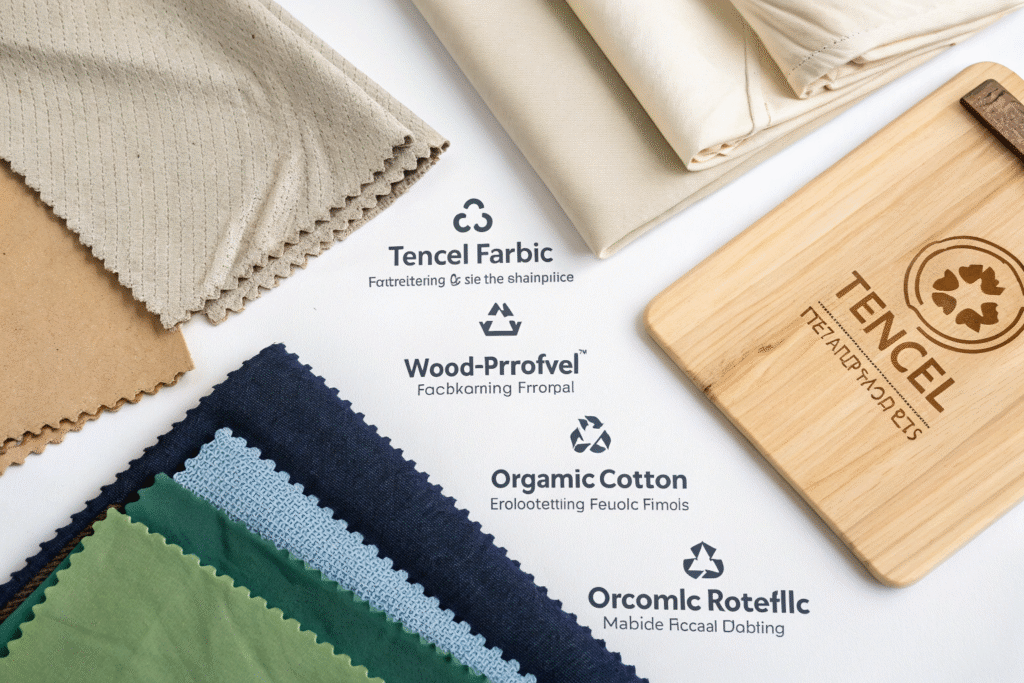
Move beyond basic cotton and polyester to explore innovative fabrics with compelling stories. We've helped brands integrate materials like Tencel™ (made from sustainable wood sources), REPREVE® (recycled from plastic bottles), and organic pima cotton with traceable origins. These materials not only offer superior performance characteristics but also provide authentic content for brand storytelling and justification for premium pricing.
How can material innovation enhance performance?
Technical fabrics developed for athletic wear are increasingly finding applications in children's clothing due to their durability, comfort, and functional benefits. Explore moisture-wicking properties for activewear, UV protection for sunwear, and antimicrobial treatments for frequently worn items. We recently developed a collection using bluesign® certified fabrics that ensure environmental safety throughout production, providing both performance benefits and sustainability credentials that resonated strongly with eco-conscious parents.
What sustainability practices genuinely resonate with customers?
Transparency and specific commitments resonate more than vague claims. Instead of simply saying "sustainable," document your journey with measurable goals - "50% recycled materials by 2025" or "water usage reduced by 30% through innovative dyeing techniques." Implement circular economy principles like repair programs, take-back initiatives, or upcycling opportunities. We help brands communicate these concrete sustainability efforts through hangtags, website content, and social media storytelling that builds trust and differentiates them from competitors making empty claims.
Conclusion
Developing a kids clothing line that stands out requires a strategic approach that balances aesthetic appeal with functional innovation, authentic storytelling with practical problem-solving, and commercial viability with meaningful differentiation. The most successful brands don't just create clothing - they create solutions, experiences, and connections that resonate deeply with modern families.
Standing out begins with understanding what parents and children truly need, not just what competitors are already offering. If you're ready to develop a distinctive children's wear collection that captures attention and builds loyalty, we have the manufacturing expertise and market insights to help bring your vision to life. Contact our Business Director, Elaine, to discuss how we can partner to create something truly special. Reach her directly at elaine@fumaoclothing.com.