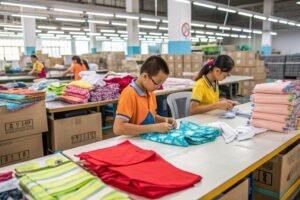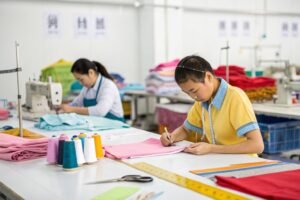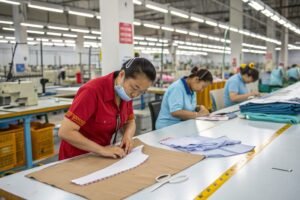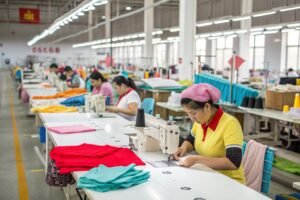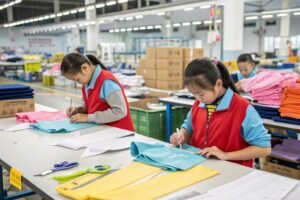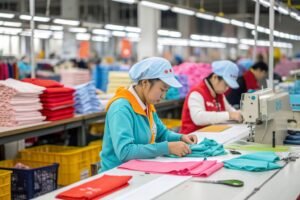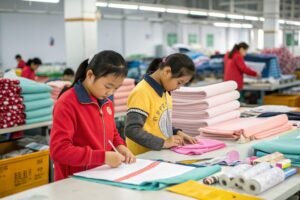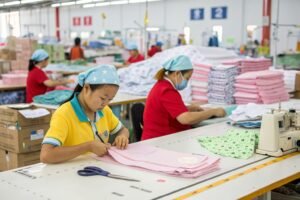
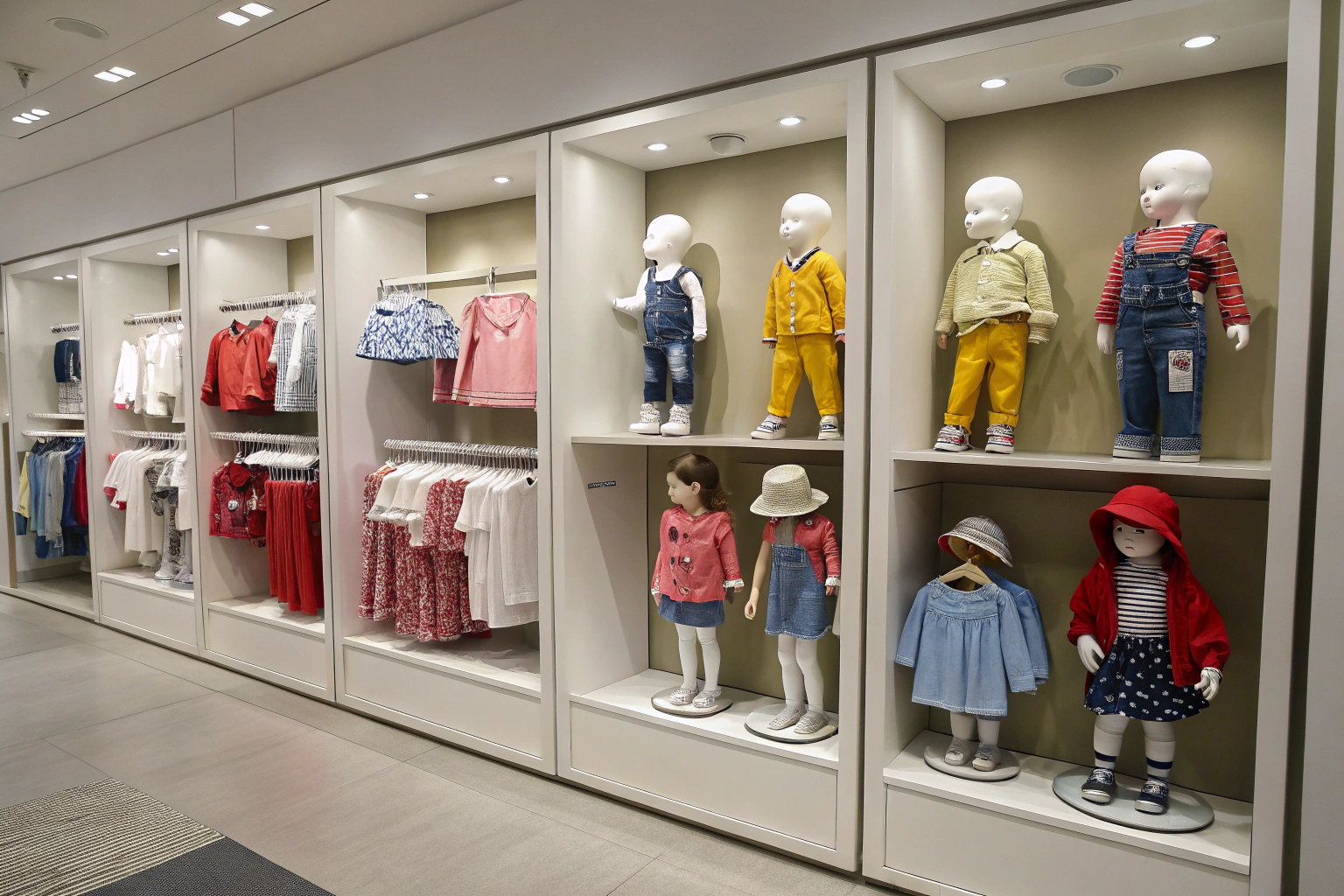
Developing a successful kids clothing collection requires understanding the distinct needs of each age group. Many brands struggle with creating cohesive collections that address the varying physical, developmental, and style requirements across different childhood stages. At Fumao Clothing, we’ve specialized in manufacturing age-specific children’s wear for decades, serving American and European brands with collections that resonate with both parents and children.
Successful kids clothing collections address five key age groups: newborns (0-3 months), infants (3-12 months), toddlers (1-3 years), young children (4-7 years), and tweens (8-12 years), with each category requiring specific design considerations for safety, comfort, functionality, and style. Understanding these distinctions allows brands to create targeted collections that meet exact market needs while maximizing retail performance across multiple demographic segments.
The most effective approach combines developmental understanding with market awareness, creating garments that support children’s growth while appealing to parental purchasing priorities. Let me share the framework we’ve developed through years of manufacturing for successful children’s wear brands.
What Are the Key Design Considerations for Newborns (0-3 Months)?
Newborn clothing requires specialized design thinking that prioritizes safety, comfort, and practicality above all other considerations. This category serves the most vulnerable wearers and the most anxious purchasers – new parents.
Newborn garments must accommodate fragile bodies while simplifying dressing for sleep-deprived parents. The most successful designs feature envelope necks, snap closures, and soft, breathable fabrics that protect delicate skin. At our manufacturing facility, we’ve developed specific protocols for newborn clothing production, including extra-soft seam finishes and strict chemical compliance testing.

Why Do Safety Features Dominate Newborn Design?
Newborn safety requirements dictate every design decision. Garments must eliminate choking hazards, use non-toxic dyes, and incorporate flame-resistant fabrics where required. Our manufacturing process includes rigorous safety testing protocols that exceed basic compliance standards. We recommend brands prioritize safety certifications like OEKO-TEX Standard 100 for newborn collections, as these provide parents with essential peace of mind. The absence of drawstrings, secure fastenings, and breathable fabrics represent non-negotiable safety elements in this category.
How Does Functionality Address Parental Needs?
Newborn clothing functionality solves specific parental challenges. Reverse-style bodysuits with shoulder snap openings accommodate messy diaper changes without pulling over the head. Built-in mittens prevent face scratching, while two-way zippers simplify dressing. At Fumao, we’ve found that functional design elements significantly impact purchasing decisions in the newborn category, often outweighing purely aesthetic considerations. Brands that demonstrate understanding of real-world newborn care through thoughtful design details build stronger customer loyalty from the earliest stages.
How Should Toddler Clothing (1-3 Years) Balance Mobility and Durability?
Toddler clothing design must accommodate rapid physical development, increased mobility, and the beginnings of personal preference while maintaining essential safety standards.
This age group presents unique challenges as children transition from crawling to walking while developing fine motor skills. Successful toddler collections combine reinforced construction, easy movement, and simple self-dressing features. Our manufacturing data shows that toddler wear requires approximately 30% more reinforcement at stress points compared to infant clothing to withstand active use.

What Construction Techniques Enhance Toddler Wear Durability?
Reinforced stitching at knee and seat areas, bar-tacked stress points, and quality elastic with recovery properties distinguish commercial-grade toddler clothing from basic garments. We implement durability testing standards that simulate months of active wear during our quality control process. The most successful toddler collections use double-stitched seams at critical stress areas and fabric with minimum 15,000 Martindale rub test results for woven materials. These technical specifications, while invisible to consumers, directly impact product longevity and customer satisfaction.
How Do Self-Dressing Features Support Development?
Toddler clothing should support growing autonomy through manageable fastenings, distinct front/back identification, and elastic waistbands. We recommend incorporating visual cues like different colored tag labels or simple graphic placements to help children identify garment orientation. The Child Development Institute emphasizes that clothing which supports self-dressing skills contributes positively to toddler confidence and independence. Brands that successfully balance durability with developmental appropriateness create repeat purchase opportunities throughout this rapid growth phase.
What Design Strategies Work Best for Young Children (4-7 Years)?
Young children’s clothing must balance increased style consciousness with practical considerations for school, play, and developing personal taste.
This age group begins expressing strong preferences while needing clothing that withstands school activities and social interactions. Successful collections incorporate character elements, color stories, and thematic designs while maintaining the durability and easy care requirements busy parents prioritize. Our design team works with brands to develop cohesive stories across multiple pieces while ensuring each garment meets practical daily wear standards.

How Can Thematic Collections Drive Engagement?
Themed collections around interests, activities, or story concepts create emotional connections that drive purchasing in this age group. We’ve manufactured successful collections centered around space exploration, underwater adventures, and fantasy themes that perform consistently across multiple seasons. The Children’s Fashion Marketing Association reports that thematic approaches increase sell-through rates by up to 40% compared to basic assortments. The key lies in balancing child-appealing themes with designs that parents find tasteful and appropriate.
Why Are School-Friendly Designs Crucial?
With children spending significant time in educational settings, school-appropriate designs represent a substantial market segment. Practical considerations include stain-resistant fabrics, comfortable fit for extended wear, and designs that facilitate independent bathroom use. Our manufacturing for the American market specifically addresses school dress codes while incorporating style elements children enjoy. Brands that successfully interpret school requirements through fashionable lenses capture significant market share in this category.
How Should Tween Collections (8-12 Years) Bridge Childhood and Teen Styles?
Tween clothing represents the most challenging category, requiring careful balance between youthful appropriateness and emerging fashion consciousness.
This demographic seeks more mature styling while still requiring age-appropriate coverage, fit, and design elements. Successful tween collections incorporate trend influences from youth culture while maintaining modesty standards and durability expectations. Our design team carefully adapts adult fashion trends for younger wearers, considering both physical development and social appropriateness.

How Can Brands Adapt Youth Trends Appropriately?
The most successful tween collections interpret rather than replicate teen and adult fashion trends. This might mean offering cropped sweaters designed to layer over camisoles rather than worn alone, or incorporating popular silhouettes with modified lengths and coverage. We work with brands to implement age-appropriate design guidelines that respect developmental stages while acknowledging style aspirations. The balance lies in allowing self-expression without premature sexualization, a concern frequently voiced by parents of tweens.
Why Is Fit Critical in Tween Collections?
Tween fit challenges include accommodating growth spurts, changing body proportions, and varying development rates within the same age group. We recommend incorporating adjustable features like elastic back waists, tie closures, and stretch fabrics that accommodate fit variations. The Preteen Fashion Association emphasizes that fit issues represent the primary reason for returns in this category. Brands that offer detailed size guidance and proportion-specific patterning build loyalty during this transitional life stage.
Conclusion
Developing successful kids clothing collections across age groups requires specialized knowledge of childhood development, safety requirements, and evolving style preferences. The most profitable approaches recognize that children’s wear serves both the wearer and the purchaser, addressing children’s desire for self-expression while meeting parental priorities for safety, quality, and value.
At Shanghai Fumao Clothing, our manufacturing expertise spans all children’s age categories, with specialized production lines and quality control protocols for each developmental stage. We help brands develop cohesive, age-appropriate collections that perform across retail environments. If you’re looking to develop or expand your kids clothing offerings, contact our Business Director Elaine at elaine@fumaoclothing.com to discuss how our manufacturing capabilities can support your collection strategy.