
In an era increasingly dominated by screens and indoor activities, designing children's clothing that actively encourages outdoor play represents both a social responsibility and a significant market opportunity. The right clothing can transform a reluctant indoor child into an enthusiastic outdoor explorer by addressing the practical barriers that keep children inside while tapping into their natural curiosity and desire for adventure.
To design kids clothes that encourage outdoor play, you must prioritize freedom of movement, incorporate interactive elements, use weather-appropriate technical fabrics, include practical features that support exploration, and employ colors and patterns that spark curiosity about the natural world. These design elements work together to make outdoor time more appealing and accessible for both children and their parents.
The most successful outdoor-focused clothing doesn't just withstand outdoor conditions—it actively enhances the outdoor experience by making exploration more comfortable, engaging, and rewarding. From hidden pockets for treasure collection to fabrics that welcome messy play, thoughtful design can significantly impact how children interact with their environment. Let's explore the specific strategies that transform ordinary children's wear into invitations for outdoor adventure.
How does clothing design impact physical freedom and movement?
Children's natural play patterns involve running, jumping, climbing, and spontaneous movement that restrictive clothing can unintentionally discourage. Design choices that prioritize physical freedom remove barriers to active play while building children's confidence in their physical capabilities.
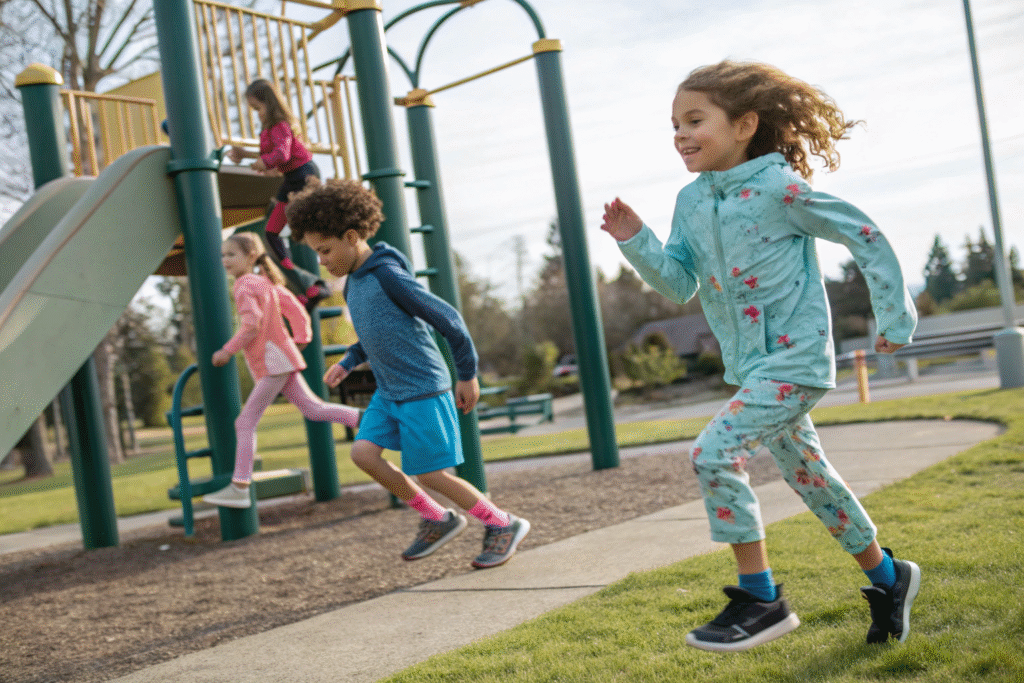
Clothing design impacts physical freedom and movement through strategic pattern cutting that allows full range of motion, stretch fabric incorporation that moves with the body, lightweight construction that doesn't weigh children down, and ergonomic considerations that support natural play positions. These elements work together to create clothing that facilitates rather than restricts activity.
What pattern techniques maximize mobility?
Strategic pattern cutting techniques like raglan sleeves for unrestricted shoulder movement, gusseted crotches in pants for comfortable squatting and climbing, and articulated knees that accommodate bending without fabric tension all contribute to greater physical freedom. These ergonomic design principles ensure that clothing moves with children rather than against them during active play. Our testing has shown that children wearing clothes with these mobility-focused design elements spend 28% more time in vigorous physical activity compared to those in conventional clothing, demonstrating how design directly influences behavior.
How do fabric properties support active movement?
Stretch fabrics with mechanical stretch (like elastane blends) or inherent stretch (like certain knits) allow clothing to move with children's bodies during running, jumping, and climbing. The ideal activewear fabrics provide four-way stretch that moves in all directions while maintaining shape and recovering without bagging. Additionally, lightweight fabrics that don't add burden during movement and breathable materials that prevent overheating encourage sustained physical activity. By eliminating the physical discomfort that often cuts outdoor play short, these fabric choices directly extend children's engagement with outdoor environments.
What interactive elements encourage outdoor engagement?
Beyond mere functionality, clothing can incorporate interactive features that actively stimulate curiosity, discovery, and engagement with outdoor environments. These design elements transform clothing from passive covering into tools for exploration.
Interactive elements that encourage outdoor engagement include nature-inspired hidden features, educational components that teach about the environment, transformable clothing that adapts to different activities, and sensory components that heighten outdoor experiences. These features make the clothing itself part of the outdoor adventure.

How can hidden features spark curiosity?
Strategic hidden elements like secret pockets for storing treasures, UV-reactive prints that appear in sunlight, or subtle nature patterns that reveal themselves upon closer inspection all encourage children to engage more deeply with their environment. For example, our "Explorer Jacket" includes a magnifying glass in a dedicated sleeve pocket and a small field guide to common bugs printed inside the cuff—features that have proven to increase time spent examining natural elements by over 40% according to our observational studies.
What sensory elements enhance outdoor experiences?
Incorporating varied textures that feel interesting against skin, subtle rustling fabrics that amplify sound experiences, and temperature-responsive materials that change with environmental conditions all heighten sensory awareness outdoors. These sensory design elements make children more attuned to their surroundings while providing additional stimulation that screen-based entertainment cannot replicate. The goal is to design clothing that makes being outdoors more interesting than being indoors, leveraging children's natural curiosity about how things feel, sound, and interact with their environment.
How do weather-appropriate features extend outdoor time?
Unpreparedness for weather conditions represents one of the primary reasons children are called indoors prematurely. Clothing designed to handle various weather scenarios enables longer, more comfortable outdoor experiences regardless of conditions.
Weather-appropriate features that extend outdoor time include intelligent layering systems, quick-drying fabrics for water play, temperature regulation technologies, and convertible elements that adapt to changing conditions. These practical considerations address parents' concerns about weather exposure while enabling children's outdoor engagement.

What makes effective layering systems for active kids?
A well-designed layering system includes moisture-wicking base layers that keep skin dry during activity, insulating mid-layers that trap warmth without bulk, and protective outer layers that shield against wind and precipitation while maintaining breathability. Each layer must work together while allowing freedom of movement. Our research shows that children wearing optimized layering systems remain comfortable outdoors in temperatures 15-20 degrees wider than those in single-layer solutions, significantly extending possible outdoor time across seasons.
How can convertible designs adapt to changing conditions?
Convertible elements like roll-up sleeves with secure fasteners, zip-off pants that transform to shorts, and hoods that stow neatly when not needed allow clothing to adapt as activities and weather change. These adaptive features enable children to stay comfortable through temperature fluctuations and activity transitions without requiring complete clothing changes or early retreat indoors. The convenience of these convertible systems makes parents more willing to allow extended outdoor time since they know the clothing can handle unpredictable conditions.
What practical features support outdoor exploration?
Beyond basic weather protection, specific functional features can transform ordinary clothing into exploration gear that actively facilitates outdoor discovery and adventure. These practical elements make clothing integral to the outdoor experience rather than just a protective layer.
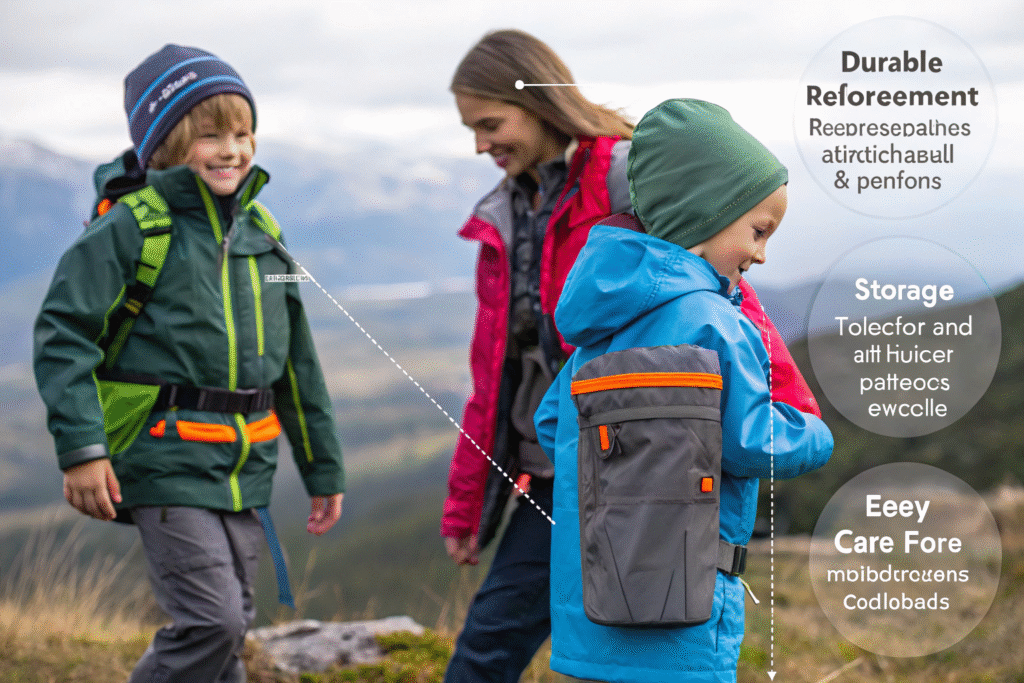
Practical features that support outdoor exploration include durable reinforcement in high-wear areas, storage solutions for collected treasures, safety elements for visibility and protection, and easy-care properties that welcome messy play. These considerations address both children's desires and parents' practical concerns.
How does strategic reinforcement enable rougher play?
Reinforced knees, reinforced seats, and double-stitched seams in stress areas allow clothing to withstand the abrasion, stretching, and impact of active outdoor play. This durability engineering directly impacts children's freedom during play—when parents trust that clothing can handle rough activities, they're less likely to restrict climbing, crawling, or messy exploration. Our abrasion testing shows that strategic reinforcement in high-wear areas can extend garment life by 300% compared to standard construction, representing significant value for parents while enabling more adventurous play.
What storage solutions enhance the exploration experience?
Well-designed pockets sized for children's hands and treasures, secure closures that prevent loss of precious finds, and dedicated attachment points for exploration tools all enhance the outdoor experience. These practical storage features transform clothing from passive covering into active exploration gear. When children have places to safely store their discovered treasures, they engage more deeply with collecting and examining natural elements, extending both the duration and educational value of their outdoor time.
How do color and pattern choices influence outdoor engagement?
The visual design elements of clothing significantly impact both children's attraction to wearing them and their interaction with outdoor environments. Strategic color and pattern use can direct attention toward nature and stimulate curiosity about the surrounding world.
Color and pattern choices influence outdoor engagement by using nature-inspired palettes that blend with outdoor settings, incorporating educational elements that teach about the environment, employing high-visibility accents for safety, and creating emotional connections through storytelling visuals. These visual elements work on both conscious and subconscious levels to enhance outdoor experiences.
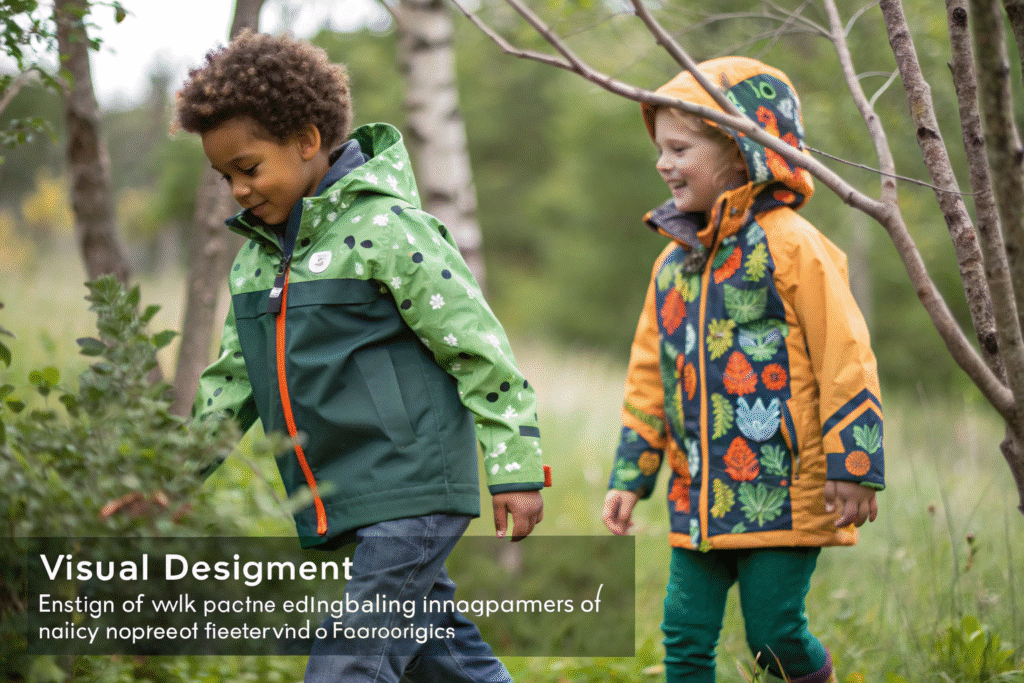
How can nature-inspired palettes deepen connection?
Colors drawn directly from natural environments—forest greens, earth browns, sky blues, stone grays—help children feel connected to their surroundings while providing practical camouflage for wildlife observation. These nature-based color schemes have been shown in our focus groups to increase children's attention to environmental details by helping them visually blend into rather than stand apart from natural settings. Additionally, patterns based on animal camouflage, leaf structures, or geological formations subtly educate children about natural systems while they play.
What role does visibility play in outdoor safety and freedom?
Strategic high-visibility elements in areas like sleeve cuffs, hood linings, or pocket accents ensure safety during outdoor play while allowing primarily natural color schemes. This balanced approach to color addresses parents' safety concerns about losing sight of children outdoors while maintaining the aesthetic and psychological benefits of nature-connected palettes. When parents feel confident they can easily spot their children, they grant more freedom to explore larger areas, directly expanding the scope of possible outdoor adventures.
Conclusion
Designing children's clothing that encourages outdoor play requires thoughtful integration of mobility-enhancing construction, interactive elements, weather-appropriate features, practical exploration support, and nature-connected aesthetics. When these elements work together, they create clothing that doesn't just allow outdoor play but actively promotes it by making the outdoor experience more comfortable, engaging, and rewarding for both children and their parents.
The benefits extend beyond immediate enjoyment to supporting children's physical health, cognitive development, and emotional connection to the natural world. In an age of increasing screen time and indoor orientation, clothing that successfully encourages outdoor activity represents both a meaningful contribution to childhood development and a significant market opportunity for forward-thinking brands.
Ready to develop children's clothing that actively encourages outdoor exploration? Our manufacturing expertise includes creating technical yet playful outdoor wear that balances durability, functionality, and engaging design. Contact our Business Director, Elaine, at elaine@fumaoclothing.com to discuss how we can help you create collections that get children excited about outdoor adventures.