Creating children's clothing that withstands active play, frequent washing, and potential hand-me-down use requires strategic design decisions at every stage of development. As manufacturers specializing in durable kids wear, we've identified the key elements that separate garments that maintain their quality through multiple children from those that deteriorate quickly.
To design kids clothes that are durable and long lasting, you must select high-quality fabrics with proven durability, implement reinforced construction at stress points, choose colorfast dyes and prints, incorporate growth-friendly features, and design for easy repair and maintenance. This comprehensive approach addresses both the physical demands children place on clothing and the practical realities of family life, where clothing often needs to survive multiple children and years of use. Durability becomes a design philosophy rather than just a manufacturing specification.
What Fabric Characteristics Ensure Long-Term Durability?
Fabric selection forms the foundation of garment durability, with specific fiber content, construction methods, and performance finishes determining how well clothing will withstand children's active use and frequent laundering.
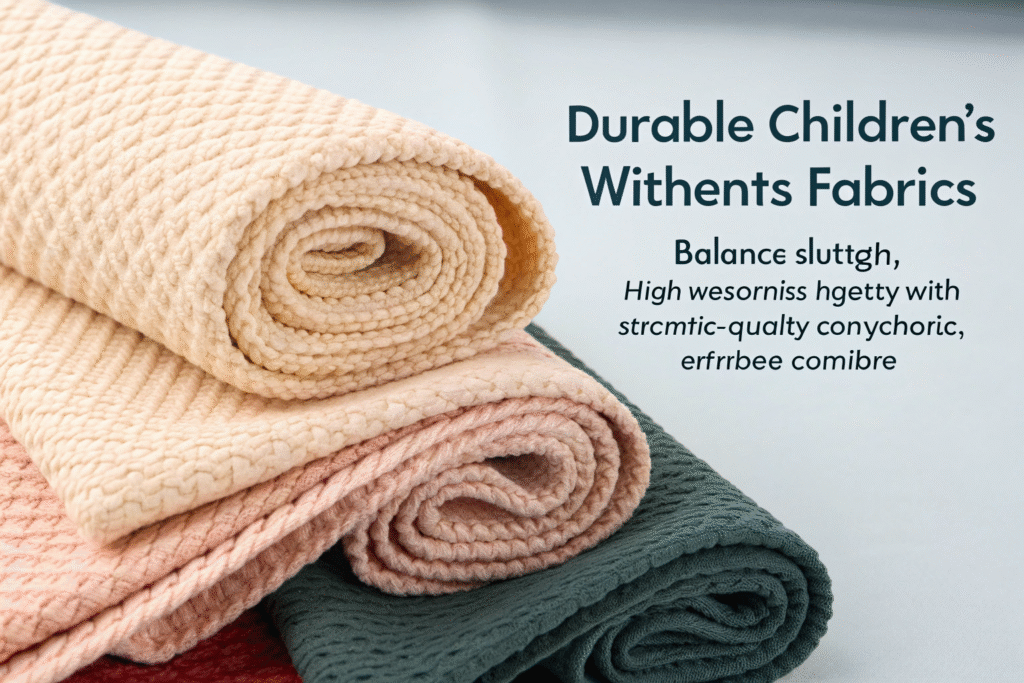
Durable children's fabrics balance strength with comfort, maintaining their integrity through stretching, abrasion, and repeated washing while remaining soft enough for sensitive skin. The most successful fabrics for long-lasting kids wear typically feature tight weaves or knits, natural or high-quality synthetic fibers with good tensile strength, and finishes that enhance performance without compromising fabric integrity.
Which Fabric Types Offer the Best Durability for Kids Wear?
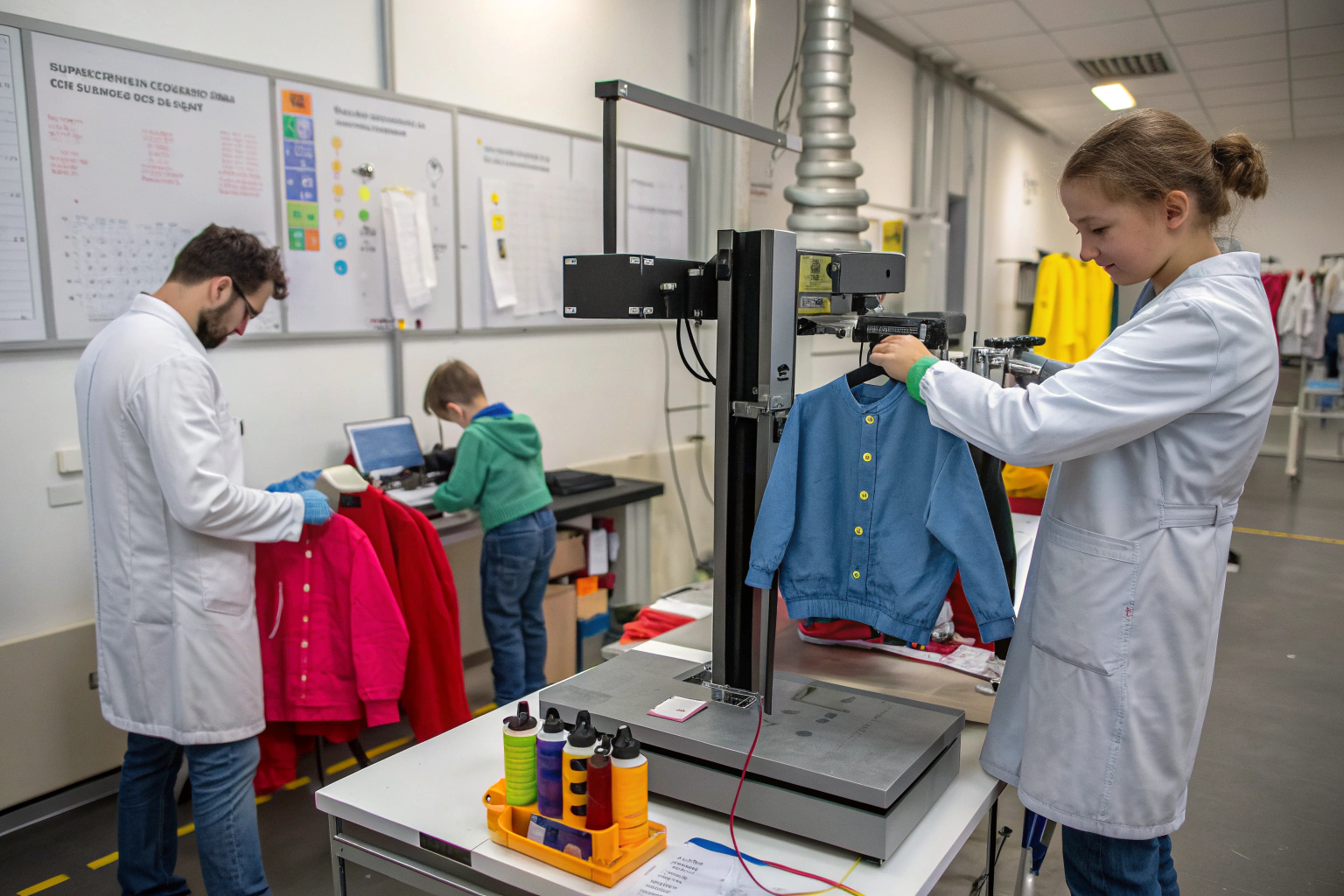
Certain fabrics consistently outperform others in durability testing for children's clothing. Tightly woven fabrics like denim, canvas, and twill resist tearing and abrasion, while high-quality knits with reinforced construction maintain shape despite stretching. According to ASTM textile standards, fabrics with a Martindale rub test result above 40,000 cycles typically withstand years of children's active use. Blended fabrics often provide superior durability—cotton-polyester blends, for instance, combine cotton's comfort with polyester's strength and shape retention. For specific applications, technical fabrics like Cordura® or ripstop nylon offer exceptional tear resistance for outerwear or adventure clothing where maximum durability is required.
How Do Fabric Weight and Construction Impact Longevity?
Fabric weight (measured in GSM - grams per square meter) directly correlates with durability, with heavier fabrics generally lasting longer under duress. For everyday children's wear, 180-220 GSM knits and 200-300 GSM wovens typically provide the optimal balance of durability and comfort. Beyond weight, construction details like thread count, twist level, and finishing processes significantly impact durability. The Textile Institute's durability guidelines indicate that tightly twisted yarns and compact constructions resist pilling and abrasion better than loose constructions. Pre-shrinking processes prevent the distortion that occurs when fabrics shrink unevenly, while colorfast dyes maintain appearance through dozens of washes.
What Construction Techniques Enhance Garment Longevity?
Superior construction methods transform durable fabrics into garments that maintain their integrity through years of active use, with reinforced stress points and quality stitching preventing common failure points.
Durable construction anticipates where garments experience the most stress and reinforces those areas proactively rather than relying on standard sewing techniques throughout. This approach recognizes that different parts of a garment experience different types and levels of stress, requiring customized construction solutions for each area.
How Does Reinforced Stitching Prevent Common Failures?
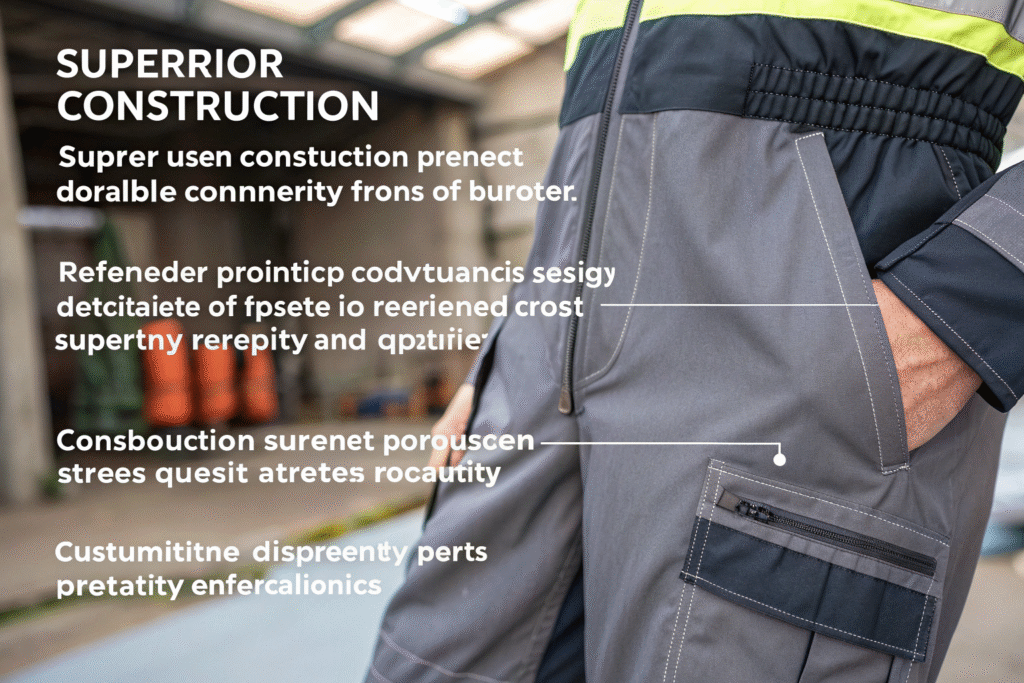
Strategic reinforcement at high-stress areas significantly extends garment life by preventing the seam failures that commonly end a garment's usefulness. This includes bar-tacking at pocket corners, crotch points, and belt loops; double-stitching or using safety stitches on major seams; and using stronger thread (tex 60 or higher) in critical areas. According to the American Apparel & Footwear Association's construction guidelines, reinforced construction can increase a garment's lifespan by 50-100% compared to basic construction methods. For children's wear specifically, areas like knee reinforcements in pants, elbow patches in shirts, and reinforced seat panels in bottoms address the specific wear patterns of active children.
What Role Do Seam Types Play in Durability?
Different seam types offer varying levels of strength and durability, with certain constructions better suited to high-stress applications. Flatlock seams prevent chafing while providing excellent strength for activewear, while French seams completely encase raw edges for maximum durability in woven fabrics. The International Association of Clothing Designers recommends specific seam types for different applications based on stress expectations. For children's clothing, selecting appropriate seam types for each garment section—stronger seams where stress is high, comfortable seams where fabric contacts skin—creates garments that withstand use without compromising comfort.
How Can Design Features Accommodate Growth and Extended Use?
Thoughtful design extends a garment's wearable life by accommodating children's rapid growth and allowing for adjustments as children develop, maximizing the period during which clothing fits properly and remains useful.
Growth-friendly design recognizes that children's proportions change dramatically during development, requiring features that accommodate these changes without compromising style or function. This approach significantly increases the months of wear a child gets from each garment, improving cost-per-wear and reducing clothing waste.
What Adjustable Features Extend Useful Life?
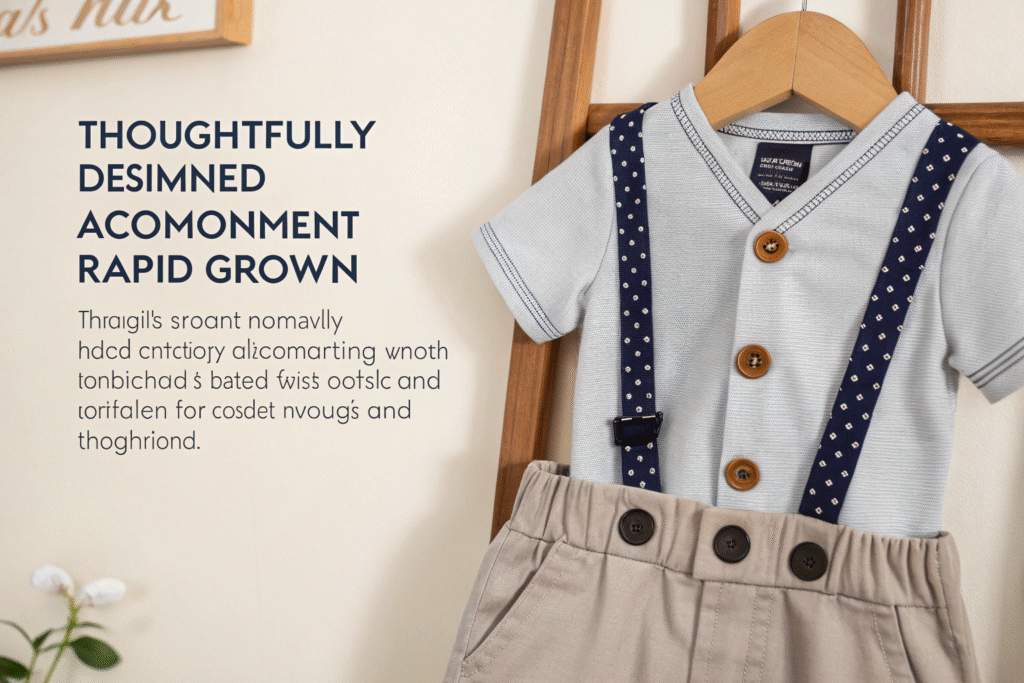
Design elements that accommodate growth can add 6-12 months of wearable life to children's clothing. Adjustable waistbands with extended elastic or button arrays accommodate significant changes in waist size. Roll-up cuffs on pants and sleeves allow length adjustments as children grow. According to children's wear industry analysis, garments with growth features achieve 40% longer use periods than standard designs. For outerwear, features like sleeve lengthening systems and expandable gussets create clothing that "grows" with the child, while in footwear, removable insoles and adjustable width systems serve similar purposes. These features represent significant value for parents while reducing the environmental impact of constantly replacing outgrown clothing.
How Does Versatile Design Support Extended Use?
Clothing designed for multiple applications and styling options receives more frequent wear, spreading the cost and environmental impact across more uses. Reversible garments effectively provide two outfits in one, extending visual life. Convertible items (pants that become shorts, sleeves that roll up or down) adapt to changing weather conditions and occasions. The Sustainable Apparel Coalition's guidelines note that versatile designs can reduce a garment's per-wear environmental impact by 30-50% by replacing multiple single-purpose items. For children's wear, this versatility is particularly valuable given how quickly children's preferences and needs change, ensuring purchased items remain relevant and useful through developmental stages.
What Finishing Processes Enhance Color and Shape Retention?
Colorfastness and shape retention determine whether clothing maintains its "like new" appearance through repeated laundering, with specific finishing processes making the difference between garments that look worn after few washes and those that maintain their appearance for years.
Durable finishes lock in color, prevent shrinkage, and maintain fabric hand through the dozens of washes children's clothing inevitably undergoes. These processes require careful balance—achieving performance benefits without compromising fabric comfort or environmental standards.
How Can You Ensure Color Retention Through Multiple Washes?
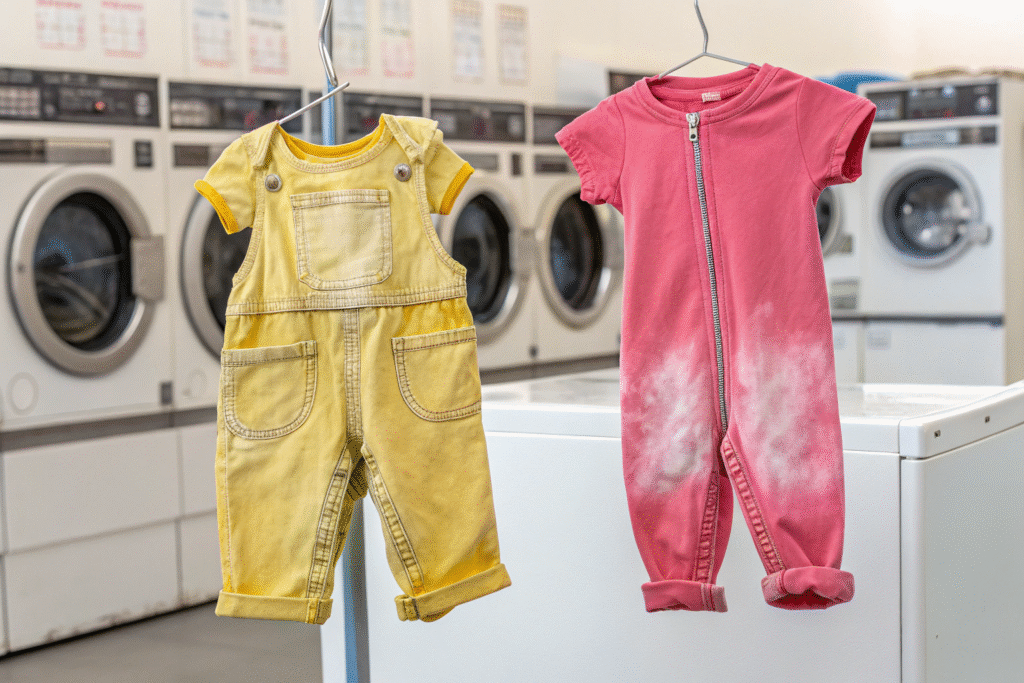
Colorfastness depends on dye selection, dyeing methods, and finishing processes. Higher-quality garments use fiber-reactive dyes that chemically bond with fabric rather than sitting on the surface, preventing fading and bleeding. According to the American Association of Textile Chemists and Colorists standards, fabrics achieving Grade 4-5 colorfastness ratings will maintain their appearance through 30-50 home launderings. For prints, discharge printing (removing color rather than adding layers) often provides better durability than plastisol printing, which can crack over time. Post-dyeing fixation processes and proper wash testing during development ensure colors remain vibrant through the garment's lifespan.
What Processes Prevent Shrinking and Distortion?
Shrinkage control begins with proper fabric pre-treatment before cutting, continues with consistent sewing techniques that don't stretch fabric during construction, and concludes with final garment washing processes that eliminate residual shrinkage. The International Organization for Standardization provides testing protocols for dimensional stability that predict how fabrics will behave during home laundering. Sanforization processes for cottons and heat-setting for synthetics stabilize fabrics, while controlled finishing techniques prevent the distortion that causes garments to twist or become misshapen. These processes ensure that clothing maintains its proper size and shape wash after wash, critical for items that may be worn by multiple children over several years.
Conclusion
Designing durable, long-lasting kids clothing requires a holistic approach that integrates fabric selection, construction techniques, growth-friendly design, and color-fast finishing into a cohesive durability strategy. The most successful designs anticipate real-world use patterns and build resilience into every component, creating clothing that survives active play, frequent laundering, and multiple users while maintaining appearance and functionality.
When durability becomes a design priority rather than an afterthought, clothing delivers better value to families while reducing environmental impact through extended useful life. If you're developing children's clothing with durability as a key value proposition and need manufacturing partners who specialize in long-lasting construction, contact our Business Director, Elaine, at elaine@fumaoclothing.com. Let's discuss how we can help you create clothing that stands up to children's active lives while maintaining quality that justifies investment and supports sustainable consumption patterns.