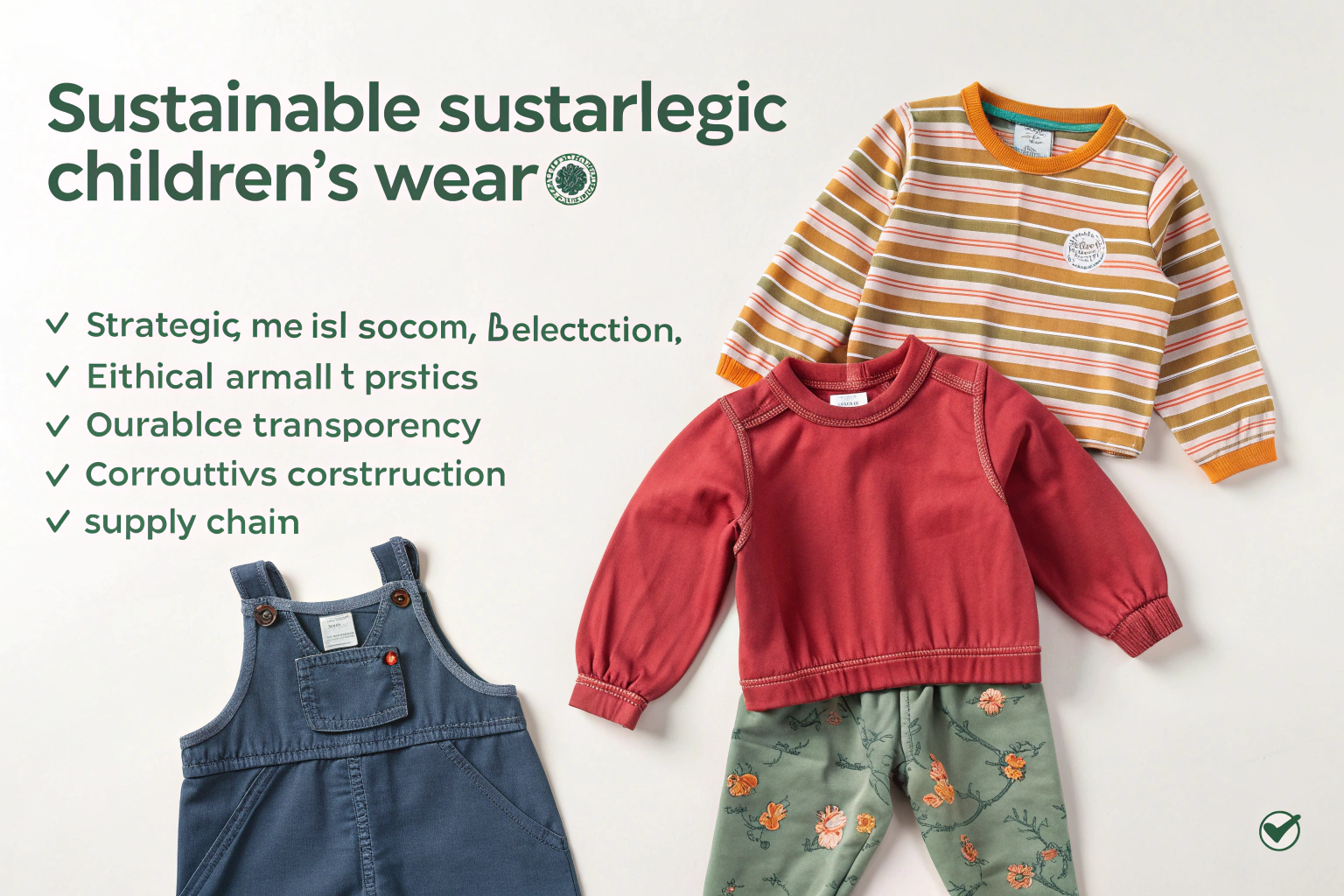
Creating a successful children’s clothing line requires more than just appealing designs. Today’s market demands eco-friendly options that balance style with responsibility. This guide breaks down how to develop a sustainable collection that meets modern expectations.
Sustainable children’s wear requires strategic material selection, ethical production, durable construction, and supply chain transparency. This comprehensive approach delivers products that are environmentally responsible, commercially viable, and safe for children.
What Are The Best Sustainable Fabrics For Kids’ Wear?
Material selection forms the foundation of any sustainable collection. The ideal fabrics are gentle on both sensitive skin and the environment.
Prioritize certified organic cotton, recycled polyester from plastic bottles, and regenerated fibers like Tencel™ Lyocell. These materials reduce environmental impact while offering practical benefits for children’s wear.

Why choose organic cotton for children’s clothing?
Organic cotton stands out for its minimal environmental impact and skin-friendly properties. Grown without synthetic pesticides, it’s better for ecosystems and farming communities. Its breathable, hypoallergenic nature makes it ideal for sensitive skin. Always verify organic cotton certifications like GOTS, which ensure organic integrity from field to finished product while guaranteeing fair labor practices.
How do recycled materials add value?
Recycled materials transform waste into functional fashion. Recycled polyester (rPET) diverts plastic bottles from landfills while saving energy compared to virgin polyester. Similarly, recycled cotton repurposes fabric scraps, conserving significant water resources. Incorporating these materials creates a circular approach that resonates with eco-conscious parents and strengthens your brand’s environmental story.
How To Ensure Ethical Manufacturing For Your Collection?
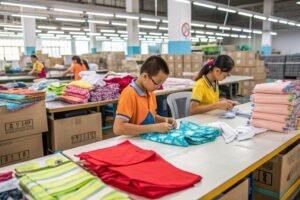
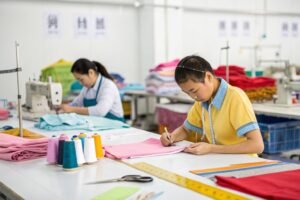
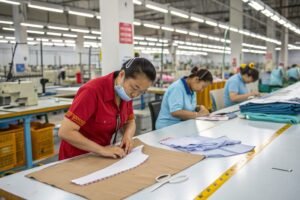
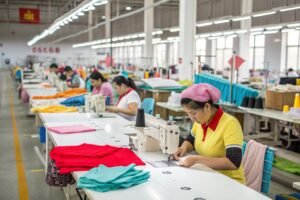
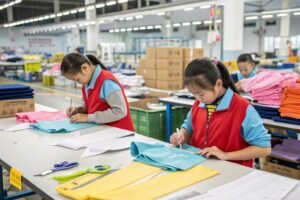
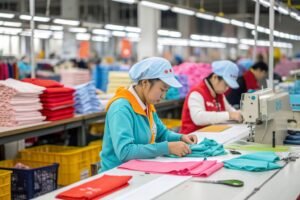
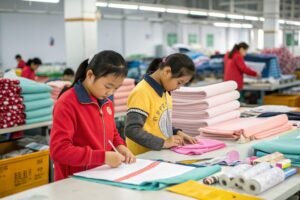
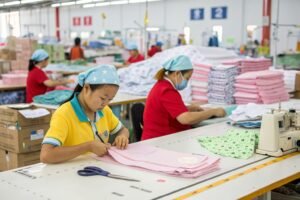
Ethical manufacturing extends beyond final products to encompass working conditions, fair wages, and workers’ rights throughout production.
Partner with manufacturers who demonstrate transparency through social compliance audits and recognized certifications. This commitment protects workers while safeguarding your brand’s reputation.

What certifications guarantee ethical production?
Third-party certifications provide verified proof of manufacturing standards. BSCI audits assess labor conditions, while OEKO-TEX® Standard 100 ensures textiles are free from harmful substances. For comprehensive coverage, GOTS certification addresses both environmental and social criteria across the entire supply chain.
| Certification | Focus Area | Importance for Kids’ Wear |
|---|---|---|
| BSCI | Social Compliance | Verifies ethical labor practices and safe working conditions |
| OEKO-TEX® Standard 100 | Product Safety | Confirms absence of harmful chemicals in textiles |
| GOTS | Organic & Ethical | Covers complete supply chain from farming to finished product |
How does DDP shipping benefit importers?
DDP (Delivered Duty Paid) shipping simplifies international logistics by having suppliers manage all transportation, risks, and costs until goods reach your warehouse. This includes export formalities, international freight, insurance, and import duties. The model provides cost predictability and eliminates customs complexity, allowing you to focus on sales and marketing.
What Design Elements Maximize Clothing Longevity?
Durability is sustainability in practice. Clothes that withstand active use and maintain appearance can be handed down, reducing waste.
Incorporate reinforced seams, quality fasteners, and colorfast fabrics. Adaptable features like adjustable waistbands extend wearable life, while timeless designs outlast fleeting trends.

How does construction impact durability?
Reinforced stitching at stress points like pockets and crotches prevents seam failure during active play. Bar-tacking techniques and appropriate thread selection ensure garments withstand rigorous use and repeated washing, making them wardrobe staples rather than short-term items.
Why does colorfastness matter?
Colorfast fabrics maintain vibrancy through frequent washing, keeping clothes looking new longer. This quality is achieved through superior dyes and proper textile treatment. Consistent colorfastness testing ensures clothes remain appealing through their lifespan, supporting sustainable consumption patterns.
How To Build A Transparent Supply Chain?
Supply chain transparency has evolved from optional to essential. Consumers expect knowledge about material origins and production conditions.
Traceability from raw materials to finished products requires open communication with all partners. Technological solutions like QR codes on tags can share production stories, building consumer trust and brand loyalty.

How do full-package manufacturers ensure transparency?
Full-package manufacturers streamline transparency by managing multiple production stages through a single point of contact. This includes sourcing certified materials, maintaining consistent quality control, and handling logistics. Centralized management provides comprehensive documentation and ensures sustainability standards are maintained throughout production.
Can communication prevent delays?
Proactive communication directly impacts production timelines. Dedicated project managers serving as single points of contact prevent misunderstandings by providing regular updates and clear production timelines. This approach addresses issues early, maintains schedules, and ensures timely delivery for seasonal selling opportunities.
Conclusion
Sustainable children’s clothing requires integrating eco-materials, ethical production, durable design, and supply chain transparency. This holistic approach meets modern consumer values while delivering commercial viability.
Developing such collections is complex but achievable with the right manufacturing partner. If you’re ready to create high-quality, sustainable children’s wear, contact our Business Director Elaine at elaine@fumaoclothing.com to begin your journey.