
Launching a children's clothing collection with limited financial resources requires strategic prioritization, creative problem-solving, and smart allocation of every dollar. As manufacturers who have helped numerous startups launch successfully with constrained budgets, we've identified the approaches that maximize impact while minimizing financial risk.
To design a kids clothing line with a small budget, focus on a tightly edited capsule collection, utilize stock fabrics from manufacturer inventories, develop multi-functional pieces, implement phased production, and leverage digital marketing over expensive traditional channels. Successful small-budget launches prioritize essential items with broad appeal rather than attempting to compete with established brands across multiple categories. The most effective approaches treat budget constraints as creative opportunities rather than limitations, often resulting in more focused, commercially viable collections.
How Can You Develop a Strategic Capsule Collection?
A tightly focused capsule collection allows you to concentrate limited resources on fewer pieces that work harder commercially while establishing your brand identity effectively.
Instead of attempting to fill an entire seasonal collection, a capsule approach focuses on 5-8 core pieces that mix and match seamlessly, extending outfit possibilities while minimizing development and production costs. This strategy not only reduces upfront investment but also simplifies inventory management and allows for deeper investment in perfecting each individual item.

What Elements Define an Effective Capsule Collection?
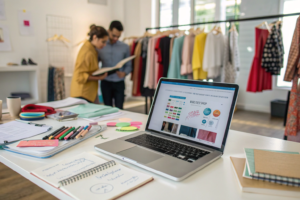
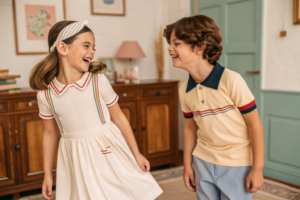
Successful capsule collections typically include versatile basics that serve as wardrobe foundations, 1-2 signature pieces that establish brand identity, and strategic coordination across all items. According to the Fashion Business Institute's startup guidelines, well-designed capsule collections can generate 30-40% more sales per style compared to broader collections because each piece carries more strategic weight. For children's wear, this might mean focusing on a color palette of 3-4 coordinating colors, using the same fabric across multiple styles to meet minimums, and designing pieces that transition across seasons. This focused approach allows you to allocate more budget to perfecting fit, construction, and fabric quality on fewer items rather than spreading resources thin across many styles.
How Does a Capsule Approach Reduce Financial Risk?
By limiting SKU count, capsule collections significantly reduce sampling costs, fabric minimums, and inventory investment while maintaining commercial appeal. Instead of developing 15-20 styles requiring separate patterns, samples, and production setup, a 6-piece capsule might use 2-3 base patterns adapted across styles. The Startup Fashion production calculator estimates that a 6-piece capsule collection typically requires 60-70% less upfront investment than a 15-piece collection while achieving similar sell-through rates through better coordination and focused marketing. This risk reduction is particularly valuable for new children's wear brands testing market response before committing to larger collections.
How Can Fabric Selection Maximize Budget Efficiency?
Strategic fabric selection represents one of the most significant opportunities for cost savings without compromising quality, particularly through leveraging existing manufacturer resources.
Rather than developing custom fabrics with high minimums, budget-conscious designers can achieve distinctive looks through creative use of stock fabrics, strategic fabric sharing across styles, and selective use of more expensive materials only where they provide maximum impact.
What Are the Benefits of Using Manufacturer Stock Fabrics?
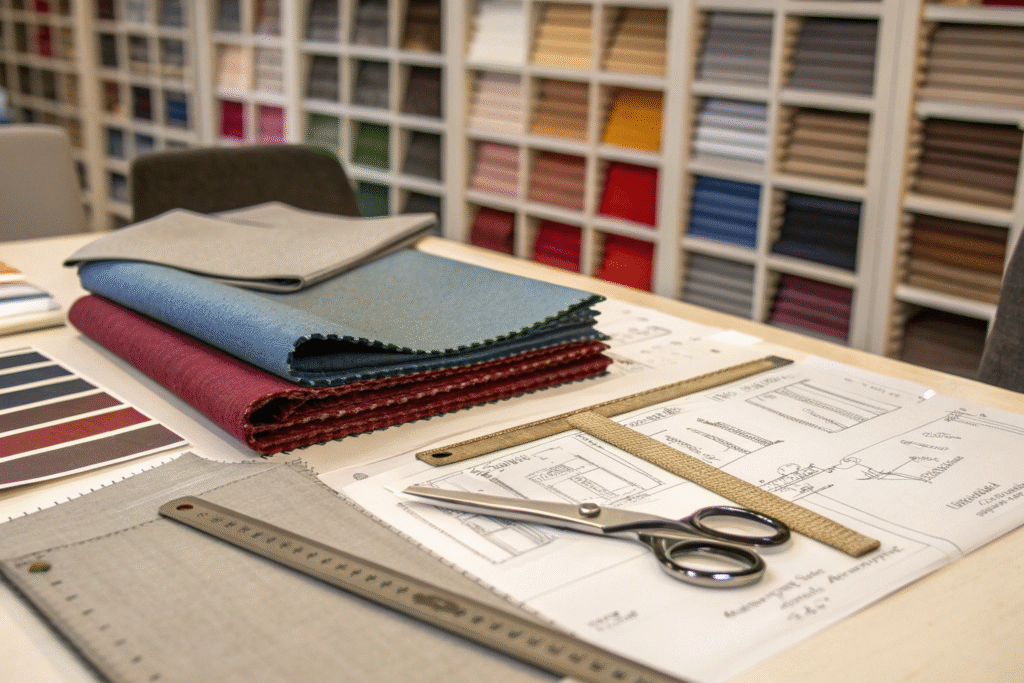
Working with manufacturers' existing fabric inventories eliminates development costs, reduces lead times, and allows you to purchase smaller quantities that match your budget. Most manufacturers maintain stock of popular GOTS-certified organic cottons, reliable cotton-polyester blends, and basic jersey fabrics that can be sourced in quantities as low as 100-200 yards versus the 1,000+ yard minimums typically required for custom fabrics. According to the Textile Exchange's mill relationships study, using stock fabrics can reduce material costs by 40-60% compared to custom development while maintaining quality. The key is selecting a manufacturer with a diverse fabric library that aligns with your brand's quality and aesthetic requirements.
How Can Strategic Fabric Sharing Reduce Costs?
Using the same fabric across multiple styles significantly reduces costs by meeting minimum order quantities more efficiently and simplifying production. Instead of purchasing separate fabrics for each style, selecting 2-3 core fabrics used across your capsule collection allows you to order larger quantities of fewer fabrics, typically securing better pricing while meeting minimums comfortably. The American Apparel & Footwear Association's sourcing guidelines note that consolidating fabric selections can reduce material costs by 25-35% while making production more efficient. For children's wear, this might mean using the same rib knit for cuff and collar treatments across multiple styles or selecting a versatile printed fabric that works for both tops and bottoms in your collection.
What Production Strategies Minimize Financial Risk?
Phased production approaches and strategic order timing can significantly reduce upfront financial commitment while allowing you to respond to actual market demand rather than speculation.
Instead of producing your entire collection at once before understanding what will resonate with customers, phased production allows you to test the market with smaller quantities and increase production based on actual sales data, preserving capital and reducing inventory risk.

How Does Pre-Order Manufacturing Preserve Cash Flow?
Implementing a pre-order model allows you to manufacture based on confirmed demand rather than speculation, eliminating the risk of unsold inventory. By taking orders (often with a deposit) before production begins, you can determine exact quantities needed and use customer payments to fund manufacturing. According to the Fashion Incubator's production guide, brands using pre-order models typically require 60-70% less startup capital than those using traditional forecasting and inventory approaches. For children's wear, this approach works particularly well for special occasion items, limited edition prints, or styles where parents are willing to wait for specific designs. The key is setting realistic production timelines and managing customer expectations about delivery schedules.
What Are the Benefits of Staggered Production Runs?
Rather than producing your entire collection simultaneously, staggering production across 2-3 smaller runs allows you to respond to sales data and customer feedback while spreading out financial outlays. This approach means you might produce your best-predicted 3 styles first, then use sales data from those styles to inform quantities and timing for subsequent pieces. The Production Management Association's risk assessment indicates that staggered production can reduce inventory carrying costs by 40-50% compared to single-batch production while improving sell-through rates by allowing mid-collection adjustments. This method does require careful planning with your manufacturer to secure production slots but provides significant financial flexibility for emerging brands.
How Can Digital Tools Reduce Design and Development Costs?
Leveraging digital design tools and communication platforms can dramatically reduce traditional development expenses while maintaining creative control and design integrity.
Modern technology has democratized many aspects of fashion design that were previously expensive and inaccessible to small brands, particularly in areas like pattern making, sample development, and collection presentation.

How Can Digital Sampling Reduce Development Costs?
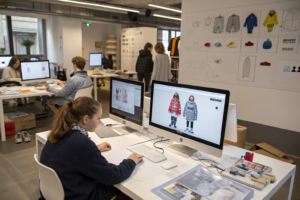
Digital sampling using 3D design software can reduce physical sampling costs by 50-80% while accelerating the development process. Platforms like Browzwear, Clo3D, and Optitex allow designers to create virtual garments that can be fitted on digital avatars, adjusted in real-time, and presented to manufacturers with detailed technical specifications. According to the Digital Fashion Week industry report, brands using 3D design typically require only 1-2 physical samples for confirmation rather than the 3-5 samples common in traditional development. For children's wear specifically, these tools allow for easy size grading visualization and fit adjustments across multiple sizes before cutting physical fabric.
What Role Can Digital Marketing Play in Budget Management?
Prioritizing digital marketing channels over traditional advertising allows for more measurable, adjustable spending that aligns with limited budgets. Instead of committing to expensive photo shoots, print advertising, or trade shows early on, digital-first brands can use social media, email marketing, and targeted digital advertising that scales with sales. The Small Business Administration's marketing guidelines note that digital marketing typically delivers 3-5 times higher ROI for emerging brands compared to traditional channels. For children's wear, this might mean building an Instagram presence through user-generated content, developing email sequences that tell your brand story, or using Pinterest to reach parents in planning phases—all significantly more cost-effective than traditional advertising.
How Can Multi-Functional Designs Extend Budget Impact?
Designing clothing with multiple functions, adjustable features, or extended wearability increases perceived value while allowing for smaller collections that work harder commercially.
Multi-functional designs appeal to budget-conscious parents seeking value while allowing you to produce fewer SKUs that serve multiple purposes, reducing both development costs and inventory complexity.
What Adjustable Features Extend Product Lifespan?
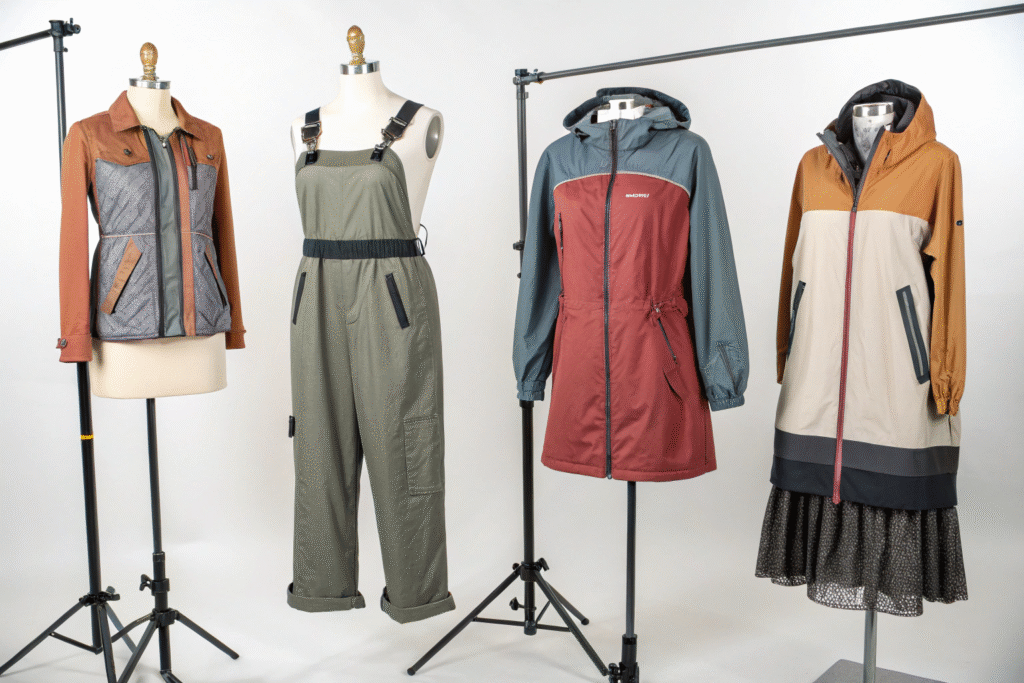
Incorporating growth-friendly features like adjustable waistbands, roll-up cuffs, and expandable gussets allows garments to fit longer, increasing their value proposition while reducing the need for multiple size options. According to the International Association of Clothing Designers, well-designed adjustable features can extend a garment's wearable life by 6-9 months, significantly improving its cost-per-wear value. For budget-conscious collections, this might mean focusing on styles with inherent flexibility like raglan sleeves that accommodate shoulder growth, A-line silhouettes that work across multiple sizes, or convertible designs that transform from pants to shorts as seasons change. These features become key selling points that justify price points while delivering genuine practical benefits.
How Can Reversible Designs Increase Perceived Value?
Reversible garments effectively provide two outfits in one, doubling the styling options from a single production SKU while maintaining simple manufacturing requirements. A reversible jacket, dress with contrasting lining, or top with different necklines on each side provides versatility that appeals to parents seeking value and children who enjoy transformation. The Sustainable Apparel Coalition's design guidelines note that reversible designs can increase cost-per-wear value by 60-80% while reducing the total number of garments families need to purchase. From a production perspective, reversible items typically require only slightly more fabric than single-sided garments while using the same construction techniques, making them cost-effective for small collections.
Conclusion
Designing a kids clothing line with a small budget requires strategic focus, creative resource management, and phased approaches that preserve capital while building market presence. By concentrating on a tightly edited capsule collection, leveraging manufacturer resources like stock fabrics, implementing production strategies that respond to actual demand, utilizing digital tools to reduce development costs, and creating multi-functional designs that deliver exceptional value, emerging brands can launch successfully without the substantial financial resources traditionally associated with fashion startups.
The constraints of a small budget often foster innovation and focus that ultimately create stronger, more commercially viable collections. If you're developing a children's wear line with budget considerations and need manufacturing partners who understand how to maximize limited resources while maintaining quality standards, contact our Business Director, Elaine, at elaine@fumaoclothing.com. Let's discuss how we can help you launch your collection strategically while preserving capital and building a foundation for sustainable growth.