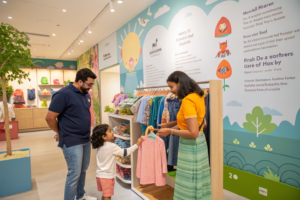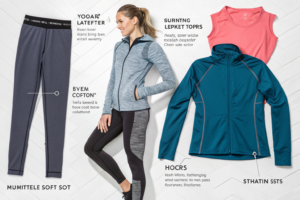

The dream is compelling: to build a beloved children's clothing brand from the ground up, connecting directly with parents around the world through the power of e-commerce. From my seat as a manufacturer, I've seen this dream realized by some and dissolve for many others. The digital shelf is crowded, customer acquisition costs are rising, and parents' expectations for quality, sustainability, and storytelling have never been higher. So, what separates the thriving brands from the forgotten ones? It's not just a great product; it's a meticulously built business system that aligns a compelling brand identity with operational excellence and genuine customer connection.
Creating a successful kids' clothing e-commerce business requires a holistic strategy that intertwines a differentiated brand story with a high-quality, compliant product line, a seamless and customer-centric digital experience, and data-driven marketing that builds community, all supported by a reliable and scalable supply chain foundation.
This isn't about finding a viral product. It's about building a resilient brand that can weather trends and scale sustainably. It requires wearing the hats of a creative director, a supply chain manager, a digital marketer, and a customer service champion—all at once. Let's map out the blueprint for turning your vision into a viable and thriving online business.
1. How to Build a Differentiated and Authentic Brand Foundation?
Before you design a single garment or build your Shopify store, you must answer the core question: Why should this brand exist? In a sea of options, a clear, authentic brand identity is your lifeline. It’s what makes a parent choose you over a big-box retailer or another indie brand.
Your brand foundation is built on three pillars:
- Your "Why" (Purpose): Is it to champion sustainable materials? To create adventure-ready clothing for wild kids? To offer ultra-soft, sensory-friendly basics? To celebrate cultural heritage through design? This purpose must be genuine and thread through every decision.
- Your Target Customer (Avatar): Go beyond "parents." Be specific. Is it the eco-conscious millennial mom in urban areas? The dad seeking durable, functional playwear? The parent of a neurodiverse child seeking comfort? Knowing them intimately informs design, messaging, and where you market.
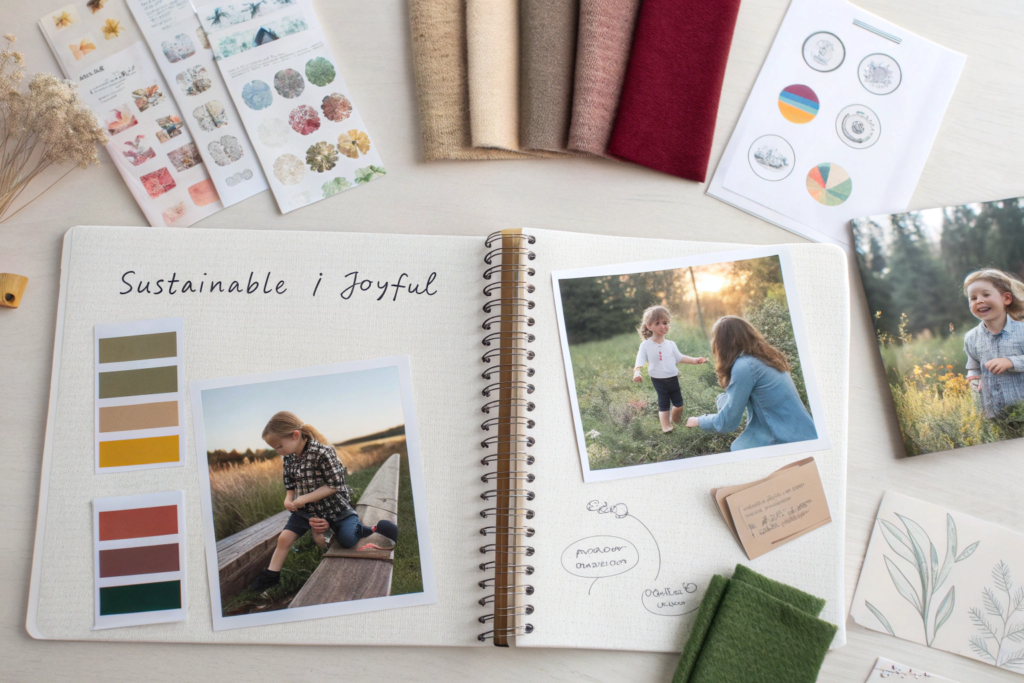
- Your Visual and Verbal Identity: This is the expression of your purpose. Choose a name, logo, color palette, and photography style that feels cohesive and evokes the right emotion. Develop a brand voice—is it playful, nurturing, bold, or minimalist? This consistency across all touchpoints builds recognition and trust.
A strong brand isn't what you say it is; it's what you consistently demonstrate through your products, your content, and your actions.
Why is Niche Focus More Powerful Than General Appeal?
Trying to be "for everyone" means you stand out to no one. The most successful modern e-commerce brands start with a sharp niche. Examples include: organic cotton sleepwear for babies, gender-neutral outdoor apparel, adaptive clothing with stylish designs, or limited-edition collections featuring artist collaborations. A niche allows you to become an expert, deeply understand a specific customer's pain points, and create a passionate, loyal community. You can always expand later, but a narrow focus gives you a clear beachhead in a competitive market.
How to Translate Your Brand into Product Development?
Your first collection is the physical manifestation of your brand. Every choice must align with your "why." If you're sustainable, you must source OEKO-TEX® Standard 100 certified or recycled fabrics. If you're about adventure, you need durable stitches and functional details. Work closely with your manufacturer (like us at Fumao) from the start. Share your brand book and vision so they can help source appropriate materials and ensure the construction quality matches your brand promise. The product must deliver on the story your branding tells.
2. What Are the Pillars of a High-Converting E-commerce Operation?
Your website is your flagship store. It must do more than look pretty; it must build trust, educate, and convert visitors into customers seamlessly. Aesthetics and usability are equally important.
The key pillars are:
- Professional, Mobile-First Website: Over 70% of traffic is mobile. Your site must load fast, navigate easily on a small screen, and have a flawless checkout process (with multiple payment options like Apple Pay/Google Pay). Use a robust platform like Shopify or BigCommerce.
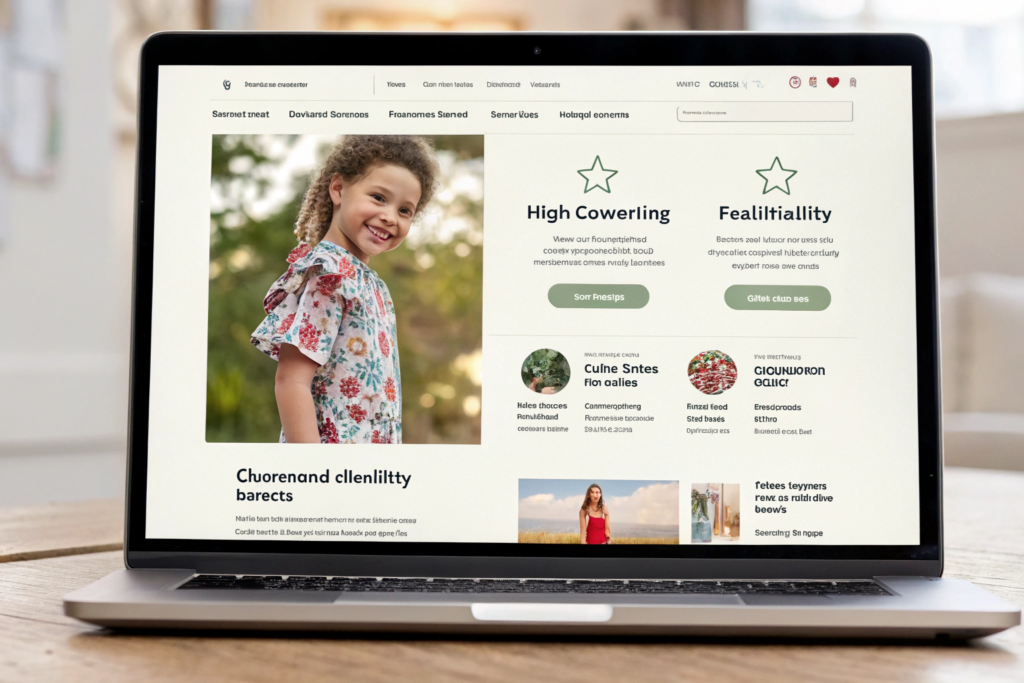
- Story-Driven Product Pages: Don't just list specs. Tell the story of each garment. Why was it designed? What fabric is it made from and why? How does it fit? Use high-quality lifestyle images and videos showing real kids (diverse in size and ethnicity) wearing the clothes in action. Include detailed size charts and fit guides to minimize returns.
- Transparent Policies & Trust Signals: Have clear, fair policies on shipping, returns, and exchanges. Display trust badges (secure checkout, certifications), customer reviews, and perhaps a section on your ethical manufacturing. An "About Us" page that shares your authentic founder story is crucial.
- Post-Purchase Experience: The unboxing is part of your brand experience. Thoughtful, eco-friendly packaging, a handwritten thank-you note, and easy return labels turn a one-time buyer into a potential advocate.
How to Master Customer Service and Retention?
For a small brand, exceptional customer service is your superpower. Be responsive, empathetic, and proactive. Use email marketing (with a welcome series and post-purchase follow-ups) to build a relationship, not just broadcast sales. Start a loyalty program to reward repeat customers. Personal touches—like a birthday discount or checking in on a purchase—build fierce loyalty. Remember, acquiring a new customer is 5-7x more expensive than retaining an existing one.
What Logistics Model is Right for You: Dropship, Hold Inventory, or Pre-Order?
Your fulfillment strategy impacts cash flow and customer experience.
- Dropshipping: Low risk, but you sacrifice control over quality, packaging, and shipping speed. It's hard to build a premium brand this way.
- Holding Inventory: Requires capital and space, but you control everything. Best for proven, core products with predictable demand.
- Pre-Order/Crowdfunding: Validates demand and funds production without upfront inventory cost. Excellent for launching new, risky designs but delays delivery.
Many successful brands use a hybrid: holding core inventory and using pre-orders for new collections. Your manufacturing partner's Minimum Order Quantity (MOQ) and lead times will directly influence this choice.
3. How to Market Your Brand and Build a Community?
You can have the best product and website, but without a steady stream of targeted traffic, you won't survive. Modern marketing is about providing value and building a community, not just advertising.
Develop a multi-channel marketing strategy:
- Content & SEO (Owned Media): Create a blog, style guides, or parenting resources related to your niche. Target keywords like "best organic baby pajamas" or "sensory-friendly toddler clothes." This builds organic traffic and establishes your authority.
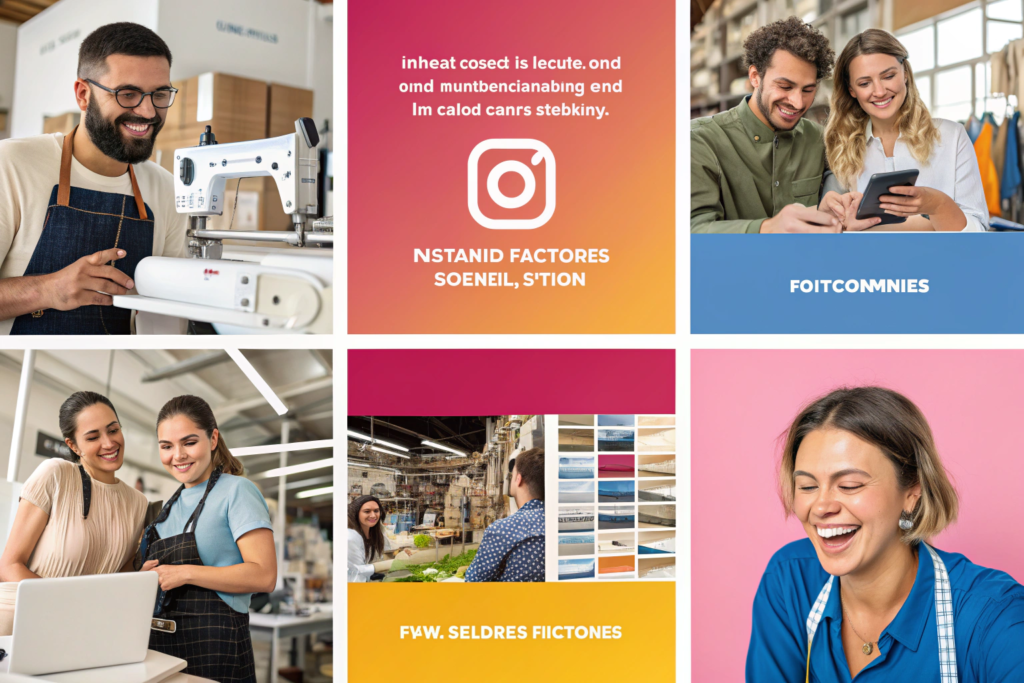
- Social Media & Community (Earned Media): Choose platforms where your target customer lives (Instagram, Pinterest, TikTok). Share behind-the-scenes content, user-generated content (UGC), and stories that align with your brand values. Engage, don't just broadcast. Create a hashtag and encourage customers to share.
- Email Marketing (Direct Owned Channel): Your email list is your most valuable asset. Use it to share new collections, exclusive content, and stories, not just promotions.
- Strategic Paid Advertising (Paid Media): Once you have clarity on your customer and brand, use targeted paid ads (Meta, Pinterest, Google) to amplify your best content and retarget website visitors. Start small, test constantly, and focus on Return on Ad Spend (ROAS).
The goal is to create a "flywheel" where great content attracts an audience, which becomes a community, which then provides social proof and UGC that attracts more customers.
Why is User-Generated Content (UGC) Your Most Powerful Marketing Asset?
UGC is authentic social proof. When a parent shares a photo of their happy child in your clothes, it's far more persuasive than any professional ad. Actively encourage UGC through contests, features, and a branded hashtag. This not only provides you with free, authentic marketing material but also makes your customers feel like valued members of your brand's story.
How to Leverage Influencers and Collaborations?
Partner with micro-influencers (10k-100k followers) in your niche whose values align with yours. Their endorsement can be highly trusted. Look beyond pure follower count to engagement rate and audience quality. Consider collaborations with complementary brands (e.g., a kids' shoe company) or artists to create buzz and reach new audiences.
4. How to Build a Scalable and Resilient Supply Chain?
Your brand's reputation lives and dies by your supply chain. Delays, quality issues, or compliance failures can destroy trust built over years. Your relationship with your manufacturer is the most critical partnership you will have.
Key supply chain principles for e-commerce:
- Start with a Prototype and Small MOQ: Never order bulk without perfecting a prototype and testing it. Partner with a factory that offers reasonable Minimum Order Quantities for new brands, allowing you to test the market without over-committing capital.
- Prioritize Compliance and Quality: For kids' wear, this is non-negotiable. Ensure your factory understands and can provide documentation for market-specific safety standards (CPSIA, EN 14682). Implement staged quality inspections (Pre-Production, During Production, Pre-Shipment).
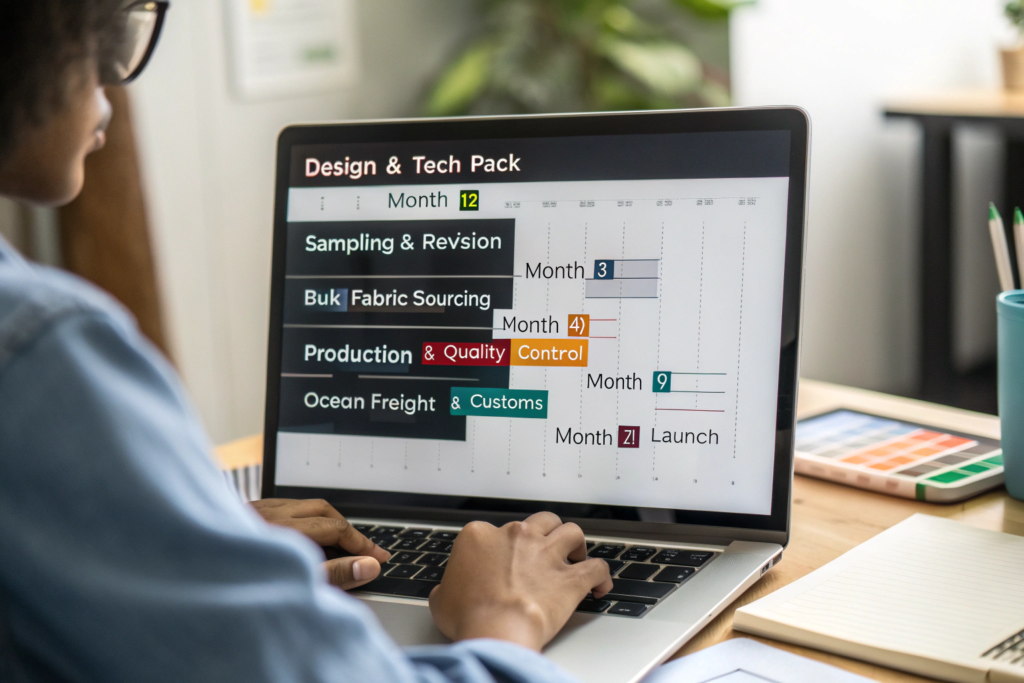
- Plan for Growth and Seasonality: Work with your manufacturer on a production calendar. Lead times from China are typically 60-90 days plus shipping. Plan collections 6-9 months in advance. As you grow, discuss capacity planning with your factory to ensure they can scale with you.
- Understand Total Costs and Logistics: Factor in all costs: unit price, shipping, duties, and insurance. Clarify Incoterms. For many e-commerce brands, DDP (Delivered Duty Paid) shipping, where the factory handles everything to your door, simplifies logistics immensely.
A transparent, communicative factory partner acts as an extension of your team, helping you navigate these complexities and ensuring your product vision is executed flawlessly.
How to Manage Cash Flow in a Inventory-Based Model?
Inventory ties up cash. Use strategies like:
- Pre-orders to fund production.
- Starting with a tight, core capsule collection rather than a vast range.
- Implementing just-in-time (JIT) restocking based on sales data.
- Securing a line of credit as you grow.
Forecast demand conservatively and reorder best-sellers before they sell out completely.
Why is "Agility" a Key Advantage for E-commerce Brands?
Unlike large retailers, you can move fast. Use customer feedback from reviews and social media to iterate on designs quickly. Test new styles in small batches. Your direct connection to the customer allows you to adapt to trends and preferences faster than any large corporation, but only if your supply chain is responsive enough to support it.
Conclusion
Building a successful kids' clothing e-commerce business is a marathon, not a sprint. It requires the passion of a storyteller, the precision of an operator, the empathy of a community builder, and the strategic mind of a supply chain manager. Success is found at the intersection of a compelling brand that fills a genuine need, a flawless customer experience that builds trust, and a reliable operational backbone that delivers consistent quality.
There are no shortcuts. The brands that endure are those that understand this holistic picture and build each component with care, authenticity, and a long-term vision. They view their customers as a community and their manufacturers as true partners in growth.
Ready to build your brand on a foundation of quality and reliability? Partner with a manufacturer who understands the journey of a DTC e-commerce brand. Contact our Business Director, Elaine, at elaine@fumaoclothing.com to discuss how Shanghai Fumao can be the production partner that helps turn your vision into a thriving, scalable business.