As the founder of Fumao Clothing, I've spent over a decade in showrooms and at trade fairs, presenting collections to buyers from New York, Paris, Milan, and Tokyo. One question always surfaces: "Will this sell in my market?" Creating a kids' wear line that resonates across borders is one of the most complex challenges a brand can face. It's a delicate balancing act between universal appeal and local nuance, between timeless style and cutting-edge trend. A collection that feels too generic fails to inspire, while one that's too culturally specific limits its reach. So, how do you design for the world's children?
To create a kids' wear collection that appeals to global markets, you must master a strategy of "glocalization"—developing a core collection with universal design pillars (like quality, comfort, and timeless storytelling) and then intelligently adapting elements like color, sizing, motif, and functional details to align with regional preferences, climatic needs, and cultural sensitivities, all while maintaining a cohesive brand identity.
This approach is not about diluting your vision, but about expanding its relevance. It requires deep market research, a flexible yet principled design philosophy, and a manufacturing partner with the global expertise to execute nuanced variations. The goal is to build a collection where a parent in Stockholm, a buyer in Dallas, and a retailer in Seoul all see a product that feels both uniquely "them" and authentically "you." Let's deconstruct the framework to make this achievable.
1. What Are the Universal Design Pillars for a Global Collection?
Before adapting for regions, you must establish an irresistible core. These are the non-negotiable foundations that transcend borders. They are built on shared human values, not fleeting trends, and they form the bedrock of your global appeal.
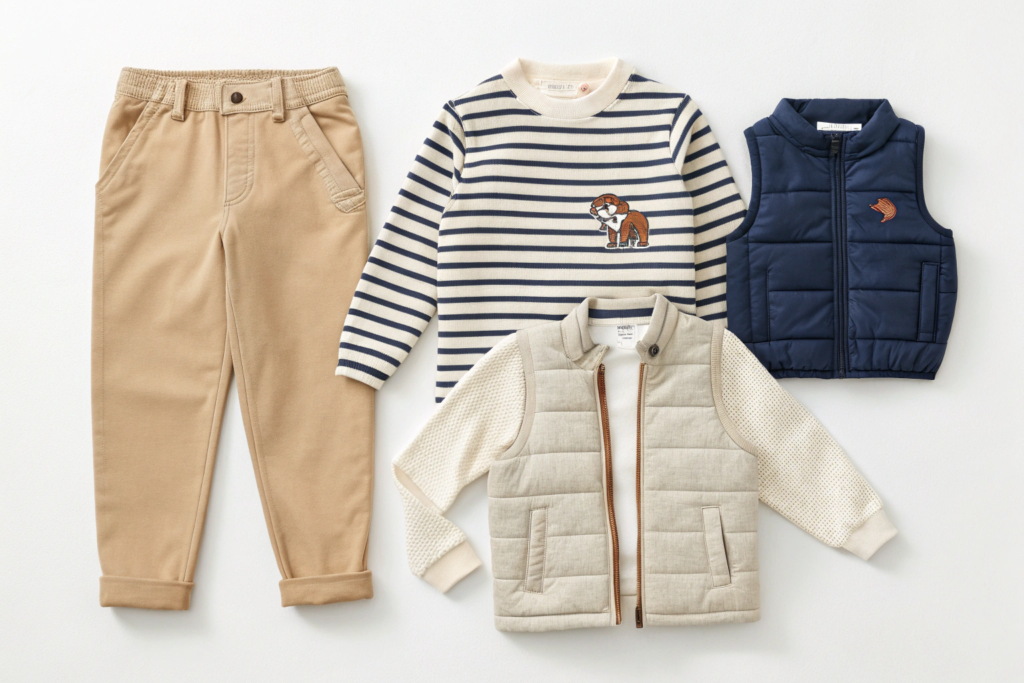
The universal pillars are: Exceptional Quality & Safety, Superior Comfort and Fit, Timeless yet Playful Aesthetics, and a Clear, Positive Story. Every market, from luxury to value-oriented, prioritizes durable, safe clothing for their children. Fabrics must be soft, durable, and certified to standards like OEKO-TEX® Standard 100. The fit must accommodate active play and diverse body types. Aesthetically, leaning into classic silhouettes with playful, graphic updates (like animal motifs, celestial prints, or geometric patterns) has broader appeal than niche subculture trends. Finally, your collection should tell a simple, positive story—adventure, friendship, nature, creativity—that any family can connect with, regardless of language. This core collection is your anchor, representing about 60-70% of your line.
Why is "Quality" the Most Important Universal Language?
In every conversation with global buyers like Ron, quality is the primary filter. It's the ultimate sign of respect for the customer and their child. This means robust stitching, colorfast dyes, and fabrics that withstand playgrounds and frequent washing. For a global audience, quality signals value and builds enduring trust. It’s what turns a one-time purchase into a loyal, cross-border customer base. Investing in superior construction and material from the start, as we do in our factory, ensures your collection meets the high expectations of discerning parents everywhere, from Milan to Montreal.
How to Balance Timelessness with a Sense of Novelty?
Children's wear must feel fresh each season, but not disposable. The key is to keep core silhouettes and color bases (like neutral bottoms and tops) consistent and timeless. Then, inject novelty through "seasonal accents." This could be a new print story (e.g., "Deep Sea Explorers" or "Forest Friends"), a trending sleeve detail (like puff or bishop sleeves), or a standout color of the season used in accessories and select statement pieces. This strategy allows retailers to build a permanent, reliable assortment from your brand while still offering exciting newness that drives seasonal sales.
2. How to Strategically Adapt Colors, Sizes, and Motifs by Region?
Once your strong core is established, intelligent adaptation is your superpower. This isn't guesswork; it's data-informed design. Preferences for color, fit, and iconography can vary significantly, and acknowledging these differences shows cultural awareness.
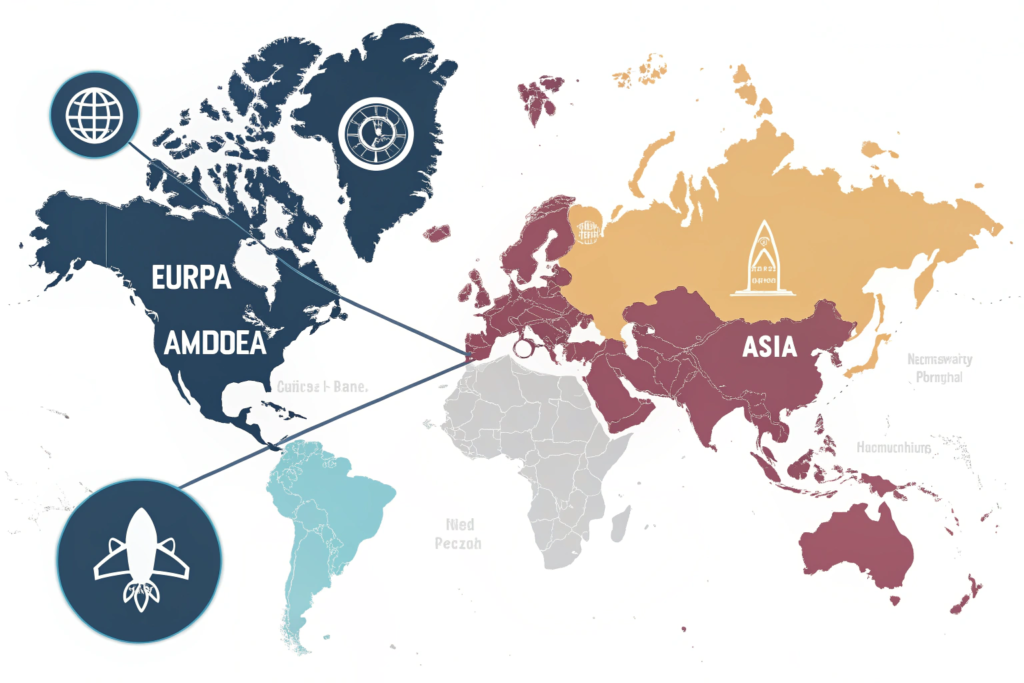
Color Psychology: While pastels are globally popular for babies, preferences diverge for older children. European markets often lean towards more muted, earthy tones and sophisticated color-blocking. The US market frequently embraces brighter, clearer hues and high-contrast combinations. Asian markets may show a preference for certain lucky colors or very soft, gentle palettes. Sizing: Fit standards are not global. US sizing runs larger and more generously cut than EU sizing. Japanese and Korean sizing often runs smaller. A global collection must offer clear size conversions and consider offering slightly different grading rules for key markets. Motifs & Graphics: A dinosaur or unicorn is universally loved. However, specific animals, symbols, or folklore characters can have different connotations. Research is essential. A graphic that is playful in one culture might be meaningless or even inappropriate in another. Abstract patterns, nature themes, and positive words (like "Dream," "Explore") in simple typography tend to travel well.
What Are the Key Regional Differences in Fit and Silhouette?
Beyond numbered sizes, the preferred silhouette varies. European styles often favor a slightly more tailored, slimmer fit, even for casual wear. American parents frequently prefer a roomier, more relaxed fit for ease of movement and longer wear (hand-me-down potential). In some Asian markets, a more playful, oversized look with dropped shoulders might be trendy for certain items. Offering a "classic" and a "relaxed" fit option for core items like jeans and t-shirts can be a smart way to cater to these preferences without duplicating your entire line.
How to Handle Seasonal Timing and Climate Differences?
A major logistical factor is seasonality. When it's Fall in New York, it's Spring in Sydney. A truly global collection must be seasonless or bi-seasonal in nature. Focus on layering pieces that are relevant across climates: lightweight knits, versatile jackets, breathable trousers. For extreme climates, you can offer "climate packs"—like adding heavier-weight thermal versions of core tops for colder regions or ultra-lightweight, UPF-rated versions for sun-intensive markets. The key is modularity, allowing retailers in different zones to buy into the same story with appropriate weight classes.
3. Why is Compliance and Communication Non-Negotiable for Global Success?
Selling across borders introduces a web of legal and logistical requirements. The most beautiful collection will fail if it’s held at customs for non-compliance or if its care instructions are misunderstood. This is where operational excellence separates global players from local ones.
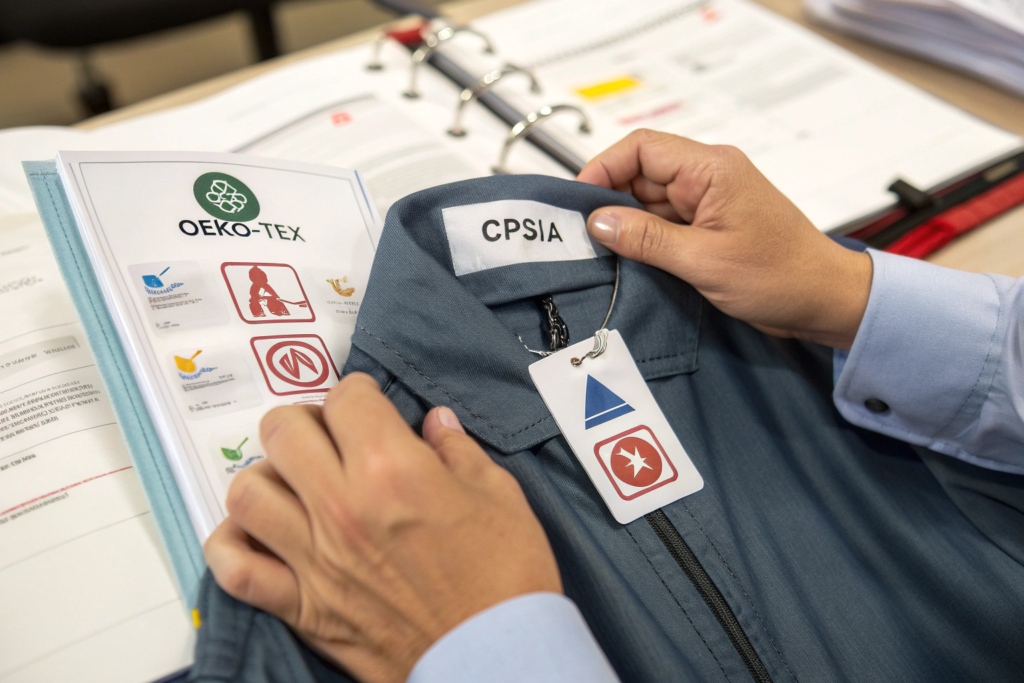
Safety Compliance is Law, Not Suggestion. Each major market has its own regulations. Your collection must be engineered to meet the highest common denominator or be easily adapted. For the US, CPSC standards and CPSIA testing for lead and phthalates are mandatory. The EU requires CE marking and compliance with REACH chemical regulations and EN 14682 for drawstrings. This isn't just about testing the final product; it's about sourcing compliant components (buttons, zippers, prints) from the start. Furthermore, care labels and packaging must meet local language requirements (e.g., bilingual care labels in Canada, French in France). Clear, professional communication in your line sheets and marketing materials, using metric and imperial measurements, is also essential.
How to Build a Compliance-First Design and Production Process?
Compliance cannot be an afterthought. It must be integrated into the design brief. Our process at Fumao starts with a compliance checklist for the target market. Designers are educated on restricted substances and safety design (e.g., no functional drawstrings on hoods for sizes under 7). Sourcing selects only certified mills and trim suppliers. Production includes in-process checks for compliance details. This proactive, "design-for-compliance" approach, managed by an experienced manufacturer, prevents costly last-minute failures and recalls, protecting your brand's reputation globally.
What Logistical Adaptations are Needed for a Global Supply Chain?
Your supply chain must be as agile as your designs. This means understanding Incoterms (like DDP - Delivered Duty Paid), which simplify the import process for your international buyers by making you responsible for all costs and logistics to their door. It means offering flexible minimum order quantities (MOQs) to accommodate smaller boutiques in new markets alongside large distributors. It also requires a clear understanding of shipping timelines and costs to different regions, which should be factored into your pricing and planning. Transparency here builds immense trust with overseas partners.
4. How to Test and Validate Your Collection for International Appeal?
Before a full-scale global launch, validation is critical. You need real-world feedback from your target markets to refine your adaptations and avoid costly missteps. This phase turns assumptions into insights.
Employ a multi-pronged testing strategy. First, leverage your manufacturing partner's network. A factory like ours with clients across North America and Europe can provide invaluable early feedback on style, color, and fit preferences from a commercial buyer's perspective. Second, create a "Global Edit" capsule. Select 10-15 key pieces from your core and adapted lines and present them digitally or in-person to a small group of trusted buyers or agents in key markets. Their order patterns and feedback are pure gold. Third, analyze digital sentiment. Use tools to see what styles, colors, and themes are trending on social media and e-commerce platforms in your target countries. Finally, if possible, participate in international trade shows like Playtime or Pitti Bimbo to get live, concentrated feedback.

What Are the Best Channels for a Soft Global Launch?
A controlled, soft launch mitigates risk. Consider partnering with an established multi-brand retailer with an international online presence or a curated platform like Maisonette or Milk. This gives you immediate access to a global customer base with built-in credibility. Alternatively, run a targeted digital campaign in one or two test markets using your own e-commerce site, focusing on the pieces you've adapted for that region. The data on click-through rates, conversion, and returns will provide clear, actionable validation before you invest in wider distribution.
How to Use Feedback to Iterate and Scale?
The validation phase is not a pass/fail test; it's a learning loop. Analyze which adapted items resonated and which core items had universal strong sales. You may find that a color you created for Europe also sells well in high-end US boutiques, or that a specific functional feature (like reinforced knees) is a universal hit. Use this data to refine your "glocalization" formula for the next season, making your adaptations sharper and your core even stronger. This iterative process is how you build a truly intelligent, globally-responsive brand.
Conclusion
Creating a kids' wear collection for global markets is a strategic symphony, not a single note. It requires the harmony of a timeless, high-quality core with the nuanced melody of regional adaptation. It demands a foundation of rigorous compliance and an agile supply chain, all informed by real-world validation. The brands that succeed are those that see the world not as a monolithic market, but as a tapestry of diverse families united by common desires for quality, comfort, and joy for their children.
By embracing the "glocal" mindset and partnering with a manufacturer experienced in navigating these complexities, you can transform your creative vision into a collection that finds a home—and a heart—in markets around the world.
Ready to design a collection with true global reach? Partner with a manufacturer who understands the map as well as the sketchbook. Contact our Business Director, Elaine, at elaine@fumaoclothing.com to begin building your world-class kids' wear line with Shanghai Fumao.