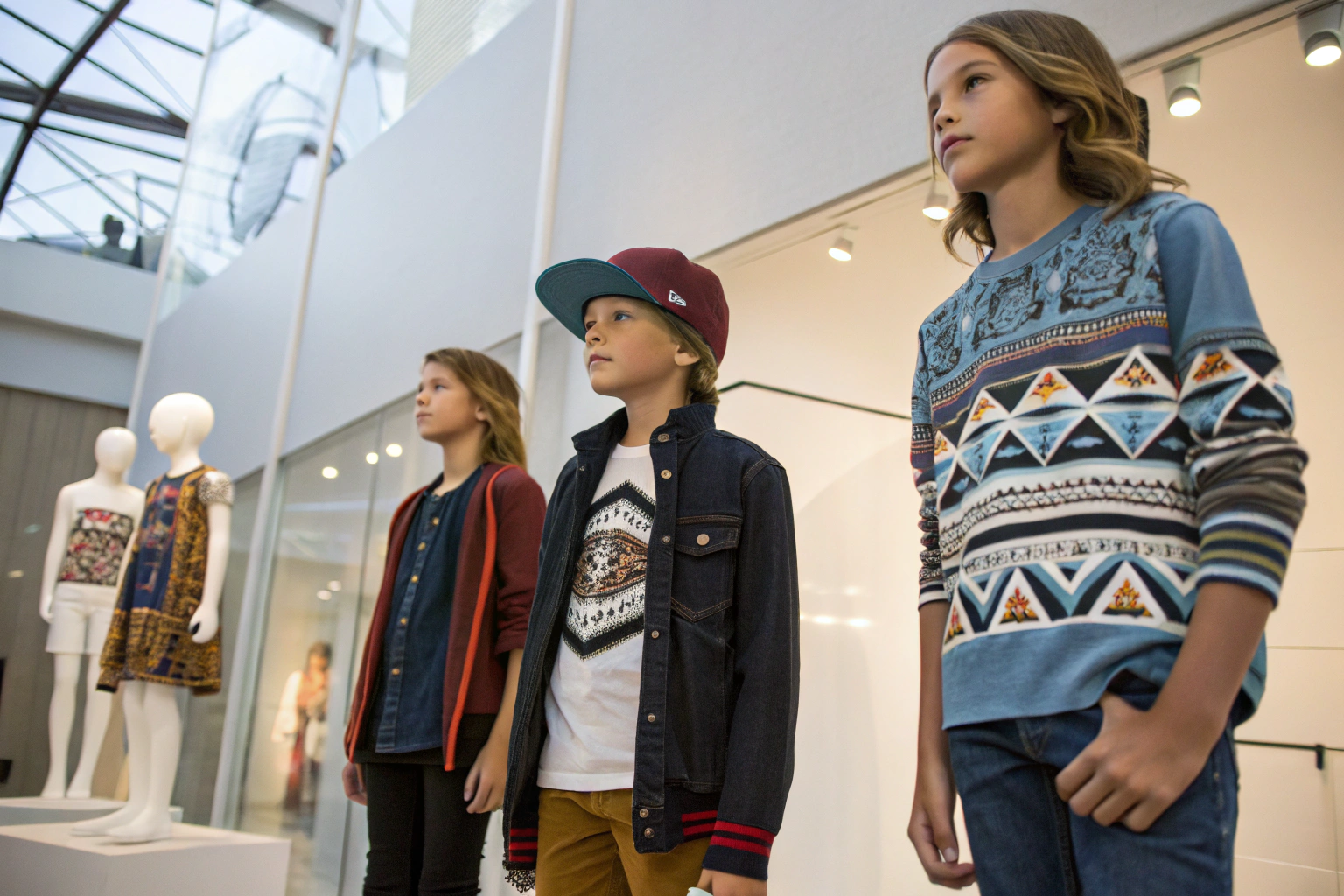
Designing clothing that resonates with the notoriously discerning teen market while maintaining appropriate age parameters represents one of the most challenging yet rewarding opportunities in children's wear. As a manufacturer who has helped brands successfully bridge the tween-to-teen transition in American and European markets, I've identified strategies that honor adolescents' desire for independence and self-expression while addressing parental concerns about appropriateness and quality. This delicate balance requires understanding both the psychological drivers of teen fashion and the practical realities of this life stage.
Creating a kids clothing line that appeals to teens involves balancing trend awareness with timeless elements, offering appropriate independence through customizable options, understanding digital-native shopping behaviors, respecting quality and sustainability values, and providing style guidance rather than dictation. Successful approaches recognize that teens seek clothing that helps them establish identity while navigating social pressures and parental boundaries.
The most effective strategies treat teens as sophisticated consumers with specific preferences rather than just older children, acknowledging their evolving tastes and increasing influence over purchasing decisions.
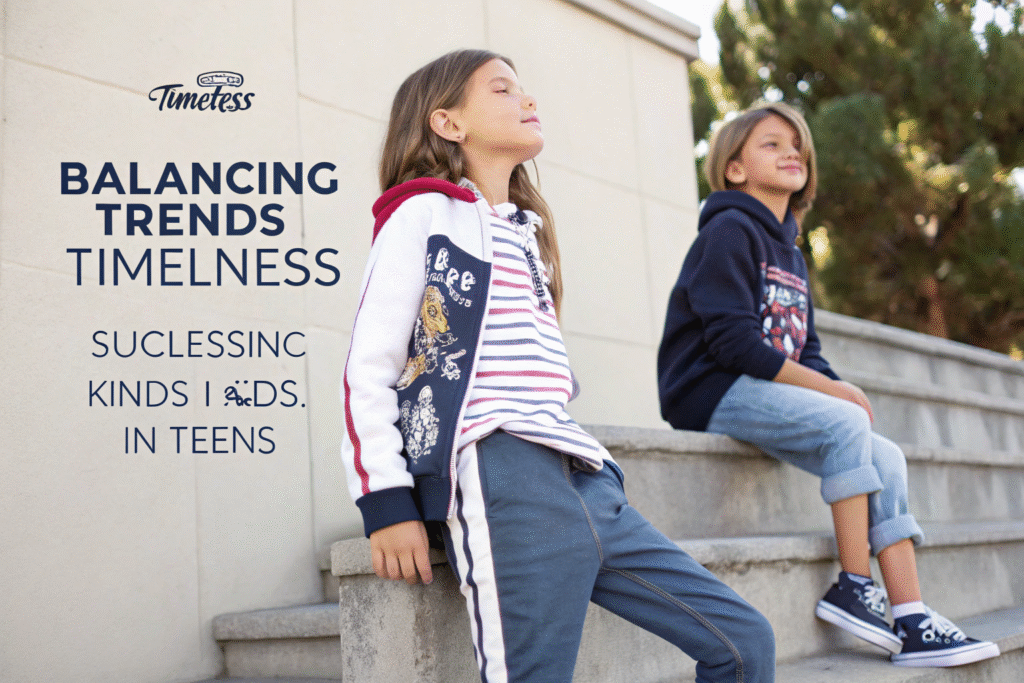
How Can You Balance Trends with Timelessness?
Teens want to feel current but avoid looking like they're trying too hard or wearing costumes of adult trends, requiring careful curation of fashion elements.
The most successful approaches identify enduring trends with teen appeal while filtering out fleeting fads that quickly date clothing or push appropriateness boundaries.
What Trend Elements Have Teen Longevity?
Oversized silhouettes, vintage sportswear references, gender-neutral designs, and sustainable materials represent trends with staying power that appeal to teen values. These elements feel current while avoiding the extreme edges of fashion that quickly cycle out. According to Teen Fashion Research, trend-balanced collections maintain relevance 2-3 times longer than those chasing every micro-trend.
How Can Timeless Foundations Support Trend Integration?
Quality basics in sophisticated fabrics and colors provide foundations that allow trend pieces to work within wardrobes rather than requiring complete overhauls. This approach respects both teen desire for newness and parental concerns about value and waste. The most successful collections typically maintain 70% timeless foundations to 30% trend elements according to teen retail analytics.
Why Do Customizable Options Increase Appeal?
Teens value self-expression and individuality, making customizable elements particularly appealing for establishing personal style within brand parameters.
Customization allows teens to feel co-creators of their style rather than passive recipients of dictated fashion.
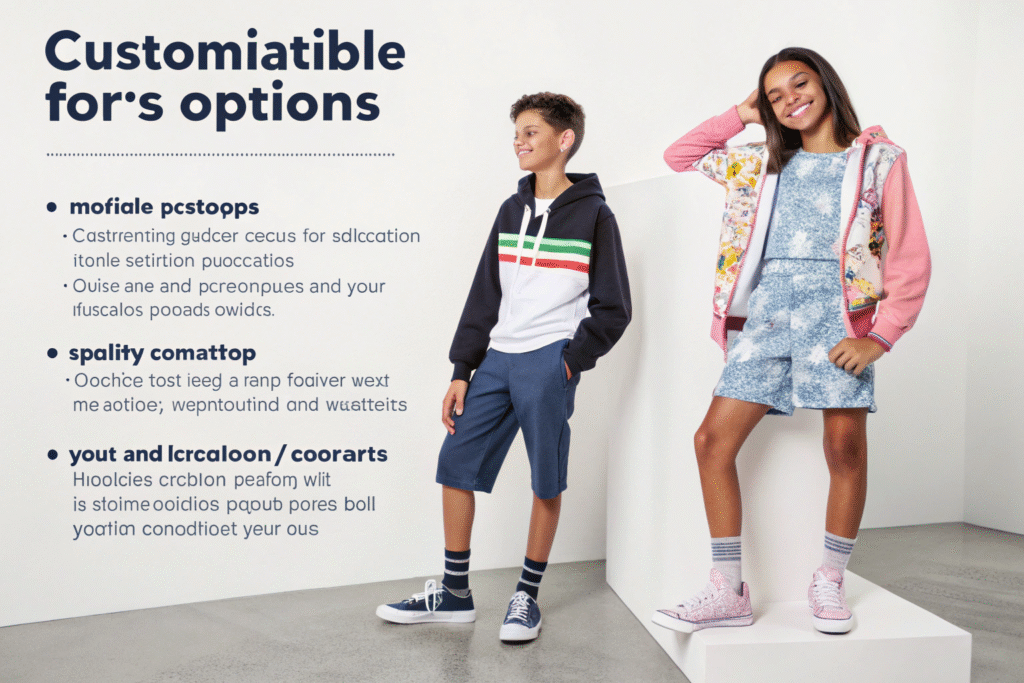
What Level of Customization Resonates?
Choose-your-color trims, reversible elements, detachable components, and mix-and-match separates provide meaningful choice without overwhelming complexity. These options should feel integrated rather than tacked-on, with clear styling suggestions that prevent choice paralysis. The [Teen Customization Institute](https://www.teen customization.org) reports that thoughtfully limited customization options increase purchase likelihood by 40-60% compared to either fully fixed or overwhelmingly customizable approaches.
How Does Modular Design Support Personal Style?
Interchangeable components, layer-friendly proportions, and coordinated separates systems allow teens to create multiple looks from limited pieces. This approach appeals to both creative expression and practical considerations like budget limitations and laundry realities. Our manufacturing has developed modular design systems specifically for teen collections that balance production efficiency with customization potential.
How Do Digital-Native Shopping Behaviors Influence Design?
Teens approach fashion discovery, evaluation, and purchasing through digital lenses, requiring integration of digital considerations into physical product design.
Understanding these behaviors informs everything from product presentation to feature emphasis and marketing integration.
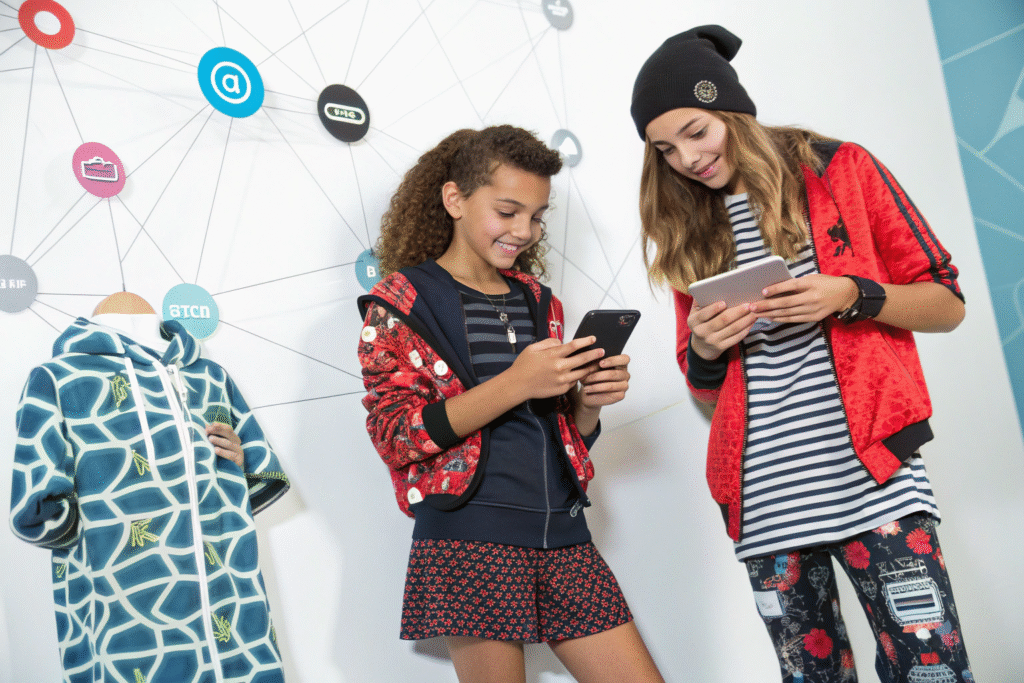
Why Do Photogenic Details Matter?
Design elements that photograph well—interesting textures, subtle reflective surfaces, distinctive silhouettes—increase social sharing and digital discovery. These details should feel integrated rather than performative, appealing both in person and through smartphone cameras. According to Digital Fashion Research, photogenic details increase social media mentions by 3-5 times compared to visually plain equivalents.
How Should Products Accommodate Video Content?
Garments that demonstrate well in short video formats—showing movement, transformation, or layering—align with TikTok and Instagram Reels content styles. Designing with video in mind means considering how clothing looks in motion, how details reveal themselves dynamically, and how styling can be demonstrated quickly. This approach meets teens where they already engage with fashion content.
Why Do Quality and Sustainability Values Resonate?
Today's teens are increasingly conscious consumers who value durability, ethical production, and environmental responsibility in their purchasing decisions.
These values influence both brand selection and specific product choices, requiring genuine commitment rather than superficial claims.
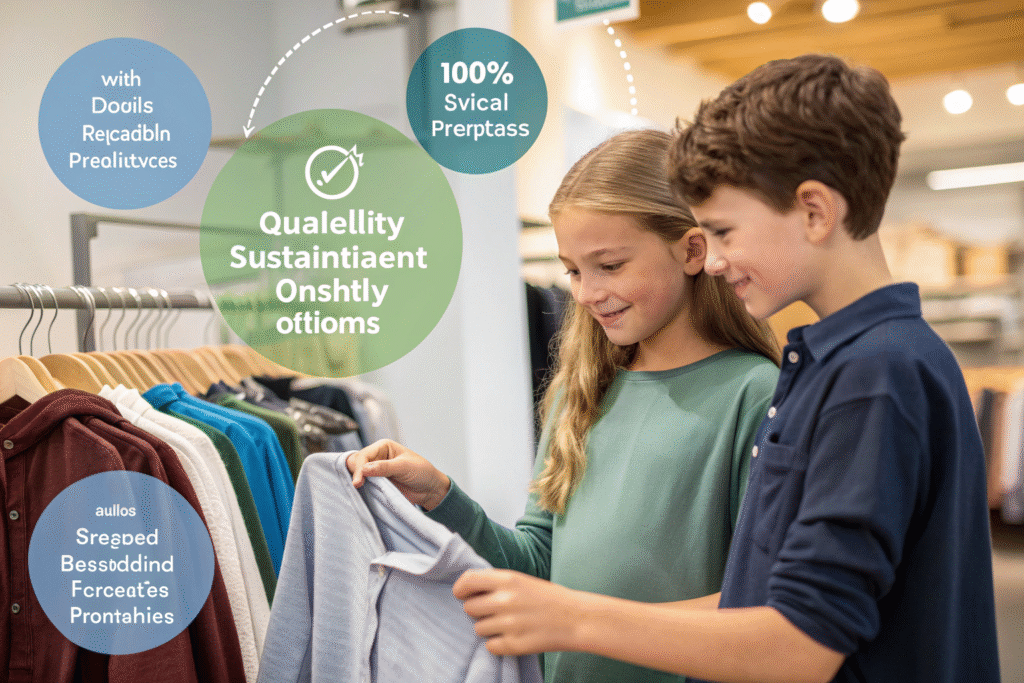
How Can Quality Be Demonstrated to Value-Conscious Teens?
Visible construction details, fabric information transparency, and durability testing results communicate quality in ways teens understand and appreciate. These demonstrations should feel educational rather than boastful, respecting teens' intelligence while providing information they can use in peer discussions about purchases. The Teen Consumer Values Institute reports that quality transparency increases brand trust by 50% among teen audiences.
What Sustainability Approaches Appeal Specifically to Teens?
Circular design features, repair-friendly construction, and clear end-of-life options resonate with teens' environmental concerns. These features should be explained in straightforward terms that connect individual choices to collective impact. Sustainable elements often provide storytelling opportunities that teens appreciate and share within their networks.
How Should Style Guidance Replace Dictation?
Teens resist being told what to wear but appreciate inspiration and guidance that helps them navigate increasingly complex fashion choices.
Providing style frameworks rather than rigid rules respects growing autonomy while offering support in developing personal style.
What Form Should Style Inspiration Take?
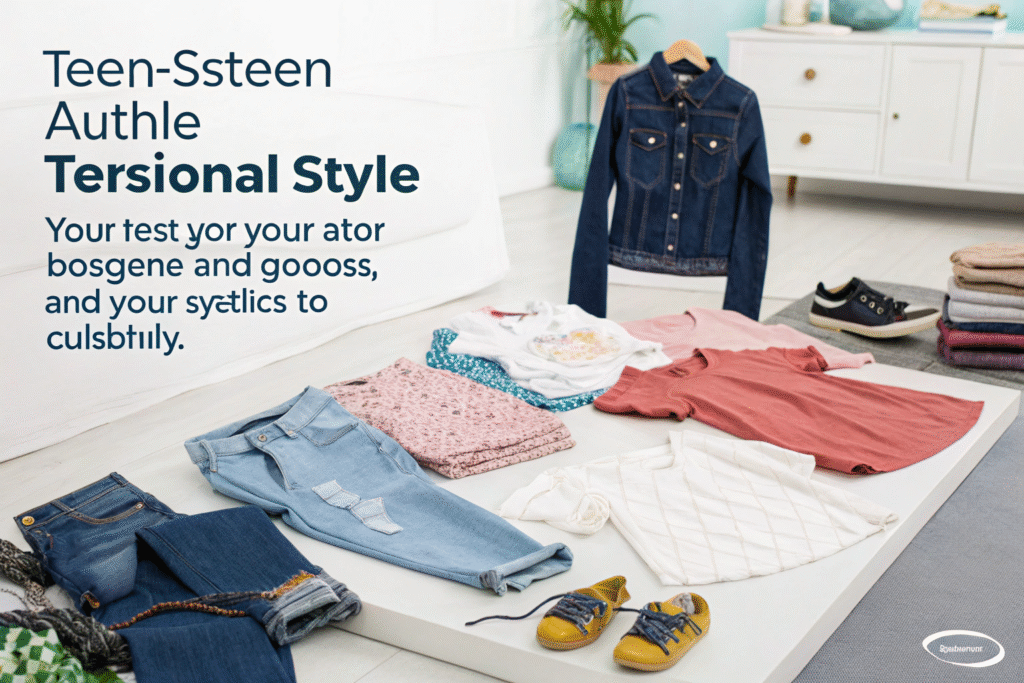
Lookbooks showing diverse styling approaches, mix-and-match suggestions rather than complete outfits, and inclusive representation of different body types and personal styles provide guidance without prescription. Digital formats like styling videos or interactive combination tools work particularly well for teen audiences. These resources should feel empowering rather than limiting, offering possibilities rather than rules.
How Can Brands Facilitate Style Development?
Providing fashion vocabulary, explaining design principles, and offering combination guidelines helps teens develop their own style literacy. This educational approach builds long-term brand relationship beyond individual purchases. The most successful teen brands position themselves as style partners rather than authorities, growing with their customers through developmental stages.
Conclusion
Creating a kids clothing line that appeals to teens requires understanding their dual position as both children establishing independence and sophisticated consumers with specific values. The most successful approaches balance trend awareness with timeless quality, offer appropriate customization, respect digital-native behaviors, demonstrate genuine values, and provide guidance rather than dictation. These strategies honor teens' growing autonomy while maintaining the quality and appropriateness standards that parents rightfully expect.
At Shanghai Fumao Clothing, we've developed specialized expertise in manufacturing for the teen market, understanding the unique fit requirements, quality expectations, and style sensibilities of this discerning demographic. If you're developing clothing for teens, contact our Business Director Elaine at elaine@fumaoclothing.com to discuss how our manufacturing expertise can support your approach to this challenging yet rewarding market segment.