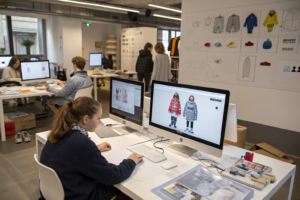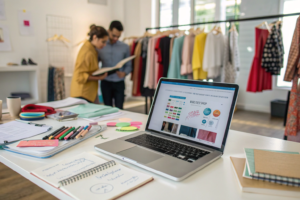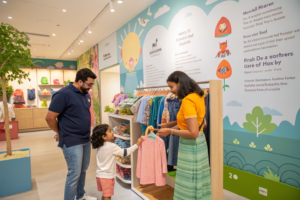
In today's market, a "socially aware" kids' clothing brand is more than one that uses organic cotton. It represents a holistic commitment to positive impact across its entire ecosystem—from the well-being of the workers who make the clothes, to the communities it touches, to the messages it sends to children about the world. As a manufacturer who partners with mission-driven brands, I see that true social awareness is a operational philosophy, not a marketing slogan. It's about building a business where equity, ethics, and empowerment are woven into every decision, creating a brand that parents can support with their values, not just their wallets.
To create a socially aware kids clothing brand, you must embed ethical labor practices and supply chain transparency at your core, champion inclusive representation in all aspects of your business, use your platform to advocate for meaningful social and environmental causes, and design products that actively promote positive values like kindness, diversity, and sustainability to the next generation.
This path is complex but deeply rewarding, building a brand with authentic purpose and unshakable trust. Let's explore the foundational pillars of building a brand that does good while doing well.
How to Build an Ethical and Transparent Supply Chain?
The foundation of a socially aware brand is radical transparency and fairness in how its products are made. This moves beyond basic compliance to proactive partnership and advocacy for the people in your supply chain, often in developing countries like China, Vietnam, or India.
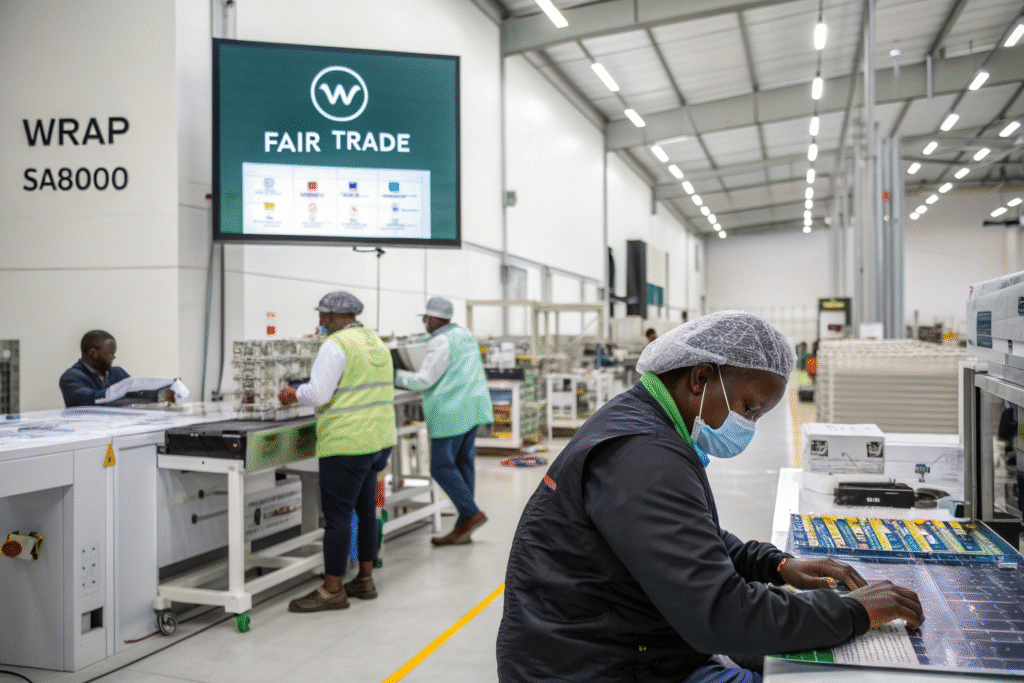
This involves partnering exclusively with manufacturers who hold rigorous social certifications (like WRAP, SA8000, or Fair Trade), conducting regular unannounced third-party audits, publishing a detailed supplier list and factory map, and paying living wages—not just minimum wages—to ensure workers can afford a decent standard of living. Transparency means publicly sharing both successes and ongoing challenges in your journey.
What Certifications and Partnerships Verify Ethical Manufacturing?
Look for partners with verifiable credentials:
- Worldwide Responsible Accredited Production (WRAP): Focuses on safe, lawful, ethical, and humane manufacturing.
- Fair Trade Certified: Ensures fair prices and wages, community development funds, and safe working conditions.
- Supplier Ethical Data Exchange (SEDEX): A platform for sharing ethical supply chain data.
- Direct Partnerships with Worker Cooperatives: The most impactful model, where you source from factories owned and democratically run by the workers themselves.
These are not just badges; they require ongoing investment and commitment. A manufacturer like Fumao that openly holds and maintains such certifications becomes a key partner in your mission.
Why is "Full Cost Accounting" and Living Wage Critical?
A socially aware brand must understand the true cost of its garments, including the social and environmental cost. This means budgeting to pay factories a price that allows them to pay living wages. Organizations like the Fair Wear Foundation provide benchmarks. This is often the single most significant financial differentiator between a truly ethical brand and one that merely audits for minimum standards. Communicating this commitment—"This price ensures a living wage for the seamstress who made it"—builds profound trust with consumers.
How to Champion Inclusive Representation and Accessibility?
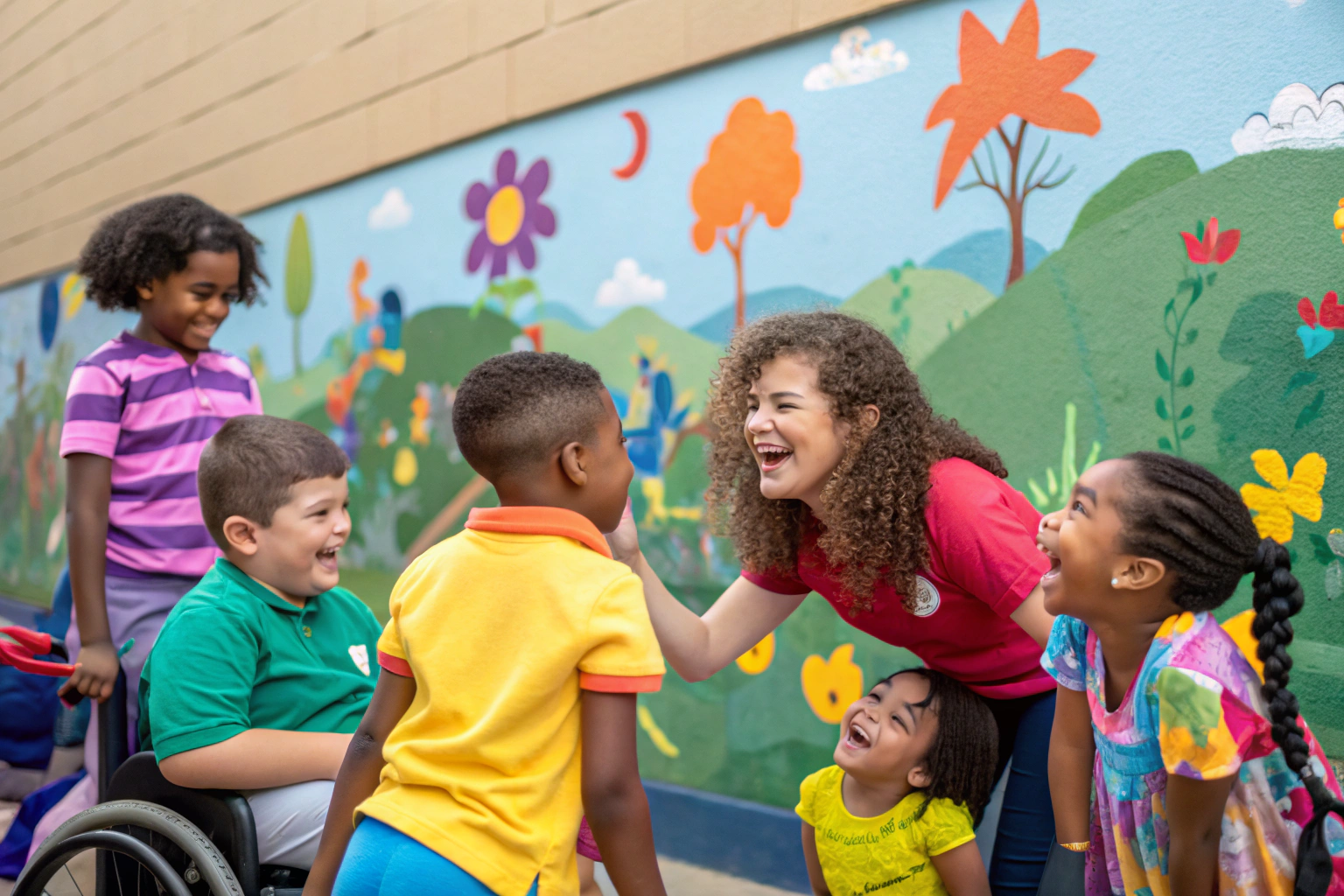
Social awareness means seeing and celebrating all children and families. Your brand must reflect the beautiful diversity of the real world in who you hire, who you market to, and who you design for. Inclusivity should be a default, not a campaign.
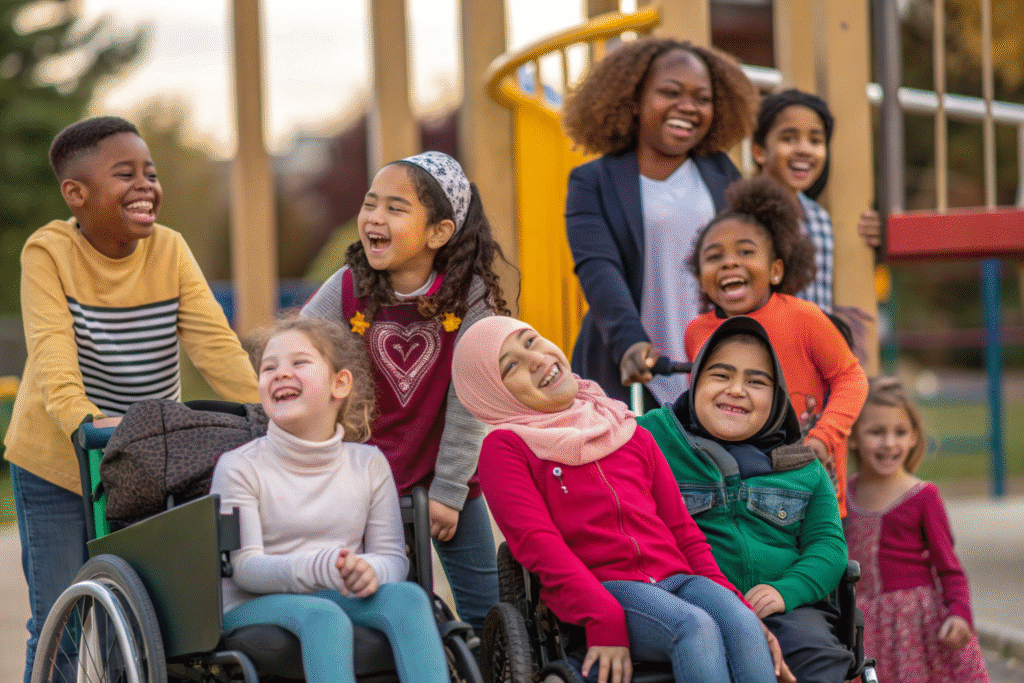
This encompasses diverse and unretouched modeling across all marketing channels, size inclusivity that goes beyond standard sizing to accommodate different body types, adaptive clothing designs for children with disabilities, gender-neutral options that free kids from stereotypes, and affordable access programs to ensure your products aren't only for the wealthy.
How to Implement True Size and Ability Inclusivity?
Move beyond just offering "extended sizes." This requires:
- Proportional Pattern Grading: Sizes should be scaled proportionally, not just made larger, to fit different body shapes.
- Adaptive Design Features: Integrate elements like magnetic closures, side openings, adjustable hems, and sensory-friendly fabrics into your main line, not as a separate "special needs" category.
- Community Co-Design: Work directly with families of children with disabilities to develop products that solve real problems.
Brands like Target's Adaptive Collection and Tommy Hilfiger Adaptive have led the way in making inclusivity mainstream.
Why is Diverse Hiring and Leadership Non-Negotiable?
Your internal team must reflect the diversity you preach. This includes hiring leaders, designers, and marketers from diverse racial, cultural, socioeconomic, and ability backgrounds. A homogenous team cannot authentically understand or serve a diverse customer base. This extends to your board of advisors and creative partners. Diverse perspectives prevent unconscious bias, lead to more innovative products, and ensure your social awareness is built from the inside out, not painted on.
How to Use Your Platform for Advocacy and Community Impact?
A socially aware brand understands its influence and leverages it to support causes that align with its values. This goes beyond a one-time donation to embedding activism into the business model.
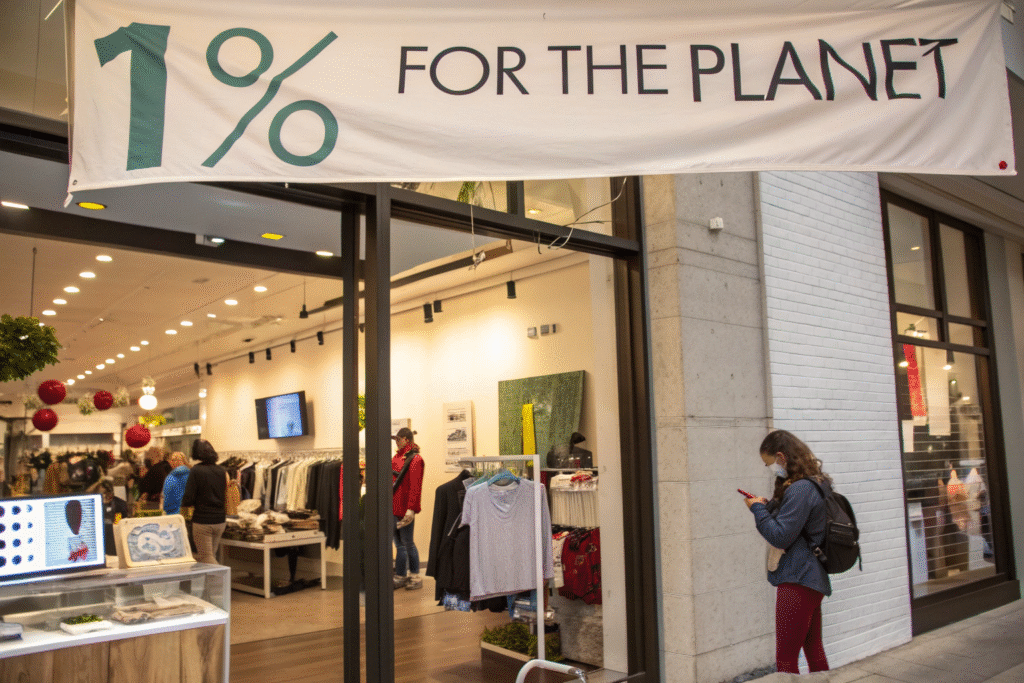
Strategies include donating a fixed percentage of profits (1% for the Planet model), creating cause-related collections where proceeds fund specific initiatives, using your social media and content to educate followers on social issues, and partnering with, not just donating to, grassroots nonprofits working in areas like children's health, education, or environmental justice.
What Are Effective Models for Charitable Partnerships?
Avoid "checkbook philanthropy." Seek deep partnerships:
- Skills-Based Volunteering: Offer your team's skills (marketing, design, logistics) to a nonprofit.
- Long-Term Commitments: Partner with one or two core charities for multi-year projects, allowing for measurable impact.
- Advocacy Campaigns: Use your platform to advocate for policy change. For example, a brand focused on safe chemicals could campaign for stricter regulations on textile dyes.
- Community Grants: Offer small grants to local community organizations where your customers live.
Transparency is key: report exactly how much was raised, where it went, and what it achieved.
How Can Content Marketing Be a Force for Education?
Your blog, social media, and email newsletter are powerful educational tools. Create content that:
- Explains Complex Issues: "A Beginner's Guide to Circular Fashion" or "What is a Living Wage?"
- Amplifies Marginalized Voices: Feature interviews with activists, ethical factory managers, or sustainability scientists.
- Provides Actionable Steps: "5 Ways to Talk to Your Kids About Disability" or "How to Mend Your Child's Clothes."
This positions your brand as a trusted resource, not just a retailer, and empowers your community to become more socially aware themselves.
How to Design Products That Embody and Teach Positive Values?
The product itself is a canvas for your message. Design can actively promote social awareness, empathy, and positive identity in children.
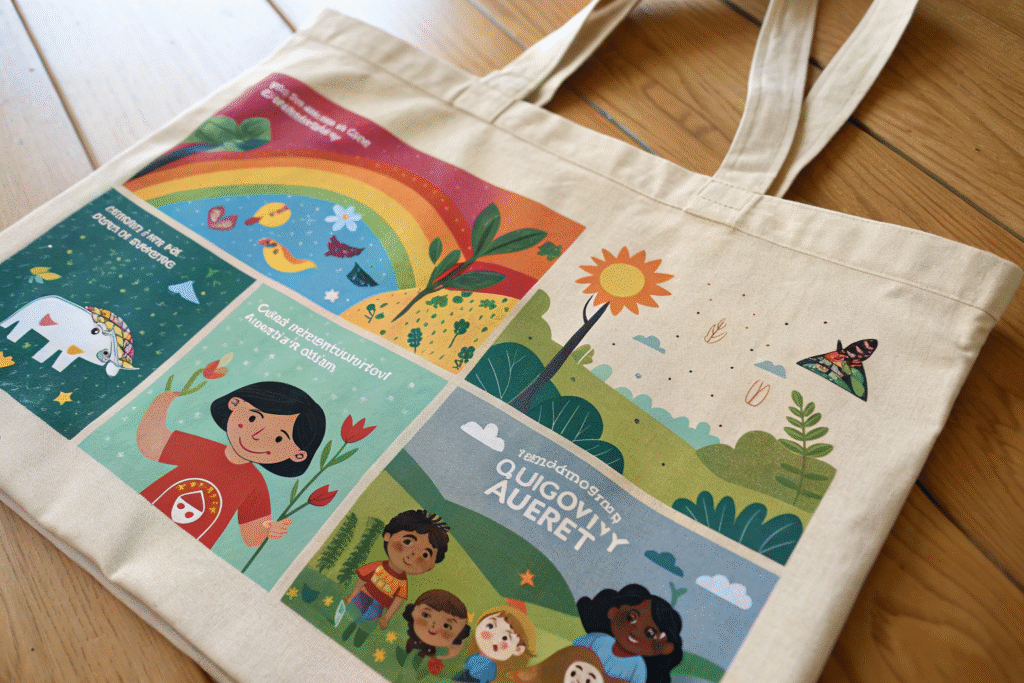
This involves prints and graphics that celebrate diversity and nature, collaborations with artists from underrepresented communities, avoiding stereotypical gendered colors and motifs, and using materials and packaging that tell a story of sustainability and care. Every product should be a "conversation starter" between parent and child.
How Can Clothing Designs Foster Empathy and Global Awareness?
Move beyond generic dinosaurs and unicorns. Consider:
- Alphabet Prints Featuring Diverse Names & Cultures.
- Maps, Endangered Animals, or Symbols of Peace and Unity.
- Subtle, Positive Affirmations: Words like "Kind," "Brave," "Curious" embedded in patterns.
- Collaborations: Partner with global artisan collectives to incorporate traditional craft techniques (like block printing or embroidery), ensuring they are paid fairly and credited. This teaches children about the wider world and the people in it.
Why is "Radical Transparency" in Product Storytelling Essential?
Every garment should have a story you can proudly tell. Use QR codes on hangtags that link to a page showing: the factory where it was made (with photos and stories of workers), the origin of the fabrics, the environmental impact saved (e.g., water, CO2), and the social impact funded. This level of traceability, powered by platforms like TextileGenesis, makes your social awareness claims irrefutable and educates the consumer with every purchase.
Conclusion
Creating a socially aware kids' clothing brand is the ambitious work of building a business that is a force for good in every dimension. It requires unwavering commitment to ethical production, a heartfelt dedication to inclusivity, a strategic use of your voice for advocacy, and thoughtful design that shapes a better worldview. This is not the easiest path, but it builds a brand with unparalleled integrity, deep customer loyalty, and a legacy that extends far beyond fashion.
For manufacturers, partnering with such brands is a commitment to higher standards and shared values. At Fumao Clothing, we have built our processes around the transparency and ethical compliance that socially aware brands require, from certified materials to audited labor practices. We are ready to be the manufacturing partner that helps you turn your vision for a better world into a tangible reality. If you are building a brand with a conscience, let's build it together. Contact our Business Director, Elaine, at elaine@fumaoclothing.com to start a partnership rooted in purpose.