Creating a compelling brand story for children’s clothing requires more than just describing your products—it demands connecting emotionally with parents while capturing children’s imaginations. As a manufacturer who has collaborated with countless brands on their storytelling, I’ve witnessed how the most successful narratives transcend mere marketing to become foundational elements that drive customer loyalty and business growth.
To create a kids clothing brand story that resonates, you must develop an authentic narrative that connects your brand’s origins, values, and mission to the emotional journey of parenting and childhood. The most effective stories combine purpose-driven messaging with relatable characters, memorable visuals, and consistent storytelling across all touchpoints that make parents feel understood and children feel celebrated.
A powerful brand story serves as the emotional bridge between your products and your customers’ lives. Let’s explore how to craft narratives that capture hearts while building sustainable businesses.
What elements make a brand story compelling for parents?
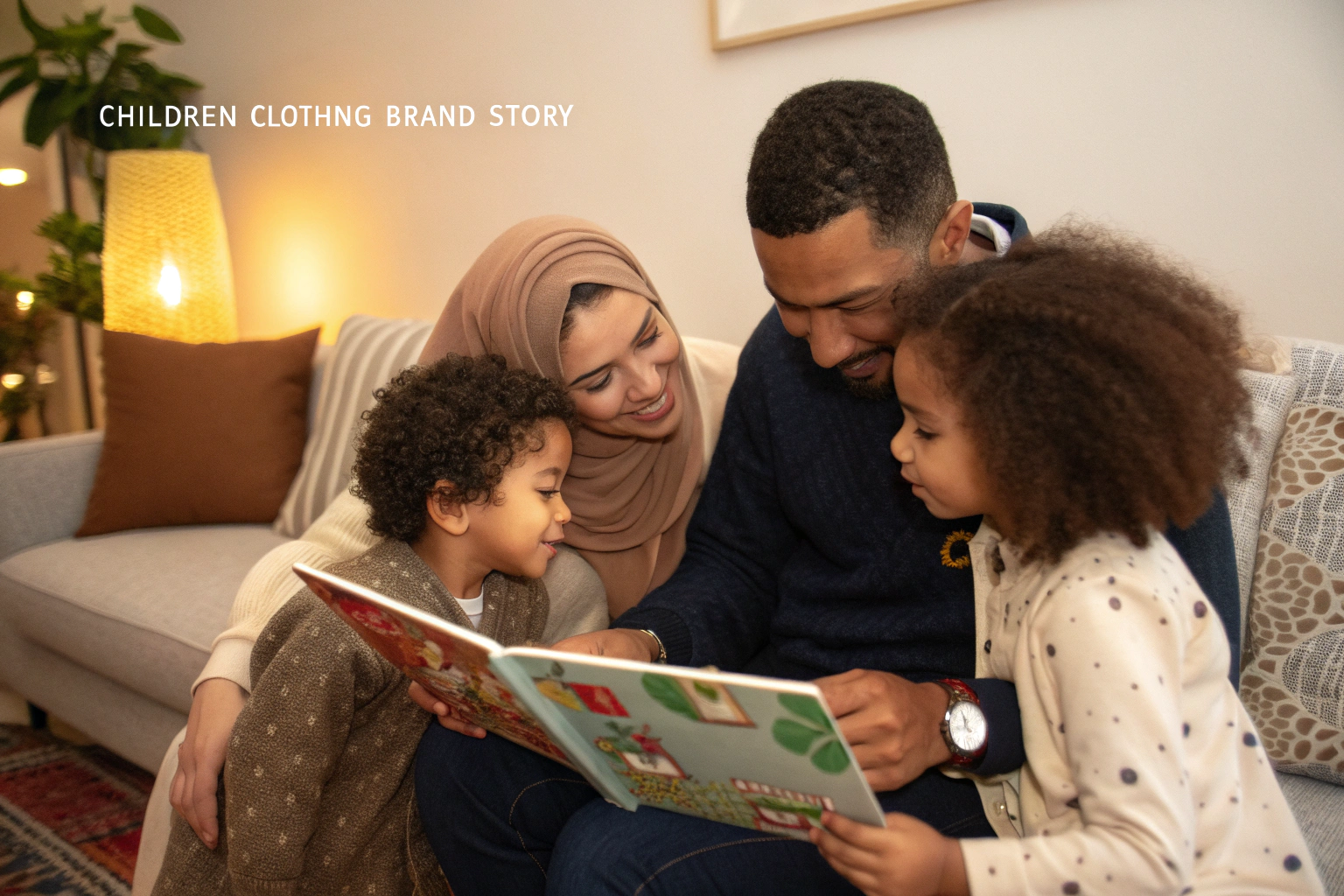
A compelling children’s wear brand story speaks directly to parents’ hopes, values, and concerns while demonstrating genuine understanding of their parenting journey. The most effective narratives address both practical needs and emotional aspirations, creating connections that transcend transactional relationships.
Key elements that resonate with parents include authenticity, relatable founder stories, clear values alignment, and evidence of genuine care for children’s wellbeing. Each component helps build the trust that transforms casual browsers into loyal advocates.
 )
)
Why does authenticity build parental trust?
Authenticity builds parental trust because today’s consumers, particularly millennial and Gen Z parents, are highly skeptical of marketing claims and seek genuine connections with brands that demonstrate consistent values. An authentic brand story acknowledges real parenting challenges, avoids perfectionistic portrayals of childhood, and shares honest behind-the-scenes glimpses of the brand’s journey. According to Stackla’s consumer content survey, 90% of consumers say authenticity is important when deciding which brands they like and support. For children’s clothing brands, this means showing real children in realistic situations rather than idealized photoshoots, sharing the true inspiration behind designs, and being transparent about manufacturing practices and business values.
How do founder stories create emotional connections?
Founder stories create emotional connections by humanizing the brand and providing relatable narratives about the "why" behind the business. When parents understand that a brand emerged from a genuine need—like a parent struggling to find comfortable clothing for a child with sensory issues, or an entrepreneur wanting to create more sustainable options for future generations—they connect with the mission beyond the products. The table below shows how different founder narratives resonate with specific parent concerns:
| Founder Inspiration | Parent Connection Point | Brand Example |
|---|---|---|
| Parental Frustration | Shared experience solving common problems | Brands addressing specific sizing or comfort issues |
| Cultural Heritage | Appreciation for craftsmanship and tradition | Brands incorporating traditional techniques or patterns |
| Environmental Concern | Values alignment around sustainability | Eco-friendly brands with transparent supply chains |
| Creative Passion | Aspirational aesthetic and attention to detail | Design-focused brands with distinctive visual identity |
How to develop characters and visual storytelling?
Characters and visual storytelling transform abstract brand values into tangible, memorable experiences that engage both children and parents. Successful brand characters become ambassadors that children love and parents trust, while consistent visual narratives create recognizable brand worlds.
Key character and visual elements include relatable brand mascots, consistent color stories, signature design elements, and photography styles that reflect brand personality. Each component should work together to create a cohesive brand universe.

What makes brand characters effective with children?
Effective brand characters connect with children through relatable personalities, appealing visual design, and stories that spark imagination without being overly commercial. The most successful characters possess distinct personalities that children can identify with—perhaps a curious explorer, a creative dreamer, or a brave adventurer—while avoiding stereotypes or purely decorative functions. According to child development research, children form strong attachments to characters that reflect their experiences or aspirations. These characters should appear consistently across touchpoints, from clothing tags and packaging to digital content and in-store experiences, creating a familiar friend that grows with the child. Importantly, brand characters should enhance rather than dominate the product experience, supporting the clothing rather than overwhelming it.
How does visual consistency strengthen brand recognition?
Visual consistency strengthens brand recognition by creating immediate visual cues that trigger emotional connections and brand recall across all customer interactions. This includes maintaining consistent color palettes that reflect brand personality (earthy tones for natural brands, bright primaries for playful ones), signature graphic elements that appear across collections, and photography styles that convey the brand’s perspective on childhood. Research from the Journal of Consumer Research indicates that consistent visual branding can increase revenue by up to 23% by building familiarity and trust. For children’s wear brands, this visual consistency should extend from digital presence to physical tags, packaging, and retail environments, creating a seamless experience that feels intentional and professional at every touchpoint.
What role do values and mission play in storytelling?
Values and mission provide the ethical foundation that transforms a children’s clothing brand from a mere merchant into a meaningful participant in family life. Today’s parents increasingly seek brands whose business practices align with their personal values, making ethical transparency an essential story component.
Key value-driven story elements include sustainability commitments, ethical manufacturing explanations, community involvement, and educational content that extends beyond products. Each demonstrates that the brand’s concerns extend beyond profits to genuine care for its impact.

Why does sustainability storytelling resonate with modern parents?
Sustainability storytelling resonates with modern parents because it addresses their concerns about the world their children will inherit while providing practical ways to make responsible purchasing decisions. Effective sustainability narratives go beyond vague "eco-friendly" claims to share specific details about material sourcing, manufacturing processes, and circular initiatives. According to First Insight’s sustainability report, 62% of Gen Z and Millennial consumers prefer to buy from sustainable brands, and they’re willing to pay more for these products. For children’s wear brands, this might mean explaining how organic cotton farming protects children’s health by reducing pesticide exposure, or how durable construction extends garment life for hand-me-down potential. These stories help parents feel they’re making choices that benefit both their children and the broader world.
How can ethical manufacturing become a compelling narrative?
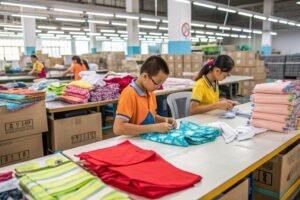
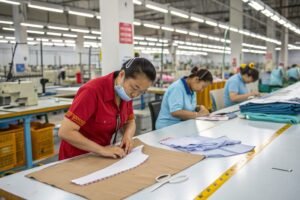
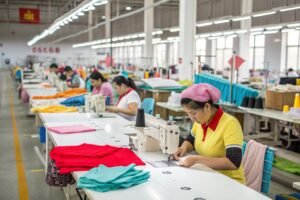
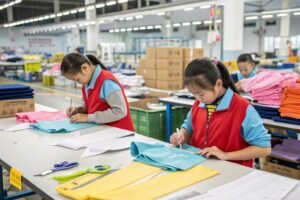
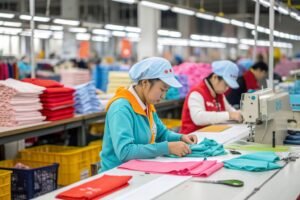
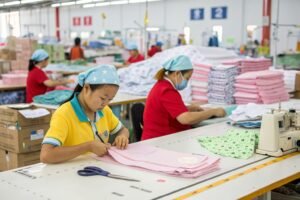
Ethical manufacturing becomes a compelling narrative when brands transparently share their commitment to fair labor practices, safe working conditions, and respectful treatment of workers throughout their supply chain. This might include introducing the artisans who create the clothing, explaining factory certification processes, or sharing how manufacturing partnerships support communities. The Fashion Revolution’s Transparency Index demonstrates growing consumer demand for supply chain visibility, particularly following awareness of factory safety issues in the fashion industry. For children’s wear brands, ethical manufacturing stories carry special weight because parents naturally extend their protective instincts to the people making clothing for their children. These narratives build trust by demonstrating that the brand’s care for children extends to everyone involved in bringing products to market.
How to maintain story consistency across channels?
Maintaining story consistency across channels ensures that customers receive a unified brand experience whether they encounter your brand online, in-store, through packaging, or via customer service. Inconsistent messaging creates confusion and undermines the authenticity that makes brand stories compelling.
Key consistency strategies include developing brand voice guidelines, creating content calendars that reinforce core narratives, training team members as story ambassadors, and auditing touchpoints regularly for alignment. Each approach helps maintain narrative coherence as the brand grows and evolves.

What role does brand voice play in story consistency?
Brand voice plays a crucial role in story consistency by ensuring that all written and spoken communication reflects the brand’s personality and values across every channel. Whether the brand voice is playful and whimsical to appeal to children’s imaginations or thoughtful and reassuring to address parental concerns, maintaining this consistency helps build familiarity and trust. According to Nielsen’s brand consistency research, consistent brands see 20% higher brand visibility and 33% more revenue than inconsistent ones. For children’s wear brands, this means ensuring that product descriptions, social media captions, email newsletters, and customer service interactions all share the same tone, vocabulary, and perspective. This vocal consistency makes the brand feel like a reliable friend rather than a faceless corporation.
How can packaging extend the brand story?
Packaging extends the brand story by transforming the unboxing experience into a narrative moment that reinforces brand values and personality. Thoughtful packaging might include storytelling tags that share the inspiration behind specific designs, reusable elements that reflect sustainability commitments, or interactive components that engage children while parents handle the practicalities of unpacking. The Packaging of the World creative archive demonstrates how innovative packaging can become a memorable part of the brand experience. For children’s wear, packaging should balance aesthetic appeal with practical considerations—easy opening for busy parents, secure closure for gift-giving, and environmentally responsible materials that align with stated values. When packaging consistently delivers on brand promises, it strengthens the overall narrative with each purchase.
How to evolve your story as the brand grows?
Brand stories must evolve to remain relevant as companies grow, markets change, and customer expectations develop. However, this evolution should feel like natural maturation rather than abrupt changes that alienate loyal customers.
Key evolution strategies include maintaining core values while updating expressions, involving customers in the brand’s ongoing story, transparently sharing growth milestones, and periodically refreshing visual elements while retaining recognizable foundations. Each approach helps the story develop without losing its essential identity.

Why should customer stories become part of your narrative?
Customer stories should become part of your narrative because they provide authentic social proof while demonstrating that the brand values its community’s experiences. Sharing real photos of children wearing your clothing in their daily adventures, featuring parent testimonials that address specific concerns, and celebrating customer milestones all transform buyers into co-creators of the brand story. According to Harvard Business Review research, customer stories are significantly more persuasive than brand-generated content because they’re perceived as more genuine. For children’s wear brands, this might mean creating social media features dedicated to customer photos, sharing stories of how your clothing has accompanied children through special moments, or even involving loyal customers in product development decisions. This collaborative approach makes families feel invested in the brand’s success.
How can brand evolution maintain core identity?
Brand evolution can maintain core identity by distinguishing between timeless elements that define the brand’s essence and temporal expressions that can adapt to changing contexts. The core identity typically includes foundational values, brand purpose, and key differentiators that made the brand special initially—these should remain consistent even as products, marketing strategies, and visual elements evolve. The Journal of Brand Management notes that successful brand evolution balances heritage with innovation, respecting what made the brand meaningful while remaining relevant to contemporary customers. For children’s wear brands, this might mean maintaining commitment to certain materials or manufacturing principles while updating styles to reflect current trends, or preserving brand characters while giving them new adventures that reflect changing childhood experiences. This balanced approach honors loyal customers while attracting new ones.
Conclusion
Creating a kids clothing brand story that resonates requires blending authentic values with compelling characters, consistent visuals, and meaningful customer connections. The most successful stories don’t just sell clothing—they invite families into a narrative that reflects their aspirations, addresses their concerns, and celebrates their journey through childhood.
A powerful brand story becomes the soul of your business, guiding decisions, inspiring loyalty, and creating emotional connections that transcend individual transactions. If you’re developing a children’s wear brand and need manufacturing partnership from a company that understands brand storytelling, contact our Business Director Elaine at elaine@fumaoclothing.com. Let Shanghai Fumao’s experience with successful children’s brands help you build a narrative that captures hearts while driving sustainable business growth.