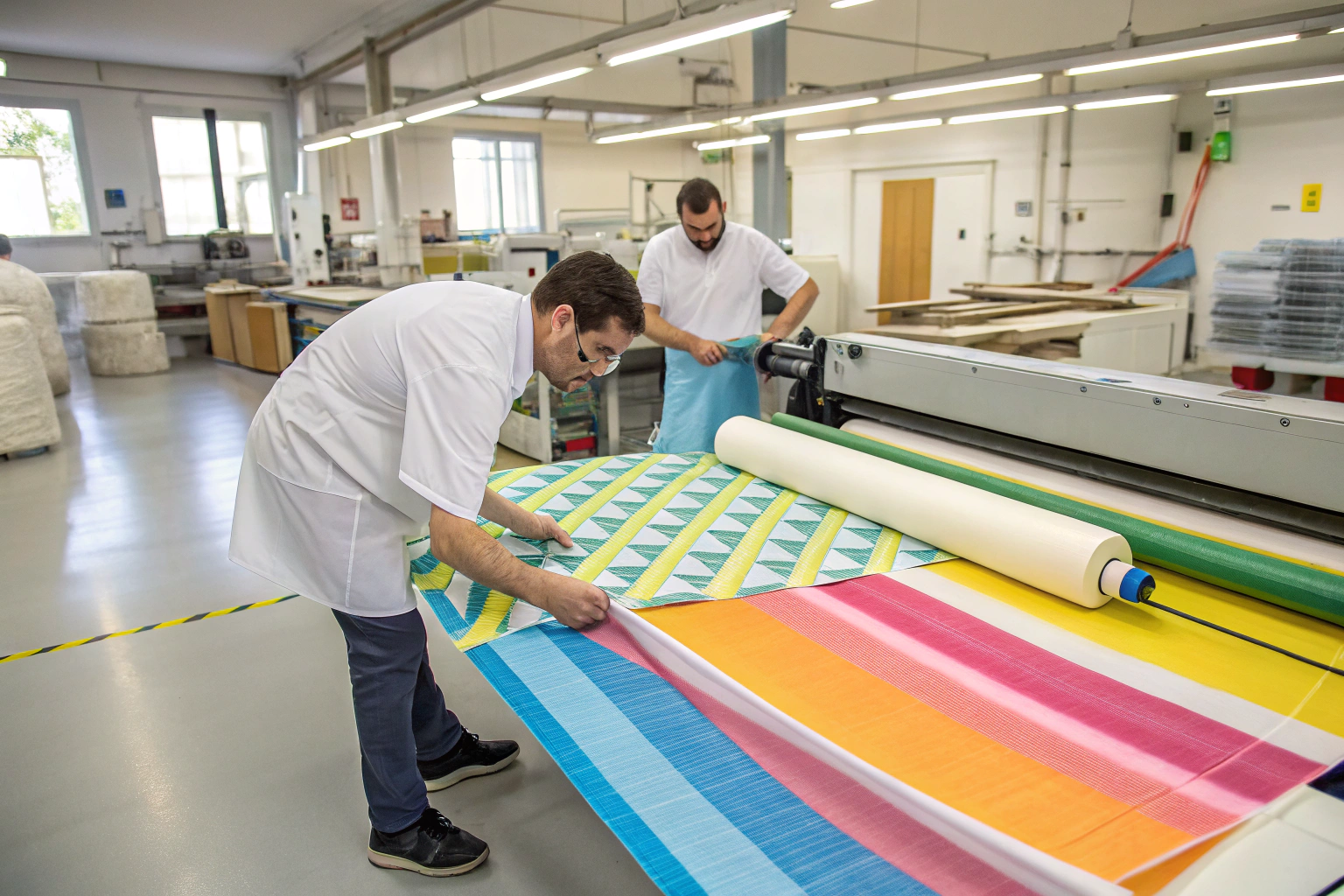
Selecting the right manufacturing partner for kids' summer wear is a specialized endeavor with unique considerations. Summer clothing must balance sun protection, breathability, durability during active play, quick-drying capabilities, and vibrant, colorfast aesthetics—all while being gentle on sensitive skin. As a manufacturer with extensive experience in seasonal collections, I can attest that the wrong partner can lead to faded colors, shrunken garments, or uncomfortable fits that fail in the heat. The right partner understands that summer wear is engineered for performance and joy.
To choose the right manufacturer for kids summer wear, you must prioritize expertise in lightweight, breathable, and UV-protective fabrics, mastery of colorfast printing and dyeing techniques for sun and chlorine exposure, experience with comfortable, active-wear construction, and proven ability to manage the fast-paced timelines required for a short, peak selling season.
This decision requires a focus on both material science and agile production. Let's navigate the critical factors that ensure your summer collection is both beautiful and built to last through countless adventures in the sun.
What Fabric Expertise is Essential for Summer Performance?
The foundation of great summer wear is the fabric. It must be breathable to prevent overheating, offer moisture-wicking or quick-dry properties, provide UV protection, and resist fading from intense sun and frequent washing. A manufacturer's sourcing network and knowledge of warm-weather textiles are paramount.
Essential expertise includes deep familiarity with natural fibers like linen, organic cotton voile, and hemp blends for breathability, and technical synthetics like polyester and nylon with moisture-wicking finishes for activewear. They must also understand UPF (Ultraviolet Protection Factor) fabrics and chlorine-resistant blends for swimwear and cover-ups. The right partner can advise on the optimal fabric weight and weave for each garment type.
How to Evaluate a Factory's Knowledge of UPF and Sun-Protective Fabrics?
Sun safety is a major parental concern. Don't just accept a "UPF 50+" claim at face value. Ask the manufacturer:
- Testing Methodology: Do they conduct in-house or third-party UPF testing (according to standards like ASTM D6544 or AS/NZS 4399)? Can they provide test reports?
- Fabric Engineering: Do they understand how tightness of weave/knit, fiber type, color, and chemical finishes affect UPF? Darker, tighter weaves generally offer more protection.
- Finish Durability: Is the UPF rating built into the fiber (like some polyesters) or a chemical coating that may wash out over time? How many washes does it maintain its rating?
A knowledgeable manufacturer will proactively discuss these factors and recommend fabrics with inherent, durable sun protection.
Why are Colorfastness and Chlorine Resistance Non-Negotiable?
Summer clothes face brutal conditions: sweat, sunscreen, saltwater, chlorinated pools, and intense UV radiation. Fabrics must be colorfast to prevent dyes from running or fading. Specifically for swimwear and poolside items, chlorine resistance is critical. Ask the manufacturer:
- What dyeing processes do they use (reactive dyes, sublimation) for maximum fastness?
- Do they conduct AATCC tests for colorfastness to perspiration, chlorinated water, and light?
- For prints, do they use sublimation printing (where dye becomes part of the fiber) for superior durability compared to surface prints?
The ability to provide certified test reports for these properties separates a serious summer wear specialist from a general apparel factory.
How to Assess Construction for Comfort and Durability in Heat?
Summer construction must prioritize comfort and freedom of movement. Seams should be flat and non-irritating, elastic should be soft and secure, and the overall fit should be relaxed yet functional. Garments need to withstand the rigors of sand, surf, and playgrounds.
Look for manufacturers skilled in flatlock and coverstitch seams (common in activewear and swimwear) to prevent chafing. They should use soft, latex-free elastics that won't degrade in sun or chlorine. For woven items like dresses and shirts, French seams or bound seams offer a clean, durable finish. Attention to ventilation details like gussets, mesh panels, and strategic laser-cut holes is a sign of advanced design thinking.
What Makes a "Quick-Dry" Garment Truly Functional?
"Quick-dry" is a performance feature that requires specific fabric and construction. A manufacturer should explain:
- Fabric Composition: Typically a synthetic blend (polyester/nylon) or a treated micro-modal/cotton.
- Knit/Woven Structure: Fabrics with moisture-wicking channels or a honeycomb weave that moves moisture to the surface.
- Minimal Interfacing/Lining: Bulky inner layers hinder drying.
- Seam and Hem Construction: Minimal, lightweight stitching that doesn't trap water.
Ask for a demonstration or data on drying time under controlled conditions. This is crucial for swim cover-ups, travelwear, and any item meant to go from water to wear comfortably.
How to Ensure a Comfortable Fit for Active Summer Play?
Fit in summer is about air circulation and ease. The manufacturer's pattern-making must account for:
- Ease and Movement: Patterns should allow for a full range of motion for running, jumping, and swimming.
- Strategic Venting: Understanding where to place vents or use mesh panels.
- Soft Waistbands and Armholes: Avoiding tight, restrictive elastic that can cause heat rash.
Request fit samples on child models (or accurate mannequins) in action poses to see how the garment performs in motion, not just statically.
How to Manage Timelines and Production for a Short Season?
The summer selling window is notoriously short and intense. Production must be meticulously planned to hit the market early (often April/May) and avoid being stuck with heavy inventory by July. This requires a manufacturer with exceptional project management and reliable lead times.
This involves backward planning from your launch date, accounting for fabric sourcing lead times, multiple sample rounds, production capacity during peak periods, and shipping logistics. A manufacturer experienced with seasonal goods will have a clear critical path timeline and will communicate proactively about any potential delays.
What is a Realistic Timeline for Developing a Summer Collection?
To have stock by April, a typical timeline looks like:
- Concept & Design: August - October (of the prior year).
- Fabric Sourcing & Development: October - December.
- Sampling & Fit Approval: December - January.
- Pre-Production & Bulk Fabric Order: January - February.
- Production: February - March.
- QC, Shipping, & Arrival: March - April.
Total: ~7-8 months. Missing any milestone can mean missing the season entirely. Your manufacturer must be a reliable partner in sticking to this schedule.
Why is a Manufacturer's "Peak Season" Capacity Important?
Many factories are inundated with summer orders at the same time. You must ask:
- What is their maximum capacity during Q1 (Jan-Mar)?
- Do they have dedicated lines for knits/wovens/technical wear?
- What is their policy on scheduling? Do they guarantee your production slot once the deposit is paid?
A factory that overbooks will delay your order, leading to catastrophic missed sales. Choose a partner with transparent capacity planning and a track record of on-time delivery for seasonal goods.
What Are the Sustainability and Safety Considerations?
Summer wear has specific sustainability challenges (water usage in dyeing, microplastics from synthetics) and safety needs (drawstrings, chemical safety). Modern parents expect brands to address these.
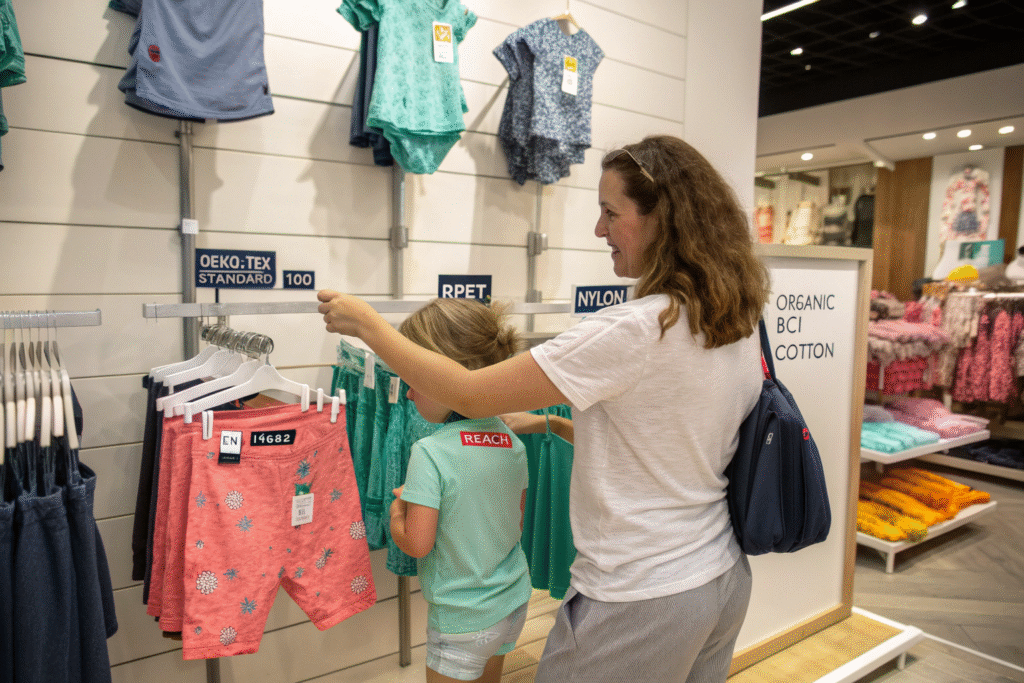
Look for manufacturers who offer low-impact dyeing (OEKO-TEX Standard 100 certified), recycled polyester (rPET) and nylon, and organic or BCI (Better Cotton Initiative) cotton. They should be well-versed in children's product safety standards regarding drawstrings (e.g., EN 14682) and flammability (for certain loose-fitting styles). For swimwear, ensure they understand chemical safety standards like REACH in the EU.
How Can a Manufacturer Support a Sustainable Summer Line?
A forward-thinking manufacturer will have solutions such as:
- Access to Certified Fabrics: GOTS organic cotton, GRS recycled materials, Lenzing™ Ecovero™ viscose.
- Efficient Production Processes: Water recycling in dye houses, energy-efficient machinery.
- Waste Reduction Programs: Using fabric scraps for other products or recycling.
- Sustainable Packaging Options: Recycled and biodegradable polybags and cartons.
Their ability to provide documentation (transaction certificates, mill affidavits) for these claims is essential for your brand's credibility.
What Safety Certifications Are Relevant for Summer-Specific Items?
Beyond general CPSIA (US) or CE (EU) compliance, consider:
- Swimwear/Accessories: EN 71-3 for migration of certain elements if there are metal components.
- Beach Toys/Attachments: If you include any, they may need toy safety certification.
- Sun Hats with Chin Ties: Must be designed as break-away ties to prevent strangulation hazards.
Your manufacturer should have a robust Quality Management System (QMS) that incorporates safety checks at multiple stages of production.
Conclusion
Choosing the right manufacturer for kids' summer wear is a decision that hinges on specialized expertise in performance fabrics, color science, agile seasonal production, and a commitment to safety and sustainability. It's about finding a partner who views a sun shirt not just as a top, but as a piece of protective gear, and a swimsuit as durable athletic equipment. By vetting for technical knowledge, construction skill, timeline reliability, and ethical practices, you ensure your summer collection is not only stylish but also functional, safe, and ready to capture the season's demand.
At Fumao Clothing, our expertise in lightweight knits, technical fabrics, and colorfast printing processes positions us as an ideal partner for brands creating high-performance summer wear. We understand the urgency of the season and have the systems in place to deliver quality on time. If you're planning a summer line that needs to withstand fun in the sun, let's create it together. Contact our Business Director, Elaine, at elaine@fumaoclothing.com to start developing your collection.