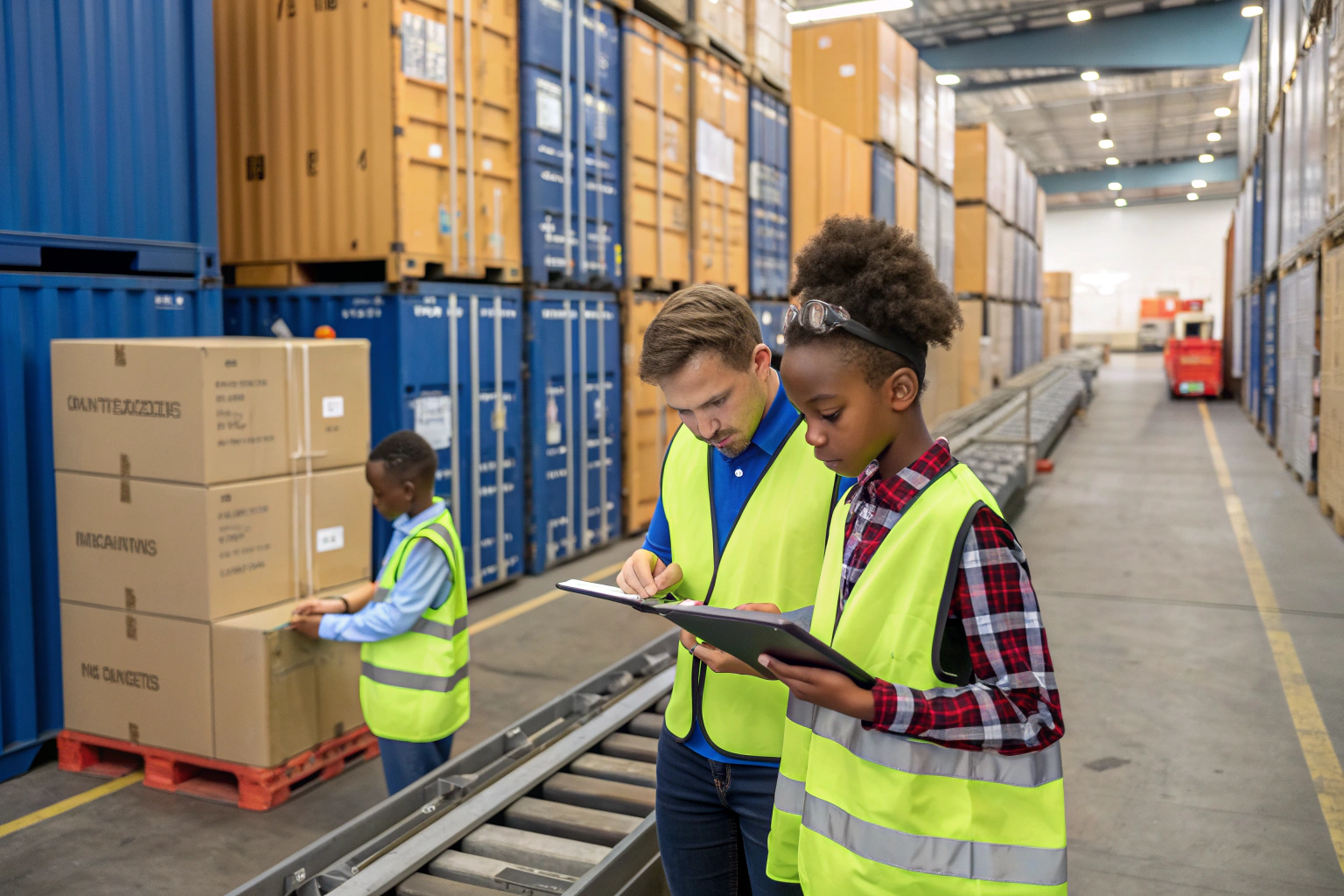
Selecting the right logistics partner for importing children’s clothing is a strategic decision that impacts everything from cost control and delivery reliability to customs compliance and customer satisfaction. The complexity of children’s product regulations, seasonal inventory requirements, and the need for careful handling of delicate garments makes this choice particularly critical for kids wear importers.
To choose the right logistics partner for kids clothing import, you must evaluate their experience with textile and children’s product regulations, assess their customs brokerage expertise, verify their supply chain visibility capabilities, analyze their cost structure and value-added services, and confirm their references with similar importers. A specialized logistics partner understands the unique requirements of children’s clothing imports.
The ideal logistics partner functions as an extension of your business, navigating the complex web of international shipping regulations while ensuring your products move efficiently from factory to fulfillment center. For children’s clothing specifically, this requires additional expertise in safety standard compliance, careful handling of delicate items, and understanding of seasonal timing pressures. Let’s explore the key considerations in selecting a logistics partner that can optimize your children’s wear import operations.
Why is textile and children’s product expertise crucial?
Children’s clothing imports face additional regulatory scrutiny and handling requirements that general freight forwarders may not fully appreciate. Specialized knowledge in textile classification and children’s product safety can prevent costly delays and compliance issues.
Textile and children’s product expertise is crucial because it ensures proper classification for customs, facilitates compliance with safety regulations like CPSIA, enables accurate country of origin labeling, and helps navigate quota restrictions and duty optimization strategies. This specialized knowledge prevents regulatory missteps that could result in rejected shipments or penalties.

What specific children’s product knowledge should your partner have?
An ideal logistics partner should demonstrate familiarity with children’s product safety standards including CPSIA requirements for the US market and similar regulations for other destinations. They should understand testing and certification requirements, tracking label specifications, and the documentation needed to demonstrate compliance. For European imports, knowledge of REACH chemical restrictions and EN 14682 safety standards for cords and drawstrings is essential. This expertise should extend beyond theoretical knowledge to practical experience managing the customs clearance process for children’s products specifically.
How does textile classification expertise impact costs?
Experienced logistics partners can help optimize duty rates through proper classification under the Harmonized System (HS) codes. Children’s clothing falls into various categories with duty rates ranging from 0% to 32% depending on specific materials, construction, and intended use. A partner with textile expertise can ensure proper classification that minimizes duties while maintaining compliance. Additionally, they can advise on trade programs like the Generalized System of Preferences (GSP) that might offer duty savings for certain originating countries.
What customs brokerage capabilities are essential?
Efficient customs clearance is often the most complex aspect of importing children’s clothing, requiring specialized knowledge of textile declarations, safety standard verification, and import documentation.
Essential customs brokerage capabilities include expertise in textile declaration requirements, experience with partner government agency requirements for children’s products, efficient communication with customs authorities, and robust recordkeeping for compliance verification. These capabilities ensure smooth border clearance while maintaining regulatory compliance.

How should a partner handle complex textile documentation?
Children’s clothing imports require specific textile documentation including country of origin verification, fiber content documentation, and for US imports, Electronic Textile Declarations. A qualified logistics partner should have systems to efficiently manage this documentation and experience resolving common issues like origin disputes or quota requirements. They should also understand the specific recordkeeping requirements for children’s products, including maintaining test reports and certificates of compliance for potential CPSC review.
What experience should they have with safety standard verification?
With increasing regulatory focus on children’s product safety, your logistics partner should understand the documentation requirements for demonstrating compliance with applicable standards. This includes knowing when certificates of compliance must accompany shipments, how to properly complete Children’s Product Certificates for the US market, and what documentation European authorities require under the GPSD. The most experienced partners can identify potential compliance issues before shipments depart origin, preventing costly rejections at destination.
How does technology and visibility impact logistics success?
Modern logistics relies on technology systems that provide real-time visibility, document management, and analytics. For children’s clothing imports where timing is often seasonal and inventory planning is critical, these technological capabilities are particularly important.
Technology and visibility impact logistics success by enabling real-time shipment tracking, facilitating document management and sharing, providing analytics for process improvement, and allowing proactive exception management. These capabilities transform logistics from a black box to a transparent, manageable process.

What visibility features are most valuable for kids clothing import?
The most valuable visibility capabilities include real-time container tracking, customs status updates, exception alerts for delays or issues, and estimated time of arrival projections. For children’s clothing specifically, where seasonal timing is critical, these features allow for better inventory planning and retail allocation. The ability to share this visibility with internal teams and retail partners builds confidence and enables better decision-making. Look for partners who provide a centralized platform rather than requiring you to track shipments through multiple systems.
How can technology improve document management?
Efficient document management systems allow for secure storage and easy retrieval of bills of lading, commercial invoices, packing lists, certificates of origin, and compliance documentation. The best systems provide templates for standard documents, version control for updates, and integration with customs filing systems. For children’s clothing importers who must maintain compliance documentation for years, this digital recordkeeping is far superior to paper-based systems. Additionally, these systems should facilitate collaboration with your suppliers to ensure documentation accuracy from origin.
What cost structure and value-added services matter?
Understanding the total cost of logistics services—not just the obvious freight charges—is essential for accurate import costing. Additionally, value-added services can streamline your operations and provide important benefits.
Important cost structure considerations include transparency in pricing, flexibility during market fluctuations, absence of hidden charges, and value-added services like quality inspection, labeling, or consolidation that streamline your supply chain. The right partner provides cost certainty while delivering services that reduce your operational burden.

How should you evaluate logistics pricing transparency?
Look for partners who provide comprehensive cost breakdowns that clearly separate ocean/air freight charges, fuel surcharges, terminal handling charges, customs brokerage fees, and any ancillary charges. Beware of forwarders who provide all-in rates that obscure the true cost components, as these often hide profit margins and make cost benchmarking difficult. The most transparent partners provide detailed quotations that allow you to understand exactly what you’re paying for and identify potential areas for cost optimization.
What value-added services are particularly useful for kids clothing?
For children’s clothing importers, valuable additional services include quality inspection at origin, repackaging for e-commerce fulfillment, price ticket application, hangtag attachment, and carton consolidation for mixed container loads. These services allow you to streamline your supply chain by having these activities performed within the logistics flow rather than at your warehouse. Additionally, services like bonded warehousing can provide flexibility in managing import timing and duty payments, which is particularly valuable for seasonal children’s wear.
How should you verify partner reliability and references?
A logistics partner’s historical performance and client satisfaction provide the best indication of future reliability. Thorough due diligence in this area prevents partnership problems down the line.
Verify partner reliability and references by checking their financial stability, reviewing their performance metrics, speaking with current clients in similar businesses, evaluating their contingency planning, and assessing their communication responsiveness. This due diligence ensures you select a partner capable of meeting your ongoing needs.

What questions should you ask reference clients?
When speaking with reference clients, ask specific questions about on-time performance, communication during disruptions, billing accuracy, problem-resolution effectiveness, and scalability as their business grew. For children’s clothing specifically, ask about their experience with seasonal peaks, handling of delicate items like dresses or special finishes, and any compliance issues they encountered. References from companies with similar import profiles (volume, origin countries, product characteristics) provide the most relevant insights.
How can you assess operational capabilities?
Beyond references, assess operational capabilities through facility visits, review of their technology systems, evaluation of their staff expertise and training programs, and understanding of their contingency plans for disruptions. For children’s clothing importers, pay particular attention to their warehouse conditions (cleanliness, organization, security) since children’s products often have higher value and require careful handling. Additionally, evaluate their staffing stability, as high turnover can disrupt the consistent handling your shipments require.
Conclusion
Choosing the right logistics partner for kids clothing import requires careful evaluation of specialized expertise, technological capabilities, cost structures, and proven reliability. The ideal partner brings specific knowledge of children’s product regulations and textile imports while providing the visibility and services needed to manage a complex international supply chain.
The most successful partnerships approach logistics as a strategic function rather than just a tactical necessity, with the logistics partner serving as an advisor who helps optimize your import operations. By conducting thorough due diligence and selecting a partner with relevant experience and compatible capabilities, you can build a logistics foundation that supports your business growth while ensuring compliance and reliability.
Ready to optimize your kids clothing import logistics? Our expertise includes connecting brands with specialized logistics partners who understand the unique requirements of children’s wear imports. Contact our Business Director, Elaine, at elaine@fumaoclothing.com to discuss how we can help you establish efficient, compliant import operations for your children’s clothing line.