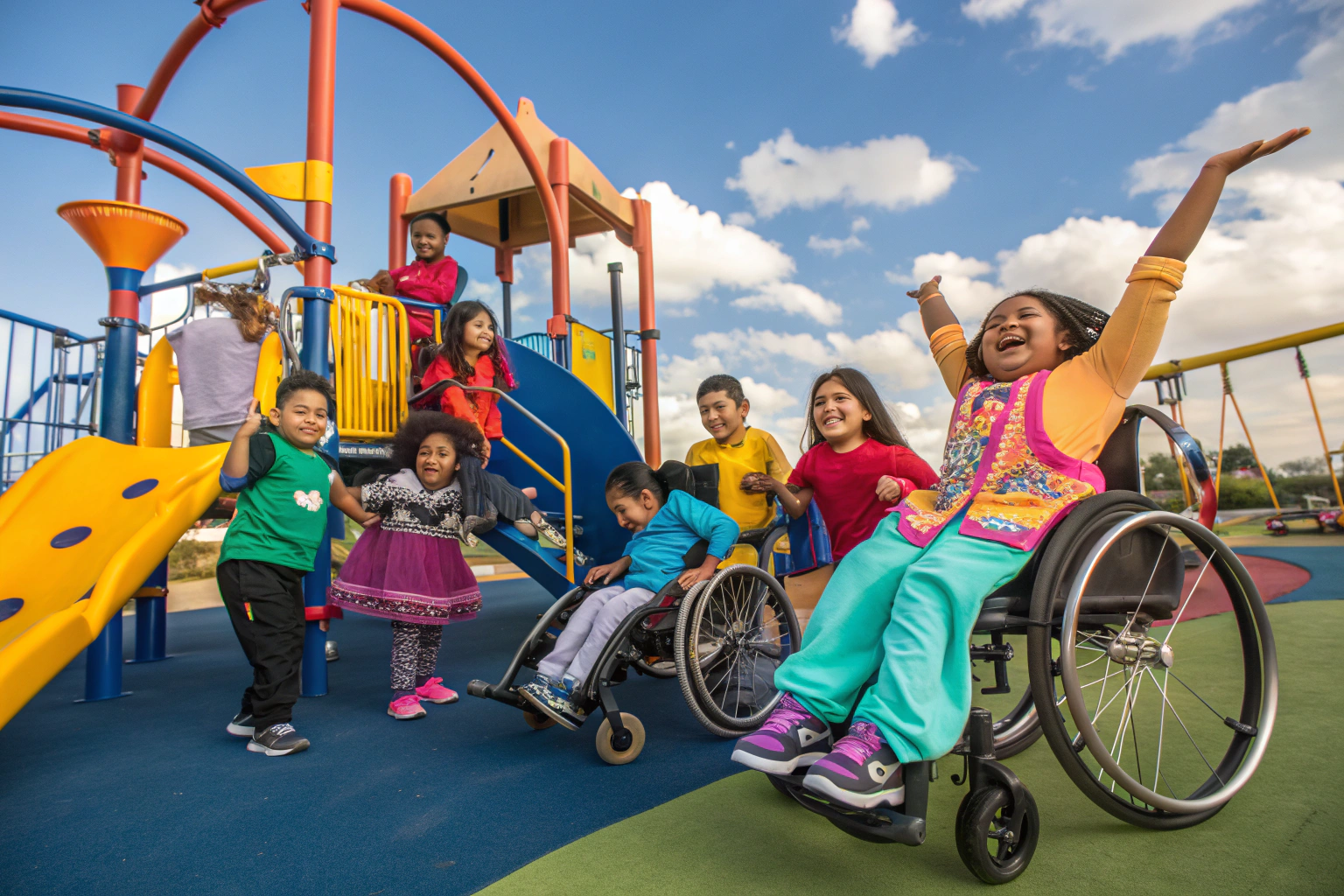
Building a children's clothing brand that genuinely values diversity requires more than just inclusive marketing—it demands a fundamental commitment to representation across all aspects of your business. As a manufacturer working with brands that successfully embrace diversity, I've observed how authentic inclusion creates stronger customer connections and drives meaningful business results in today's increasingly conscious marketplace.
To build a kids clothing brand that values diversity, you must integrate inclusive principles throughout your design process, marketing strategy, business operations, and company culture. This means creating clothing for children of all abilities, sizes, skin tones, and backgrounds while ensuring diverse representation in your team, imagery, and community engagement.
True diversity in children's wear extends beyond token gestures to create genuinely inclusive experiences that make every child feel seen, valued, and celebrated. Let's explore how to build these principles into your brand's foundation.
How to design clothing that embraces physical diversity?
Creating clothing that embraces physical diversity requires rethinking traditional design approaches to accommodate the full range of children's bodies, abilities, and needs. Inclusive design considers factors like varying body proportions, mobility challenges, sensory sensitivities, and physical differences that mainstream clothing often overlooks.
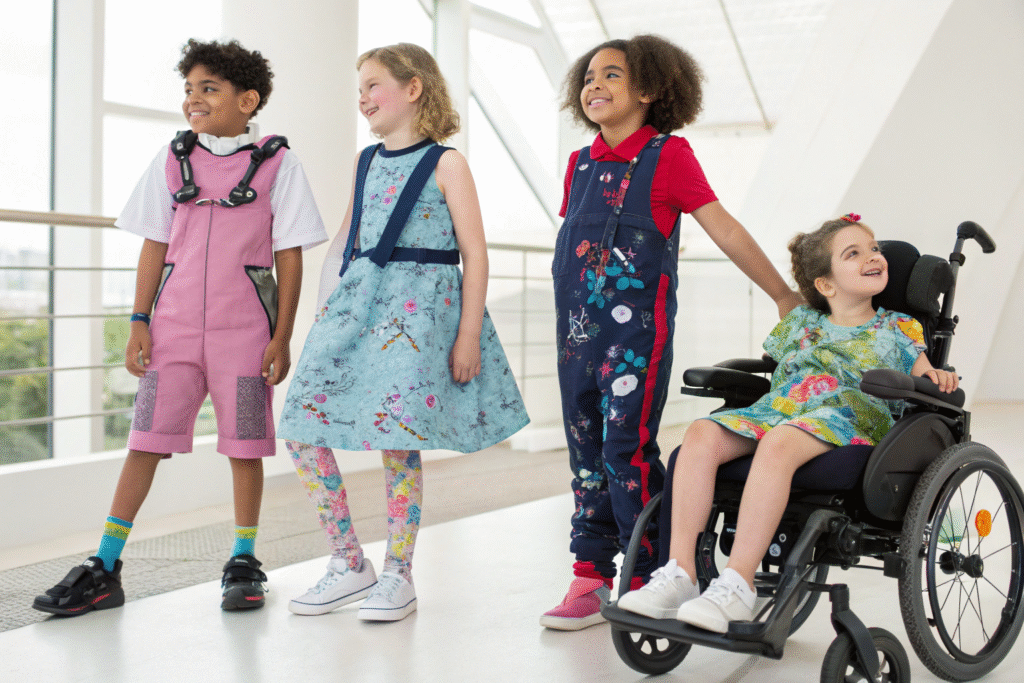
Key design considerations include adaptive features for different abilities, expanded size ranges, sensory-friendly materials, and versatile styling options. The most successful inclusive collections address both visible and invisible differences, creating clothing that works for children with mobility devices, feeding tubes, limb differences, and sensory processing differences.
What adaptive features make clothing more inclusive?
Adaptive features that make clothing more inclusive include magnetic closures instead of buttons for children with limited dexterity, side-openings for easier dressing, adjustable hems and waists for growth accommodation, and tagless designs for sensory sensitivity. According to adaptive clothing research, features like open-back designs, abdominal access panels, and seamless construction can dramatically improve independence and comfort for children with disabilities. These modifications benefit all children while being essential for some, embodying the universal design principle of "one size fits one" rather than "one size fits all."
How can size ranges better represent real children?
Size ranges can better represent real children by extending beyond standard charts to include widths as well as lengths, offering more graduated sizing between traditional sizes, and providing detailed measurement guides rather than just age ranges. The ASTM International size standards provide a starting point, but truly inclusive brands develop their sizing based on anthropometric data of actual children across different body types. This might include offering "tall and slim" or "short and solid" options within the same age range, or creating extended sizing that accommodates children who fall outside conventional charts. Providing comprehensive size information and fit guidance helps parents select the best options for their child's unique body shape.
How to build authentic representation into marketing?
Authentic representation in marketing requires moving beyond tokenism to create imagery, messaging, and campaigns that genuinely reflect the diversity of childhood experiences. This means featuring children of different ethnicities, abilities, body types, and family structures in natural, non-stereotypical ways.
Key elements of authentic representation include diverse casting in all marketing materials, inclusive language that avoids assumptions about family structures or abilities, and storytelling that celebrates differences without othering. The most effective approaches integrate diversity seamlessly rather than treating it as a separate "inclusive" campaign.

Why does diverse casting matter beyond checking boxes?
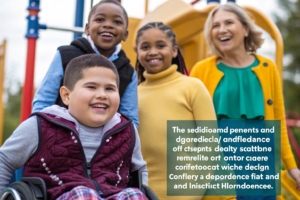
Diverse casting matters because it shapes children's self-perception and worldview from their earliest experiences. When children see themselves reflected in brand imagery, it validates their existence and tells them they belong. According to child development research, representation in media significantly impacts identity formation and self-esteem. Beyond racial diversity, this includes representing children with visible disabilities, different body types, and non-traditional family structures. The most authentic casting features these children in active, joyful contexts rather than as passive subjects of inspiration, normalizing differences while celebrating shared childhood experiences.
How can storytelling celebrate differences naturally?
Storytelling can celebrate differences naturally by focusing on universal childhood experiences while acknowledging how different children might experience them uniquely. Instead of creating "special" content about disability or difference, integrate diverse characters into your brand's core storytelling. Feature children using wheelchairs going on adventures, children with limb differences playing sports, and children of various sizes enjoying fashion—all as part of your main narrative rather than separate "inclusion" content. This approach, supported by inclusive marketing guidelines, normalizes diversity while allowing all children to see themselves as the heroes of their own stories.
How to implement inclusive business practices?
Building a truly diverse children's brand requires implementing inclusive practices throughout your business operations, not just in customer-facing elements. This means examining your supply chain, hiring practices, community engagement, and internal culture through a diversity lens.
Key business practices include diverse hiring and retention, inclusive workplace policies, supplier diversity, and community partnerships. These operational commitments ensure that diversity becomes embedded in your company's DNA rather than remaining a surface-level marketing initiative.
| Business Area | Inclusive Practices |
|---|---|
| Hiring & Team Building | Diverse recruitment, inclusive onboarding, equity in advancement |
| Supply Chain | Diverse suppliers, ethical manufacturing, accessibility audits |
| Community Engagement | Partnerships with diverse organizations, pro bono initiatives |
| Internal Culture | DEI training, employee resource groups, inclusive policies |
Why does team diversity impact product development?
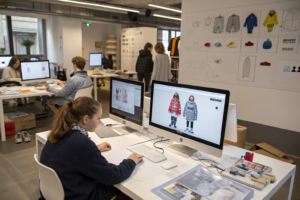
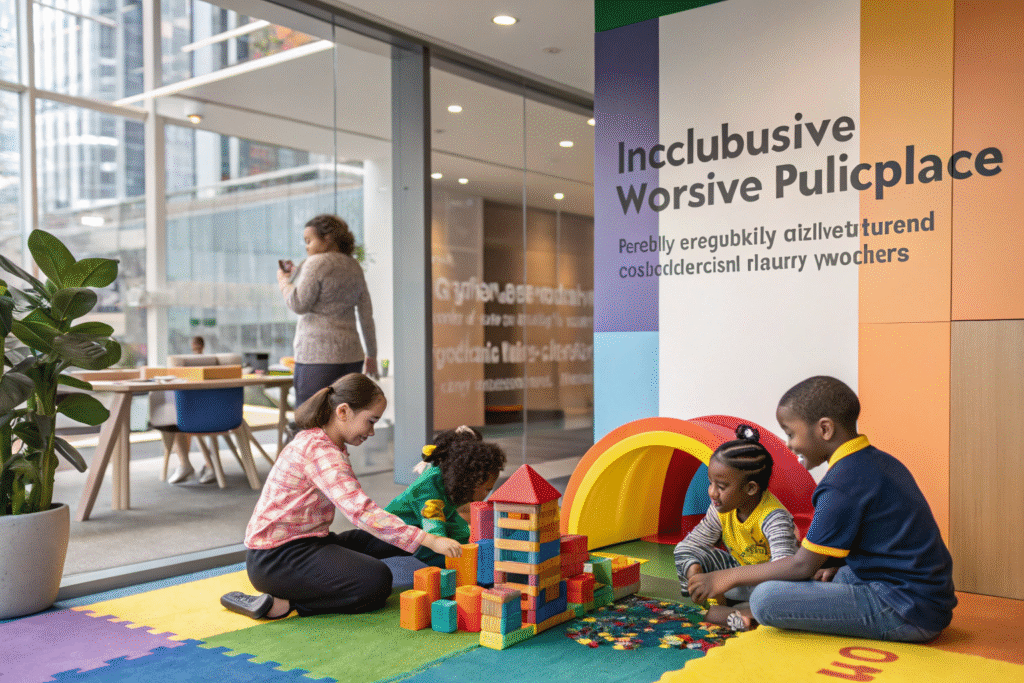
Team diversity directly impacts product development by bringing varied perspectives that identify overlooked needs and opportunities. When your design, marketing, and executive teams include people with disabilities, different body types, and diverse cultural backgrounds, they naturally spot gaps in the market and prevent unintentional exclusion. According to Harvard Business Review analysis, diverse teams are more innovative and better at understanding heterogeneous customer bases. For children's wear, this might mean team members who understand the practical challenges of dressing a child with autism or who recognize when sizing doesn't work for certain body types—insights that homogeneous teams often miss.
How can supplier diversity strengthen your brand?
Supplier diversity strengthens your brand by creating economic opportunities for underrepresented business owners while bringing different perspectives to your production process. This might include working with manufacturers owned by women, minorities, or people with disabilities, or sourcing materials from diverse communities. The National Minority Supplier Development Council provides resources for finding certified diverse suppliers. Beyond the social impact, supplier diversity often leads to innovation through new approaches and fresh perspectives on production challenges. It also demonstrates a commitment to inclusion that extends beyond your immediate operations to your entire value chain.
How to address cultural sensitivity in design and marketing?
Cultural sensitivity requires thoughtful approaches to design elements, patterns, and marketing messages that might carry cultural significance. In children's wear, this means avoiding cultural appropriation while celebrating global influences in respectful ways.
Key considerations include understanding the difference between appreciation and appropriation, consulting cultural experts when incorporating specific elements, and ensuring diverse perspectives review all designs and campaigns before launch. Cultural sensitivity also extends to avoiding stereotypes in marketing and product naming.
What constitutes cultural appropriation in children's wear?
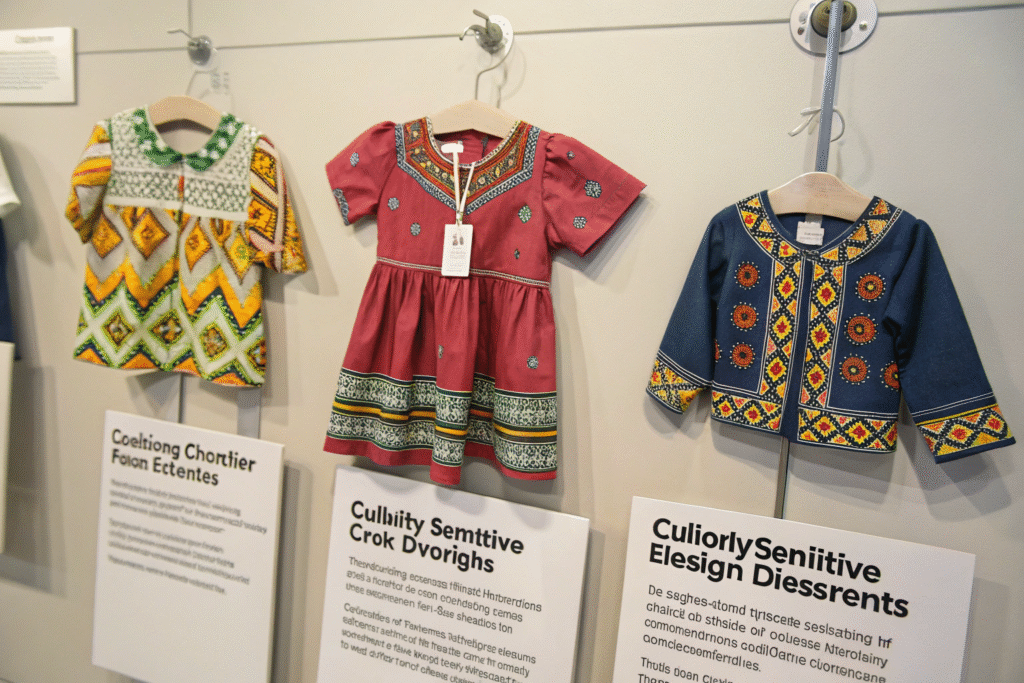
Cultural appropriation in children's wear occurs when designs take sacred symbols, traditional patterns, or culturally significant elements without understanding or respecting their original meaning and context. This might include using Native American headdresses as costume pieces, appropriating religious symbols as decoration, or using traditional patterns from marginalized cultures without acknowledgment or compensation. According to fashion ethics guidelines, the line between appreciation and appropriation depends on context, credit, and compensation. When in doubt, consult with cultural representatives or avoid using elements with deep cultural significance unless you have established respectful partnerships.
How can brands celebrate global influences respectfully?
Brands can celebrate global influences respectfully by researching the origins and meanings of patterns and techniques, giving proper credit to cultural sources, and when possible, collaborating with artisans from the cultures being referenced. Instead of copying traditional designs, consider creating modern interpretations developed in partnership with cultural representatives. Another approach is to focus on universal childhood experiences that transcend cultures while acknowledging different cultural expressions of these experiences. The most respectful brands approach global influences with curiosity and humility, recognizing that they're guests in cultural traditions rather than owners of them.
How to measure and evolve your diversity efforts?
Building a diverse brand requires ongoing measurement and evolution, not just initial implementation. This means establishing metrics to track your progress, creating feedback mechanisms for continuous improvement, and remaining open to course correction as you learn.
Key measurement approaches include diversity metrics across different business areas, regular inclusion surveys, customer feedback analysis, and third-party audits. The most effective diversity initiatives treat inclusion as a journey rather than a destination, with built-in processes for learning and adaptation.

What metrics effectively track diversity progress?
Effective metrics for tracking diversity progress include team demographic data across different levels, supplier diversity spending, representation in marketing materials, and accessibility of products and experiences. According to Diversity Best Practices guidelines, effective measurement goes beyond counting numbers to assessing inclusion through employee surveys, retention rates across demographic groups, and advancement equity. For customer-facing elements, track the diversity of models in your campaigns, the accessibility of your shopping experiences, and the inclusivity of your product range through customer feedback and sales data across different demographic segments.
How can customer feedback improve inclusion efforts?
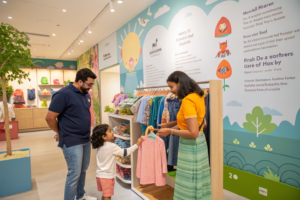
Customer feedback can dramatically improve inclusion efforts by providing real-world perspectives on what's working and what isn't. Create multiple channels for feedback—including anonymous options—specifically focused on diversity and inclusion. When customers share that certain sizing doesn't work for their child's body type, or that marketing imagery doesn't reflect their family, or that website navigation is challenging for their abilities, treat this as valuable data for improvement. The most responsive brands establish customer advisory boards that include diverse families who can provide ongoing input on product development, marketing, and customer experience from their unique perspectives.
Conclusion
Building a kids clothing brand that genuinely values diversity requires embedding inclusive principles throughout your organization—from design and production to marketing and operations. This commitment not only creates clothing that serves more children and families but also builds a brand that resonates with today's values-driven consumers.
The most successful diverse brands understand that inclusion is an ongoing practice rather than a one-time initiative, requiring continuous learning, adaptation, and expansion of what's possible in children's fashion. If you're developing a children's brand committed to diversity and need manufacturing partnership to bring inclusive designs to life, contact our Business Director Elaine at elaine@fumaoclothing.com. Let Shanghai Fumao's experience with adaptive clothing and diverse sizing help you create collections that celebrate every child.