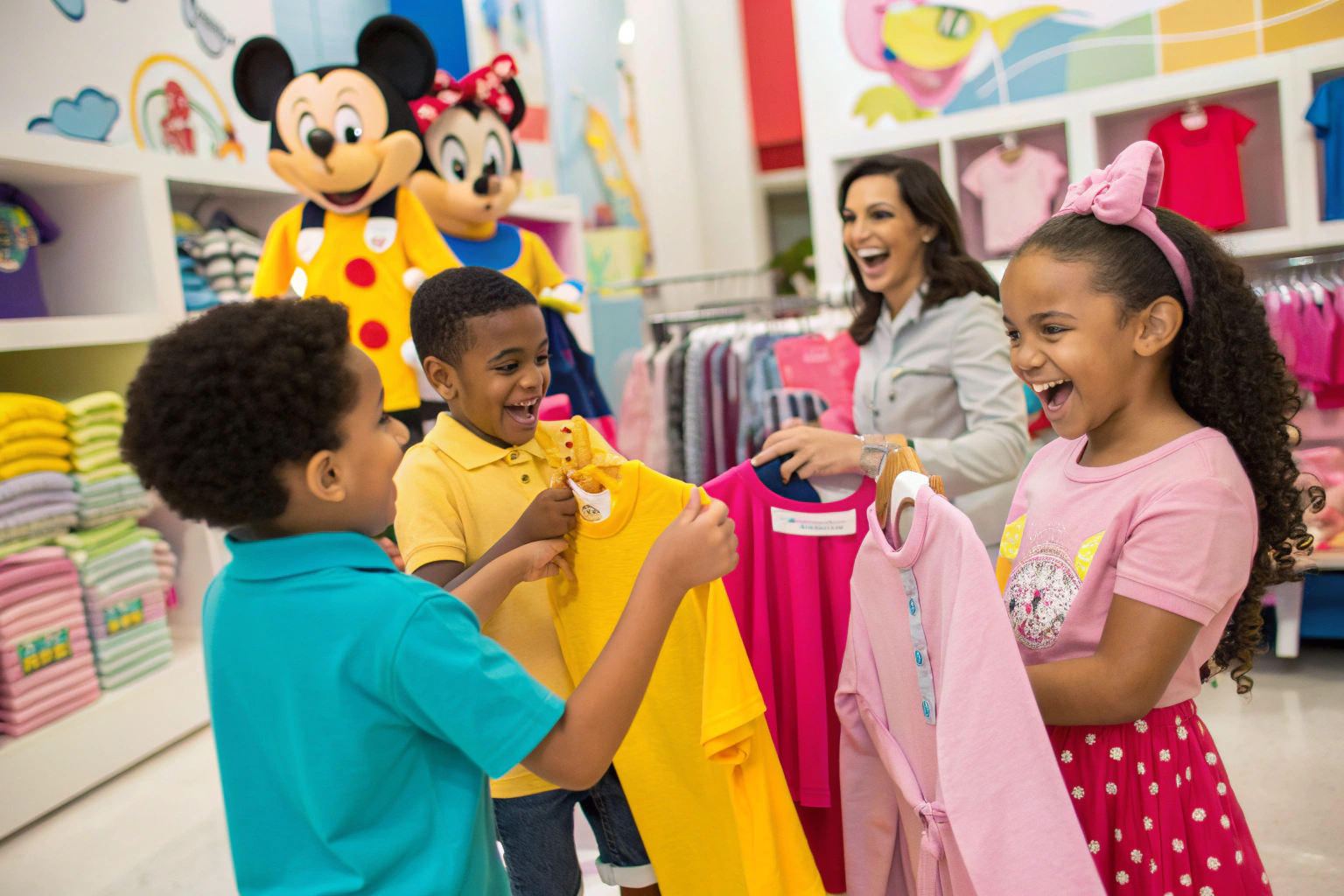
Creating a children's clothing brand that genuinely resonates with children requires understanding that you're serving two distinct audiences: the children who wear the clothes and the parents who purchase them. As manufacturers who have helped numerous brands succeed with this dual audience approach, we've identified the key strategies that build genuine affinity with young consumers while addressing practical parental concerns.
To build a kids clothing brand that kids love, you need to prioritize comfort and movement in designs, incorporate child-centric themes and characters, involve children in the creative process, create opportunities for self-expression, and build a brand world that sparks imagination. The most successful brands understand that children want clothing that makes them feel confident, expresses their personality, and supports their active lifestyles, while parents seek quality, durability, and value. Balancing these sometimes competing priorities creates brands that children request by name and parents feel good about purchasing.
How Can You Design Clothing That Children Genuinely Enjoy Wearing?
Children's clothing preferences differ significantly from adult fashion priorities, with comfort, movement, and personal expression often outweighing aesthetic considerations that matter more to parents.
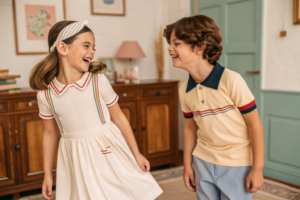
Children gravitate toward clothing that feels comfortable against their skin, allows unrestricted movement for play, and features designs that reflect their interests and developing personalities. Understanding these fundamental preferences requires observing how children interact with clothing in real-world situations rather than relying solely on adult perspectives of what children should wear. The most beloved brands create clothing that children reach for independently because it makes them feel good physically and emotionally.

Why Is Physical Comfort the Foundation of Child Appeal?
Comfort represents the non-negotiable foundation upon which all other brand attributes build. Clothing that chafes, restricts movement, or feels uncomfortable will be rejected regardless of how appealing the designs might be. According to sensory processing research, children have heightened sensitivity to tactile experiences, making fabric selection critically important. Successful brands prioritize soft, breathable fabrics with good stretch recovery, eliminate irritating tags and seams, and design silhouettes that accommodate a wide range of body types and movement patterns. When children describe clothing as "comfy," they're describing an absence of negative sensory experiences—the essential first step toward brand love.
How Do Interactive Design Elements Engage Children?
Interactive features transform clothing from passive garments into engaging experiences that capture children's imaginations. This might include reversible items offering two outfits in one, hidden pockets for treasures, mix-and-match components, or clothing that incorporates play elements like capes, animal features, or textural surprises. The American Journal of Play highlights how clothing that incorporates play elements can extend imaginative activities and become part of a child's identity expression. These interactive features give children reasons to engage with the clothing beyond basic covering, creating emotional connections that transcend seasonal fashion trends.
What Role Does Character and Story Integration Play?
Building a compelling brand world with characters, stories, and consistent visual language helps children form emotional attachments that transform clothing from commodity to cherished possession.
Children naturally engage with narratives and characters, making brand storytelling a powerful tool for building connection and loyalty. When clothing becomes part of a larger imaginative world, it gains significance beyond its functional purpose, becoming a vehicle for self-expression and identity formation. The most successful children's brands create cohesive universes that extend across products, packaging, digital content, and retail experiences.
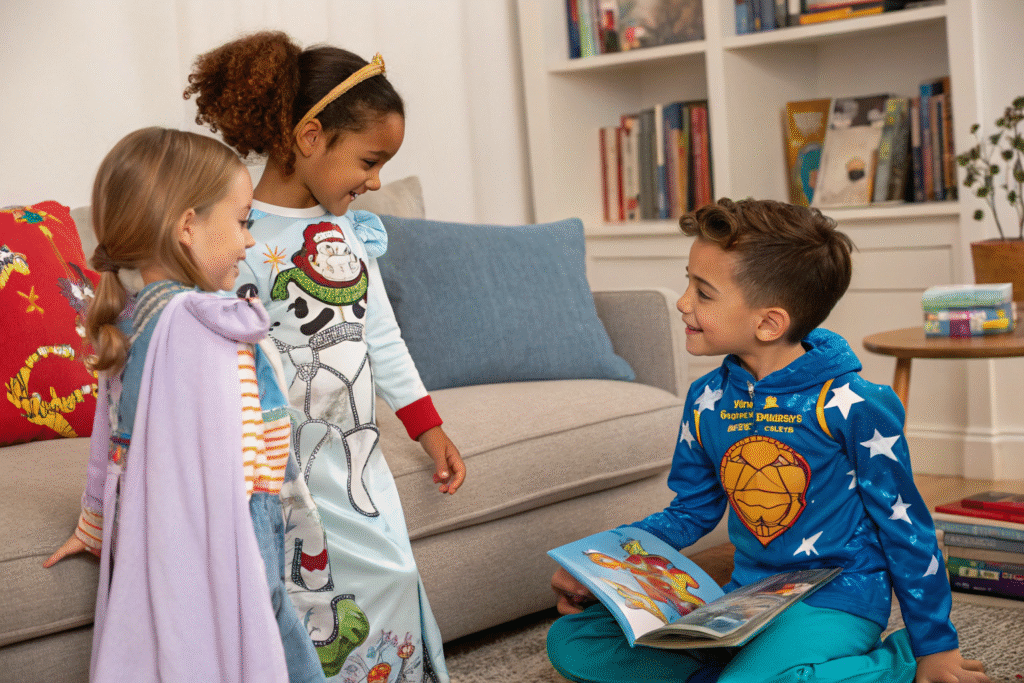
How Can Original Characters Build Brand Connection?
Original brand characters serve as relatable ambassadors that children can form parasocial relationships with, creating emotional bridges to the clothing itself. Unlike licensed characters that appear across multiple product categories, original characters exist exclusively within your brand ecosystem, strengthening brand specificity. Research from the Journal of Consumer Psychology indicates that children form strong attachments to brand characters when they're consistently presented across touchpoints and given distinct personalities that align with child development stages. These characters become friends that children want to "wear," driving request behavior and building long-term brand affinity.
Why Does Consistent World-Building Matter?
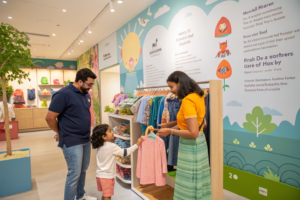
A cohesive brand world provides context that makes individual clothing items more meaningful and memorable. This might include naming collections after locations in your brand universe, creating origin stories for patterns, or developing seasonal narratives that connect new arrivals to ongoing adventures. According to developmental psychology research, children ages 3-8 are particularly engaged by imaginative worlds that offer consistency with room for personal interpretation. Successful brands like Primary and PatPat extend their visual language beyond clothing to packaging, digital content, and retail environments, creating immersive experiences that deepen engagement.
How Can You Involve Children in the Creative Process?
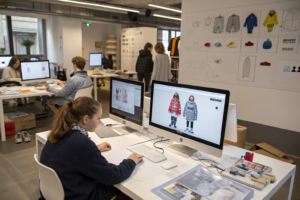
Genuinely child-centric brands incorporate children's perspectives throughout the design and development process rather than simply creating what adults think children will like.
Children offer unique insights that adults often overlook, from practical considerations like ease of dressing to aesthetic preferences that might surprise adult designers. Creating formal feedback mechanisms and observation opportunities ensures your designs remain relevant to your target audience's evolving preferences and needs. This collaborative approach not only produces better products but also builds brand advocates among participating children and their communities.
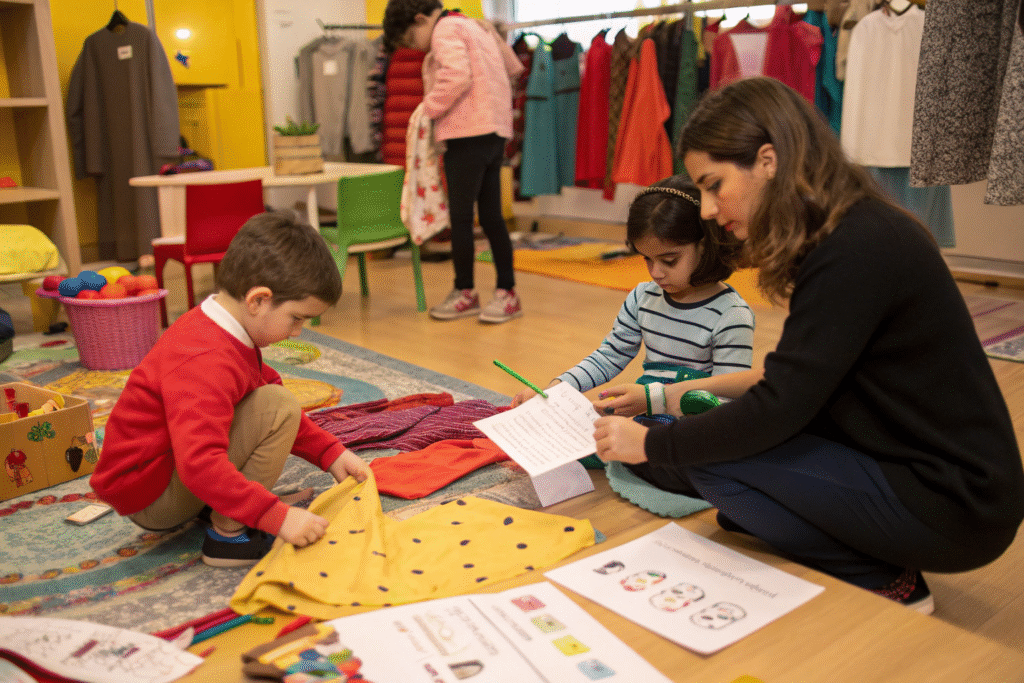
What Methods Effectively Capture Children's Perspectives?
Age-appropriate research methods yield valuable insights that inform design decisions while respecting children's developmental stages. Focus groups with skilled moderators who understand child development can uncover preferences that children might not articulate in individual interviews. Co-design workshops where children create their ideal clothing items using simple materials reveal unmet needs and creative possibilities. According to the Design Management Institute, companies that systematically incorporate user feedback into design processes achieve 50% higher customer satisfaction rates. For children's brands, this means creating structured but flexible opportunities for children to contribute ideas while recognizing that their preferences may differ significantly from adult assumptions.
How Does Inclusive Design Broaden Appeal?
Designing for the full spectrum of children's needs—including different abilities, body types, and sensory preferences—creates clothing that more children can enjoy wearing. Adaptive features like magnetic closures instead of buttons, sensory-friendly seamless construction, and inclusive sizing make clothing accessible to children who might otherwise struggle with dressing. The Fashion Institute of Technology's inclusive design program demonstrates that designing for accessibility often results in innovations that benefit all users. Brands that prioritize inclusivity not only serve underserved markets but also communicate values that resonate with modern parents and teach children important lessons about diversity and acceptance.
How Can You Create Opportunities for Self-Expression?
Children use clothing as one of their earliest tools for self-expression, making customization and personalization powerful strategies for building brand connection and love.
The ability to make clothing their own transforms passive consumption into active creation, deepening children's investment in both the specific items and the brand overall. Personalization opportunities allow children to assert their developing identities while giving parents positive experiences of their children expressing individuality through appropriate channels.
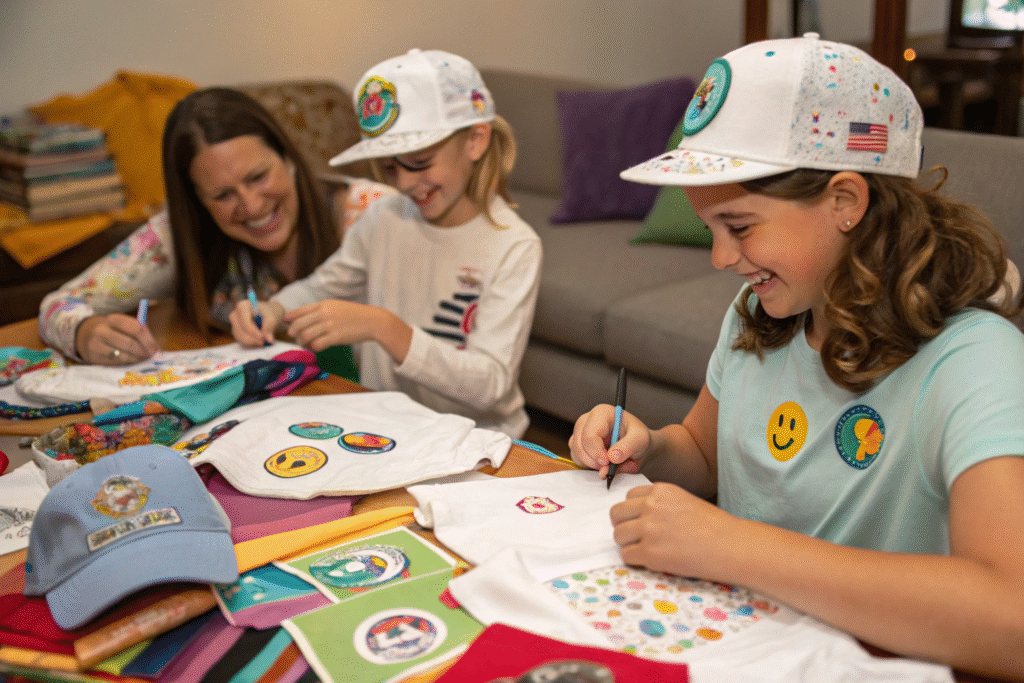
What Personalization Approaches Resonate with Children?
Effective personalization balances creative freedom with manageable options that don't overwhelm young decision-makers. This might include selecting from predetermined color combinations, adding name patches or initials, choosing from a library of compatible patches or pins, or participating in design contests where children's artwork becomes actual products. Research from the Journal of Marketing Research shows that products with personalization options generate 40% higher emotional attachment than standard offerings. For children, who are actively developing their identities, clothing that reflects their specific preferences becomes part of their self-concept rather than just another garment.
How Can Brands Facilitate Style Exploration?
Children use clothing to experiment with different aspects of their identity, making brands that support this exploration particularly appealing. Offering mix-and-match systems, versatile pieces that style multiple ways, and collections that accommodate evolving tastes allows children to reinvent their look without requiring entirely new wardrobes. The Child Development Institute emphasizes that experimentation through dress helps children understand social roles and develop personal style. Brands that explicitly encourage this exploration through styling suggestions, combination ideas, and non-prescriptive marketing help children feel supported in their identity development journey.
Conclusion
Building a kids clothing brand that children genuinely love requires a fundamental shift from designing for children to designing with children—prioritizing their comfort, incorporating their perspectives, sparking their imaginations, and supporting their self-expression. The most successful brands create emotional connections that transcend seasonal trends by understanding that children want to feel autonomous, comfortable, and seen in clothing that reflects their unique personalities and interests.
When children develop genuine affection for a brand, they become powerful advocates who influence purchasing decisions and build lasting loyalty that can extend through multiple childhood stages. If you're developing a children's clothing brand and need a manufacturing partner who understands how to translate child-centric insights into production reality, contact our Business Director, Elaine, at elaine@fumaoclothing.com. Let's discuss how we can help you create clothing that children not only wear but truly love—building a brand that grows with your young customers and earns both their affection and their parents' trust.