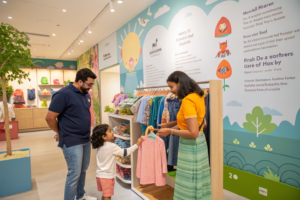

Expanding your kids wear brand into new cultural markets requires more than just shipping products to different countries. As a manufacturer working with global brands, we've seen how cultural adaptation separates successful international expansions from failed attempts.
Adapting your kids wear line for different cultures requires understanding local modesty standards, climate considerations, sizing differences, color symbolism, and holiday traditions. Successful cultural adaptation means respecting local values while maintaining your brand identity. This approach builds trust with new markets and prevents costly mistakes that can damage your brand reputation.
What Cultural Factors Most Impact Children's Clothing Design?
Cultural differences significantly influence what parents choose for their children's clothing. Understanding these factors helps create designs that resonate with local markets while avoiding cultural missteps.
The most important cultural considerations include modesty standards, traditional clothing elements, local climate conditions, and symbolic meanings of colors and patterns. For example, some cultures prefer complete coverage for young girls, while others embrace more revealing styles. Traditional motifs and patterns can be incorporated in respectful ways, and color choices must consider local symbolism to avoid unintended negative associations.
How Do Modesty Standards Vary Across Cultures?
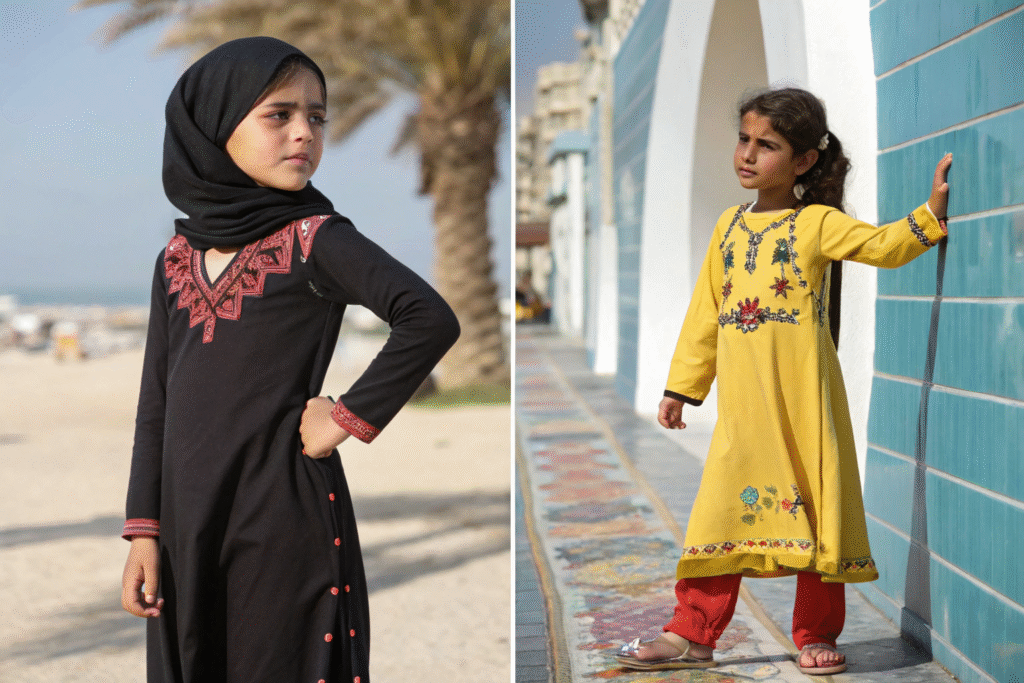
Modesty standards represent one of the most significant cultural differences in children's apparel. In Middle Eastern markets, long sleeves and full-length garments are preferred even in warm weather, while Scandinavian cultures often embrace more practical, weather-appropriate clothing regardless of coverage. Understanding these cultural norms helps designers create appropriate collections for each market. The key is researching local standards without making assumptions based on Western perspectives.
Why Do Color Symbolisms Matter in Global Markets?
Colors carry deep cultural meanings that can make or break a product's success in international markets. While white symbolizes purity in Western cultures, it represents mourning in many Asian countries. Red signifies luck and celebration in China but can indicate danger or warning in other regions. Researching color symbolism prevents unintended messages and helps brands select palettes that resonate positively with each target market.
How Should Sizing and Fit Adjust for Different Markets?
Children's body types vary significantly across different regions and ethnicities, making standardized sizing ineffective for global expansion. Adapting your sizing approach is crucial for international success.
Body proportions differ based on genetics, diet, and lifestyle factors. European children often have different shoulder and torso proportions than Asian children, while American sizing typically runs larger than other markets. Successful global brands develop region-specific size charts and consider local preferences for fit—some markets prefer looser fits for growing room, while others value more tailored silhouettes.

What Are the Key Regional Sizing Differences?
Significant sizing variations exist across global markets that require careful attention. Asian markets typically require smaller sizes with different proportions, while European sizing often runs slimmer than American equivalents. Implementing international size conversion charts specific to children's wear helps prevent returns and customer dissatisfaction. The most successful brands create market-specific size charts based on local body measurement data rather than simple conversions.
How Can You Accommodate Different Fit Preferences?
Beyond physical measurements, cultural preferences for how clothing fits vary dramatically. Some markets prefer roomy cuts that allow for layering and growth, while others value slim, fashion-forward silhouettes. Understanding these fit preferences requires market research and local feedback. Successful adaptations might involve creating separate patterns for different markets or offering the same styles in multiple fit options to cater to varying preferences.
What Role Do Local Traditions and Holidays Play?
Incorporating cultural traditions and holiday celebrations into your collection planning can significantly increase relevance and sales in target markets. Timing releases with local festivities demonstrates cultural awareness and respect.
Different cultures celebrate various holidays and traditions that influence clothing purchases. The Chinese New Year, Diwali in India, Eid in Muslim countries, and regional independence days all represent opportunities for special collections. However, cultural appropriation concerns require careful handling—collaborating with local designers and cultural consultants ensures respectful representation.
Which Cultural Celebrations Offer Business Opportunities?
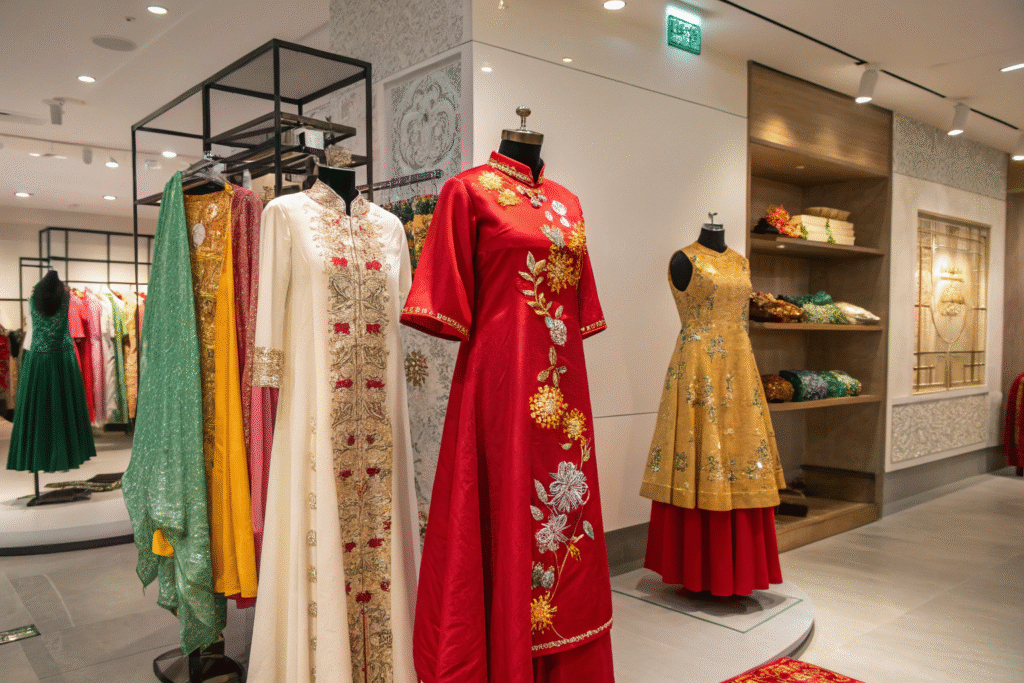
Major cultural and religious celebrations drive significant apparel purchases worldwide. Lunar New Year in Asian markets inspires red and gold collections, while Christmas varies significantly across Christian-majority countries. Understanding the cultural calendar of your target markets helps plan seasonal collections that align with local shopping patterns and gift-giving traditions.
How Can You Avoid Cultural Appropriation in Designs?
The line between cultural appreciation and appropriation requires careful navigation. Using traditional patterns, symbols, or design elements without understanding their cultural significance can cause offense and brand damage. The safest approach involves cultural collaboration with local artists and designers who can ensure respectful representation. Transparent partnerships that credit and compensate cultural sources turn potential appropriation into authentic appreciation.
How Does Marketing Need to Adapt for Cultural Sensitivity?
Marketing and communication strategies require as much cultural adaptation as product design itself. Imagery, messaging, and channel selection must align with local values and consumption habits.
Cultural differences extend to parenting styles, family structures, and gender norms that influence marketing approaches. Some cultures respond better to family-focused imagery, while others prefer seeing children as independent individuals. Payment methods, promotional timing, and even model selection require cultural consideration to ensure marketing effectiveness and avoid unintended offense.

What Imagery Considerations Matter Across Cultures?
Visual marketing elements require careful cultural adaptation. Family composition, appropriate physical contact between family members, and gender representation vary significantly across cultures. Researching cultural sensitivity in visual communication prevents marketing missteps. Working with local photographers and stylists often provides the cultural context needed to create authentic, appropriate imagery for each market.
How Should Communication Styles Adapt Regionally?
Directness, formality, and emotional expression in marketing communications vary globally. Some cultures prefer straightforward product claims, while others respond better to storytelling and emotional appeals. Understanding these communication style differences ensures your brand voice resonates appropriately in each market. Local marketing teams or consultants can provide invaluable guidance for adapting messaging tone and content.
Conclusion
Successfully adapting your kids wear line for different cultures requires thorough research, respectful implementation, and ongoing learning. From product design and sizing to marketing and communication, every aspect of your business must consider cultural context to build trust and achieve international success.
Cultural adaptation is an ongoing process that requires humility, curiosity, and genuine respect for the markets you serve. If you're planning to expand your kids wear line internationally and need a manufacturing partner with global experience, contact our Business Director, Elaine, at elaine@fumaoclothing.com. Let's discuss how we can help you navigate cultural differences while maintaining your brand identity.