How Do Buyers Choose an AQL Level for Kidswear Orders?
How Do Buyers Choose an AQL Level for Kidswear Orders is not only a search question. It is a business risk question. Many buyers can find a supplier, but they still struggle with using a default inspection plan without considering product risk, order size, supplier history, customer expectations, defect cost, and critical safety issues. I write this as the owner of a Chinese children’s wear manufacturing and export business, and I want the answer to be useful for a U.S. buyer who cares about both quality and competitive price.
The short answer is this: a buyer should choose a factory that can show real development ability, clear cost logic, strict kidswear quality control, certificate traceability, and a delivery plan that protects the selling season. At Fumao Clothing, our five production lines are built for wholesale, customization, custom logo, full-package manufacturing, and export delivery to North America and Europe.
I will explain choosing an AQL level for kidswear orders in a practical way. I will focus on product development, sample approval, fabric and trims, compliance, production control, DDP logistics, and communication. These are the same points I discuss with brand buyers, distributors, CEOs, and apparel company owners before they trust a factory with a children’s apparel order.
Which Inspection Level Fits the Order?
Which Inspection Level Fits the Order? A buyer should start with facts, not with the cheapest unit price. The supplier must explain general levels, special levels, lot size, sample size, inspection cost, supplier history, and product complexity. If the supplier cannot explain the process, the buyer may face sample delays, wrong fabric, loose measurements, weak packaging, or late export.
My own rule is simple. Every promise must connect to a factory action. If we promise a soft fabric, we need fabric sourcing and shrinkage control. If we promise rare styling, we need pattern notes and a sample room that can revise details. If we promise DDP delivery, we need carton data, export documents, and freight planning before the order is packed.
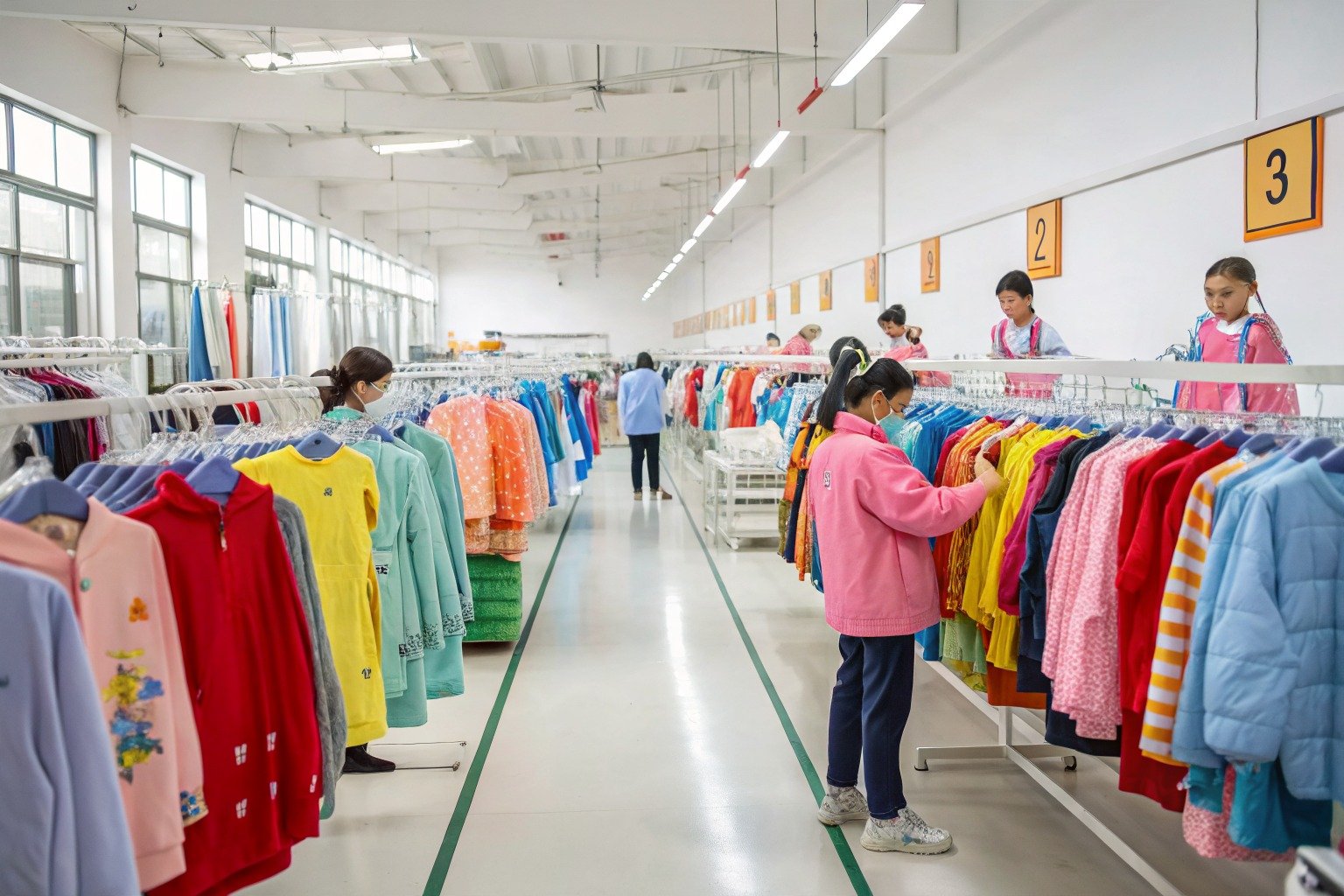
This is why I ask buyers to slow down at the right time. A fast quote is useful only when the production plan behind it is real. In children’s clothing, small mistakes become expensive because size, safety, comfort, and season timing all matter. A good supplier gives the buyer fewer surprises, not just more promises.
| Buyer Question | Factory Proof | Why It Matters |
|---|---|---|
| Can the factory make this category? | Samples and production history for choosing an AQL level for kidswear orders | It lowers development risk. |
| Can the factory control quality? | Fabric checks, size tolerance, inline QC, final inspection | It protects brand reputation. |
| Can the factory support compliance? | Testing plan, labels, certificate records | It reduces import and retail risk. |
| Can the factory deliver on time? | Production calendar, capacity, packing plan, freight route | It protects the selling season. |
How Can Buyers Check This Before Deposit?
When I think about choosing an AQL level for kidswear orders, I do not treat ‘How Can Buyers Check This Before Deposit?’ as a small side question. This question affects product safety, order profit, and the buyer’s selling season. A U.S. owner can compare many suppliers online, but the better answer usually comes from written standards, production proof, and a factory team that understands children’s product safety rules.
In our Zhejiang production work, I prefer to make this point visible before bulk cutting starts. We confirm the fabric, handfeel, size chart, sewing method, logo position, packing plan, and inspection method in plain language. Then we compare the order with children’s clothing guidance, because a children’s garment must be good for the buyer, the parent, and the child.
What Should Be Written in the First Brief?
When I think about choosing an AQL level for kidswear orders, I do not treat ‘What Should Be Written in the First Brief?’ as a small side question. This question affects product safety, order profit, and the buyer’s selling season. A U.S. owner can compare many suppliers online, but the better answer usually comes from written standards, production proof, and a factory team that understands tracking label requirements.
In our Zhejiang production work, I prefer to make this point visible before bulk cutting starts. We confirm the fabric, handfeel, size chart, sewing method, logo position, packing plan, and inspection method in plain language. Then we compare the order with FTC textile labeling rules, because a children’s garment must be good for the buyer, the parent, and the child.
How Should Defect Limits Be Set?
How Should Defect Limits Be Set? A buyer should start with facts, not with the cheapest unit price. The supplier must explain critical, major, minor, customer impact, safety, function, appearance, returns, and brand tolerance. If the supplier cannot explain the process, the buyer may face sample delays, wrong fabric, loose measurements, weak packaging, or late export.
My own rule is simple. Every promise must connect to a factory action. If we promise a soft fabric, we need fabric sourcing and shrinkage control. If we promise rare styling, we need pattern notes and a sample room that can revise details. If we promise DDP delivery, we need carton data, export documents, and freight planning before the order is packed.
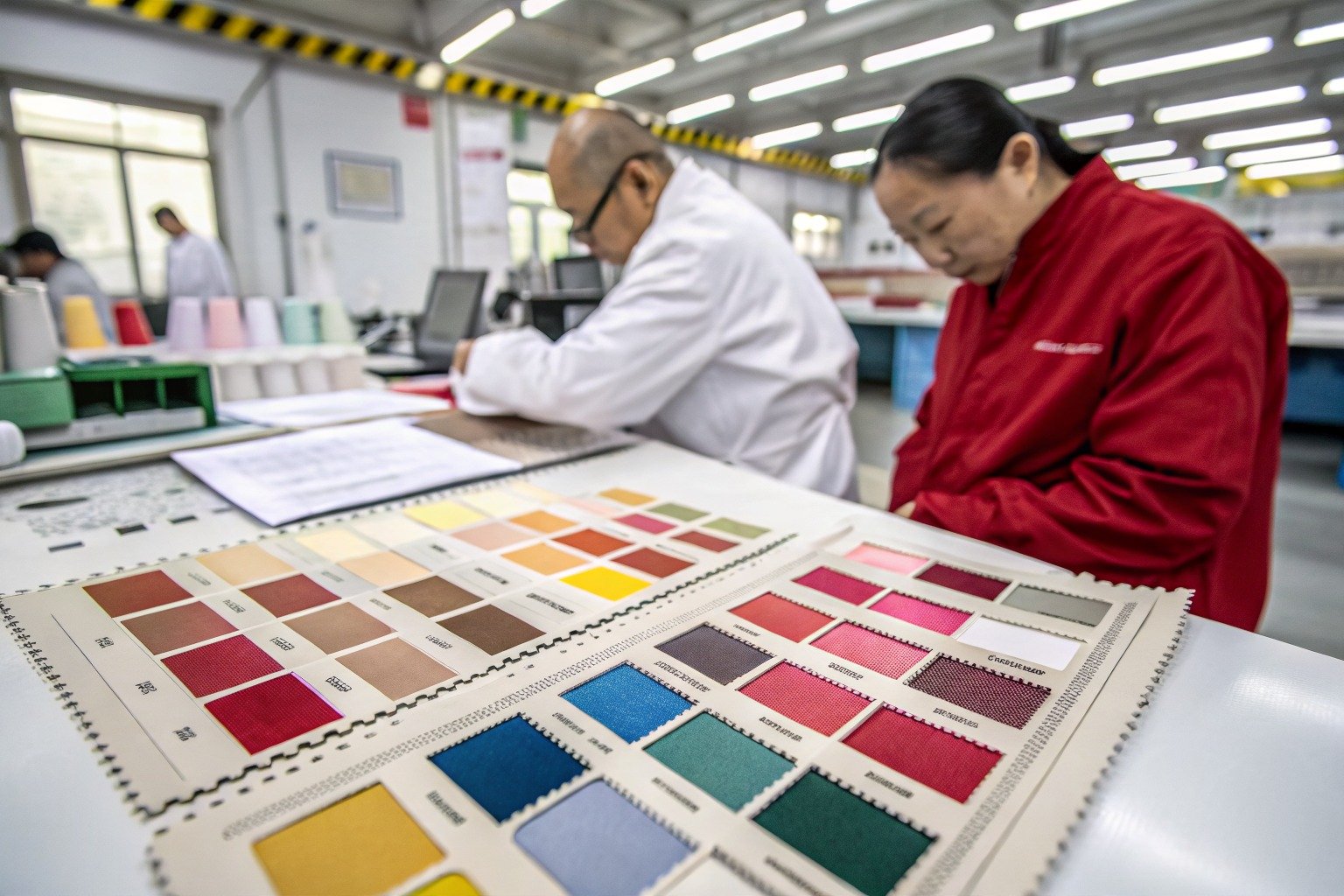
This is why I ask buyers to slow down at the right time. A fast quote is useful only when the production plan behind it is real. In children’s clothing, small mistakes become expensive because size, safety, comfort, and season timing all matter. A good supplier gives the buyer fewer surprises, not just more promises.
| Buyer Question | Factory Proof | Why It Matters |
|---|---|---|
| Can the factory make this category? | Samples and production history for choosing an AQL level for kidswear orders | It lowers development risk. |
| Can the factory control quality? | Fabric checks, size tolerance, inline QC, final inspection | It protects brand reputation. |
| Can the factory support compliance? | Testing plan, labels, certificate records | It reduces import and retail risk. |
| Can the factory deliver on time? | Production calendar, capacity, packing plan, freight route | It protects the selling season. |
How Should Buyers Compare Supplier Answers?
When I think about choosing an AQL level for kidswear orders, I do not treat ‘How Should Buyers Compare Supplier Answers?’ as a small side question. This question affects product safety, order profit, and the buyer’s selling season. A U.S. owner can compare many suppliers online, but the better answer usually comes from written standards, production proof, and a factory team that understands CBP importer tips.
In our Zhejiang production work, I prefer to make this point visible before bulk cutting starts. We confirm the fabric, handfeel, size chart, sewing method, logo position, packing plan, and inspection method in plain language. Then we compare the order with entry summary process, because a children’s garment must be good for the buyer, the parent, and the child.
Which Details Change the Final Cost?
When I think about choosing an AQL level for kidswear orders, I do not treat ‘Which Details Change the Final Cost?’ as a small side question. This question affects product safety, order profit, and the buyer’s selling season. A U.S. owner can compare many suppliers online, but the better answer usually comes from written standards, production proof, and a factory team that understands Section 301 tariff actions.
In our Zhejiang production work, I prefer to make this point visible before bulk cutting starts. We confirm the fabric, handfeel, size chart, sewing method, logo position, packing plan, and inspection method in plain language. Then we compare the order with OEKO-TEX Standard 100, because a children’s garment must be good for the buyer, the parent, and the child.
When Should Buyers Tighten AQL?
When Should Buyers Tighten AQL? A buyer should start with facts, not with the cheapest unit price. The supplier must explain new supplier, failed history, complex style, high return risk, premium product, safety concern, and urgent season. If the supplier cannot explain the process, the buyer may face sample delays, wrong fabric, loose measurements, weak packaging, or late export.
My own rule is simple. Every promise must connect to a factory action. If we promise a soft fabric, we need fabric sourcing and shrinkage control. If we promise rare styling, we need pattern notes and a sample room that can revise details. If we promise DDP delivery, we need carton data, export documents, and freight planning before the order is packed.
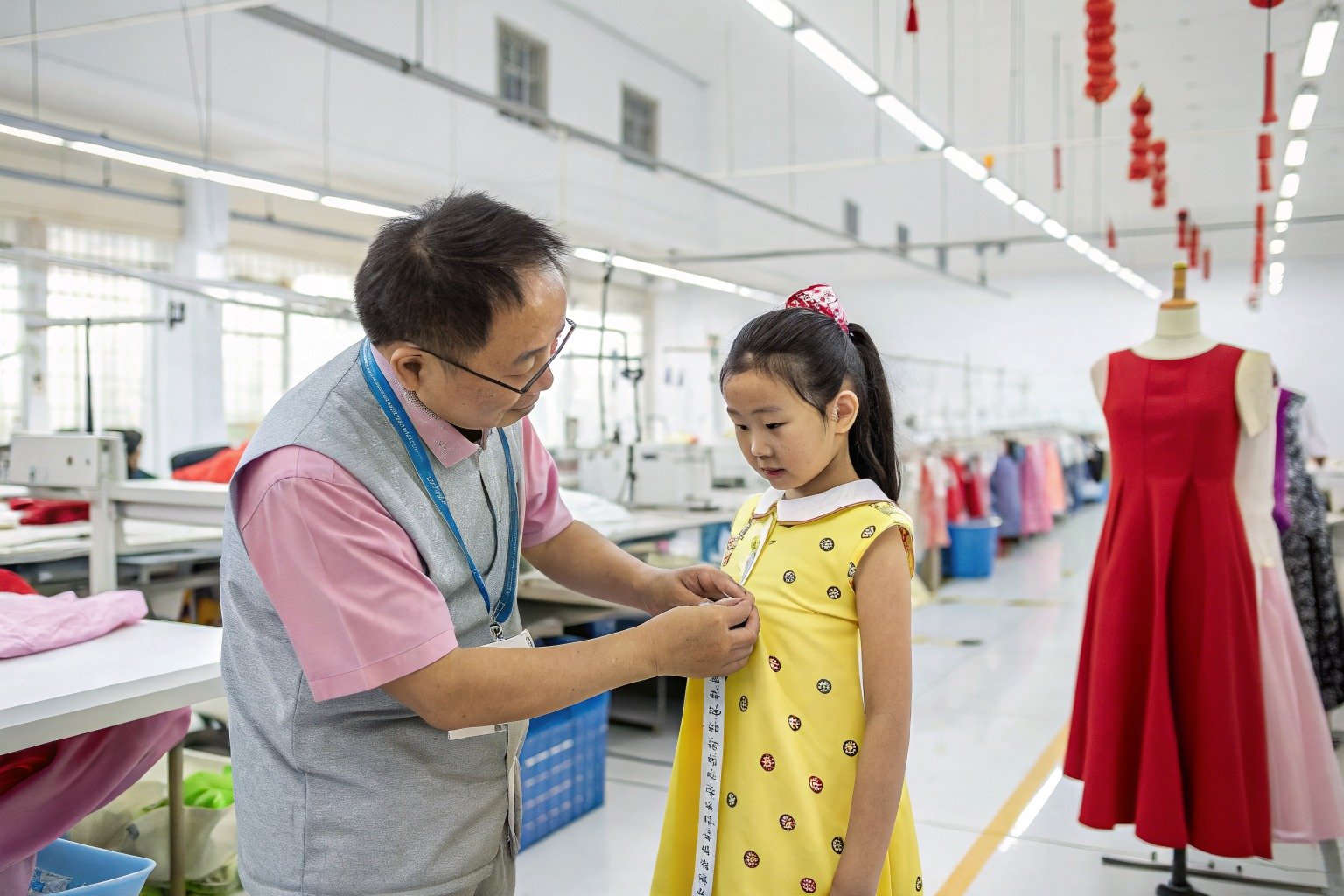
This is why I ask buyers to slow down at the right time. A fast quote is useful only when the production plan behind it is real. In children’s clothing, small mistakes become expensive because size, safety, comfort, and season timing all matter. A good supplier gives the buyer fewer surprises, not just more promises.
| Buyer Question | Factory Proof | Why It Matters |
|---|---|---|
| Can the factory make this category? | Samples and production history for choosing an AQL level for kidswear orders | It lowers development risk. |
| Can the factory control quality? | Fabric checks, size tolerance, inline QC, final inspection | It protects brand reputation. |
| Can the factory support compliance? | Testing plan, labels, certificate records | It reduces import and retail risk. |
| Can the factory deliver on time? | Production calendar, capacity, packing plan, freight route | It protects the selling season. |
How Can Samples Reveal Future Problems?
When I think about choosing an AQL level for kidswear orders, I do not treat ‘How Can Samples Reveal Future Problems?’ as a small side question. This question affects product safety, order profit, and the buyer’s selling season. A U.S. owner can compare many suppliers online, but the better answer usually comes from written standards, production proof, and a factory team that understands Intertek apparel testing.
In our Zhejiang production work, I prefer to make this point visible before bulk cutting starts. We confirm the fabric, handfeel, size chart, sewing method, logo position, packing plan, and inspection method in plain language. Then we compare the order with WRAP certification, because a children’s garment must be good for the buyer, the parent, and the child.
Which Documents Should Buyers Verify?
When I think about choosing an AQL level for kidswear orders, I do not treat ‘Which Documents Should Buyers Verify?’ as a small side question. This question affects product safety, order profit, and the buyer’s selling season. A U.S. owner can compare many suppliers online, but the better answer usually comes from written standards, production proof, and a factory team that understands Social and Labor Convergence Program.
In our Zhejiang production work, I prefer to make this point visible before bulk cutting starts. We confirm the fabric, handfeel, size chart, sewing method, logo position, packing plan, and inspection method in plain language. Then we compare the order with ISO 9001 quality management, because a children’s garment must be good for the buyer, the parent, and the child.
How Should AQL Terms Be Written?
How Should AQL Terms Be Written? A buyer should start with facts, not with the cheapest unit price. The supplier must explain standard reference, inspection level, limits, defect definitions, measurement sample, reinspection, and shipment authority. If the supplier cannot explain the process, the buyer may face sample delays, wrong fabric, loose measurements, weak packaging, or late export.
My own rule is simple. Every promise must connect to a factory action. If we promise a soft fabric, we need fabric sourcing and shrinkage control. If we promise rare styling, we need pattern notes and a sample room that can revise details. If we promise DDP delivery, we need carton data, export documents, and freight planning before the order is packed.
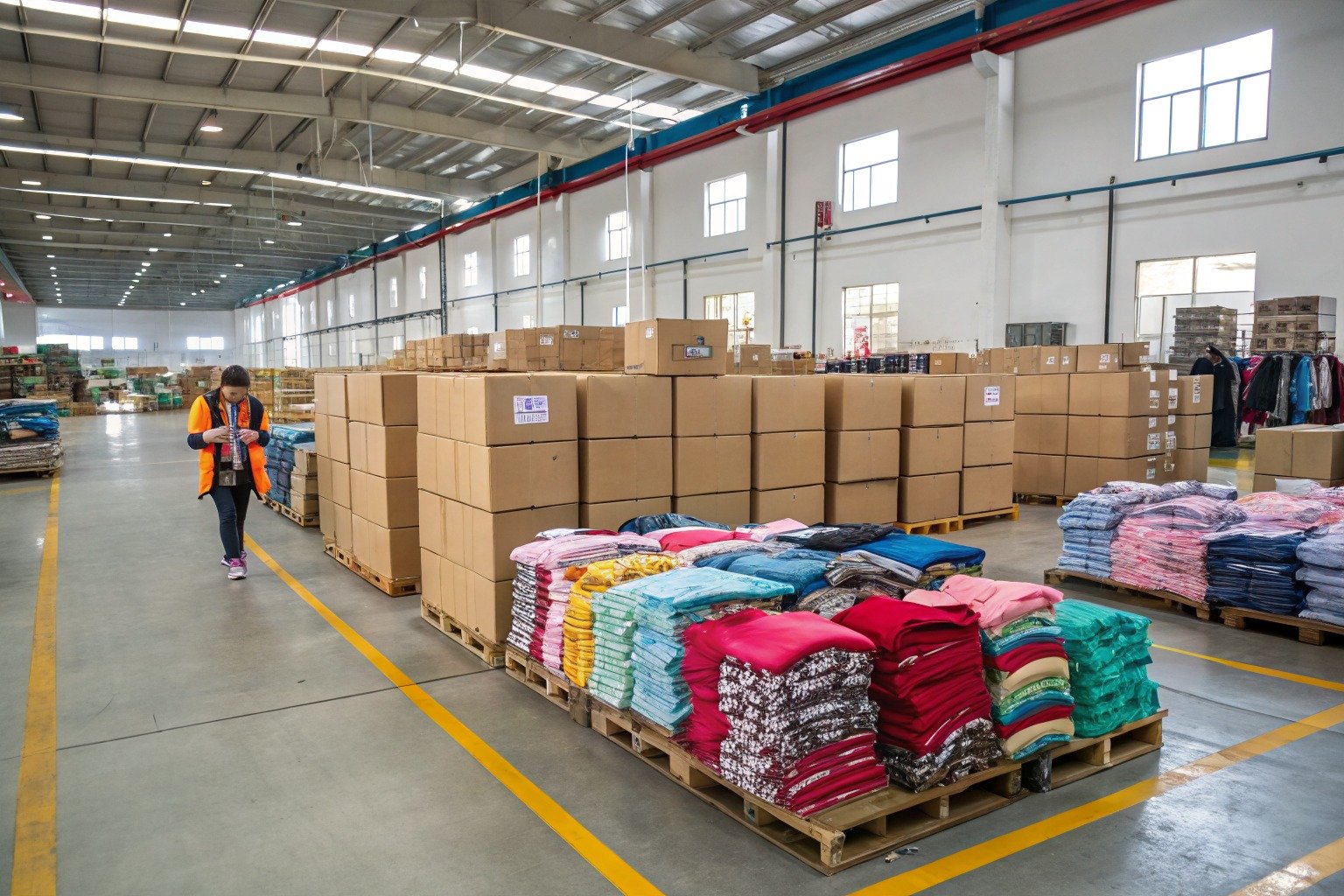
This is why I ask buyers to slow down at the right time. A fast quote is useful only when the production plan behind it is real. In children’s clothing, small mistakes become expensive because size, safety, comfort, and season timing all matter. A good supplier gives the buyer fewer surprises, not just more promises.
| Buyer Question | Factory Proof | Why It Matters |
|---|---|---|
| Can the factory make this category? | Samples and production history for choosing an AQL level for kidswear orders | It lowers development risk. |
| Can the factory control quality? | Fabric checks, size tolerance, inline QC, final inspection | It protects brand reputation. |
| Can the factory support compliance? | Testing plan, labels, certificate records | It reduces import and retail risk. |
| Can the factory deliver on time? | Production calendar, capacity, packing plan, freight route | It protects the selling season. |
How Can Buyers Keep Delivery Under Control?
When I think about choosing an AQL level for kidswear orders, I do not treat ‘How Can Buyers Keep Delivery Under Control?’ as a small side question. This question affects product safety, order profit, and the buyer’s selling season. A U.S. owner can compare many suppliers online, but the better answer usually comes from written standards, production proof, and a factory team that understands AATCC textile testing.
In our Zhejiang production work, I prefer to make this point visible before bulk cutting starts. We confirm the fabric, handfeel, size chart, sewing method, logo position, packing plan, and inspection method in plain language. Then we compare the order with ASTM textile standards, because a children’s garment must be good for the buyer, the parent, and the child.
What Should Buyers Do After Shipment?
When I think about choosing an AQL level for kidswear orders, I do not treat ‘What Should Buyers Do After Shipment?’ as a small side question. This question affects product safety, order profit, and the buyer’s selling season. A U.S. owner can compare many suppliers online, but the better answer usually comes from written standards, production proof, and a factory team that understands Better Cotton.
In our Zhejiang production work, I prefer to make this point visible before bulk cutting starts. We confirm the fabric, handfeel, size chart, sewing method, logo position, packing plan, and inspection method in plain language. Then we compare the order with ZDHC textile chemistry guidance, because a children’s garment must be good for the buyer, the parent, and the child.
Conclusion
The safest way to handle choosing an AQL level for kidswear orders is to make the whole supply chain visible. A buyer should not only ask for price. The buyer should ask how the factory develops samples, controls fabric, checks measurements, verifies certificates, packs cartons, and plans shipment. When these steps are clear, wholesale children’s clothing becomes easier to scale and easier to sell.
If you want to cooperate with Shanghai Fumao to produce your own children’s wear order, you can contact our Business Director Elaine at elaine@fumaoclothing.com. Our company will not add any possible extra tariffs on China-to-U.S. products to your order. We prefer clear pricing, serious product development, and a long-term factory relationship that helps your brand sell with confidence.
#shagnhaigarment #fumao #fumaoclothing #fumaokidswear #AQLlevel #inspectionplanning #kidswearorders #defectclassification #qualitycontrol #suppliermanagement