Children’s fashion is more than just style; it is about safety, durability, and everyday comfort. As a children’s clothing manufacturer, I know that parents and brands alike are looking for apparel that not only looks good but also protects little ones in their daily adventures. This article explores how precision stitching and quality control play a vital role in delivering safe, stylish, and comfortable kids’ wear.
Why Is Precision Stitching Essential in Kids’ Clothing?
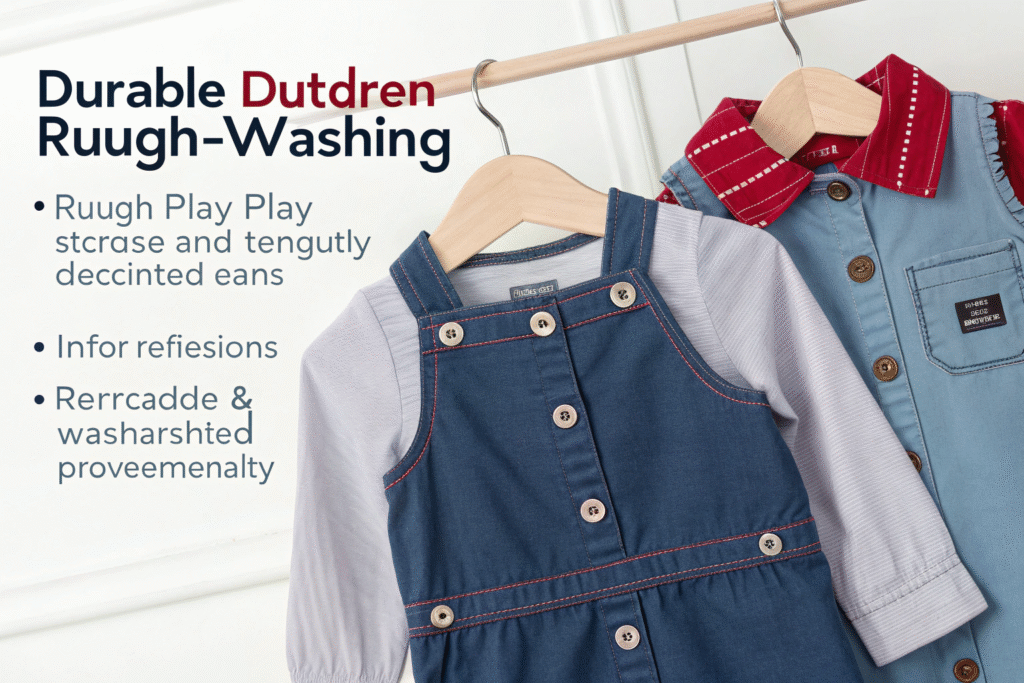
Parents expect kids’ clothing to survive rough play, multiple washes, and still remain safe. Precision stitching ensures seams are strong, reduces risks of fabric tearing, and keeps small details like buttons secure. This makes the difference between clothing that fails quickly and garments that last through seasons.
When I began working with European and American children’s brands, I noticed one consistent complaint: poorly stitched garments that lost shape after a few washes. Stitching errors, loose threads, or weak seams are not just aesthetic flaws; they are safety hazards. A popped seam can expose sharp edges from zippers or leave buttons loose, which can become choking risks. That is why we focus on stitching as the foundation of garment durability.
How Does Stitching Impact Child Safety?
Precision stitching prevents hazards by reinforcing stress points in garments. For example, crotch seams in baby rompers or waistlines in toddler leggings need to handle constant pulling. According to Textile World, reinforced stitching reduces seam slippage by up to 40%. Also, properly locked stitches prevent small components from detaching, aligning with CPSC safety regulations.
Can Better Stitching Improve Brand Reputation?
Yes. High-end children’s fashion brands often gain trust through consistent quality. Parents remember clothing that lasts, and they associate strong seams with safety. Brands sourcing from factories that emphasize stitching precision can reduce customer complaints and product returns. As noted by Apparel Resources, many American buyers now prioritize supplier certifications that prove seam durability and fabric safety.
What Fabrics and Techniques Work Best for Kids’ Comfort?
Fabric choice works hand in hand with stitching. Kids need soft, breathable materials that allow freedom of movement while remaining durable. Techniques such as flatlock stitching and overlocking minimize skin irritation and extend garment life.
When we design children’s apparel, we prioritize cotton-rich blends for softness and stretch. However, without the right stitching, even the best fabric loses value. Flat seams reduce bulk, preventing skin rashes around underarms or waistlines. Double-needle stitching strengthens hems without adding stiffness. These technical details are invisible to the eye but essential to everyday comfort.

Why Do Flat Seams Matter in Children’s Fashion?
Flat seams are important because they reduce friction. Kids run, jump, and bend more than adults. A thick seam can leave red marks or cause discomfort. Research from Cotton Incorporated shows that seamless or flat-seamed clothing reduces irritation in sensitive skin by 35%. That is why activewear brands insist on this method.
Which Stitching Methods Are Most Durable for Playwear?
For children’s playwear, overlock stitching is the gold standard. It not only prevents fraying but also allows stretch without breaking. According to Sewing Insight, garments with 4-thread overlock stitching last up to 30% longer during active use. By combining reinforced thread with fabric stretch, kids can move freely without compromising safety.
How Do International Standards Shape Kids’ Apparel Quality?
Strict safety and durability standards govern children’s wear in Europe and the US. Precision stitching helps brands meet requirements such as EN 14682 for drawstrings and ASTM standards for seam strength, ensuring that products comply with global expectations.
I have worked with brands that were forced to recall products because stitching failed compliance tests. These recalls not only cost money but also harm trust. Meeting standards requires both skilled workers and reliable machinery. Our factory invests in Japanese sewing machines and continuous training to maintain accuracy in every garment we produce.

What Safety Certifications Should Buyers Look For?
Buyers should verify that suppliers comply with standards like OEKO-TEX Standard 100 and ASTM F1816. These certifications prove that clothing is free from harmful chemicals and that stitching strength has been tested. Many retailers in the US now demand these certificates before approving suppliers.
How Do Standards Reduce Risk for Apparel Brands?
Standards act as protection against liability. If a brand can prove its garments passed tests for seam durability and button strength, it can avoid lawsuits in case of accidents. As explained in Just Style, compliance also improves brand positioning in premium markets, where parents are willing to pay more for certified safety.
Why Should Brands Partner With Reliable Manufacturers?
Reliable manufacturers not only provide stitching expertise but also ensure consistent quality, timely delivery, and smooth communication. For brands, this means fewer risks of missed seasons and better customer satisfaction.
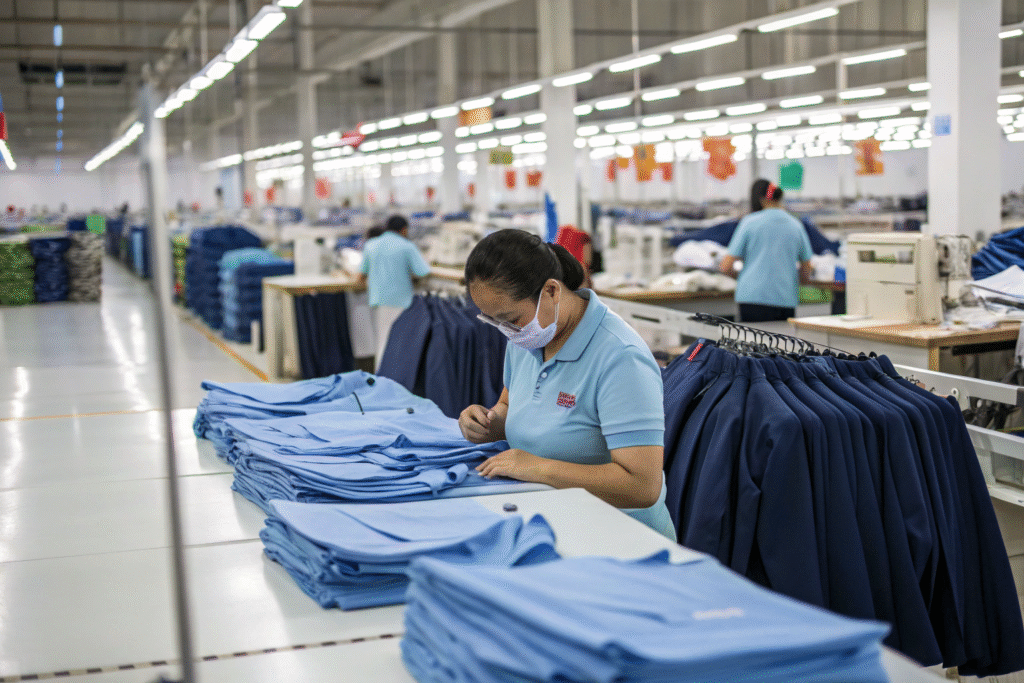
Over the years, I have seen buyers lose entire selling seasons because a supplier delayed shipments or cut corners on stitching. These problems are avoidable if brands choose factories with proven track records. At Fumao Clothing, we back every shipment with quality reports and transparent production updates.
What Role Does Communication Play in Apparel Sourcing?
Communication is as important as manufacturing. Misunderstandings about seam types, fabric shrinkage, or certification needs can lead to costly mistakes. Trade Ready highlights that poor supplier communication is one of the top three causes of failed apparel orders. A reliable partner explains options clearly and ensures buyer expectations are met.
How Can On-Time Delivery Strengthen Brand Growth?
Timely delivery allows brands to align with selling seasons and marketing campaigns. Missing back-to-school or holiday launches can result in unsold stock. According to Fibre2Fashion, delays in delivery reduce profit margins by up to 25%. Working with a reliable manufacturer reduces this risk and keeps brand growth on track.
Conclusion
Precision stitching is not just a technical detail; it is the backbone of children’s fashion. From seam strength to fabric comfort, every detail affects how parents and kids perceive a brand. International standards make stitching quality even more important, as they protect both children and brands from risks.
If you are ready to create your own children’s apparel line with premium quality and reliable supply, we invite you to partner with us at Shanghai Fumao Clothing. Contact our Business Director, Elaine, at elaine@fumaoclothing.com to start your order today.