
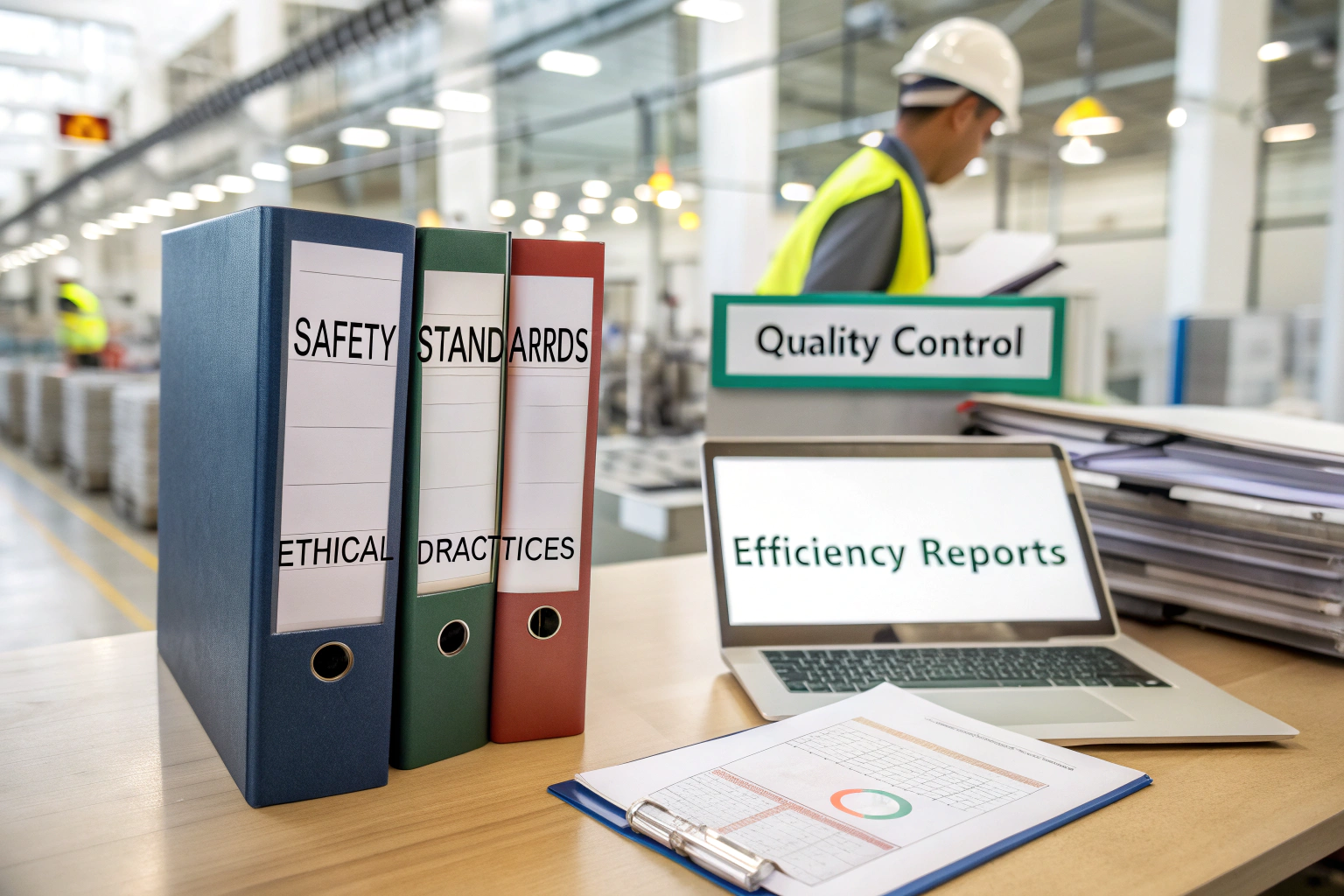
Factory audits are critical for assessing whether a manufacturing facility adheres to industry regulations and standards. They ensure that products are made in safe, ethical, and efficient environments while meeting specific quality expectations. One of the key elements of an effective factory audit is thorough documentation. Properly organized and detailed documentation not only supports the audit process but also provides valuable insights into the factory's operations. Below is a detailed overview of the best factory audit documentation that should be included to ensure quality, compliance, and safety across all manufacturing processes.
Factory Profile Documentation
The factory profile is a key document that gives auditors an initial understanding of the facility's size, structure, and capacity. It lays the foundation for all audit processes, helping auditors gauge the scope of operations.

Key Components:
- Factory Name, Location, and Contact Information: Basic contact information is essential to identify and locate the factory. This includes the factory’s full name, address, phone numbers, and email addresses.
- Ownership Structure: Documenting whether the factory is privately or publicly owned, or if it is a joint venture, helps auditors understand the decision-making hierarchy.
- Production Capacity: Information about the number of production lines, types of machinery used, and overall capacity helps determine if the factory can meet market demand.
- Employee Information: The number of employees and their specific roles in production, quality control, and management should be documented for insight into workforce structure.
Compliance and Certification Records
Compliance with various standards and regulations is a critical part of the audit process. These documents demonstrate that the factory operates within the bounds of the law and adheres to internationally recognized standards.

Key Components:
- ISO Certifications: ISO 9001 (Quality Management), ISO 14001 (Environmental Management), and ISO 45001 (Occupational Health & Safety) are essential certifications that ensure a factory meets global standards.
- Social Compliance Documents: Certifications verifying adherence to labor laws, including fair wages, working hours, and the prohibition of child labor, are necessary for social responsibility audits.
- Product Certifications: For specific product types, certifications like CE (European Conformity) or UL (Underwriters Laboratories) for safety and compliance are required.
- Environmental Compliance: Documentation that proves compliance with local and international environmental standards, such as emissions and waste management regulations.
Quality Management System (QMS) Documentation
A strong Quality Management System (QMS) is essential for ensuring consistent product quality. Auditors examine QMS documentation to determine how the factory ensures product consistency and compliance with specifications.

Key Components:
- ISO 9001 Certification: This certification shows that the factory follows best practices in quality management, focusing on continuous improvement.
- Quality Assurance Protocols: Documents detailing the factory’s quality control procedures, including methods for raw material inspection, production quality checks, and finished goods testing.
- Corrective and Preventive Actions (CAPA): This system documents how issues are identified and corrected. It also outlines the measures taken to prevent future occurrences of the same problem.
- Product Testing and Inspection Records: Detailed reports from testing and inspection processes at various stages of production ensure that products meet quality and safety standards.
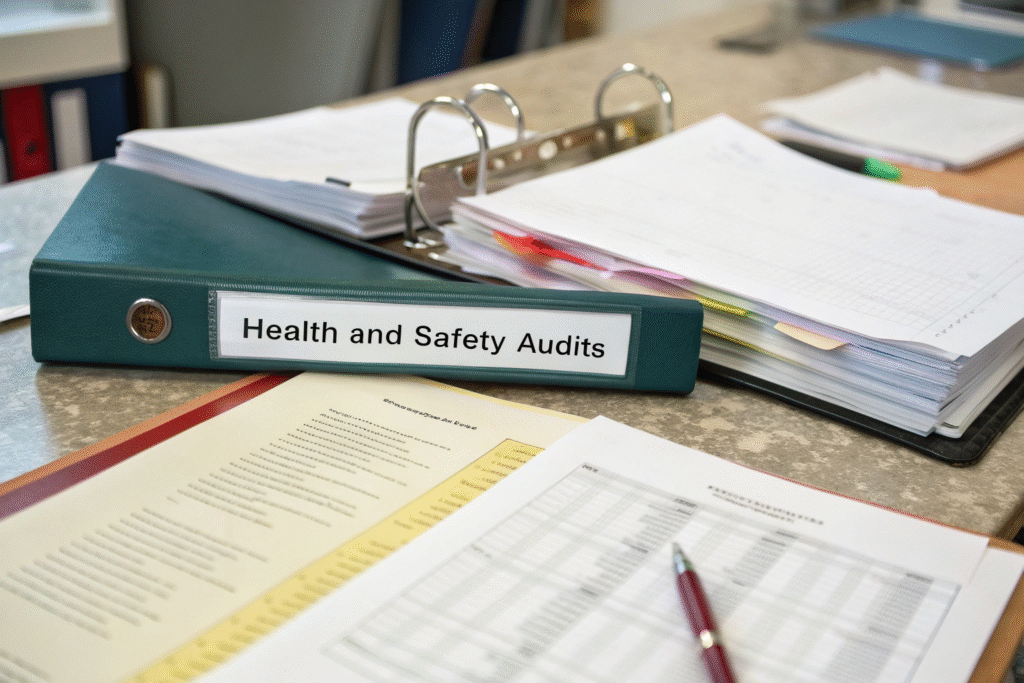
Health and Safety Documentation
Health and safety audits are essential for ensuring a safe working environment for employees. This section includes all documentation related to the safety protocols that the factory follows.
Key Components:
- Accident and Incident Reports: Records of workplace accidents, injuries, and incidents are essential for evaluating a factory's safety culture and responsiveness to hazards.
- Hazardous Materials Management: Documentation that outlines how hazardous materials are handled, stored, and disposed of safely within the factory.
- Safety Training Records: Evidence of health and safety training programs for workers, including topics covered and the frequency of training sessions.
- Emergency and Evacuation Procedures: Documentation showing that employees are trained and prepared to handle emergencies such as fire or natural disasters, along with clearly outlined evacuation plans.
Environmental Impact Reports
Factory audits should also include documentation related to environmental practices. This section verifies whether the factory adheres to environmentally responsible practices, including waste disposal, energy use, and pollution control.

Key Components:
- Waste Management Records: Documentation showing how the factory manages waste, including hazardous materials, recycling programs, and efforts to reduce waste production.
- Energy and Water Usage Reports: Data on energy and water consumption, along with any steps the factory has taken to reduce its carbon footprint.
- Pollution Control Records: Documentation on efforts to limit air, water, and soil pollution, including certifications for sustainable practices.
- Environmental Certifications: If applicable, documents such as ISO 14001 certifications show compliance with international environmental management standards.
Social Compliance Documentation
Social compliance ensures that the factory treats its workers ethically and follows labor laws. The factory audit should review social compliance documentation to confirm that the facility operates in accordance with human rights regulations.

Key Components:
- Labor Contracts: Signed agreements outlining the terms of employment, wages, and benefits for workers.
- Wage and Benefit Records: Payroll documentation showing that the factory meets or exceeds local minimum wage laws, and provides appropriate benefits for workers.
- Working Hours and Overtime Compliance: Documentation of working hours, including records of overtime and how it complies with legal limits.
- Non-Discrimination Policies: Documentation proving that the factory adheres to fair employment practices, without discrimination based on gender, race, religion, or disability.
Production Process and Traceability Documentation
To ensure transparency and quality assurance, auditors need to verify how materials are processed from start to finish. This documentation provides insight into the factory's operational efficiency and traceability practices.

Key Components:
- Production Flow Charts: Diagrams that outline the step-by-step process from raw material intake to finished product, showing how quality control is integrated at each stage.
- Bill of Materials (BOM): A comprehensive list of all materials used in the production of a product, including sourcing information for each component.
- Batch Traceability Records: Documentation showing how each batch of products can be traced back to its raw materials and production conditions, ensuring accountability.
- Inspection and Testing Logs: Reports detailing the results of inspections and tests done on raw materials, in-process products, and finished goods to ensure compliance with quality standards.
Supplier and Vendor Management Records
To ensure product quality and ethical sourcing, it’s important for factories to maintain detailed records on how they manage suppliers and vendors. This documentation ensures that the factory holds its suppliers accountable for the same quality and compliance standards.

Key Components:
- Supplier Audits and Assessments: Records of how the factory evaluates and audits suppliers, ensuring they comply with required quality standards and ethical practices.
- Supplier Contracts: Signed agreements outlining the terms of business, including quality expectations, delivery schedules, and payment terms.
- Vendor Compliance Documentation: Documentation from suppliers proving they meet industry standards, such as ISO certifications or compliance with social responsibility policies.
Financial Documentation
Financial records are important for assessing a factory’s financial health and its ability to meet production and delivery requirements. A factory’s financial stability also impacts its long-term sustainability and ability to invest in necessary improvements.

Key Components:
- Balance Sheets: Documents showing the factory's assets, liabilities, and shareholder equity, giving auditors insight into its financial health.
- Profit and Loss Statements: Financial records showing the factory's income, expenses, and overall profitability over a defined period.
- Cash Flow Statements: Records of the inflow and outflow of funds, essential for understanding the factory’s liquidity and ability to pay for raw materials and labor.
- Tax Records: Documentation showing the factory's compliance with tax laws and the timely filing of tax returns.
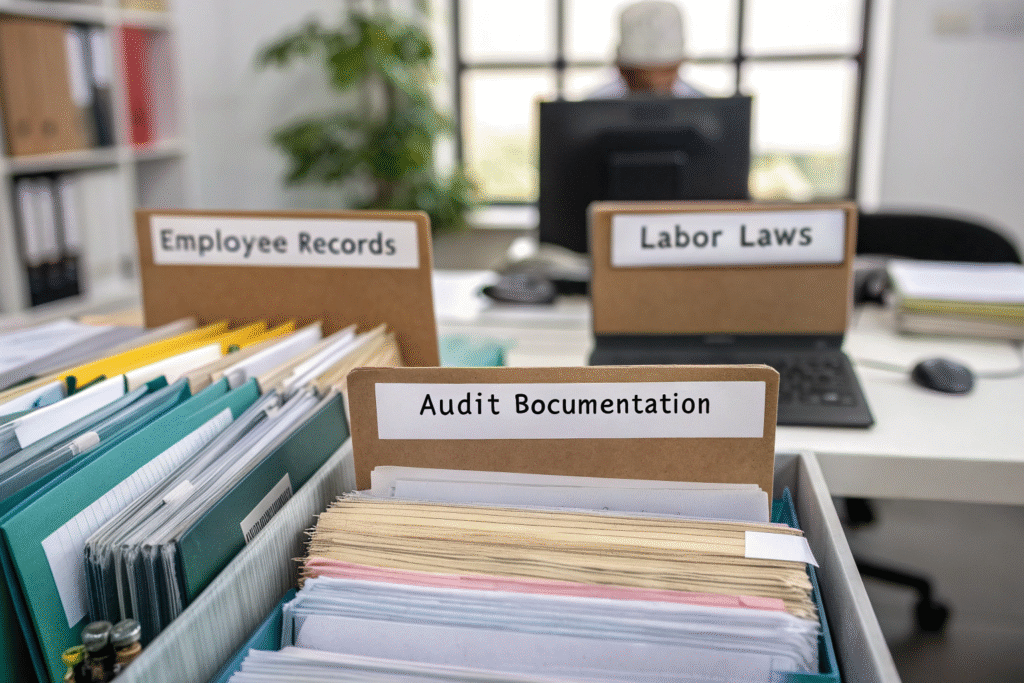
Employee Records
Factories should maintain clear and up-to-date employee records as part of the audit documentation. These records ensure that the factory complies with labor laws and provides fair treatment to its workers.
Key Components:
- Employment Contracts: Signed agreements between the factory and its employees outlining job responsibilities, compensation, and benefits.
- Training and Certifications: Documentation of employee training programs, including health and safety certifications and specific job-related training.
- Payroll and Benefits Documentation: Records of wages paid to employees, including overtime, bonuses, and any deductions for taxes or benefits.
- Employee Health and Safety: Records showing that the factory provides proper health and safety training, and that employees are protected from workplace hazards.
Conclusion
The documentation provided during a factory audit plays a critical role in assessing the factory's compliance with industry standards and regulations. It offers a detailed picture of a factory’s operations, helping identify potential areas for improvement. Comprehensive and accurate documentation not only ensures that factories operate efficiently and ethically but also builds trust with clients and stakeholders. By maintaining thorough records across areas such as quality management, health and safety, environmental impact, and employee welfare, factories can demonstrate their commitment to maintaining high standards and improving continuously. Effective documentation is the foundation for a successful factory audit and ensures that manufacturers can meet the demands of today's complex and regulated market environment.