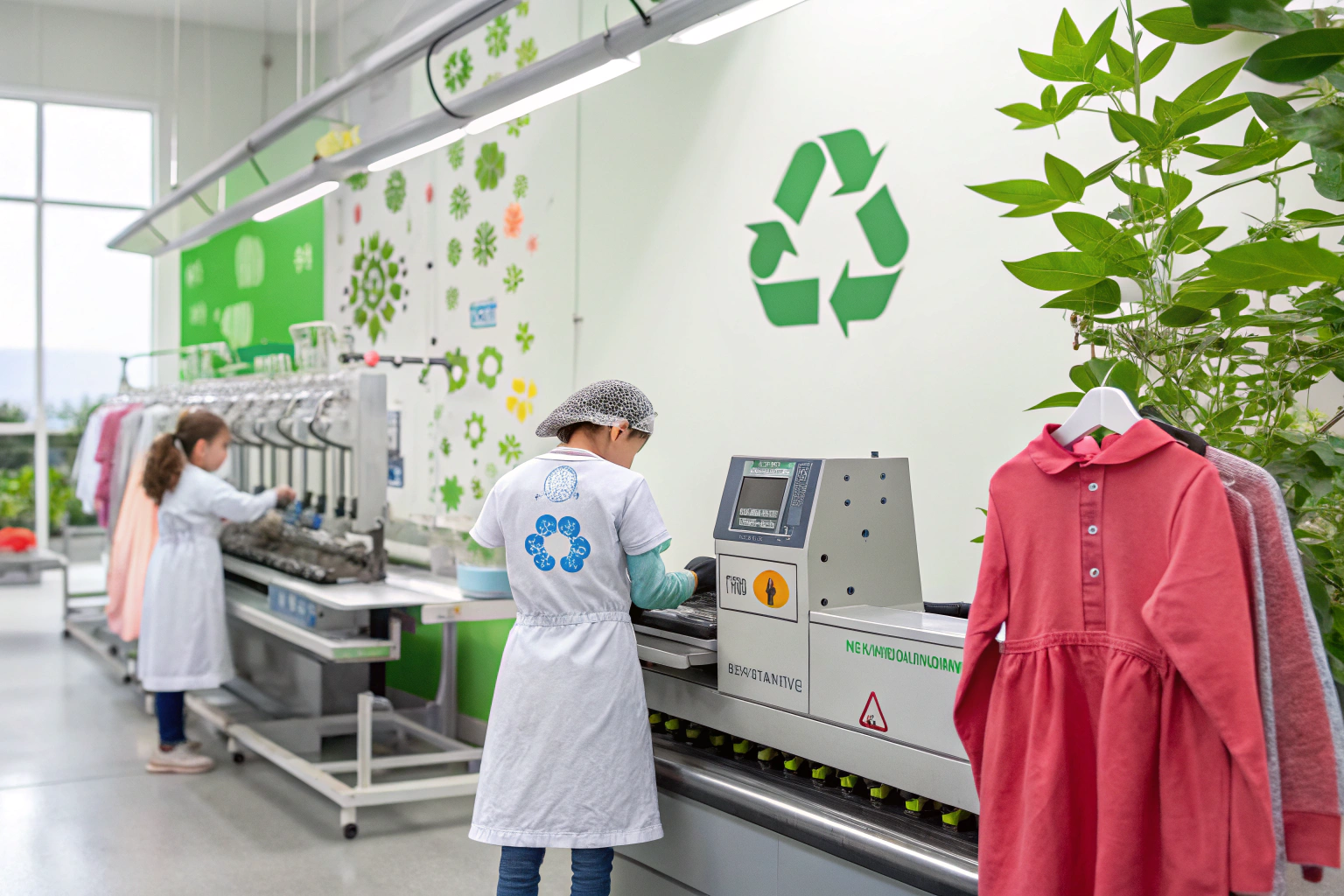
For decades, the children’s wear industry has relied on traditional dyeing methods. These methods often use vast amounts of water and chemicals. As a manufacturer, I see brands becoming increasingly concerned about their environmental footprint. Parents are demanding safer, more sustainable products. This pressure is pushing everyone in the supply chain to innovate. The question is no longer just about cost and color fastness. It’s about the future of our planet and the well-being of our children. Are old ways still the best ways? We must explore new paths.
Waterless dye technology is not only viable for kidswear but represents a significant advancement, offering superior sustainability and enhanced product safety without compromising on the vibrant quality and durability that brands and parents expect. This shift aligns perfectly with the values of the modern mid-to-high segment children’s wear market. Brands that adopt these technologies position themselves as leaders. They meet consumer demand for responsible production. The initial investment is outweighed by long-term benefits. These benefits include reduced environmental impact and a stronger brand story.
The journey toward sustainable manufacturing is complex but essential. Let’s delve into the specifics of waterless dyeing. We will examine its practical applications, benefits, and how it compares to conventional methods. This knowledge is crucial for making informed sourcing decisions.
What are the main types of waterless dyeing?
The move away from water-intensive processes is gaining momentum. Several key technologies have emerged as frontrunners. Each offers a unique approach to coloring textiles without polluting our waterways. Understanding these options is the first step for any brand considering a shift.
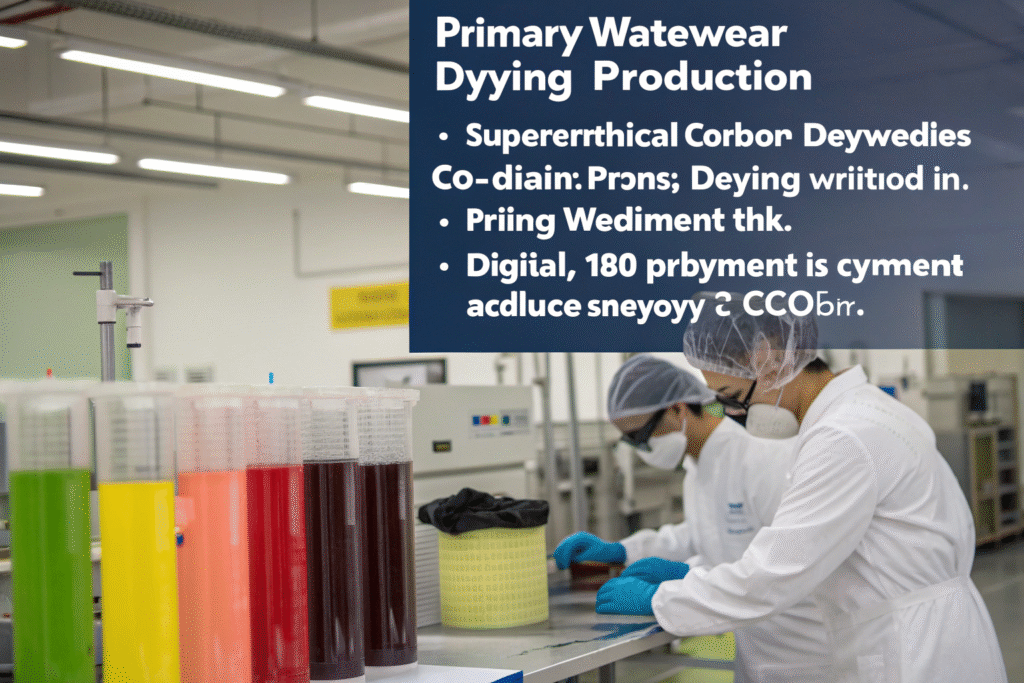
The primary waterless dyeing methods viable for kidswear production include supercritical carbon dioxide (CO2) dyeing, air dyeing, and digital printing with pigment inks. These technologies eliminate or drastically reduce the need for water in the dyeing process. They also cut down on energy consumption and chemical use. This makes them highly attractive for brands focused on sustainability certifications and green marketing.
The potential here is enormous. Let’s break down how these innovative methods work.
How does supercritical CO2 dyeing work?
Supercritical CO2 dyeing is a fascinating scientific process. It uses carbon dioxide that is heated and pressurized to a state between a gas and a liquid. In this "supercritical" state, CO2 acts as a solvent. It penetrates fabric fibers and carries the dye deep within. After the dyeing is complete, the pressure is released. The CO2 returns to a gaseous state and evaporates. Up to 95% of this CO2 can be captured and reused in a closed-loop system. The leftover dye is 100% solid and can be easily collected for disposal or reuse. This technology is particularly effective for synthetic fabrics like polyester. It produces brilliant colors with excellent color fastness. The process is also much faster than traditional water-based dyeing. Brands like Nike have already invested in this technology for its environmental and performance benefits. For kidswear, this means vibrant, durable clothes made with a significantly lower environmental impact. The sustainable apparel coalition provides frameworks for measuring this positive impact.
What is the process behind air dyeing technology?
AirDye® technology takes a different approach. It fundamentally changes how dye is applied to fabric. Instead of using water as a carrier, this method uses air. The process begins with applying dye to a paper carrier. Then, using heat and pressure, the dye is transferred from the paper directly into the fabric fibers. This sublimation process is extremely efficient. It uses no water and requires less energy than traditional dyeing and drying. A key advantage is the precision it offers, minimizing dye waste. However, it is primarily suited for synthetic materials or fabric blends with a high synthetic content. The resulting colors are sharp and durable, making it a great option for children’s clothing with intricate prints. The technology supports the goals of the global organic textile standard by reducing chemical and resource use. For brands, it offers a way to create high-quality, detailed apparel with a clean conscience.
What are the advantages over traditional dyeing for children’s clothing?
Choosing a manufacturing partner is about more than just cost. It’s about values and long-term viability. The advantages of waterless dyeing extend far beyond water conservation. They directly address the core concerns of today’s children’s wear brands and the parents they serve.
The benefits are clear: a drastically reduced environmental footprint, enhanced product safety for sensitive skin, and superior color consistency and durability, which are critical for active kids. These factors combine to create a compelling value proposition. They allow brands to build trust and loyalty with an increasingly discerning customer base.
This isn’t just a minor improvement; it’s a fundamental upgrade. Let’s explore the tangible benefits your brand can leverage.

How does it enhance product safety and meet standards?
Children have delicate and sensitive skin. Safety is the non-negotiable top priority for every children’s wear brand I work with. Traditional dyeing often requires harsh chemicals, including heavy metals and toxic auxiliaries, to fix the dye to the fabric. Residual chemicals can remain in the fabric, posing potential risks. Waterless dyeing technologies, particularly supercritical CO2, eliminate the need for these harmful chemicals. CO2 is non-toxic and inert. The process itself ensures that the dye is fully absorbed into the fiber, leaving no chemical residues. This results in a final product that is inherently safer for babies and children. This high level of safety makes it easier for brands to achieve and exceed strict international standards like Oeko-Tex Standard 100. Promoting this feature on your clothing tags builds immediate consumer confidence.
Why is color fastness and durability better?
Kids are tough on their clothes. They play, crawl, and wash their clothes repeatedly. Color fastness—the ability of a fabric to retain its color—is a major quality indicator. Waterless dyeing often results in superior color fastness. In supercritical CO2 dyeing, the dye penetrates the polymer fiber more completely and evenly than in water-based methods. This creates a molecular-level bond that is highly resistant to fading from washing, rubbing, or exposure to sunlight. Similarly, air dyeing bonds the color deeply into synthetic fibers. This means the bright red of a t-shirt or the deep blue of leggings will stay vibrant wash after wash. For your brand, this translates into higher customer satisfaction, fewer returns, and a reputation for quality that justifies a premium price point. Durable clothing also aligns with sustainable consumption, a key message for modern brands supported by resources from organizations like the Sustainable Apparel Coalition.
What are the cost implications for mid-to-high segment brands?
Any new technology brings questions about cost. This is a practical concern for every business owner. It’s true that the initial investment in waterless dyeing machinery is higher than for conventional systems. However, a full cost analysis reveals a different story. The focus should be on the total cost of ownership and the value created, not just the upfront price.
While the initial investment is higher, waterless dyeing offers significant long-term savings through reduced water and energy bills, lower chemical costs, and shorter production cycles, making it a cost-effective choice for brands focused on quality and sustainability. These operational efficiencies can offset the higher capital expenditure over time. Furthermore, the market is willing to pay a premium for verifiably sustainable products.
Let’s dissect the cost structure to see where the savings add up.
Can it actually lead to long-term savings?
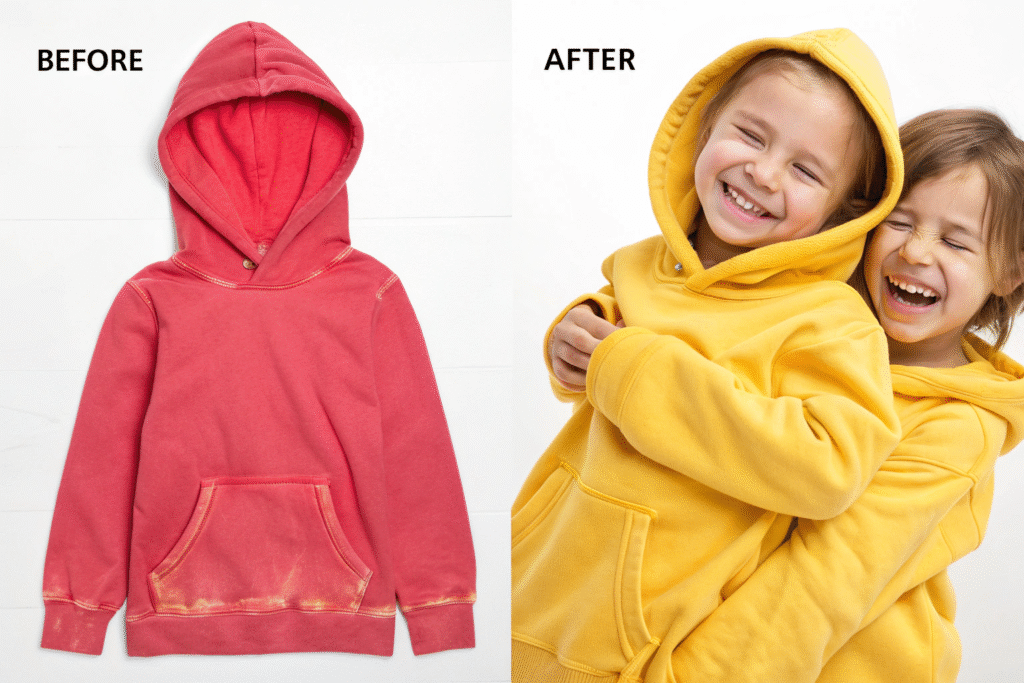
Absolutely. The savings are realized through multiple channels. First, the elimination of water usage means no water procurement costs and no wastewater treatment costs, which are becoming increasingly expensive due to stricter environmental regulations. Second, the processes are more energy-efficient. For example, supercritical CO2 dyeing operates at lower temperatures than traditional dyeing, and since there’s no water to heat, energy consumption is slashed. Finally, the production cycle is shorter because there is no need for lengthy drying times. This speed allows for greater production flexibility and faster time-to-market, which is crucial for catching selling seasons. These combined efficiencies reduce the cost per unit over a larger production volume, improving your profit margins.
How does it impact the brand’s market positioning?
In the competitive mid-to-high end children’s wear market, brand story is everything. Adopting waterless dyeing technology is a powerful marketing tool. It provides a authentic narrative about environmental responsibility and product safety. You can transparently share this story with your customers. This builds brand loyalty and allows you to command a higher price point. Consumers, especially millennial parents, actively seek out brands that align with their values. They are often willing to pay more for products that are better for their children and the planet. This strategic investment strengthens your brand’s position as an innovator and a leader in ethical fashion, directly impacting your bottom line through increased sales and customer retention. Understanding the business model of B2B wholesale is key to leveraging these advantages in your supply chain.
How to identify a reliable manufacturer using this technology?
Finding the right manufacturing partner is critical. The promise of new technology is only as good as the factory that implements it. Not all suppliers who claim to offer sustainable dyeing have the expertise or equipment to deliver consistent quality. Your due diligence process must be thorough.
To find a reliable partner, verify their certifications, audit their production process firsthand, and request detailed documentation on their dyeing methods and material sourcing. A trustworthy manufacturer will be transparent and eager to provide this information. They understand that their credibility is your assurance.
This step is where many sourcing managers face challenges. Here is a practical guide to vetting potential suppliers effectively.

What certifications and audits should I look for?
Certifications are your first line of defense. Look for manufacturers holding valid, internationally recognized certifications that specifically address environmental management and chemical safety. Key certifications include:
- Oeko-Tex STeP: This certification is excellent for assessing sustainable production processes, including resource management and chemical usage.
- GOTS (Global Organic Textile Standard): While focused on organic fibers, GOTS has strict environmental and technical criteria for wet-processing units, which would include dye houses.
- ISO 14001 (Environmental Management Systems): This indicates the factory has a systematic approach to managing its environmental impact.
Do not just accept certificate copies; verify their authenticity online through the certifying body’s database. Furthermore, insist on conducting your own audit or hiring a third-party inspection company to evaluate the dyeing facility firsthand.
Why is transparent communication and logistics key?
Inefficient communication and logistical delays are major pain points for brands like yours. A manufacturer’s ability to communicate clearly about production timelines, potential challenges, and logistics is a sign of professionalism. Ask potential partners about their quality control process and how they integrate it with the dyeing stage. Discuss their logistics partnerships and experience with DDP (Delivered Duty Paid) shipping to your target market. A reliable partner will have a clear process for providing regular updates and will take ownership of the entire supply chain, ensuring your goods arrive on time, every time. This transparency minimizes the risk of missed selling seasons and builds a partnership based on trust.
Conclusion
The evidence is compelling. Waterless dye technology is not a distant future concept; it is a viable, superior, and strategically smart choice for modern kidswear production. It delivers on the essential pillars of sustainability, safety, quality, and, ultimately, profitability. The initial cost barriers are balanced by long-term operational savings and the powerful market advantage of a genuine green story. For brands aiming to lead rather than follow, embracing these innovations is no longer an option but a necessity.
The journey toward sustainable manufacturing requires a partner you can trust. At Fumao Clothing, we are investing in the future of children’s fashion. We understand the needs of brands like yours for top quality, reliable delivery, and ethical production. If you are ready to explore how waterless dyeing and other advanced manufacturing solutions can elevate your brand, we should talk.
Please contact our Business Director, Elaine, to discuss your next clothing order. Her email is elaine@fumaoclothing.com. Let’s create beautiful, sustainable clothing for children together.