
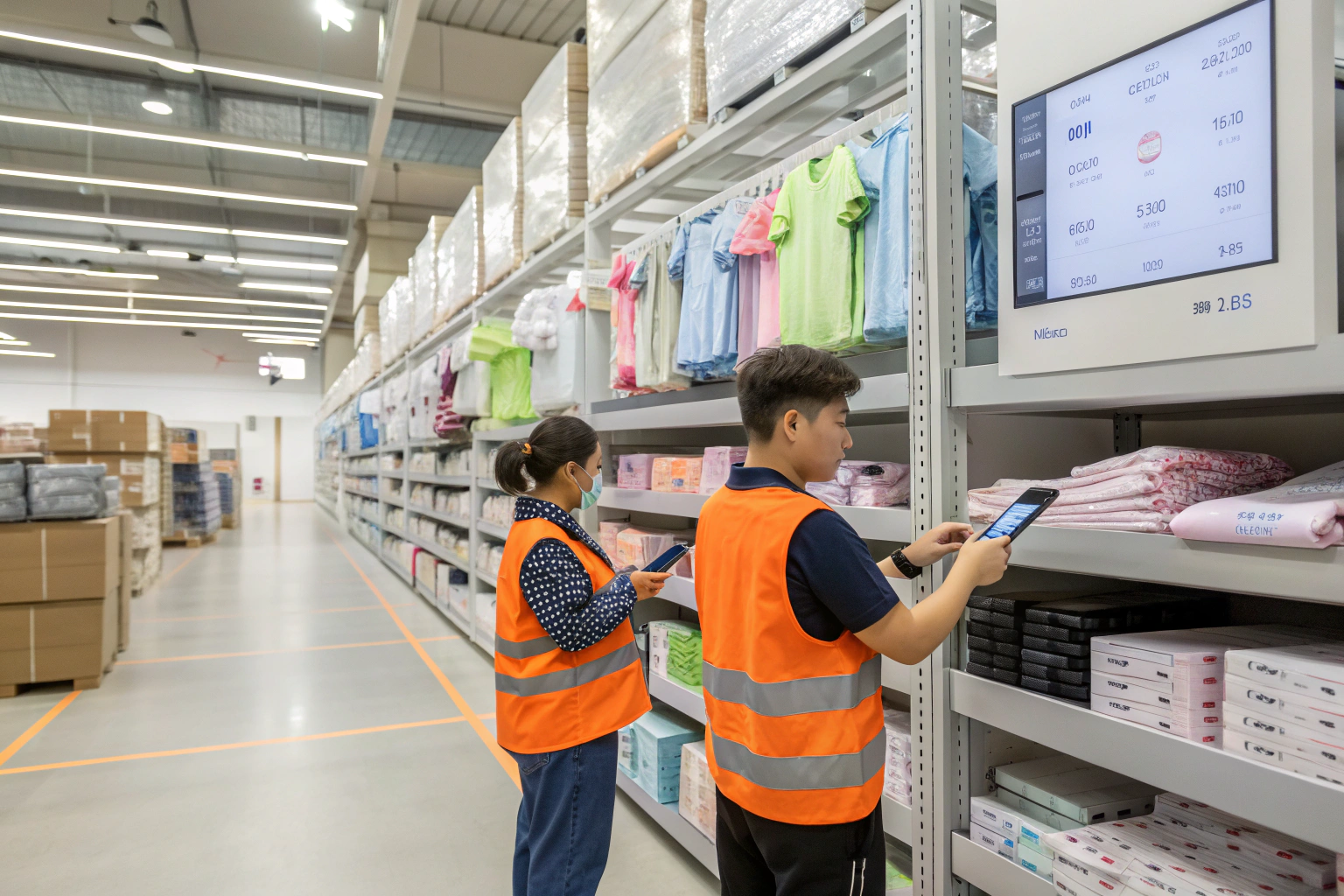
Managing inventory in the apparel industry is always a balancing act. Many company owners struggle with stockouts, overstocking, and delayed shipments caused by poor visibility. For children’s clothing manufacturers like us, these challenges can directly affect seasonal sales windows and brand reputation. Smart labels have recently gained attention as a possible solution, but are they truly worth the investment?
Yes, smart labels can transform inventory control by offering real-time tracking, higher accuracy, and better supply chain efficiency. They help minimize human error, reduce costs, and provide transparent logistics data across the production cycle.
As a factory-owner writing from experience, I will break down the ways smart labels can change the way businesses manage stock.
How Do Smart Labels Improve Accuracy?
Inventory errors are often the biggest reason for financial losses. With smart labels, each garment can be tracked from production to delivery without relying on manual data entry.
Smart labels improve accuracy by allowing real-time scanning, automated updates, and reducing manual mistakes. This makes inventory counts faster and ensures stock data matches reality.

Why Is Real-Time Tracking Critical?
Real-time tracking ensures that when one item leaves the warehouse, the system instantly updates. Retailers and wholesalers no longer need to worry about overselling. According to the National Retail Federation, companies using RFID smart labels see inventory accuracy rise to nearly 95%.
This accuracy helps prevent lost sales during peak seasons when children’s clothing demand surges. It also reduces supply chain disruptions that occur when data is outdated.
How Do RFID Labels Reduce Errors?
Traditional barcodes require line-of-sight scanning, which is time-consuming. RFID-based smart labels can scan hundreds of items at once. For example, one handheld scanner can process full shelves of apparel boxes in seconds.
This bulk scanning not only improves speed but also eliminates mistakes caused by manual counting. As noted by GS1 US, RFID reduces human error by automating most of the identification process.
Do Smart Labels Save Time and Costs?
Efficiency is always linked to profitability. In my own factory experience, reducing counting time by even a few hours can save thousands of dollars during seasonal rushes.
Smart labels save costs by automating inventory checks, reducing labor, and cutting down on stock-related errors.

How Much Time Can They Save?
Inventory audits that used to take days can now be completed within hours. According to Deloitte research, apparel retailers adopting RFID saw audit times reduced by more than 80%.
This time efficiency also speeds up logistics. When shipments are verified in seconds, trucks can depart earlier, ensuring timely delivery to international buyers.
Do Smart Labels Reduce Financial Risks?
Delayed shipments or inaccurate data often result in penalties from buyers. Smart labels lower these risks by improving forecasting accuracy. Businesses avoid both oversupply and undersupply, leading to healthier margins.
Moreover, improved efficiency lowers the need for extra staff. As explained in Forbes Technology Council, RFID systems provide direct cost savings through reduced labor dependence.
Are Smart Labels Suitable for Small and Mid-Sized Businesses?
Many small apparel companies assume that smart labels are only for big corporations. But the reality has changed. Prices for RFID technology have dropped, making it accessible to smaller factories and wholesalers.
Yes, smart labels are scalable and affordable for small and mid-sized businesses. They provide long-term ROI through higher sales accuracy and fewer mistakes.
Can Smaller Businesses Start Small?
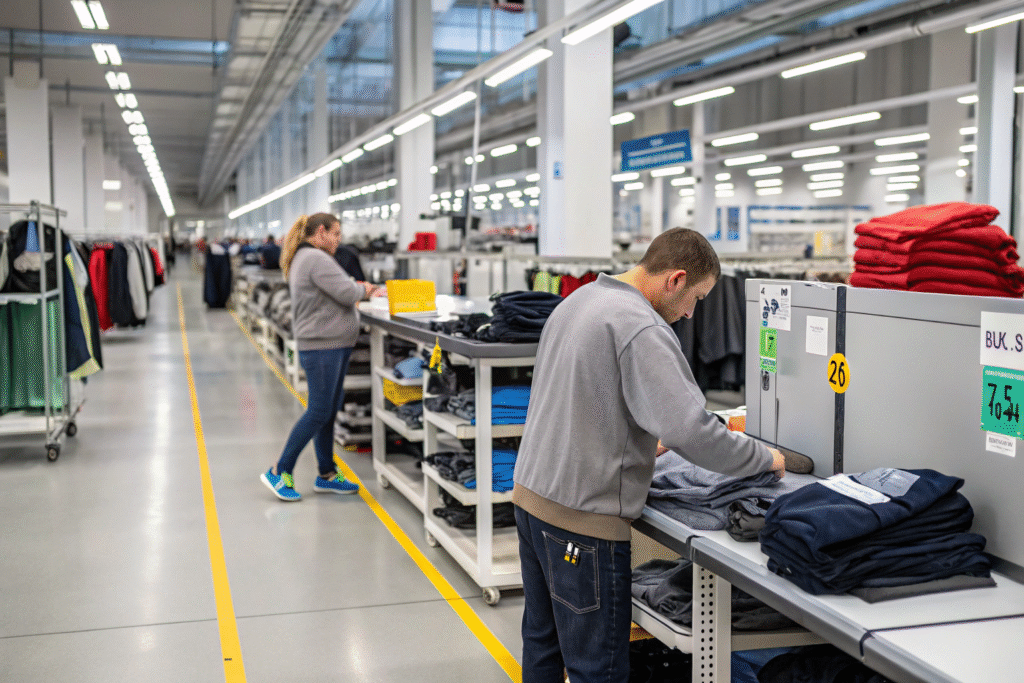
Absolutely. Companies can begin by applying smart labels only to high-value or fast-moving items. For instance, a children’s wear supplier might track premium coats or seasonal outfits before rolling out labels to the entire product line.
Industry platforms like GS1 US offer scalable systems that even startups can adopt. This helps smaller companies gradually expand usage as they grow.
How Affordable Is the Technology Now?
Handheld RFID scanners and software integrations are more affordable compared to ten years ago. Entry-level solutions are now available for just a few thousand dollars, which is minor compared to the savings generated from improved efficiency.
According to McKinsey & Company, investing in automation tools like smart labels has one of the highest returns in the manufacturing sector.
What Challenges Should You Consider?
Smart labels are powerful but they are not perfect. Companies need to consider setup costs, system integration, and staff training.
Challenges include upfront investment, ensuring ERP compatibility, and protecting against unauthorized scanning.

Are Integration Costs High?
Initial costs vary depending on scale. Large warehouses may require fixed RFID readers, while smaller operations can manage with handheld scanners. ERP integration is also crucial, since data needs to flow seamlessly.
As noted in Supply Chain Dive, retailers that invested in proper system integration reported smoother adoption and faster ROI.
How About Data Security Risks?
Because smart labels can be scanned remotely, there is a risk of unauthorized access. Businesses need encryption and access control measures to protect sensitive data.
The International Journal of RF Technologies highlights ongoing advances in RFID security protocols, ensuring businesses can mitigate risks through the right technology partners.
Conclusion
Smart labels are more than just a technological upgrade. They represent a practical way to achieve higher accuracy, reduce costs, and stay competitive in global apparel markets. From my perspective as a children’s clothing manufacturer, investing in smart label systems has clear benefits for both large and small businesses.
If you are a brand buyer, distributor, or apparel company owner looking to streamline your inventory and reduce risks, I encourage you to partner with us at Shanghai Fumao. Together, we can create efficient, reliable, and scalable solutions for your next clothing order.
For direct cooperation, please contact our Business Director Elaine at: elaine@fumaoclothing.com.