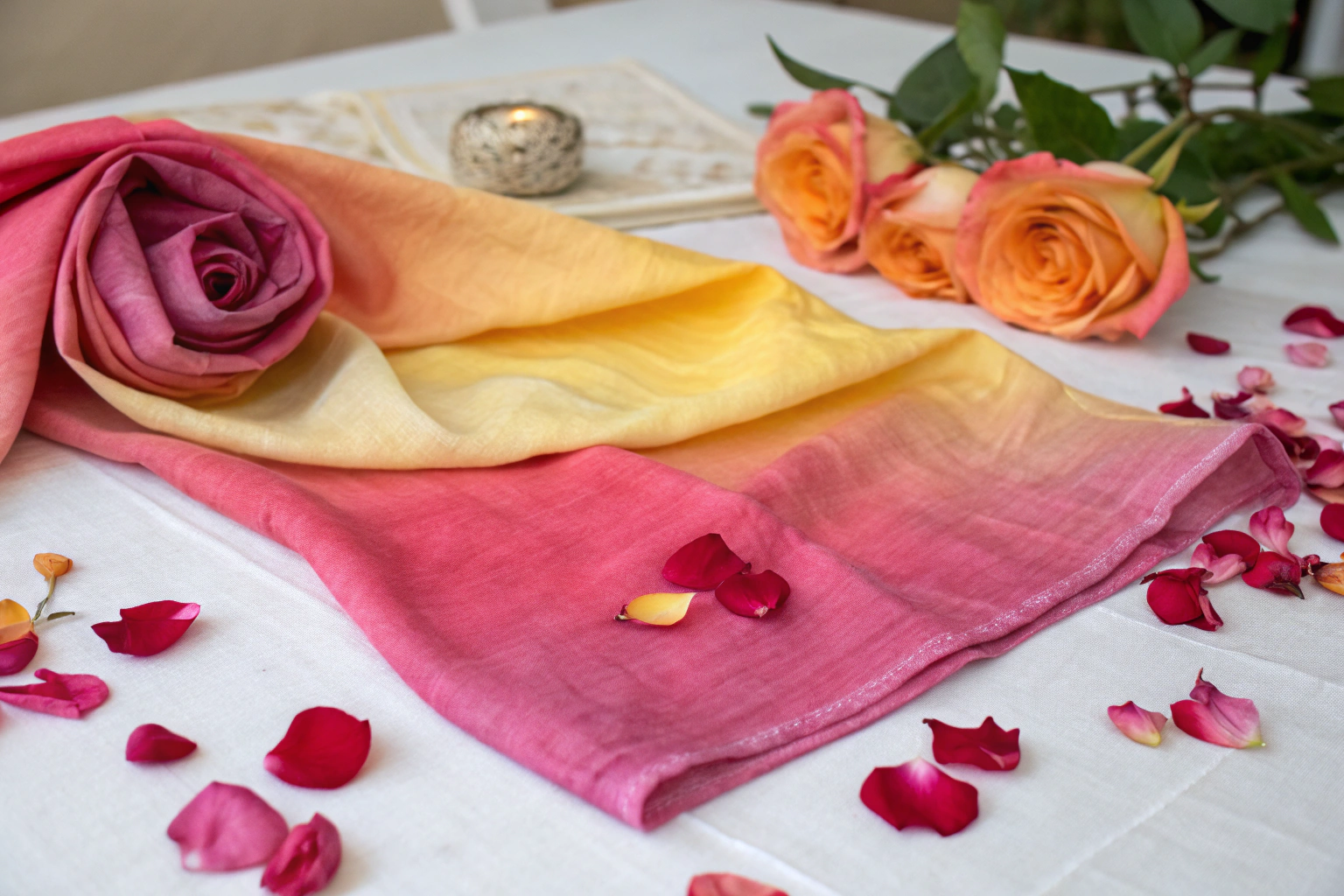
Many parents and children’s wear brands are naturally drawn to the idea of using botanical dyes like rose petals for baby clothes. They promise a gentle, eco-friendly alternative. But the critical question remains: do these beautiful hues last, or do they fade quickly and pose a hidden risk?
The allure of natural dyes is undeniable, but their colorfastness—the ability to resist fading—is a complex issue that depends on the dyeing process, fabric choice, and aftercare. While rose petal dyes can produce stunning colors, achieving true colorfastness for commercial baby clothing requires professional expertise and rigorous testing to ensure both longevity and safety.
This article will delve deep into the reality of using rose petal dyes. We will separate the romantic ideal from the practical requirements of producing durable, safe, and beautiful baby clothes that meet modern standards.
What is colorfastness and why does it matter for infant wear?
Colorfastness is a fabric’s resistance to color loss or bleeding when exposed to elements like washing, rubbing, light, or perspiration. For babies, this isn’t just about aesthetics. Poor colorfastness can lead to dyes transferring onto a baby’s sensitive skin or onto other garments, which is a significant concern for infant health and product quality.
For any children’s apparel brand, colorfastness is a non-negotiable quality benchmark. It is a core part of the international safety standards we adhere to, such as OEKO-TEX®. These standards strictly limit the use of harmful substances and ensure that colors do not bleed easily. Using colorfast dyes prevents skin irritation and ensures the garment looks new for longer, which is a key selling point for discerning parents.

How is colorfastness tested in baby clothing?
We subject all our fabrics, including those with natural dyes, to a battery of tests. These include wash tests, rub tests (both wet and dry), and light fastness tests. This rigorous process simulates real-world conditions to guarantee the dye will not run or fade prematurely. Reputable garment manufacturers understand that this due diligence is essential for building trust and ensuring compliance with global market regulations.
What are the risks of non-colorfast dyes on babies?
The primary risk is skin irritation or allergic reactions. A baby’s skin is much more permeable and sensitive than an adult’s. If a dye is not properly fixed and bleeds onto the skin, it can cause discomfort, rashes, or more severe dermatological issues. Furthermore, faded clothing looks worn out quickly, damaging your brand’s reputation for quality and leading to dissatisfied customers.
Can natural dyes like rose petals meet safety standards for babies?
The short answer is yes, but the process is far from simple. The romantic notion of simply boiling fabric with petals is not viable for commercial baby clothing. The real challenge is transforming the organic colorant into a stable, safe, and durable dye that complies with strict children’s wear safety protocols.
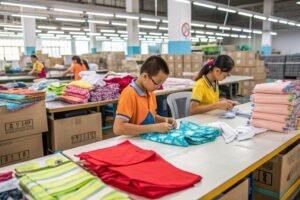
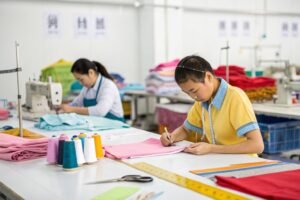
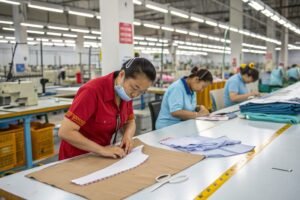
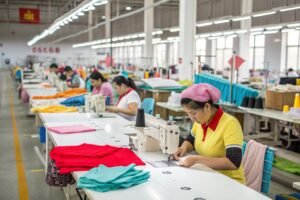
At our factory, we approach natural dyes with the same rigor as synthetic ones. The rose petals must be sourced from uncontaminated fields, and the mordants (substances that fix the dye) must be carefully selected from non-toxic, approved options. Every batch of dyed fabric is then tested to ensure it passes the same stringent OEKO-TEX® Standard 100 requirements that we apply to all our products. This certification is our promise that every garment is free from harmful levels of over 100 regulated substances.
What are the challenges in stabilizing natural dyes?
The main challenge is achieving consistency and longevity. The color obtained from rose petals can vary based on the soil, climate, and time of harvest. Furthermore, the molecular bond between natural dye and fabric is often weaker than with advanced synthetic dyes. We overcome this through proprietary dyeing techniques and the use of safe mordants that create a strong, insoluble complex on the fiber, locking the color in.
How do you ensure batch-to-batch color consistency?
Consistency is key for brand owners. We achieve this by working with trusted agricultural partners for our botanical materials and employing standardized, controlled dye extraction processes. Our quality control team uses spectrophotometers to measure color accuracy against approved standards for every production run, ensuring that the "Rose Pink" you ordered in March is identical to the one you receive in October.
What is the realistic durability of rose-dyed baby clothes?
With professional application and proper aftercare, the durability of rose-dyed clothes can be suitable for everyday baby wear. However, it is crucial to set realistic expectations. Even at its best, a naturally dyed garment may not match the extreme colorfastness of some high-performance synthetic dyes used in children’s clothing.
We are transparent with our clients about this. The colors tend to soften beautifully over time rather than fading abruptly. We treat our natural-dyed garments with protective finishes that enhance their resistance to washing and light exposure. We also provide clear care label instructions to end-consumers, which is vital for maintaining the garment’s appearance. This honesty helps our brand partners market these products accurately as premium, eco-conscious items with a unique, evolving character.

How does rose dye compare to synthetic dye in lifespan?
| Dye Type | Wash Fastness (after 20 washes) | Light Fastness | Abrasion Resistance |
|---|---|---|---|
| Professionally Applied Rose Petal Dye | Good (some softening) | Moderate | Good |
| Common Synthetic Dye | Very Good | Good | Very Good |
| High-Performance Synthetic Dye | Excellent | Excellent | Excellent |
What care is required to maintain the color?
To maximize the lifespan of rose-dyed clothing, we recommend cold hand washing or a gentle machine cycle with pH-neutral detergents, avoiding bleach and direct sunlight for drying. This information is part of the comprehensive DDP (Delivered Duty Paid) service we offer, where we handle everything from production to delivering ready-to-sell products, including attaching accurate care labels.
How can clothing manufacturers ensure safe natural dyeing processes?
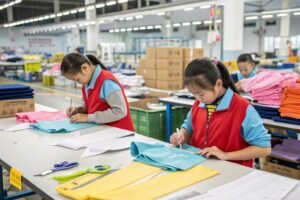
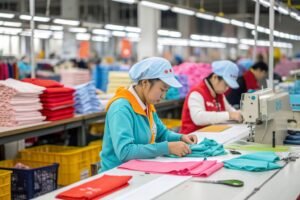
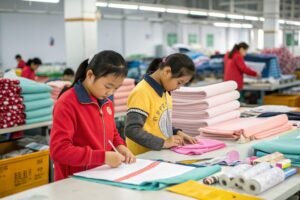
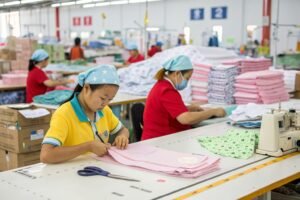
Ensuring safety in natural dyeing requires a systematic, technology-driven approach. It begins with sourcing and continues through every step until the final garment is packed. As a professional kids’ wear manufacturer, we have integrated specific protocols for our natural dye collections to mitigate risks and guarantee a safe product for the end-user.
Our process involves three critical pillars: certified raw material sourcing, advanced and controlled dye application, and final product validation through third-party testing. We invest in modern wastewater treatment facilities to minimize environmental impact from the dyeing process. This holistic approach allows us to offer customizable, safe natural dye options for brands that want to tap into this growing market trend without compromising on safety or reliability.

What certifications should you look for in a supplier?
When sourcing naturally dyed baby clothes, partner with manufacturers who hold relevant certifications. The most critical ones include OEKO-TEX® Standard 100 (for product safety), GOTS (for organic fiber and processing standards), and ISO 9001 (for quality management systems). These certificates are your objective proof that the supplier operates to internationally recognized standards and undergoes regular audits.
How does a supplier prevent delays in natural dye production?
Prevention is rooted in experience and scale. Our 5 production lines allow for flexible scheduling, and our long-standing relationships with material suppliers ensure a consistent inflow of quality botanicals. Our deep expertise in global logistics means we factor in potential complexities from the start, creating realistic timelines and using reliable shipping partners to prevent the nightmare of missed selling seasons for our clients.
Conclusion
The journey of using rose petal dyes in baby clothes is a balance between nature’s beauty and industrial precision. While achieving true colorfastness and safety is challenging, it is entirely possible with the right manufacturing partner who prioritizes rigorous testing, transparent processes, and unwavering commitment to international standards. This ensures that the final product is not only beautiful but also durable and completely safe for the most delicate skin.
If you are a brand looking to explore the premium niche of naturally dyed children’s apparel with a supplier that guarantees quality, consistency, and on-time delivery, we should talk. Let’s create a collection that combines aesthetic appeal with uncompromising safety. For a direct conversation, please contact our Business Director, Elaine, at elaine@fumaoclothing.com to discuss your custom clothing order.