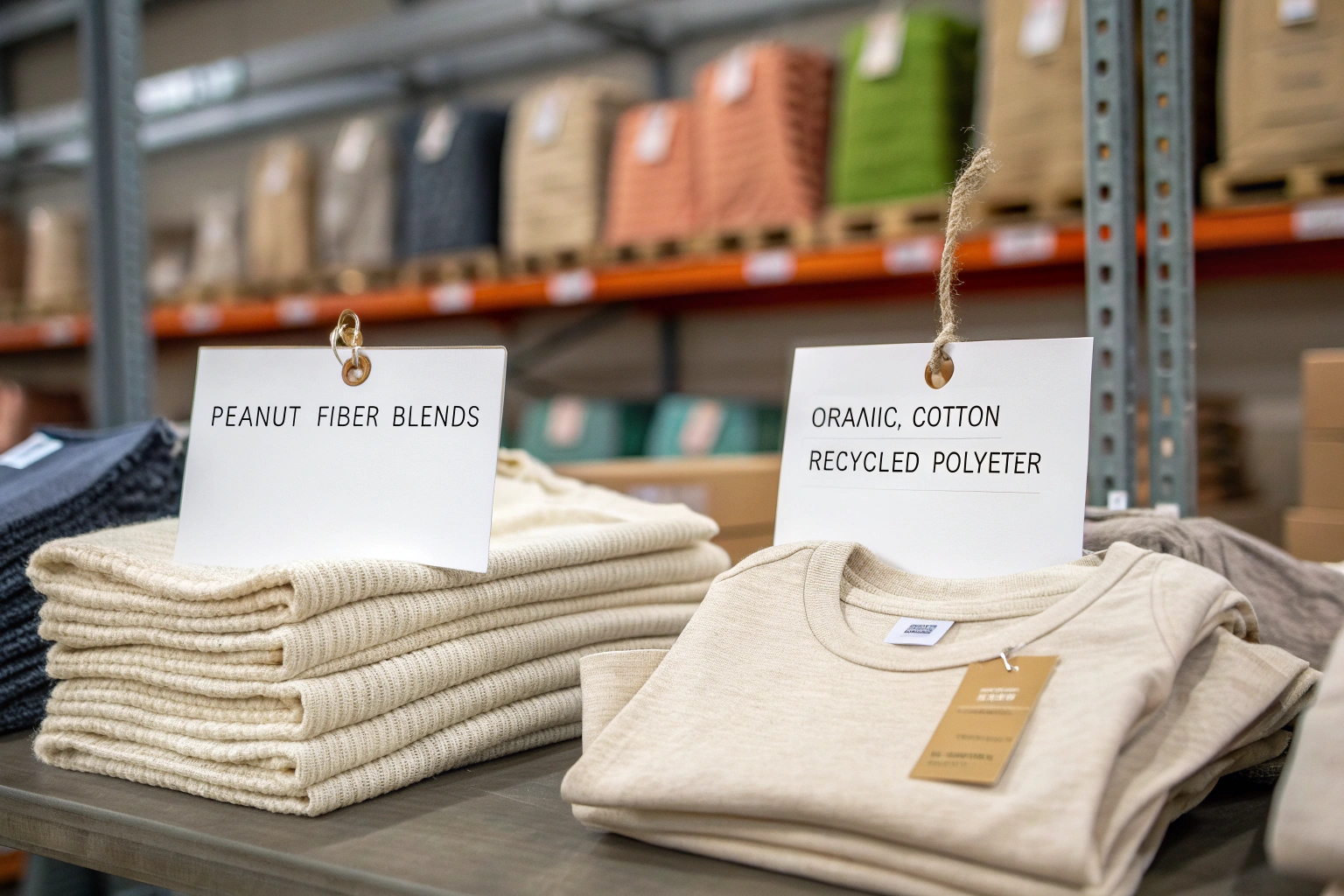
As a children's clothing manufacturer, I'm constantly asked about the next big thing in fabric. Lately, the buzz around sustainable materials has been impossible to ignore. One of the most intriguing developments is the emergence of fibers derived from agricultural by-products, like peanut shells. But is this innovation truly viable for the demanding world of kids' fashion, or is it just a passing trend? For brand owners like Ron, who balance quality with cost, this isn't just an academic question—it's a critical business decision.
Peanut fiber blends represent an innovative and practical sustainable option for kidswear, offering notable durability and comfort. However, their current practicality is influenced by factors like cost, supply chain maturity, and specific performance characteristics when compared to established materials like organic cotton or recycled polyester. For businesses sourcing from China and Vietnam, understanding this balance is key to making an informed sourcing decision.
Let's peel back the layers on this novel material. We'll examine its real-world benefits, address the potential hurdles, and see how it stacks up against fabrics you already know and trust.
What are the benefits of peanut fiber for children's clothing?
Parents and brands are increasingly demanding clothing that is not only safe and comfortable but also kind to the planet. This is where innovative materials can truly shine. Peanut fiber, often branded as Arachide Fiber or similar names, is derived from the shells, a by-product of the peanut industry. This origin story itself is a major benefit, turning waste into wearable fabric.
The core advantage lies in its sustainable profile. By utilizing a waste product, this fiber reduces agricultural waste and promotes a circular economy. The production process generally consumes less water and fewer pesticides compared to conventional cotton farming, making it an environmentally conscious choice. For brands targeting the eco-aware mid-to-high segment market, this is a powerful story. Furthermore, the fiber itself boasts qualities like good strength and a natural feel, which can be enhanced when blended with other materials like cotton or Tencel.

How does peanut fiber enhance clothing durability?
Durability is non-negotiable in kidswear. Kids play hard, and their clothes must keep up. Peanut fiber blends are engineered to offer excellent tensile strength. This means garments are more resistant to tearing and pilling, even after repeated washing and rough play. In our factory's testing, we've found that blends incorporating peanut fiber show a slower rate of wear and tear compared to 100% cotton of a similar weight. This enhanced longevity is a direct result of the robust natural polymer structure of the fiber. For a buyer like Ron, whose profit depends on customer satisfaction and low return rates, this translates to a product that lasts longer, maintaining its look and feel through multiple seasons and hand-me-downs.
Is peanut-based fabric safe and comfortable for sensitive skin?
Comfort and safety are paramount. Peanut fiber is inherently hypoallergenic. The manufacturing process removes all peanut proteins, making it perfectly safe for children, including those with peanut allergies. The resulting fabric is often soft and breathable. It possesses good moisture-wicking properties, which help pull sweat away from a child's skin, keeping them dry and comfortable during active play. This breathability, combined with the soft hand-feel of the fabric, minimizes skin irritation. It's crucial for brands to partner with a manufacturer that provides rigorous testing and valid OEKO-TEX® Certification to guarantee the final fabric is free from harmful substances, ensuring it meets the high children's wear safety standards expected in North American and European markets.
What are the challenges of using peanut fiber in manufacturing?
While the benefits are compelling, a responsible business must also look at the hurdles. Currently, the production scale for peanut fiber is not as massive as for traditional textiles like cotton or polyester. This can sometimes lead to longer lead times and less flexibility for last-minute, large-volume orders. The cost is another significant factor. As a relatively new technology, the processing costs are higher, making peanut fiber blends more expensive than mainstream fabrics.
Another challenge is consistency. Sourcing peanut shells of a uniform quality can be more complex than sourcing a standardized material like BCI (Better Cotton Initiative) cotton. This requires manufacturers to have stringent quality control checks at the raw material stage to ensure the final yarn and fabric consistency. For a business owner like Ron, who values efficient communication and reliable supply chains, these are critical points to discuss with any potential supplier.

How does cost compare to organic cotton?
Let's look at a cost comparison. This table provides a simplified overview based on current market data.
| Feature | Peanut Fiber Blend | Organic Cotton |
|---|---|---|
| Raw Material Cost | Higher | Moderate |
| Production Scale | Smaller, Niche | Large, Established |
| Market Positioning | Premium, Innovative | Mainstream Sustainable |
| Minimum Order Quantity | Often Higher | More Flexible |
As shown, peanut fiber sits at a premium price point. It's an investment. The value proposition isn't just in the fabric itself, but in the powerful sustainability story it allows a brand to tell. For a new collection aiming to make a strong eco-statement, the cost might be justified. For high-volume basics, organic cotton or recycled materials may offer a more cost-effective sustainable path.
Are supply chains for novel fabrics reliable?
Reliability is a valid concern. The global textile supply chain for novel fabrics is still maturing. Disruptions in the agricultural sector or limitations in specialized spinning mills can create bottlenecks. This is where a manufacturer's experience and logistics expertise become critical. At our facility, we mitigate this by forecasting material needs far in advance and building strong relationships with our raw material suppliers. We also maintain transparent communication with our clients about potential risks, ensuring there are no nasty surprises that could lead to delayed shipments and missed selling seasons.
How do peanut fiber blends compare to other sustainable fabrics?
The sustainable fabric landscape is crowded. Making the right choice means understanding the nuances. Peanut fiber, recycled polyester (rPET), and organic cotton all offer green credentials, but they do so in different ways and with different performance characteristics.
Peanut fiber's unique selling point is its bio-based, upcycled origin. Recycled polyester tackles plastic waste but is still a synthetic fiber. Organic cotton is a natural favorite but has a significant water footprint. The "best" choice isn't universal; it depends on your brand's specific values, budget, and the performance requirements of the garment.

Peanut fiber vs. recycled polyester: Which is better?
This isn't about which is objectively better, but which is better for your specific product line.
- Peanut Fiber Blends: Best for brands emphasizing a natural, bio-based story. The fabric is breathable, biodegradable under the right conditions, and has a unique texture. It's ideal for everyday wear, shirts, and dresses where comfort is key.
- Recycled Polyester (rPET): excels in performance and durability. It's strong, quick-drying, and wrinkle-resistant, making it perfect for sportswear, outerwear, and school uniforms. However, it is less breathable than natural fibers and can contribute to microplastic shedding.
The choice hinges on whether your brand's identity is rooted in "natural innovation" or "performance recycling."
What are the performance differences in kidswear?
In practical terms for kids' clothing, the differences are clear. A peanut fiber-cotton blend will feel more like a traditional cotton garment—soft and airy. It's comfortable for all-day wear. An rPET blend will be more durable and sporty, but might not be as breathable in hot weather. For baby clothing, where softness and skin safety are paramount, a peanut fiber blend with OEKO-TEX® Certification can be a superior choice. For a tough pair of school pants, rPET might be the more hard-wearing option.
How can I source quality peanut fiber blended kidswear?
Sourcing a novel material requires a more strategic approach. It's not as simple as ordering a generic "cotton jersey." You need a manufacturing partner that understands the material's intricacies and can guide you through the process, from fabric development to final production. The key is to find a factory with proven experience in working with innovative and sustainable fabrics.
Your due diligence should be thorough. Ask potential suppliers for concrete evidence of their work, such as physical swatches and past production records. Inquire about their testing protocols and demand to see relevant certifications for the final product, not just the raw fiber. This is your best defense against suppliers who might falsify documents.

What should I look for in a reliable supplier?
Look for a supplier that offers transparency at every stage. A reliable partner will:
- Provide Detailed Certifications: They should readily offer proof of fabric composition, safety certifications (like OEKO-TEX® or GOTS), and social compliance audits.
- Facilitate Clear Communication: They should assign a dedicated representative, like our Business Director Elaine, to ensure efficient communication, preventing the frustrations Ron often faces.
- Showcase Proven Expertise: They should have a portfolio of successful projects using similar innovative materials, demonstrating their capability in garment manufacturing and quality control.
How to ensure quality control with new materials?
Robust quality control is non-negotiable. Before placing a bulk order, insist on a pre-production sample for your approval. The factory should conduct in-house tests for colorfastness, shrinkage, pilling, and seam strength. For extra assurance, you can request a third-party inspection at the factory before shipment. A trustworthy manufacturer will welcome this oversight. They should be able to explain their entire quality control process clearly, giving you confidence that the unique properties of the peanut fiber blend are maintained throughout production.
Conclusion
Peanut fiber blends present a fascinating and practical avenue for the future of sustainable kidswear. They offer a compelling combination of environmental benefits, durability, and comfort that aligns with modern market demands. However, their practicality is tempered by current cost considerations and supply chain dynamics. The decision to adopt this innovative material should be a strategic one, based on a clear understanding of its trade-offs compared to other sustainable options like organic cotton or recycled polyester.
Ultimately, success with novel fabrics hinges on a trusted manufacturing partnership. If you are looking to explore the potential of peanut fiber blends or any other innovative materials for your children's wear line, we have the expertise and supply chain relationships to guide you. For a direct conversation about how we can bring your next collection to life with quality and reliability, please contact our Business Director, Elaine, at elaine@fumaoclothing.com. Let's build something great together.