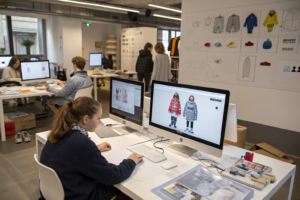

Technological advances are transforming the way fashion companies source and evaluate textiles, and one notable shift has been the rise of digital material libraries. In the past, fabric selection depended on mailing swatch books and samples across continents, a system that consumed time, money, and resources. Today, high-resolution digital scans, interactive 3D models, and centralized cloud platforms allow design teams to explore textiles virtually rather than waiting for shipments.
These digital platforms improve efficiency by reducing the number of physical samples, lowering costs, accelerating product development, and giving brands direct access to global suppliers in real time. Although physical touch remains important, virtual systems are increasingly viewed as essential for sustainable and fast-paced production, especially in categories like babywear where material safety and compliance are crucial.
How do digital material libraries enhance efficiency and reduce expenses?
By shifting swatch evaluation into a virtual environment, delays from shipping and customs are minimized.

What advantages in speed do they provide?
- Instant availability: Designers can review thousands of textiles online within minutes, avoiding the week-long wait for international courier deliveries.
- Fewer sampling rounds: High-quality 3D renderings replicate drape, gloss, and stretch, reducing repeated trial shipments.
- Improved collaboration: Buyers, mills, and manufacturers exchange updates on the same platform, lowering miscommunication risks.
How does this lower expenditure?
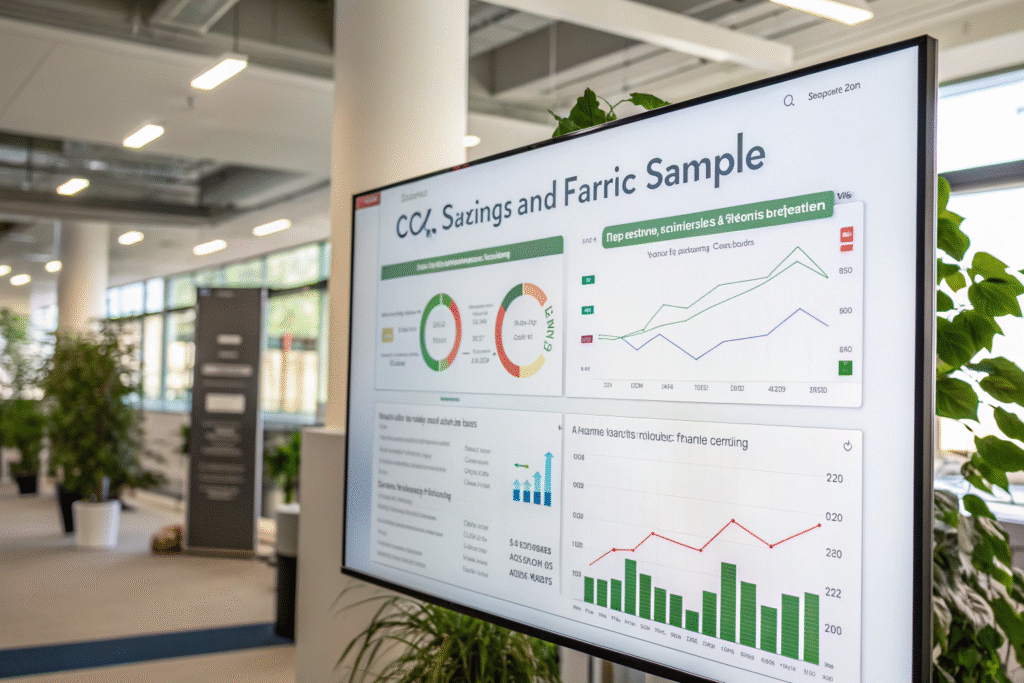
Industry data reported by Fashion United shows that virtual libraries can cut demand for physical swatches by nearly 70%, decreasing both fabric waste and freight costs. For medium-sized labels, such savings often represent tens of thousands of dollars annually.
In what ways do they contribute to sustainability?
Adoption of digital systems supports ecological goals alongside financial ones.
How do they limit environmental impact?
Each traditional fabric swatch consumes raw materials and generates textile waste. A single brand may order hundreds of samples per season, and replacing them with digital previews prevents tons of discarded material. Eliminating extra shipping further cuts carbon emissions.
Are these platforms aligned with compliance frameworks?
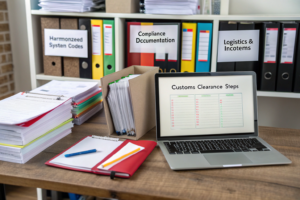
Many providers now integrate certification details, such as OEKO-TEX®, GOTS, or Bluesign®, into their digital libraries. This allows brands to verify fabric safety and sustainability directly, which is particularly valuable for babywear that requires stricter chemical standards and traceability.
What obstacles restrict their efficiency?
Despite clear progress, virtual libraries cannot yet eliminate physical swatches altogether.
What barriers remain?
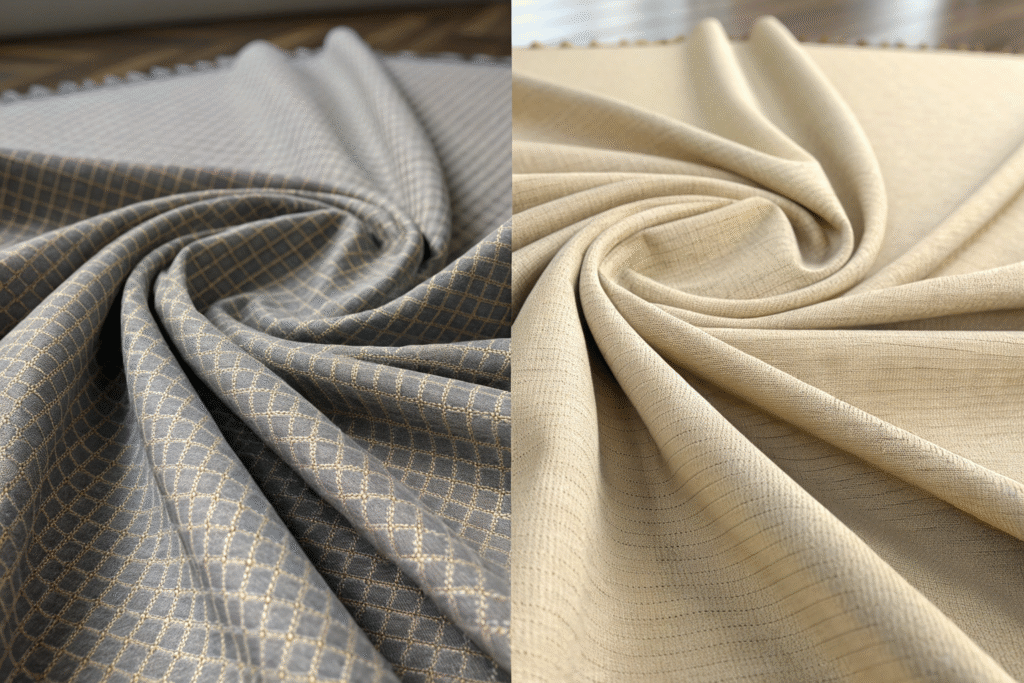
- Lack of tactile experience: Designers often still need to test softness, flexibility, and comfort by touch, especially in infant apparel.
- Uneven technology adoption: Some mills lack the capability to provide detailed 3D scans or metadata.
- Adjustment period: Teams may require training before fully integrating new platforms into their workflows.
How are firms addressing these issues?
Hybrid strategies have become common. Brands use virtual platforms to narrow selections and request only essential physical samples afterward. Reports from WWD highlight that this approach shortens development timelines by half or more for many apparel businesses.
Are these tools scalable across global supply chains?
Scalability is crucial for multinational brands evaluating multiple suppliers.

How do they enable worldwide cooperation?
Cloud solutions let designers in New York, buyers in Paris, and suppliers in Shanghai access the same dataset simultaneously. Real-time updates ensure that everyone works from identical information, which is essential in competitive markets.
What is the expected trajectory?
Forecasts suggest that by 2030, hybrid sourcing models will dominate, with digital libraries acting as the primary tool for decision-making. Emerging integration with artificial intelligence, augmented reality, and blockchain will further enhance reliability and transparency.
Conclusion
Digital material libraries are proving to be highly effective in modern sourcing. They shorten timelines, cut costs, reduce textile waste, and facilitate global collaboration. Though physical testing remains important, hybrid strategies demonstrate that virtual tools already bring significant improvements.
At Shanghai Fumao, we leverage digital libraries to accelerate design and sourcing for children’s apparel. By combining 3D visualization with certified fabrics, we deliver solutions that are both efficient and compliant. For buyers aiming to modernize and green their supply chain, please connect with our Business Director Elaine at elaine@fumaoclothing.com.