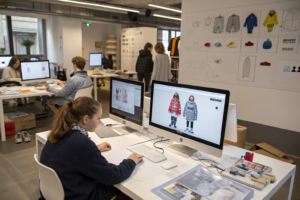

In the past, fabric sourcing meant endless travel, countless sample requests, and delays that stretched design cycles by weeks. As a factory owner with extensive academic background in textile sciences and supply chain management, I have witnessed how inefficiencies in sourcing slowed down even the most prepared brands. In today’s fast-moving market, these delays mean missed seasons and lost opportunities.
Digital fabric libraries are efficient because they provide instant access to textile data, reduce unnecessary sampling costs, and accelerate the decision-making process. They combine technology with sustainability by lowering waste, while also aligning with international sourcing standards.
This article will explore what digital fabric libraries are, how they improve efficiency, their limitations, and the future of this technology in children’s and baby clothing manufacturing.
What Is a Digital Fabric Library?
Fabric sourcing has traditionally relied on physical swatches and supplier showrooms. While effective, this system is slow and costly. Digital fabric libraries emerged as a solution.
A digital fabric library is an online collection of scanned or simulated fabrics, complete with technical data, 3D visualization, and certification details.

How Do They Work?
Suppliers upload high-definition fabric scans with metadata such as weight, fiber composition, stretch, and certification. Platforms like Swatchbook and Material Exchange allow buyers to filter and shortlist fabrics digitally before requesting physical swatches.
Why Are They Useful for Kids Wear?
For children’s wear, fabrics must meet certifications like GOTS and OEKO-TEX. Digital libraries often integrate compliance information, helping sourcing managers quickly eliminate unsuitable options. This step ensures only safe, child-friendly fabrics enter the sampling stage.
How Do They Improve Efficiency in Sourcing?
The traditional sourcing cycle can take several weeks. Requesting swatches, waiting for deliveries, and evaluating samples slows down the design-to-production timeline.
Digital libraries cut this process down by providing instant access to thousands of fabrics in one place.

Do They Reduce Costs?
Yes. According to Fibre2Fashion, brands can reduce fabric sampling costs by up to 40% by narrowing down options digitally before requesting physical samples. Shipping fewer swatches means saving on logistics and time.
Can They Shorten Lead Times?
Yes. By finalizing fabric decisions faster, brands can place production orders earlier. This reduces one of the most common bottlenecks in the apparel supply chain. Faster sourcing directly translates to fewer delays in kids wear seasonal collections.
Are There Any Limitations?
While digital fabric libraries offer efficiency, they do not fully replace the tactile experience of touching fabrics.
Physical inspection is still necessary, especially for baby clothing where softness, durability, and breathability matter most.
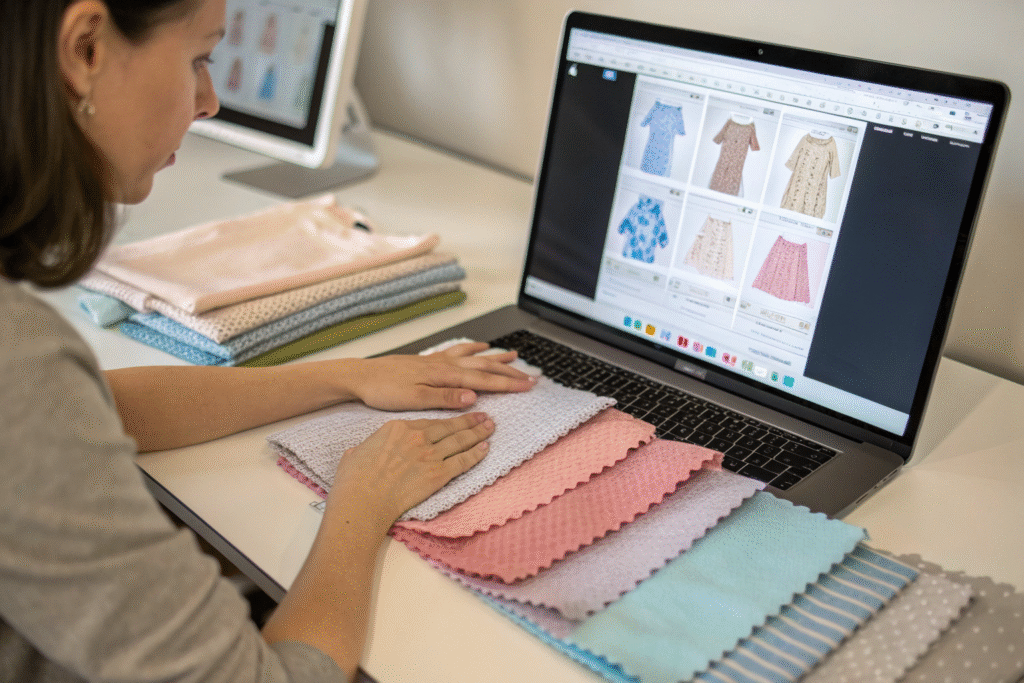
Do They Replace Physical Swatches Completely?
No. Digital libraries are best for the initial selection. However, final approval still requires physical swatches to test comfort and quality. Buyers want assurance beyond what a screen can show.
Are They Accessible for Small Brands?
Yes. Platforms like FabricSight cater to smaller brands, while larger enterprises may subscribe to advanced services. This accessibility democratizes sourcing for startups and established companies alike.
What Future Innovations Are Expected?
The efficiency of digital fabric libraries continues to grow with technological advances.
Emerging trends include AI-powered fabric recommendations, blockchain-based traceability, and virtual reality integration for fabric testing.

Can AI Improve Fabric Selection?
Yes. AI-powered systems can analyze past purchases, seasonal preferences, and sustainability goals to suggest suitable fabrics. This reduces manual searching. Platforms like Lectra already experiment with AI-driven sourcing.
Will Blockchain Play a Role?
Yes. Blockchain-enabled libraries such as TextileGenesis allow brands to verify fabric origins, from cotton fields to spinning mills. This technology ensures transparency, critical for children’s wear compliance.
Conclusion
Digital fabric libraries are efficient tools that improve sourcing by reducing costs, saving time, and offering instant access to verified fabrics. While they cannot completely replace physical swatches, they provide a strong foundation for informed decision-making. Their future integration with AI and blockchain promises even greater transparency and speed.
At Shanghai Fumao Clothing, we combine digital sourcing with traditional quality checks. We help our clients shortlist fabrics online, confirm certifications, and then approve final swatches before bulk production. If you want to streamline your fabric sourcing for kids wear, contact our Business Director Elaine at elaine@fumaoclothing.com. Together, we can ensure efficiency, safety, and style in your next collection.