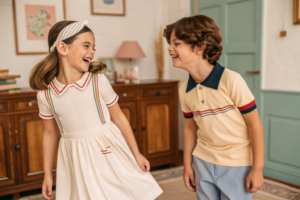
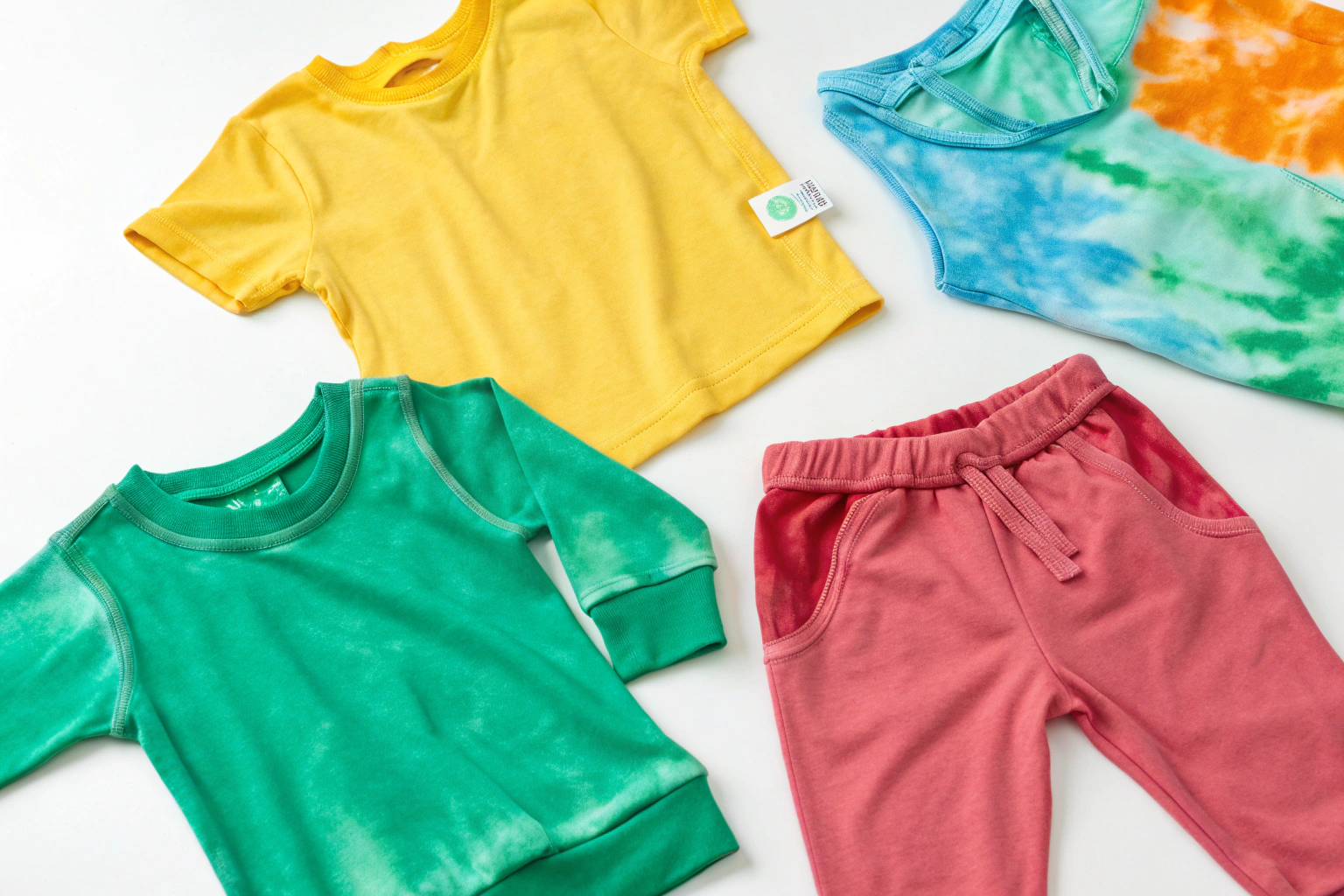
As a children's clothing manufacturer, I get this question a lot from brand owners like you. You hear about a new, sustainable dye and your first thought is: will it last? Will it survive the countless washes, the sun exposure, and the rough-and-tumble play that kids put their clothes through? Or will it fade quickly, leaving you with unhappy customers and returned inventory? The promise of sustainability cannot come at the cost of quality, especially in the competitive mid-to-high end children's wear market.
Algae-based dyes can be remarkably colorfast for kidswear, but their performance is not automatic; it hinges on the dyeing techniques, fabric choice, and post-treatment processes used by the manufacturer. This isn't a simple yes or no answer. The colorfastness—a fabric's resistance to fading or running—is achieved through rigorous manufacturing standards. At our factory, we've seen that when applied correctly to suitable materials like organic cotton or bamboo blends, these dyes meet and even exceed international safety and durability standards for children's clothing. The key is partnering with a supplier who understands the chemistry and controls the entire production chain.
Let's dive deeper into what makes these innovative dyes a viable, long-lasting choice for your brand. We'll separate the hype from the practical reality you need for your business.
How does the colorfastness of algae dyes compare to conventional dyes?
Brand owners are rightfully skeptical. You have experience with conventional dyes and know their performance. The good news is that the performance gap is closing rapidly. High-quality algae dyes, when processed with advanced fixation methods, can achieve colorfastness levels comparable to many synthetic dyes used in the market today.
The critical difference lies in the initial bonding process. Algae pigments require specific pH-controlled environments and specialized mordants (substances that fix the dye) to form a strong bond with the fabric fibers. When this is done correctly, the result is a color that locks in. We conduct rigorous quality control tests, including multiple wash cycles and rub tests, to ensure the color stays vibrant. For instance, our internal standards often exceed the basic requirements set by organizations like the American Association of Textile Chemists and Colorists (AATCC), ensuring the fabric can withstand the rigors of a child's life.
What testing standards prove colorfastness?
To move beyond claims and into proven performance, we rely on standardized tests. The most common benchmarks for colorfastness are established by the AATCC. These tests simulate real-world conditions that clothing will face. Key tests include AATCC 61 for wash fastness, which simulates multiple home launderings, and AATCC 16 for light fastness, which measures resistance to fading from sunlight. For a dye to be considered colorfast for kidswear, it must perform well in these tests. We provide our clients with detailed test reports from certified laboratories, often aligning with OEKO-TEX Standard 100 certification, which verifies the absence of harmful substances. This transparent documentation is crucial for brands that need to verify supplier claims and ensure their products are safe and durable.
Can algae dyes withstand repeated washing?
This is the core of the colorfastness question. The answer is yes, but the fabric base matters immensely. Algae dyes bond exceptionally well with natural fibers like cotton, linen, and bamboo. On these materials, they can withstand 30-50+ home washes with minimal fading when the dyeing process is optimized. The first wash might have some very minor runoff, which is common with many natural dyes, but subsequent washes show excellent stability. This durability is why we often recommend algae-dyed garments for everyday essential items like baby bodysuits, pajamas, and playwear—items that will be washed frequently. Our DDP (Delivered Duty Paid) service includes a thorough quality check on every batch, so you can be confident that the garments arriving at your warehouse will maintain their color through your customers' laundry routines.
What factors affect the longevity of algae-dyed children's clothing?
Colorfastness isn't just about the dye itself. Several factors throughout the manufacturing and product life cycle influence how long the color will last. Understanding these factors allows you to make informed decisions about fabric selection and garment care instructions.
The primary factors are the type of fabric, the dyeing methodology, and the final finishing processes. A premium, long-staple organic cotton provides a smoother, stronger surface for the dye to adhere to compared to a lower-grade cotton. The dyeing process must control temperature and time precisely. Finally, finishing treatments, such as softeners or water repellents, must be compatible with the algae dye to avoid compromising the color.

How does fabric choice impact color retention?
Not all fabrics are created equal when it comes to holding dye. Natural fibers are generally more receptive to algae-based dyes than synthetic ones. Within natural fibers, the quality and weave matter. A tightly woven fabric will retain color better than a loose knit. For example, we achieve the best results with high-grade organic cotton and bamboo blends. These fibers have excellent absorbency, allowing the dye to penetrate deeply into the core of the yarn rather than just sitting on the surface. This deep penetration is what leads to superior wash-fastness. When you're discussing your next order, our team can advise on the best fabric choices to ensure your designs are not only beautiful but also durable.
What role do manufacturing processes play?
The manufacturer's expertise is the most critical factor. It's the difference between a dye that fades and one that lasts. Key processes include:
- Pre-treatment: The fabric must be scoured and prepared perfectly to remove any natural oils or impurities that could block dye absorption.
- Dye Fixation: This is the crucial step. Using the right mordants and maintaining exact pH and temperature levels ensures a permanent bond between the dye and the fiber.
- Post-treatment: After dyeing, the fabric is washed to remove any excess, unbound dye. This step is vital for preventing crocking (color transfer) and ensuring the final color is stable. Our five production lines are equipped with modern systems that allow us to control every variable in this process, guaranteeing consistent and reliable results batch after batch.
Are there special care instructions for maintaining the color?
Yes, and this is an important point for brand owners. While algae-dyed garments are durable, providing clear care instructions can maximize their lifespan and ensure customer satisfaction. This is a standard practice for high-quality clothing, regardless of the dye type.
The care instructions are generally simple and align with recommendations for preserving any vibrant garment. We advise washing in cold water with similar colors and using a mild, eco-friendly detergent. Tumble drying on low heat or, ideally, air-drying is best for preserving color intensity. These instructions are not burdensome for the end-consumer and are similar to the care given to many premium apparel items.

What are the ideal washing conditions?
To keep the colors bright, we recommend a gentle cycle with cold water. Hot water can cause the fabric fibers to expand and release dye molecules more easily, leading to gradual fading over time. Turning garments inside out before washing minimizes friction on the surface of the fabric, which can cause fading in high-wear areas. By printing these simple tips on your clothing labels, you empower your customers to keep the garments looking new for longer, which enhances their perception of your brand's quality.
How does drying affect the color?
High heat is the enemy of long-lasting color, whether from a dryer or direct sunlight. The intense heat can break down the chemical bonds of the dye. Therefore, we always recommend air-drying away from direct sunlight or using a dryer on the lowest heat setting. This practice is not unique to algae dyes but is a best practice for maintaining the appearance and integrity of all dyed textiles. Providing this guidance shows your customers that you care about the longevity of your product.
Is the colorfastness worth the investment for my brand?
This is the bottom-line question for a business owner like Ron. The investment goes beyond the unit cost of the garment; it's an investment in your brand's identity and market positioning. The unique, earthy hues of algae dyes are difficult to replicate with synthetic dyes, offering a rare style that can set your brand apart.
Furthermore, the story of sustainability is powerful. Consumers, especially in the North American and European markets, are increasingly seeking out brands that prioritize environmental responsibility. When you can pair that story with proven quality and colorfastness, you create a product that justifies a higher price point. It allows you to move beyond competing solely on price and instead compete on value, design, and brand ethos.

How does this align with current market trends?
The demand for sustainable kidswear is not a niche trend; it's a mainstream movement. Brands that incorporate genuine eco-friendly practices, like using non-toxic algae dyes, are seeing increased customer loyalty and willingness to pay a premium. This aligns perfectly with the needs of mid-to-high segment brands that focus on premium quality. By investing in this technology now, you future-proof your brand and build a reputation as an industry leader.
What is the true cost-benefit analysis?
The initial cost of algae dyes may be higher than basic synthetic dyes. However, the true cost-benefit analysis must include:
- Reduced Returns: Garments that fade quickly lead to customer complaints and returns. Durable colorfastness minimizes this risk.
- Brand Enhancement: The unique selling proposition of a sustainable, high-quality product allows for better margin control.
- Supply Chain Reliability: Partnering with a manufacturer like us, who guarantees quality control and on-time delivery, ensures you get your products to market for the selling season without issues. The investment in a superior dye becomes a strategic decision for long-term profitability.
Conclusion
The journey into sustainable dyes doesn't have to be a gamble on quality. Algae-based dyes, when sourced and applied by an experienced manufacturer, offer a viable and impressive solution for colorfast kidswear. Their performance is proven through standardized testing, and their longevity is secured through controlled manufacturing processes. The key takeaway is that the manufacturer's expertise is as important as the dye itself.
By choosing to innovate with algae dyes, you are not just making an eco-friendly choice; you are making a smart business decision to elevate your brand, meet consumer demand, and deliver exceptional quality. If you are ready to explore how algae-dyed garments can become a successful part of your collection, we are here to guide you through every step.
We invite you to discuss your specific needs and see how our expertise can bring your vision to life with both stunning color and unwavering quality. For a direct conversation about your next order, please contact our Business Director, Elaine, at elaine@fumaoclothing.com. Let's create something beautiful and durable together.